1.The Corrosive Nature of Absolute Power
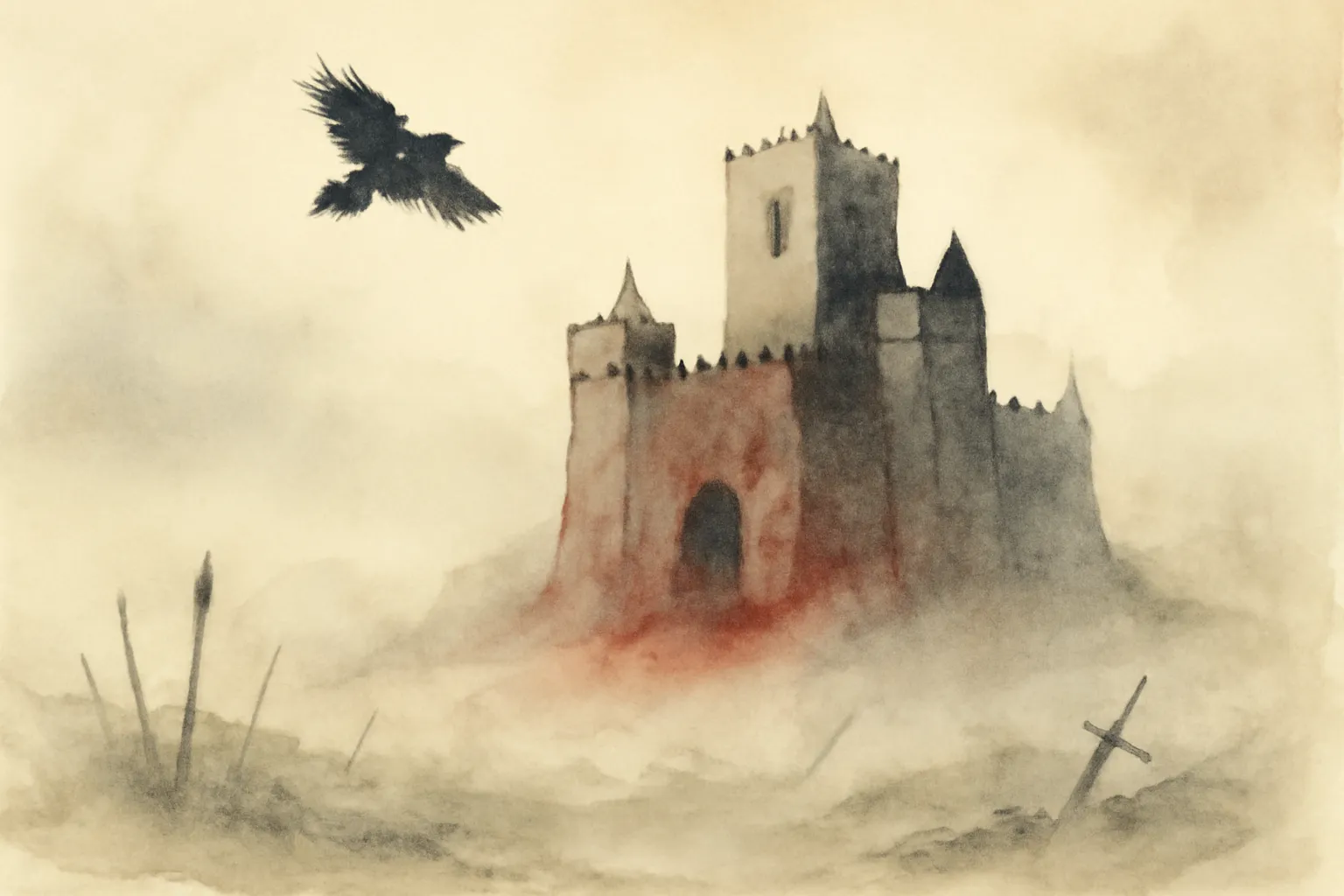
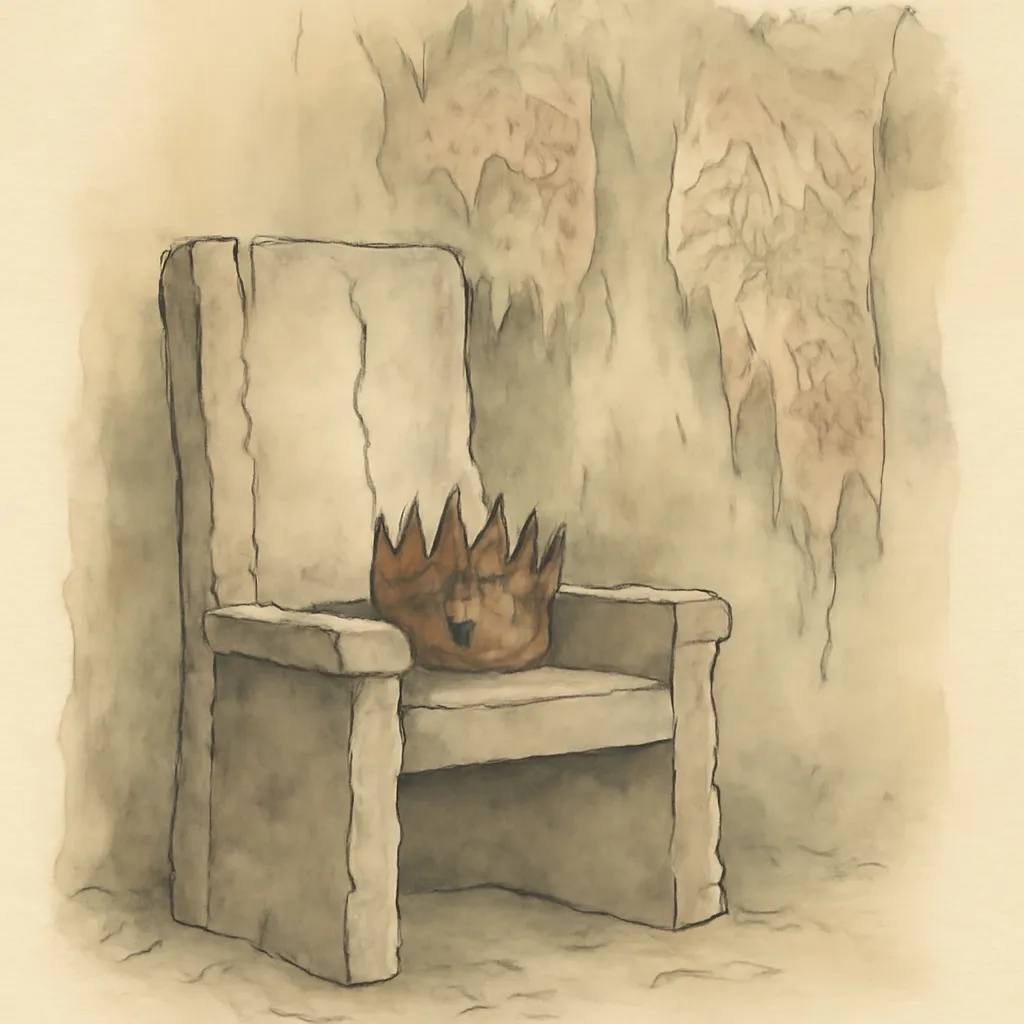
King Philip IV, known as the Iron King for his cold resolve, embodies the perils of unchecked authority. Druon depicts how Philip’s relentless pursuit of control—over the church, the nobility, and even his own family—ultimately sows the seeds of his undoing. The narrative explores how rigid, authoritarian rule breeds resentment, conspiracies, and unintended consequences, suggesting that power, when wielded without empathy or flexibility, is inherently self-destructive.
2.The Curse and the Seeds of Catastrophe
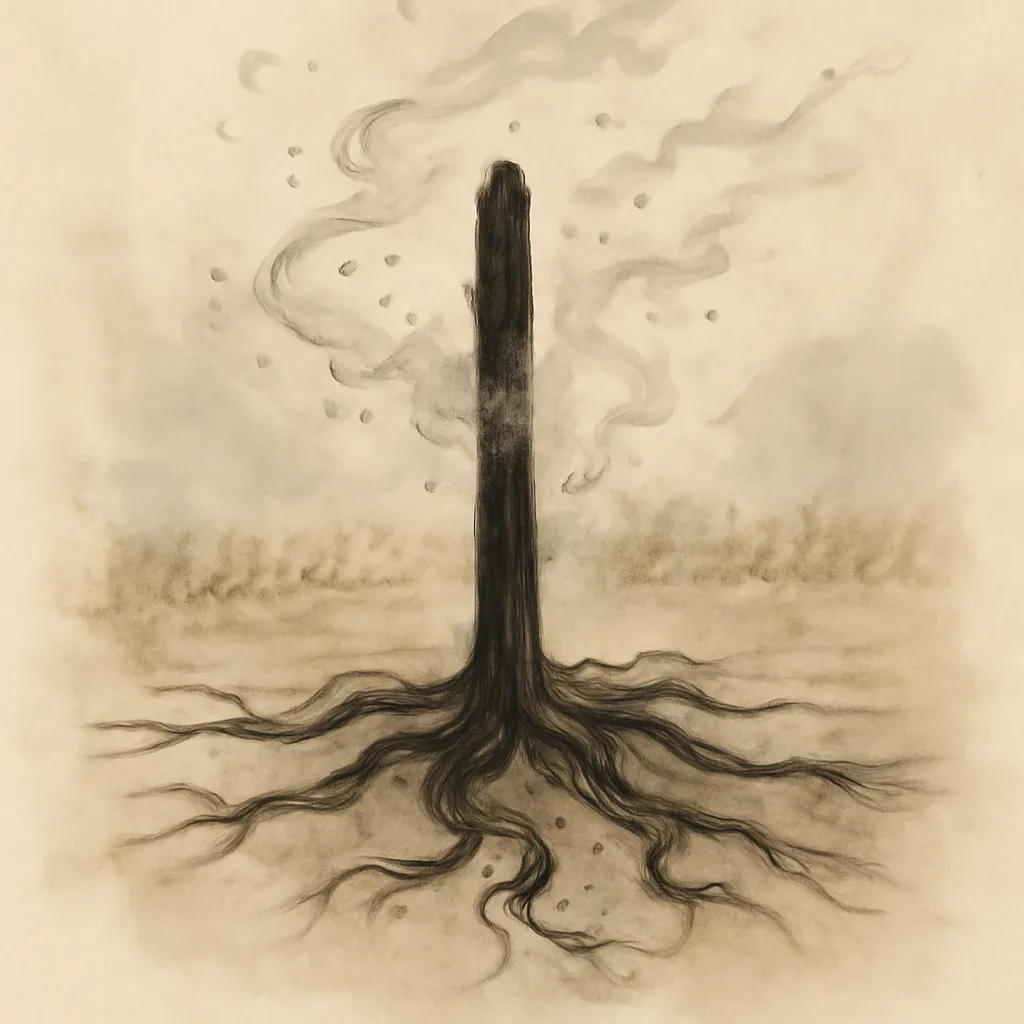
A central motif is the curse laid upon Philip and his descendants by Jacques de Molay, the last Grand Master of the Templars, as he is burned at the stake. This curse is both literal and symbolic, representing the moral rot at the heart of the Capetian dynasty. Druon uses it to foreshadow the collapse of a seemingly invincible line, highlighting how personal and political sins reverberate through generations.
3.Intrigue and the Machinery of Medieval Power
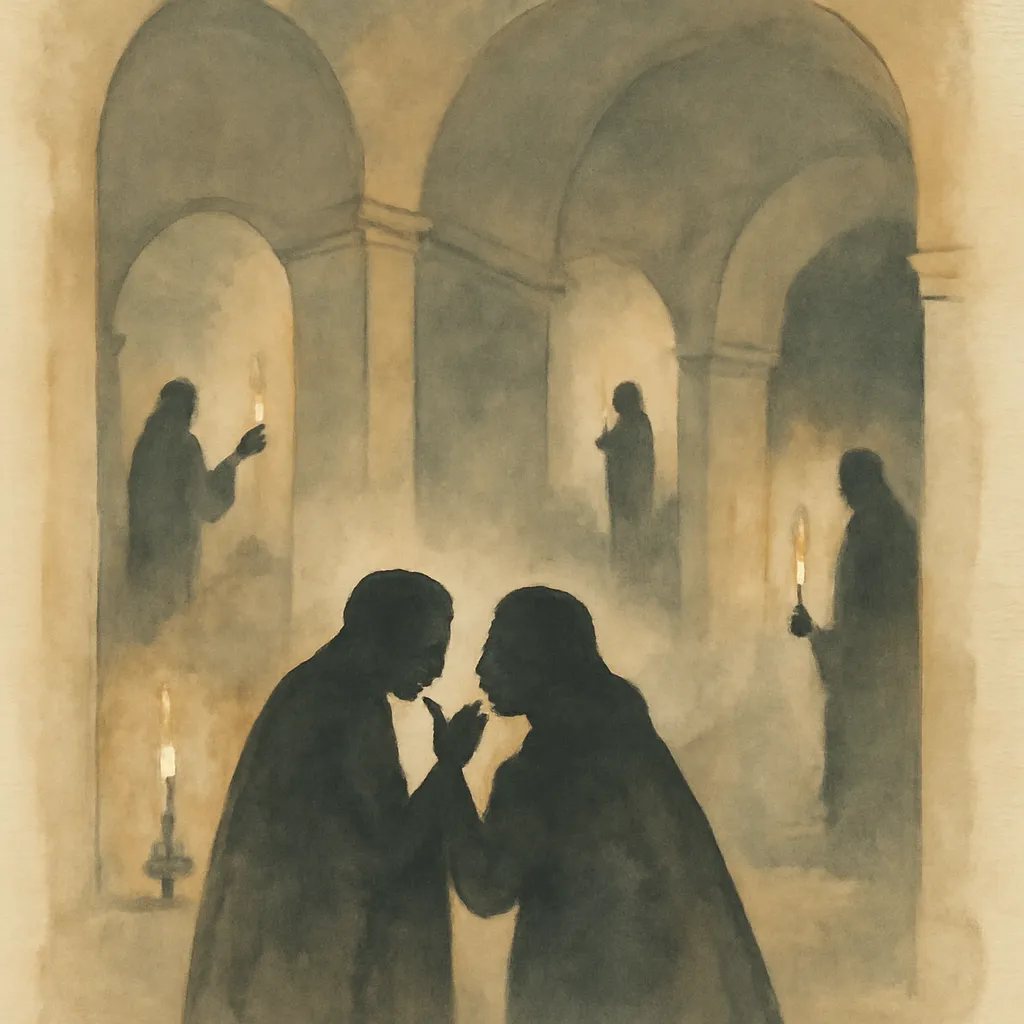
Druon excels at portraying the labyrinthine politics of the French court. The novel is a masterclass in the art of manipulation, with nobles, bankers, and clergy all vying for influence. Through detailed depictions of alliances, betrayals, and backroom deals, The Iron King reveals how personal ambition and institutional rivalries shape the course of history, making the past feel as suspenseful and unpredictable as any modern thriller.
4.The Role of Women in a Patriarchal World
While set in a male-dominated society, the novel gives significant attention to the agency and suffering of women—queens, princesses, and mistresses—whose fates are bound to the ambitions of men. Their stories, from Marguerite’s tragic downfall to Isabella’s cunning, underscore the limited but potent ways women navigated, subverted, or fell victim to the structures around them.
5.The Human Cost of Dynastic Ambition
Druon never lets readers forget the toll that political games take on individuals. The Iron King is filled with characters whose lives are destroyed or warped by the demands of lineage and legacy. The narrative’s emotional resonance comes from its attention to the personal tragedies behind grand historical events, making the stakes feel immediate and real.
6.Historical Realism Meets Epic Storytelling
Unlike many historical novels, The Iron King is meticulously researched, immersing readers in the customs, beliefs, and daily realities of medieval France. Druon’s vivid, unsentimental prose strips away romanticism, presenting a world where violence, superstition, and ambition are ever-present. This authenticity grounds the drama and lends the story a gravitas that has influenced generations of writers.