1.The Art of Literary Critique as Connection
Philip's initial response to Jessica's review of 'The Kentons' illustrates how literary critique can serve as a foundation for deep personal connections. His compliment regarding her skill in using the 'scalpel' of criticism highlights not only his admiration for her intellect but the mutual respect that exists within their literary pursuits. By acknowledging Jessica’s ability to dissect the work of a notable author like Howells, Philip establishes a communication channel that transcends mere professional interaction. This exchange is pivotal; it sets the tone for their relationship, emphasizing how their shared love for literature serves as both a backdrop and a catalyst for their budding romance. It poses an intriguing question about how artistic expression can foster emotional bonds, suggesting that shared passions can lead to intimate connections between individuals.
2.The Sacrifices of Literary Devotion
Jessica's heartfelt inquiry about dedicating her life to literature underscores the immense sacrifices often required of those who pursue artistic careers. Philip’s response reflects a sobering truth: literature, while noble, is often undervalued in society. The notion of giving one’s life to a 'despised goddess' addresses the societal skepticism artists frequently face. This struggle is emblematic of a larger commentary on the sacrifices that artists must make, including personal relationships and social acceptance, in order to remain true to their craft. Jessica's yearning for validation and purpose in her artistic endeavors reveals her inner conflict—a desire to create and connect while navigating societal expectations. This theme resonates universally, as it sheds light on the plight of artists who grapple with the tension between passion and practicality, often at the expense of their emotional well-being.
3.The Conflict of Idealism and Reality
As the correspondence progresses, the stark contrast between Philip's romantic idealism and the harsh realities of life becomes increasingly apparent. Philip’s declaration that he has 'given his happiness into your hands' and subsequently feels it has been shattered illustrates the emotional turmoil stemming from unreciprocated affection. This moment encapsulates a broader philosophical inquiry about the nature of love itself—whether it is a noble pursuit or an illusion that can lead to despair. The letters reflect the characters’ struggles to reconcile their dreams with the complexities of human emotions, suggesting that idealized notions of love often clash with the realities of vulnerability and fear. This theme invites readers to ponder their own experiences with love, questioning whether romantic ideals can hold up in the face of real emotional challenges.
4.Beauty and Its Emotional Impact
Throughout Philip's letters, he continually reflects on Jessica's beauty, linking her physical presence to transformative experiences in his life. His realization of her 'wonderful beauty' upon his return to Morningtown serves as a metaphor for how love can heighten one's perception of the world. This newfound awareness suggests that love is not merely about affection; it also brings clarity and depth to human experience. Philip’s descriptions of Jessica evoke a sense of wonder that transcends mere attraction, prompting him to question the nature of beauty itself. The way he equates her beauty with a 'strange light' evokes imagery of purity and transcendence, suggesting that true beauty can inspire and elevate one's emotional state. This exploration prompts readers to consider how love influences their own perceptions of beauty, challenging them to recognize the profound emotional impacts of romantic connection.
5.Nature as a Reflection of Emotional States

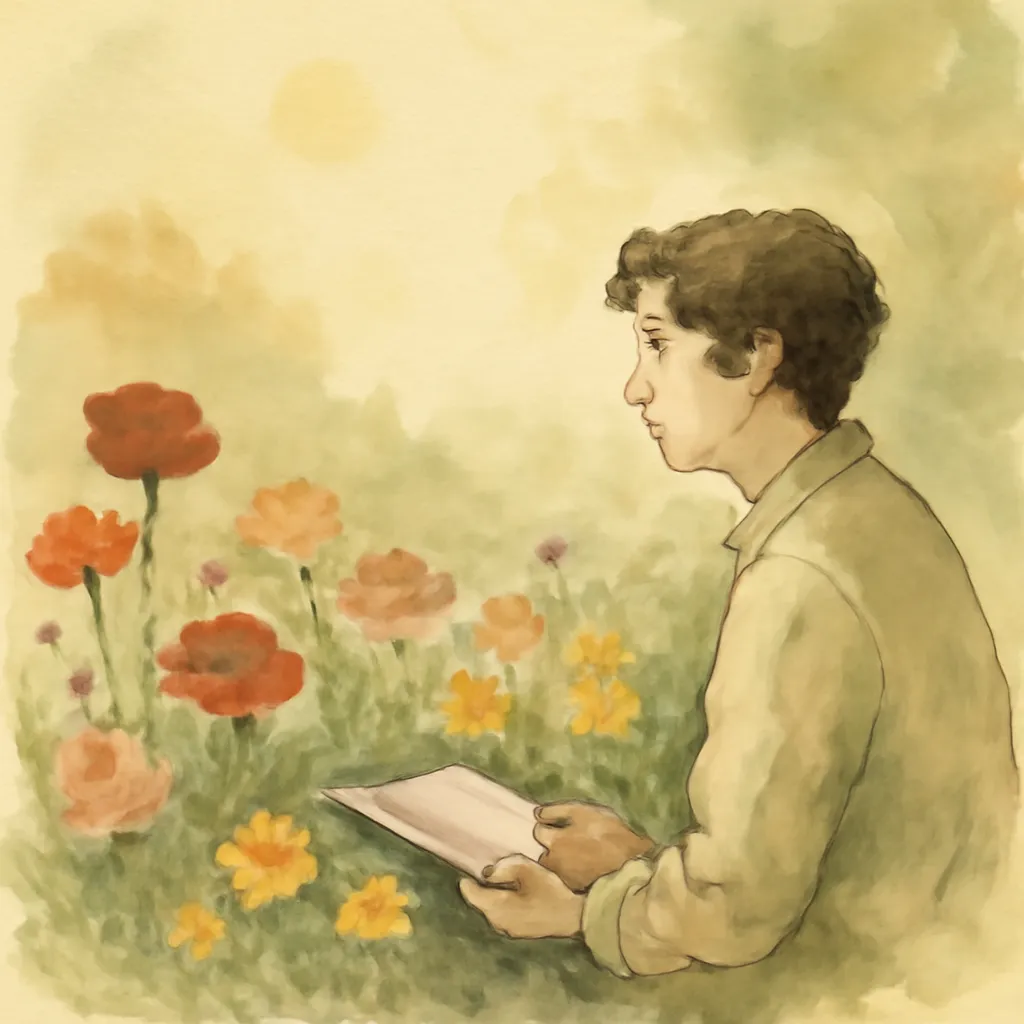
The serene setting of Morningtown serves as a poignant backdrop to Philip and Jessica's evolving relationship, emphasizing the theme of nature as a mirror of emotional states. The garden, trees, and natural surroundings are not just a setting; they become integral to the characters' emotional journeys. Philip’s reflections on the beauty of the landscape highlight how nature can evoke feelings of peace and intimacy, contrasting sharply with the chaos of urban life. This juxtaposition emphasizes the transformative power of environment on human emotions and relationships. As they navigate their personal struggles within this idyllic setting, it becomes clear that external beauty can enhance internal experiences, underscoring the idea that the environment we inhabit can shape our emotional realities and connections with others. This theme illustrates how love flourishes in serene, nurturing spaces, suggesting a vital relationship between nature and emotional well-being.
6.Societal Expectations and Individual Aspirations
Jessica's struggle against societal expectations reveals the broader theme of individual aspirations versus external pressures. Her metaphor of being a 'poor dryad' fighting for her kingdom of love encapsulates her desire for personal fulfillment, even as she feels the weight of social norms pressing down on her. This internal conflict is emblematic of many individuals, particularly women, who grapple with the expectations placed upon them by society. Jessica's journey highlights the sacrifices she is willing to make in pursuit of her artistic ambitions, even as she questions the merit of sacrificing her personal happiness for a broader humanitarian ideal. This tension speaks to the universal struggle of balancing self-identity with societal demands, inviting readers to reflect on their own experiences and the choices they make in pursuit of authenticity and fulfillment.
7.The Weight of Emotional Vulnerability
Philip's letters are marked by a profound sense of vulnerability, revealing the emotional weight that love carries. His expressions of longing and despair become a powerful testament to the complexities of romantic relationships. When he implores Jessica to write back with 'some word of familiar consolation,' it underscores the importance of communication in navigating the uncertainties of love. This emotional openness invites exploration into how vulnerability can both strengthen and complicate relationships. Philip’s candidness about his feelings allows for greater intimacy, yet it also exposes him to potential rejection and heartache. This duality of vulnerability—its capacity to forge deep connections while simultaneously risking emotional pain—is a central theme that resonates throughout their correspondence, offering insights into the transformative power of love and the courage required to embrace it.
8.Art's Role in Shaping Identity
The relationship between Philip and Jessica underscores the critical role that art and literature play in shaping personal identity. Their shared passion for the written word becomes a defining aspect of their connection, illustrating how creativity can foster intimacy. Jessica's dedication to literature reflects her desire for self-expression, while Philip’s role as an editor positions him as a gatekeeper to the broader literary landscape. This dynamic highlights the interplay between artistic ambition and personal identity, suggesting that one's creative endeavors can profoundly impact how they perceive themselves and how they relate to others. Their letters reveal the extent to which their identities are intertwined with their artistic pursuits, enriching their emotional bond and emphasizing the transformative power of art in shaping human experiences.
9.Navigating the Dichotomy of Idealism vs. Reality
The letters poignantly illustrate the tension between idealism and reality that characterizes both love and life. Philip's romantic inclinations are challenged by the disillusionment that often accompanies deep emotional connections. His reflections on love as a potential illusion serve to highlight the fragility of human relationships, prompting readers to consider the balance between dreams and the realities that often impede them. This ongoing clash between aspiration and actuality serves as a central theme, encouraging introspection on how individuals grapple with their ideals in the face of everyday struggles. As the characters confront their vulnerabilities and desires, they embody the universal challenge of seeking authenticity while navigating the imperfections of human existence.
10.The Enduring Nature of Human Connection
Despite the emotional conflicts and philosophical dilemmas that permeate their correspondence, the letters ultimately convey an enduring sense of hope for human connection. Philip’s and Jessica’s exchanges reflect a deep bond that transcends their struggles, suggesting that love has the capacity to withstand the complexities of life. Their relationship becomes a testament to the resilience of the human spirit, emphasizing the importance of finding connection in a world that often challenges our ideals. This theme invites readers to recognize the transformative power of love and the ways it can inspire individuals to confront their fears and embrace vulnerability. Ultimately, the narrative culminates in a celebration of the human experience—an acknowledgment that amidst the chaos of life, love remains a profound and guiding force.