1.A Life of Serendipity
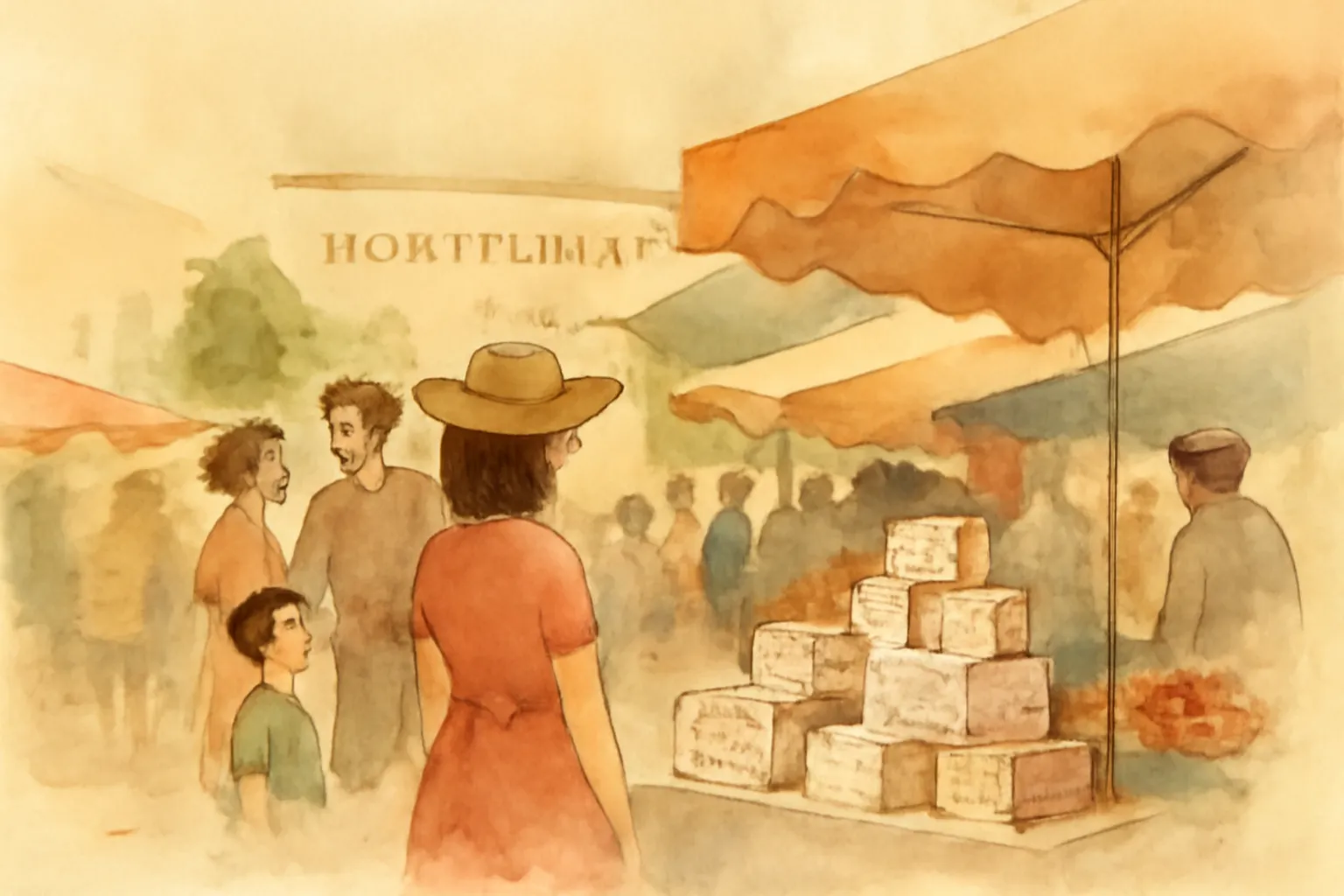
Aristide Pujol’s life is a testament to the unpredictability of existence, showcasing how serendipity often dictates the course of his adventures. Each turn of fate reveals new opportunities, as demonstrated by his chance meeting with a nougat manufacturer in Montélimar. In that moment, Aristide transforms a mere acquaintance into a lucrative contract to sell nougat in England. This episode encapsulates a broader theme in the narrative: that life's most significant moments frequently arise from unexpected circumstances. Aristide’s adventures remind us that fortune favors the bold, and by maintaining an open heart and mind, we can navigate life's uncertainties with grace. Locke emphasizes how, like Aristide, we must be willing to seize opportunities that arise unexpectedly, underlining the importance of being adaptable and receptive to change.
2.The Power of Friendship
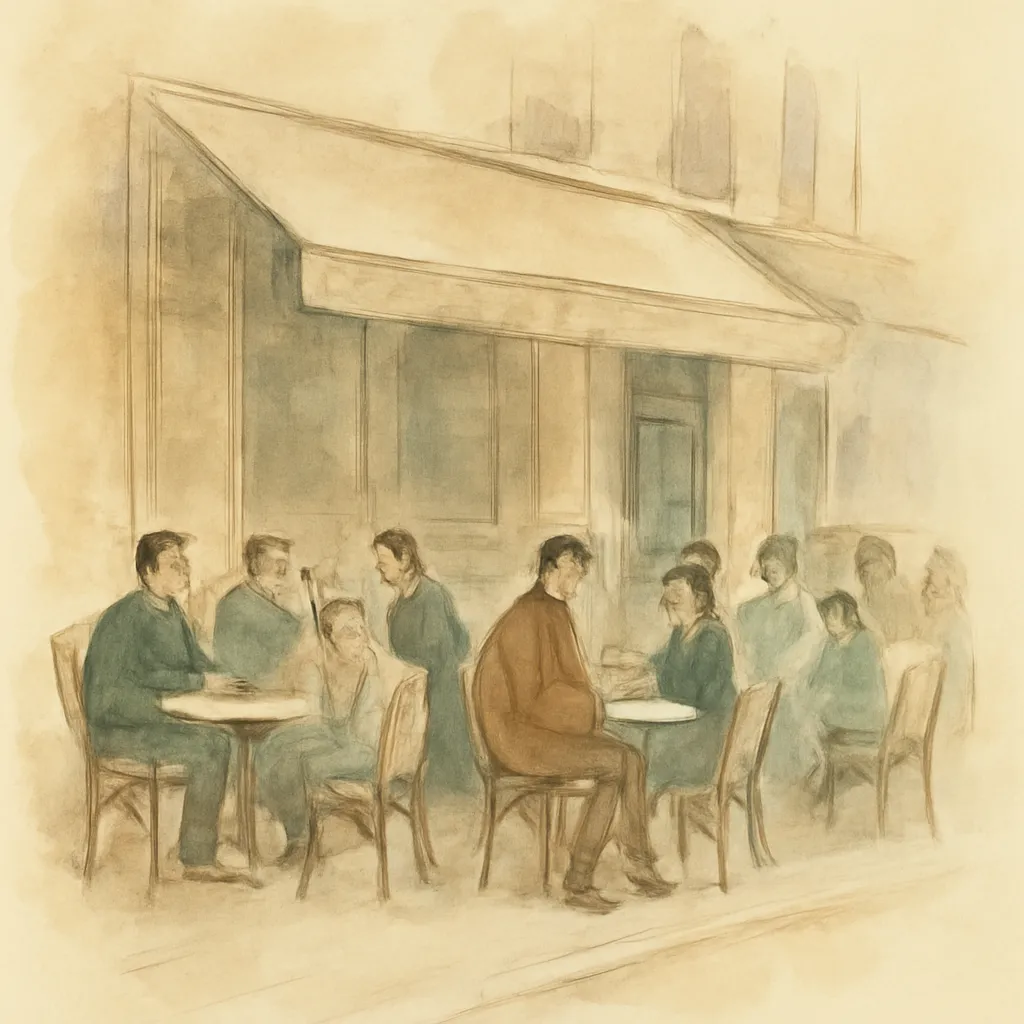
Throughout his adventures, Aristide’s relationships are instrumental in his survival and success. His bond with Madame Bidoux, who provides him with meals and a place to stay, illustrates the importance of community and support systems. Aristide embodies the spirit of camaraderie; he does not shy away from forming connections, regardless of his circumstances. This dynamic emphasizes that while individualism is valued in society, the strong ties of friendship and community are essential for resilience. Their relationship underscores a critical message: the act of giving and receiving support enriches our lives. For Aristide, friendship is a lifeline; it ensures his survival during dire times and fosters a sense of belonging. The warmth of these friendships highlights how interconnectedness can lead to joyous experiences, even amid adversity, and reflects a shared human experience that resonates with readers.
3.Dreams vs. Reality
Aristide embodies the tension between aspiration and the harsh realities of life, often oscillating between dreams of grandeur and the struggles of day-to-day existence. He yearns to become the manager of a prestigious hotel, yet he frequently finds himself in menial roles or desperate situations, such as when he sells corn-cure in public squares. These contrasts serve to highlight a universal struggle—the pursuit of dreams in the face of reality. Aristide’s journey emphasizes that while dreams may be elusive, the pursuit itself is what enriches life. His commitment to learning English serves as a metaphor for his desire to ascend the social ladder, illustrating how ambition can propel individuals toward self-improvement. The narrative prompts readers to reflect on their own aspirations and challenges, suggesting that the journey is often as valuable as the destination.
4.The Art of Reinvention
One of Aristide’s most striking traits is his remarkable ability to reinvent himself. His career shifts from a chasseur in a café to a nougat salesman, from a professor to a mountebank selling remedies. Each new role is embraced with enthusiasm and a sense of adventure, reflecting profound adaptability. This fluidity signifies that identity is not fixed; it evolves based on experiences and choices. Aristide teaches us that being willing to change course is essential to navigating life's uncertainties. His ability to pivot when circumstances demand it highlights a critical life lesson: embracing change can lead to new opportunities and growth. Through Aristide's journey, the narrative encourages readers to view their lives as a series of reinventions, each chapter building on the last, creating a rich tapestry of experiences.
5.The Absurdity of Life
Locke captures the absurdity inherent in Aristide’s adventures, emphasizing the often comical and nonsensical nature of existence. His life is filled with surreal encounters, from navigating financial ruin to engaging with eccentric characters, all of which challenge conventional logic. Aristide's run-ins, such as with the Ducksmiths or his experiences while selling corn-cure, illustrate a world where chaos reigns. This approach adds humor to the narrative while simultaneously serving as a critique of societal norms and expectations. By portraying life as a series of farcical events, the narrative encourages readers to find joy in the chaos, reinforcing the idea that life's unpredictability can lead to unexpected laughter and learning. The absurdity is not merely for comedic effect; it serves to highlight the complex and often irrational nature of human experience, inviting readers to embrace the humorous elements of their own lives.
6.Romance and Idealism
Aristide’s romantic escapades are woven throughout the narrative, showcasing his idealistic view of love. His encounters with various women, particularly the enchanting Fleurette, reveal a man who sees beauty and possibility in all relationships. Aristide's passionate nature leads him to fall in love with nearly every woman he meets, and yet this idealism often clashes with reality, creating poignant moments of reflection. The narrative explores how his romantic pursuits influence his identity, as each relationship teaches him valuable lessons about love, longing, and loss. This exploration of love highlights the complexities of human relationships and how they shape our aspirations and choices. Through Aristide’s lens, love is both a source of joy and a catalyst for personal growth, reminding readers that the pursuit of romantic connections can be as transformative as it is challenging.
7.The Role of Fate
Fate plays a significant role in Aristide’s life, often guiding him toward unexpected opportunities. His serendipitous meetings, such as with the nougat manufacturer, illustrate how chance encounters can dramatically alter one’s path. Aristide seems to navigate a world where fate conspires to provide him with new avenues to explore, reinforcing the notion that life is a tapestry woven with both intention and happenstance. This interplay between fate and free will invites readers to ponder the extent to which our lives are shaped by forces beyond our control. The narrative suggests that while we may direct our paths, there is an element of unpredictability that adds richness to our experiences. Aristide’s life serves as a reminder that embracing fate’s whims can lead to delightful surprises and unforeseen adventures, encouraging readers to remain open to life’s offerings.
8.The Significance of Place
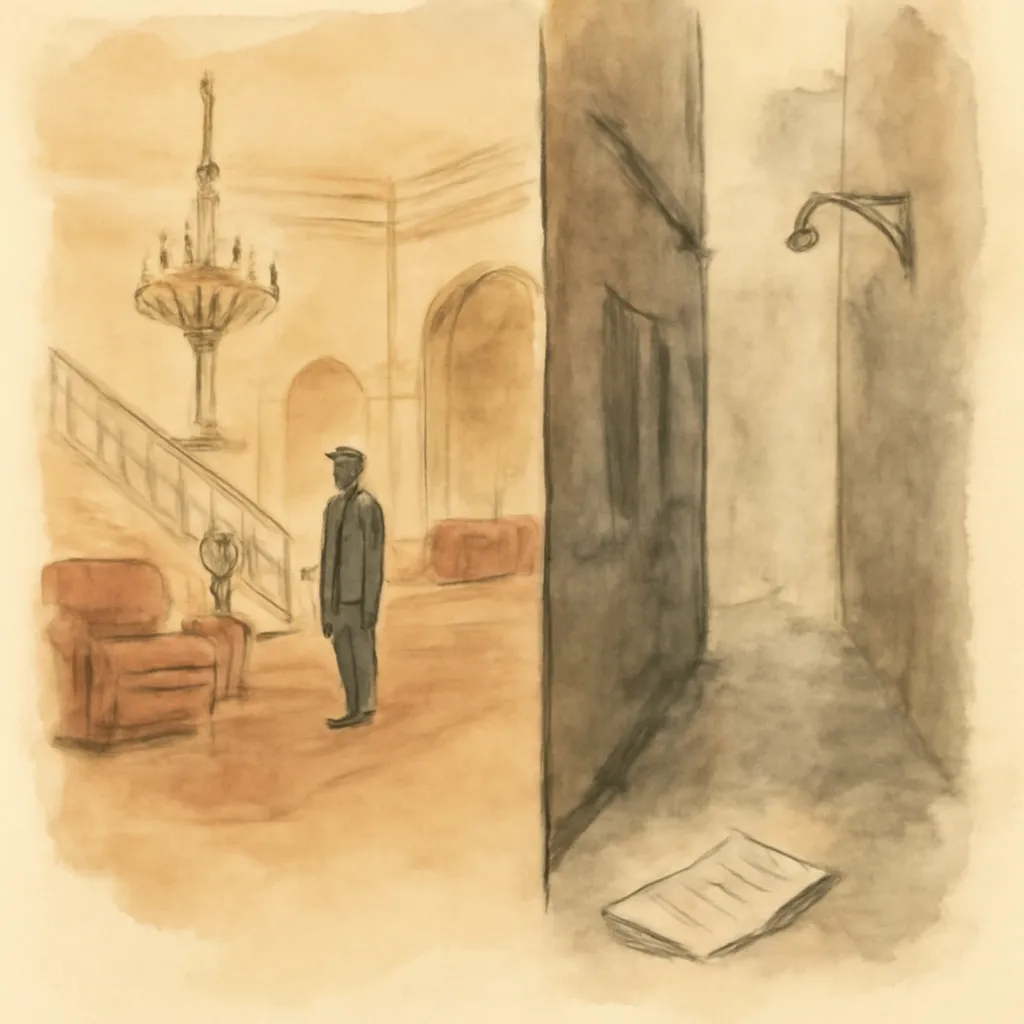
The various settings in Aristide's adventures significantly contribute to the narrative's tone and themes. From the desolate streets of Aigues-Mortes to the bustling cafes of Paris, each location serves as a backdrop that profoundly influences Aristide’s experiences. The stark contrast between the bleakness of his hometown and the vibrancy of urban life underscores his desire for escape and adventure. Locations become characters in their own right, shaping Aristide's identity and aspirations. For instance, the Hôtel du Soleil et de l'Ecosse serves as both a refuge and a stage for his antics, highlighting how environments can impact our journeys. This focus on place emphasizes that our surroundings are integral to our stories and personal growth, encouraging readers to consider how their own environments shape their lives and decisions.
9.The Pursuit of Happiness
Above all, Aristide embodies the relentless pursuit of happiness, approaching life with an unwavering belief in the possibility of better days. His adventures, though fraught with challenges, are underscored by a joyful spirit. Whether he is selling nougat or navigating the complexities of love, Aristide remains optimistic and enthusiastic. This pursuit is not about achieving a static state of happiness but rather about embracing the journey itself. The narrative reminds readers that happiness often resides in the experiences we gather along the way. Aristide’s character inspires reflection on our own pursuits of joy, suggesting that we can find fulfillment in the journey by living authentically and fully. Ultimately, the story encourages us to recognize that happiness is not a destination but a way of engaging with the world.
10.Embracing the Journey
Ultimately, 'The Joyous Adventures of Aristide Pujol' is a celebration of the journey rather than the destination. Aristide’s life is characterized by a series of adventures that teach him valuable lessons about resilience, friendship, and the nature of happiness. Each episode illustrates that life’s true richness lies in the experiences we accumulate along the way. Aristide’s character inspires readers to live with an open heart and to embrace the unpredictability of life. The narrative encourages us to find joy in every moment, highlighting that the journey itself is the most rewarding part of any adventure. In a world that often prioritizes outcomes over experiences, Aristide’s story serves as a poignant reminder to cherish the paths we travel and the memories we create.