1.The Triad of Dharma, Artha, and Kama
The foundation of Vatsyayana's philosophy in the Kama Sutra lies in the triad of Dharma (moral duty), Artha (material wealth), and Kama (pleasure). These three pursuits are not merely separate goals; they are interconnected aspects of a fulfilling life. Dharma emphasizes ethical responsibilities, guiding individuals to act wisely and justly within society. Artha concerns the acquisition of wealth and resources, enabling one to provide for oneself and others. Kama represents the pursuit of love and sensual pleasure, enriching life through emotional and physical intimacy. Vatsyayana argues that each pursuit should be balanced; neglecting one can lead to an unfulfilled and chaotic existence. For instance, while the pursuit of pleasure is important, it must be done within the ethical confines of Dharma to avoid moral pitfalls. The text suggests that an individual should engage in Dharma first, ensuring that the moral imperatives guide one's actions, then pursue Artha and Kama, especially during youth. Thus, understanding this triad is essential for creating a harmonious life that embraces joy without sacrificing integrity.
2.Understanding Sexual Union

Vatsyayana provides a nuanced view of sexual union, categorizing it into various types based on dimensions, intensity of desire, and emotional connection. He describes three classifications of men and women based on physical attributes: the 'hare man,' 'bull man,' and 'horse man,' alongside their corresponding female counterparts. These classifications correspond to various degrees of compatibility in sexual unions, including the 'deer woman,' 'mare,' and 'elephant woman.' Equal unions, where partners are well-matched in size and desire, are regarded as the most satisfying. In contrast, unequal unions can lead to dissatisfaction if partners do not align in their physical and emotional dimensions. Vatsyayana emphasizes that successful sexual relationships require an understanding of each other’s bodies and needs, alongside open communication. He illustrates that when partners are mismatched, not only can pleasure be diminished, but emotional disconnect can arise, creating friction in the relationship. This perspective transforms sexual intimacy from a mere physical act into a deeply emotional and psychological connection, highlighting the need for partners to be attuned to one another's desires and feelings.
3.The Art of Courtship
Courtship is portrayed as a delicate art form in the Kama Sutra, essential for establishing a strong emotional foundation before engaging in physical intimacy. Vatsyayana emphasizes that men should pursue women through playful and affectionate interactions, gradually building trust and affection. He suggests a variety of courtship techniques, including engaging in games, light-hearted teasing, and sharing meaningful experiences, to win a woman’s heart. The process is underscored by the importance of patience and sincerity; rushing into physical intimacy can undermine the emotional connection crucial for lasting relationships. Furthermore, Vatsyayana advises men to observe women carefully and respond to their moods and preferences, demonstrating attentiveness and respect. This thoughtful approach to courtship illustrates that genuine love is cultivated through shared moments and mutual respect, laying the groundwork for deeper intimacy and understanding. In essence, effective courtship should evoke genuine emotions that bring partners closer, allowing love to blossom organically rather than through forceful advances.
4.Engaging in Romantic Pursuits Responsibly
Vatsyayana emphasizes the importance of pursuing romantic relationships with a sense of responsibility, particularly in the context of societal norms and moral obligations. He discusses the significance of engaging in relationships that do not harm others, particularly spouses of existing partners. The text highlights that while desire is inherent to human nature, it must be approached ethically. Therefore, Vatsyayana instructs individuals to assess their desires critically, ensuring they do not infringe upon the rights or feelings of others. This perspective fosters a culture of respect and consideration in romantic pursuits, promoting deeper emotional connections rather than superficial encounters. Vatsyayana’s teachings encourage readers to reflect on the potential consequences of their actions on others, urging them to navigate their desires thoughtfully. By emphasizing the ethical dimensions of love, Vatsyayana advocates for relationships that contribute positively to the lives of all involved, creating a more harmonious social environment.
5.The Role of Women in Relationships
Vatsyayana challenges the traditional perception of women as passive recipients of male desire, instead portraying them as integral participants in shaping their relationships. He emphasizes that women possess agency and can significantly influence the dynamics of love and intimacy. The text instructs women to cultivate their own virtues and skills to attract and maintain their partners’ affection. Vatsyayana encourages women to engage in self-improvement, whether through acquiring knowledge of the arts or developing personal charm, thereby enhancing their desirability. Additionally, he discusses the responsibilities of women in a marriage, urging them to create a nurturing environment for their husbands and families. This perspective empowers women, highlighting their role in fostering emotional connection and stability within the relationship. By recognizing that both partners play significant roles, the Kama Sutra advocates for partnerships rooted in mutual respect and understanding, where both individuals invest in the relationship's success.
6.Navigating Marital Dynamics
The complexities of marriage are thoroughly examined in the Kama Sutra, with Vatsyayana offering practical advice on maintaining harmony within households. He discusses the importance of cooperation among wives in polygamous structures and instructs the elder wife to nurture a supportive atmosphere for younger wives. This guidance helps to prevent rivalry and discord, promoting a sense of sisterhood among wives. Furthermore, Vatsyayana advises the elder wife to take on the role of a mentor to the younger one, teaching her the ways of managing family affairs and maintaining the husband's affection. The text also addresses the significance of open communication and collaboration, suggesting that regular discussions about feelings and household matters can enhance marital harmony. By creating an environment where all parties feel valued and heard, Vatsyayana underscores the necessity of emotional intelligence and kindness in navigating the challenges of marital life, ultimately contributing to a harmonious household.
7.The Ethics of Desire
The Kama Sutra delves into the ethical dimensions of desire, cautioning against the excesses of unrestrained passion. Vatsyayana emphasizes that while Kama is a natural and vital aspect of life, its pursuit must occur within the ethical framework of Dharma. He warns against relationships that might harm others, particularly in the context of pursuing someone else’s spouse. This ethical consideration cultivates a sense of responsibility among individuals, urging them to act with integrity and respect in their romantic pursuits. For example, he suggests that while engaging in casual relationships may not be explicitly condemned, one must always weigh the potential consequences and moral implications of their actions. This approach encourages readers to reflect on their desires and to navigate their relationships thoughtfully, ensuring that passion does not override ethical considerations. By introducing these moral frameworks into discussions about love, Vatsyayana creates a path toward fulfilling relationships that are both satisfying and socially responsible.
8.The Importance of Communication
Communication is a cornerstone of successful relationships in the Kama Sutra. Vatsyayana advocates for open dialogue between partners about their desires, boundaries, and feelings. He emphasizes that discussing preferences and emotional states not only deepens intimacy but also helps mitigate misunderstandings and conflicts. The text provides various strategies for initiating conversations about love and intimacy—encouraging vulnerability and honesty. For instance, partners are advised to express their feelings through affectionate gestures, soft words, and shared experiences. Vatsyayana also suggests that physical touch can be an effective communicator of love, as it enhances emotional connection. By fostering an environment where both partners feel safe to communicate openly, the likelihood of a fulfilling relationship increases significantly. This focus on dialogue not only enriches emotional connections but also enhances the overall quality of the partnership, making communication an essential tool for love and intimacy.
9.Sexual Techniques and Variations
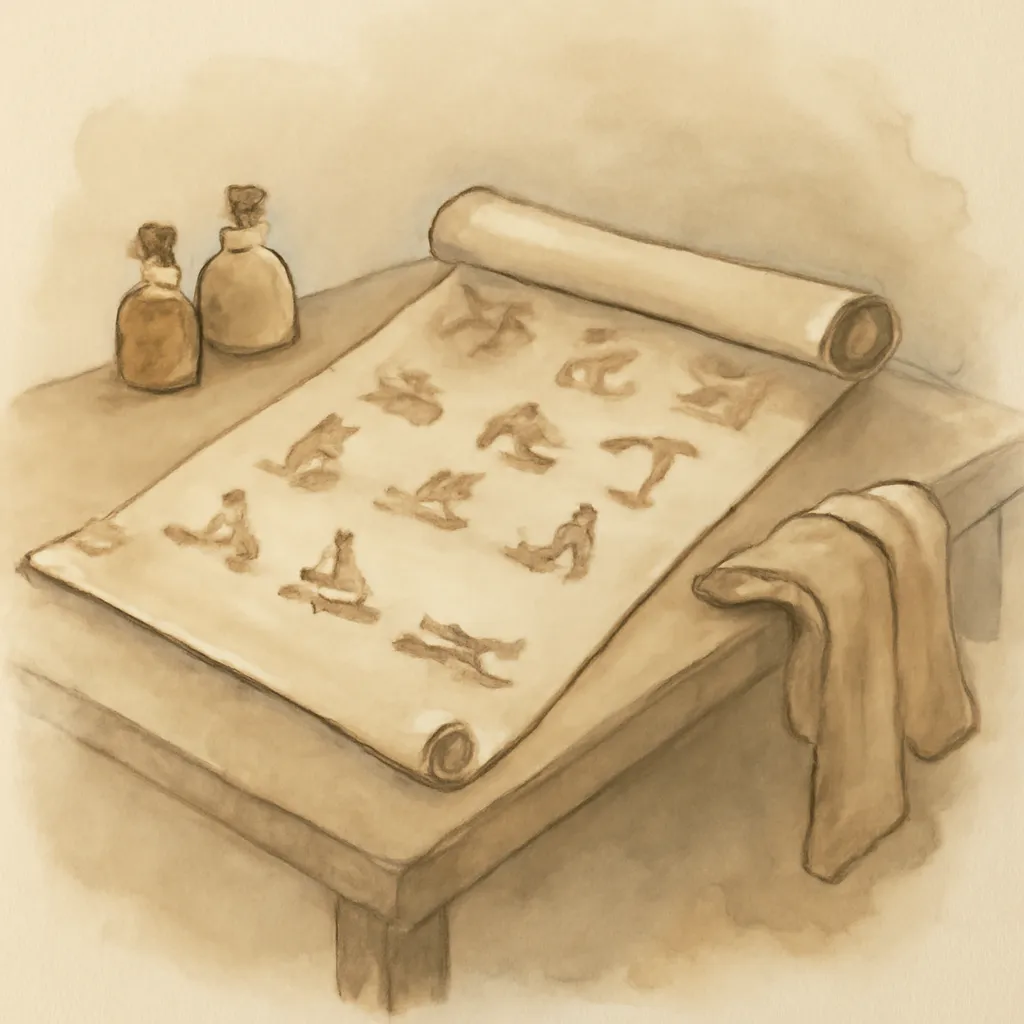
The Kama Sutra is renowned for its detailed exploration of sexual techniques and variations, which are presented as integral to enhancing intimacy and pleasure. Vatsyayana categorizes various forms of sexual interaction, including embraces, kisses, and positions, each designed to maximize emotional and physical satisfaction. He encourages couples to explore these techniques creatively, promoting a sense of adventure in their sexual experiences. For instance, he outlines different types of kisses and embraces, illustrating how each can convey unique emotions and deepen the connection between partners. This exploration of sexual variety not only serves to enrich the physical experience but also encourages couples to engage in mutual exploration, fostering a playful and dynamic intimacy that can evolve over time. Vatsyayana teaches that sexual fulfillment is not just a biological necessity but an art that can be honed through understanding and creativity, enhancing both partners' experiences.
10.The Role of the Courtesan
The inclusion of courtesans in the Kama Sutra provides a critical perspective on the complexities of desire and social status. Vatsyayana acknowledges the courtesan's unique position within society, recognizing their influence and expertise in the arts of seduction and emotional engagement. He details the strategies employed by courtesans to attract and maintain lovers, illustrating the intricate dance of power and desire that often exists in such relationships. Through their portrayal, Vatsyayana underscores the idea that love and desire are multifaceted, transcending social strata. Courtesans are depicted as skilled in navigating their relationships, using emotional intelligence to enhance their appeal and ensure their livelihood. Furthermore, the text examines the emotional labor courtesans engage in, suggesting that their role involves not only physical intimacy but also the provision of companionship and understanding. This examination of courtesans emphasizes that the dynamics of love and intimacy are not confined to traditional marriages but exist across various social contexts, reflecting the universal nature of desire.
11.Creating a Loving Environment
Vatsayayana stresses the significance of creating a nurturing and inviting environment for love to thrive. He provides detailed descriptions of ideal living spaces that facilitate emotional intimacy, emphasizing the importance of cleanliness, beauty, and sensory pleasure. The text suggests incorporating gardens, pleasant scents, and aesthetically pleasing furnishings as vital components of a loving household. For example, the arrangement of spaces is highlighted as a way to promote affection and comfort between partners. Vatsyayana suggests that a well-organized and beautiful living space can significantly enhance the emotional connection between partners, illustrating that love is not only about personal interactions but is also influenced by the environment in which it is fostered. The atmosphere of a home can evoke feelings of warmth and safety, allowing partners to express their affection freely and encouraging deeper emotional bonding.