1.The Allure of Adventure
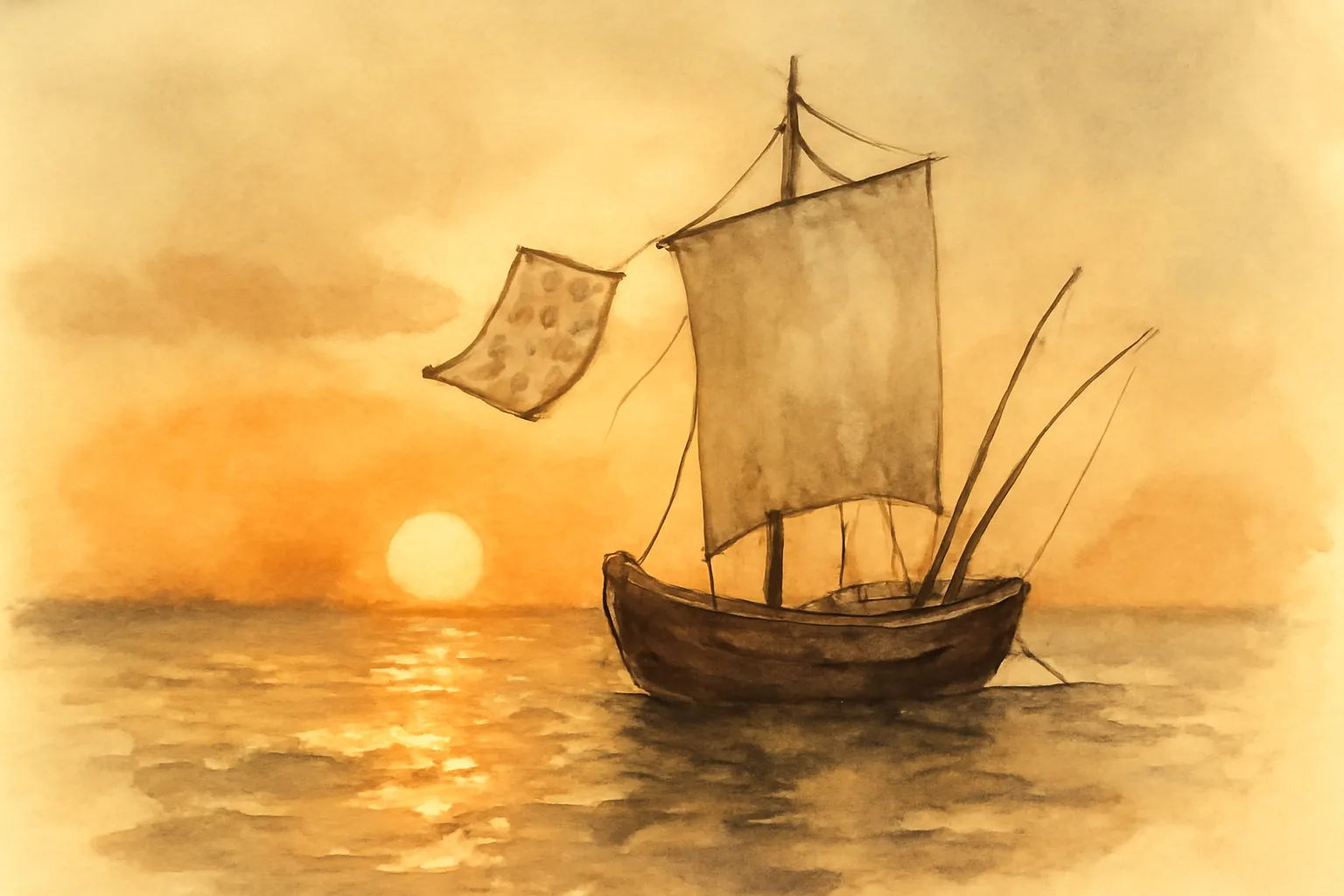
The protagonist's initial encounter with the pirates serves as a catalyst for his journey into a world of adventure. As he sits by the river, absorbed in his fly-fishing, the sudden appearance of the pirates jolts him from his mundane existence. This moment signifies a break from routine and the beckoning of adventure. The protagonist’s transition from a man of leisure to a participant in pirate escapades illustrates the enchanting pull of adventure that often lies just beyond the horizon of our everyday lives. Hough uses this interaction to highlight how quickly life can change and how the call of adventure can awaken dormant dreams and desires. The protagonist’s willingness to engage with the pirates reflects a universal longing for escapism and excitement that many experience in their own lives.
2.Youth and Imagination
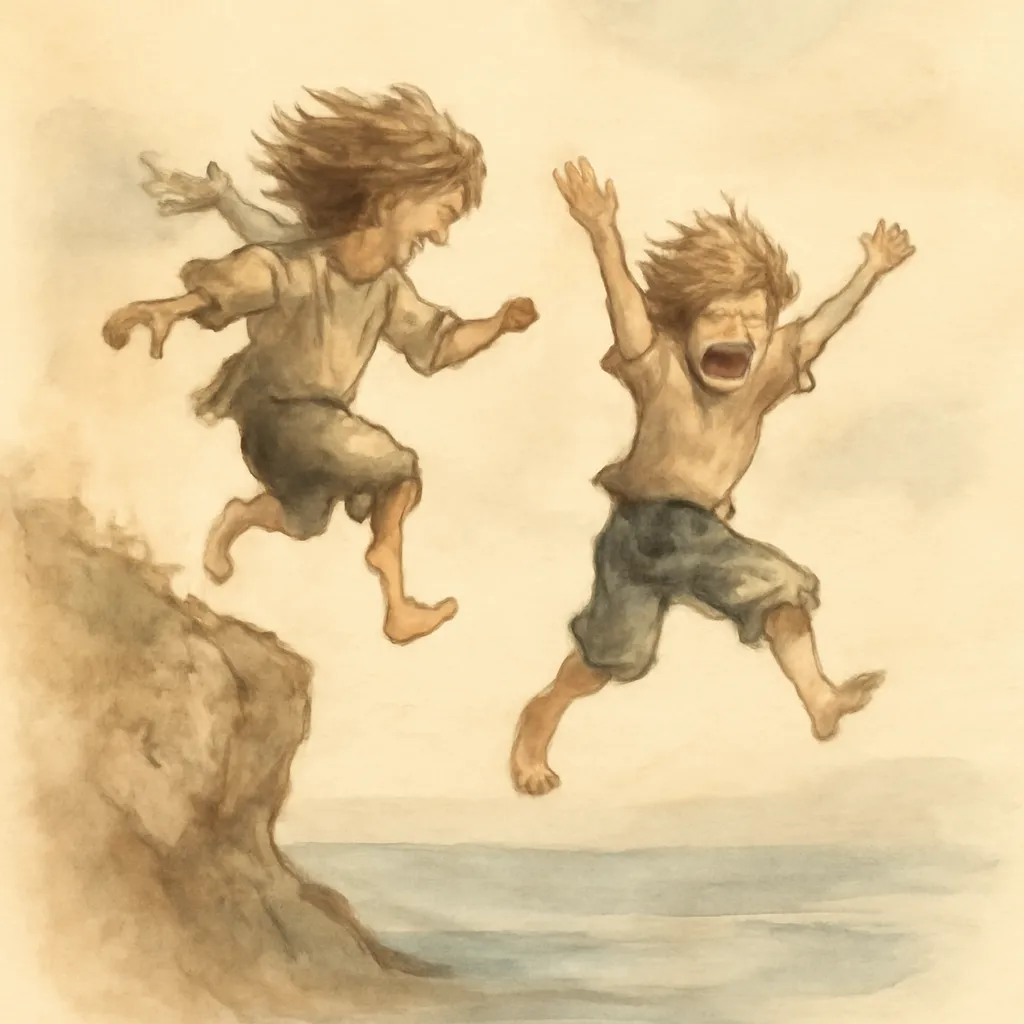
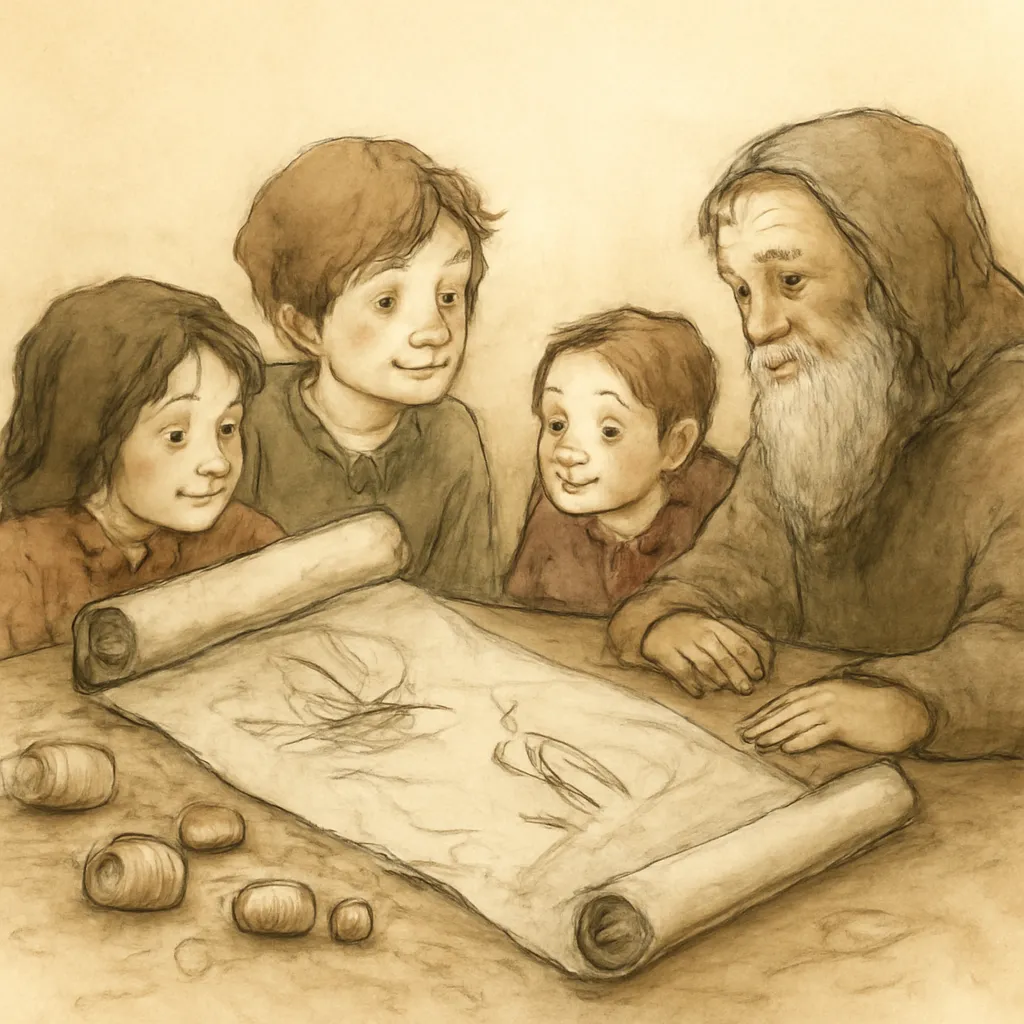
The spirited nature of the young pirates, Jean Lafitte and Henri L'Olonnois, embodies the essence of youth and the power of imagination. Their carefree attitude and vivid dreams of piracy contrast sharply with the protagonist’s more restrained adult life. Hough masterfully juxtaposes the innocence and idealism of youth with the weight of adult responsibilities, showcasing how the former can inspire the latter. The boys' playful banter and imaginative play not only provide comic relief but also serve as a reminder of the joy that comes from unrestrained creativity. As the protagonist interacts with them, he begins to shed his cynicism and reembrace the adventurous spirit of his own youth, illustrating the transformative power of youthful exuberance. This theme resonates deeply, encouraging readers to reconnect with their own dreams and the imagination that once fueled them.
3.The Nature of Freedom
Freedom emerges as a central theme throughout the narrative, particularly in the context of the protagonist's journey. Initially a man bound by societal expectations and personal losses, he finds himself liberated by the spontaneity of his new companions. The pirates, unencumbered by the constraints of conventional life, embody a form of freedom that is both intoxicating and challenging. As they navigate the waters, the protagonist grapples with what freedom truly means to him. Is it the ability to roam without care, or does it involve deeper connections with others? Hough explores this complex notion by placing the protagonist in situations where he must choose between the allure of freedom and the responsibilities that come with it. This exploration leads to a richer understanding of freedom as not merely the absence of constraints but rather the presence of meaningful choices and relationships.
4.The Role of Love
Love, particularly unrequited love, plays a significant role in shaping the protagonist's actions and motivations. Throughout the story, he grapples with his feelings for Helena Emory, a beautiful woman who represents both a dream and a source of heartache for him. His longing for Helena serves as a driving force, pushing him toward adventure and self-discovery. Hough deftly illustrates how love can inspire courage and lead to unexpected choices, as the protagonist's desire to impress Helena influences his decision to join the pirates. The interplay between love and adventure reveals the complexities of human emotion and the ways in which love can simultaneously empower and complicate one's life. Hough's treatment of love invites readers to reflect on their own experiences and the ways in which love shapes their paths.
5.The Importance of Companionship
The bond formed between the protagonist and the young pirates highlights the significance of companionship in navigating life's challenges. As they embark on their adventures, the camaraderie between them becomes a source of strength and joy. Hough emphasizes how shared experiences can forge deep connections, transforming strangers into allies. The protagonist, initially isolated in his own world, finds solace and purpose in the company of Lafitte and L'Olonnois. Their playful interactions and mutual support create a sense of belonging that enriches their journey. This theme underscores the idea that relationships, whether formed in moments of adventure or quiet reflection, are essential to the human experience. The story encourages readers to cherish the bonds they create and recognize the value of companionship in their own adventures.
6.Rediscovering Identity
As the protagonist engages with the pirates and embarks on a series of escapades, he begins to rediscover his own identity. Initially defined by his wealth and societal status, he finds a new sense of self through his interactions with the youthful pirates. The journey becomes one of self-exploration, as he sheds the expectations placed upon him and embraces a more authentic version of himself. Hough illustrates this transformation through the protagonist's evolving perspective on life and adventure. He learns to value experiences over material possessions, leading to a profound shift in his understanding of happiness. This theme of rediscovering identity resonates with readers, prompting them to consider their own journeys of self-exploration and the ways in which adventure can reshape one's understanding of who they are.
7.The Tension Between Adventure and Responsibility
A recurring tension in the narrative lies between the allure of adventure and the responsibilities that accompany adult life. The protagonist’s initial reluctance to join the pirates reflects this inner conflict, as he balances his desire for excitement with the expectations of his life. Hough skillfully portrays this struggle, highlighting how the call of adventure can be both exhilarating and daunting. The protagonist's experiences with the pirates serve as a reminder that while adventure can provide a temporary escape, it also comes with consequences. This tension challenges readers to consider their own lives and the ways in which they navigate the competing demands of duty and desire. Ultimately, Hough suggests that embracing adventure does not mean abandoning responsibility, but rather finding a way to harmonize the two.
8.The Power of Storytelling
Throughout the narrative, storytelling emerges as a powerful tool for connection and understanding. The protagonist and the pirates share tales of their lives, dreams, and adventures, creating a rich tapestry of experiences that binds them together. Hough emphasizes the importance of storytelling as a means of forging relationships and fostering empathy. As the characters exchange stories, they not only entertain one another but also gain insights into each other's lives. This theme underscores the idea that storytelling transcends boundaries, allowing individuals to connect on a deeper level. Readers are reminded of the transformative power of narratives, both in literature and in their own lives, as they explore the ways in which stories shape our understanding of ourselves and others.
9.Navigating the Waters of Life
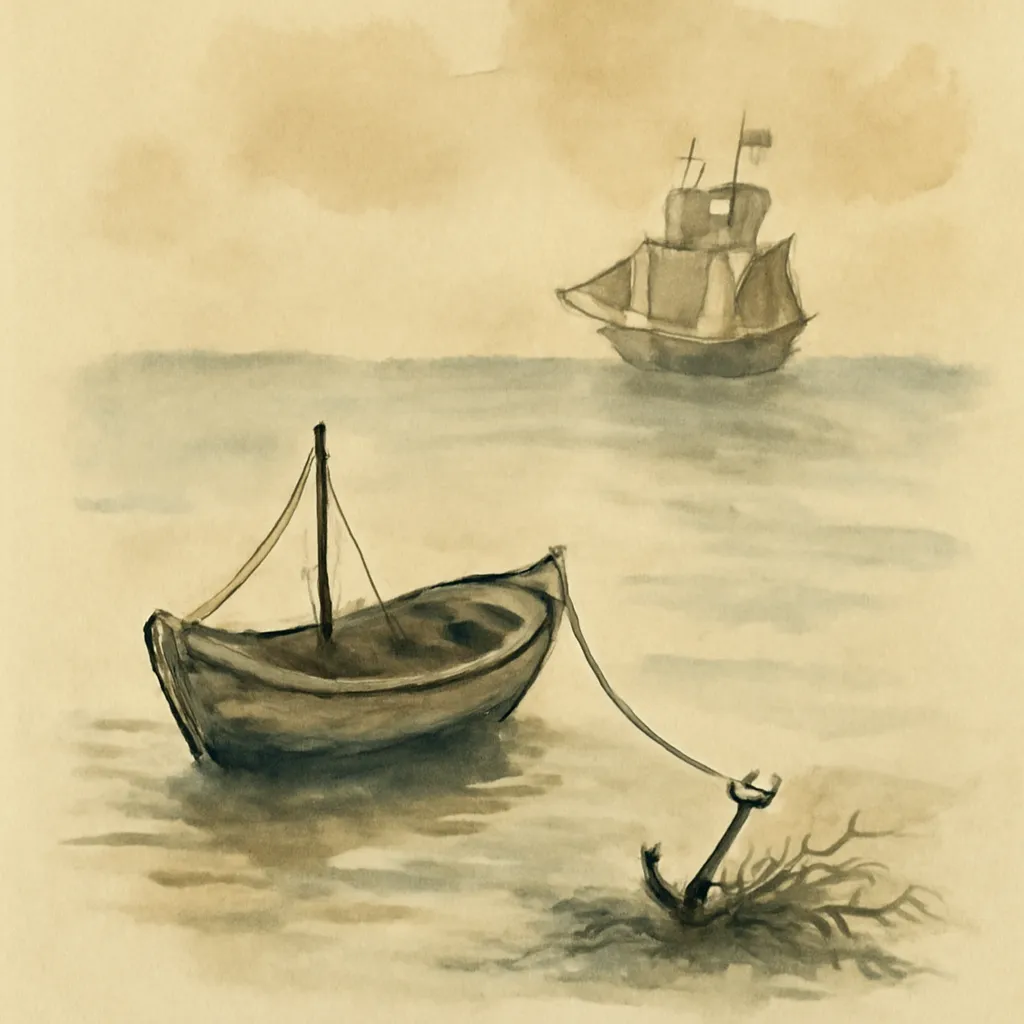
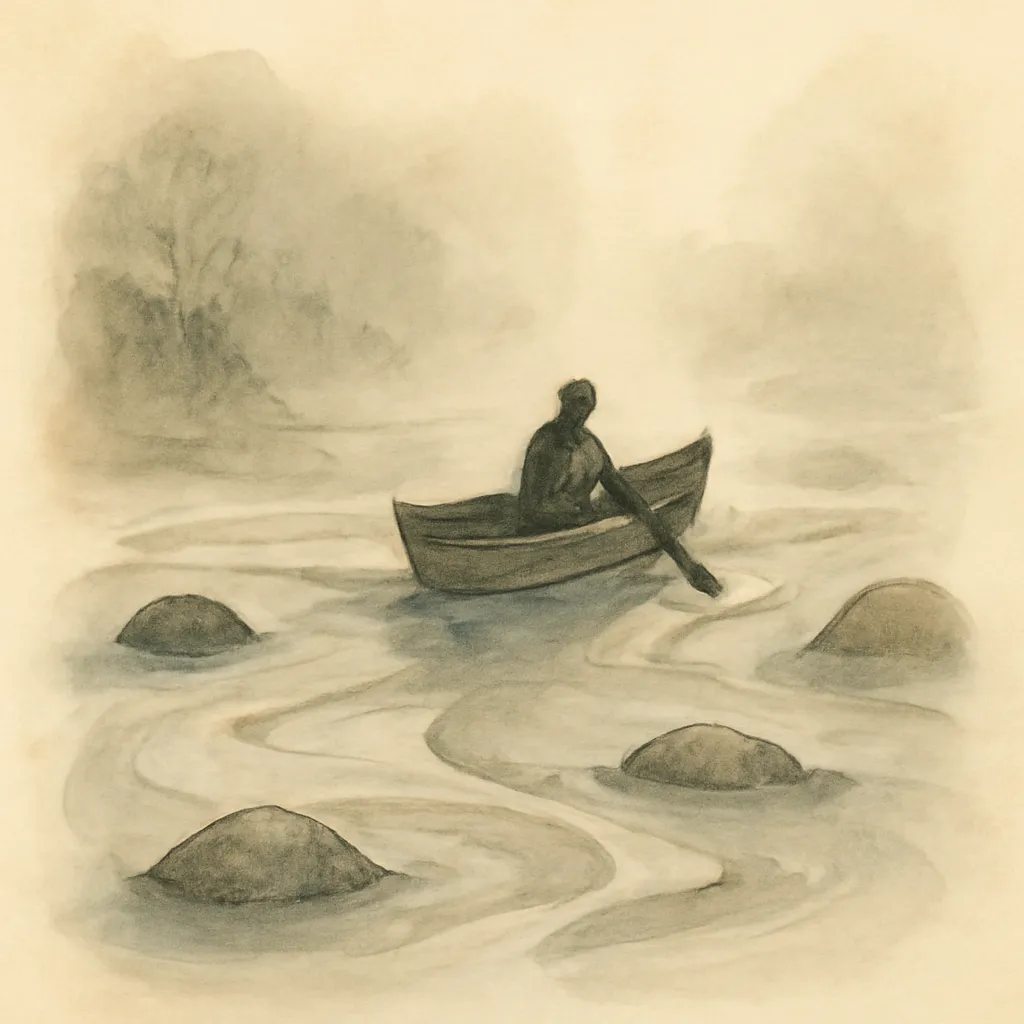
The journey down the river serves as a metaphor for the protagonist's navigation through life. As they encounter obstacles and unexpected turns, the characters learn to adapt and persevere. Hough uses the river's meandering path to symbolize the unpredictability of life, illustrating how it is often the journey itself that shapes us rather than the destination. The protagonist's experiences on the river mirror the challenges faced in adulthood, where choices must be made, and risks must be taken. This theme encourages readers to embrace the uncertainties of life and to find meaning in the journey, regardless of the outcome. Hough's portrayal of the river as both a physical and metaphorical landscape invites contemplation on the nature of life and the importance of resilience.
10.The Intersection of Dreams and Reality
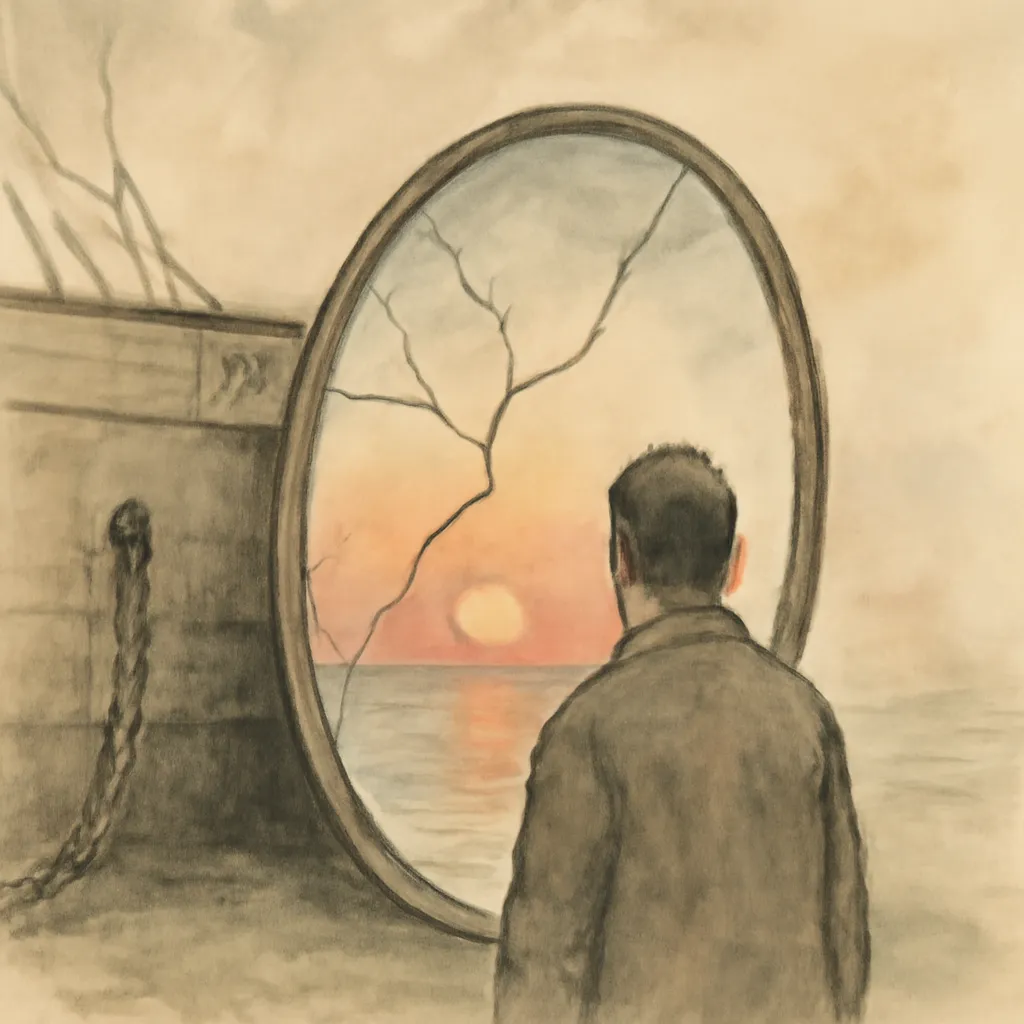
As the protagonist immerses himself in the world of piracy, the line between dreams and reality begins to blur. Hough explores the tension between the idealized vision of adventure and the harsh truths that accompany it. The protagonist's romantic notions of piracy are challenged by the realities of danger and moral ambiguity. This intersection of dreams and reality serves as a poignant reminder that while aspirations can inspire us, they must be tempered by the complexities of life. Hough's nuanced portrayal of this theme encourages readers to reflect on their own dreams and the ways in which they navigate the challenges of bringing them to fruition. Ultimately, the story emphasizes the importance of grounding our dreams in reality while still daring to chase them.