1.The Setting as a Character
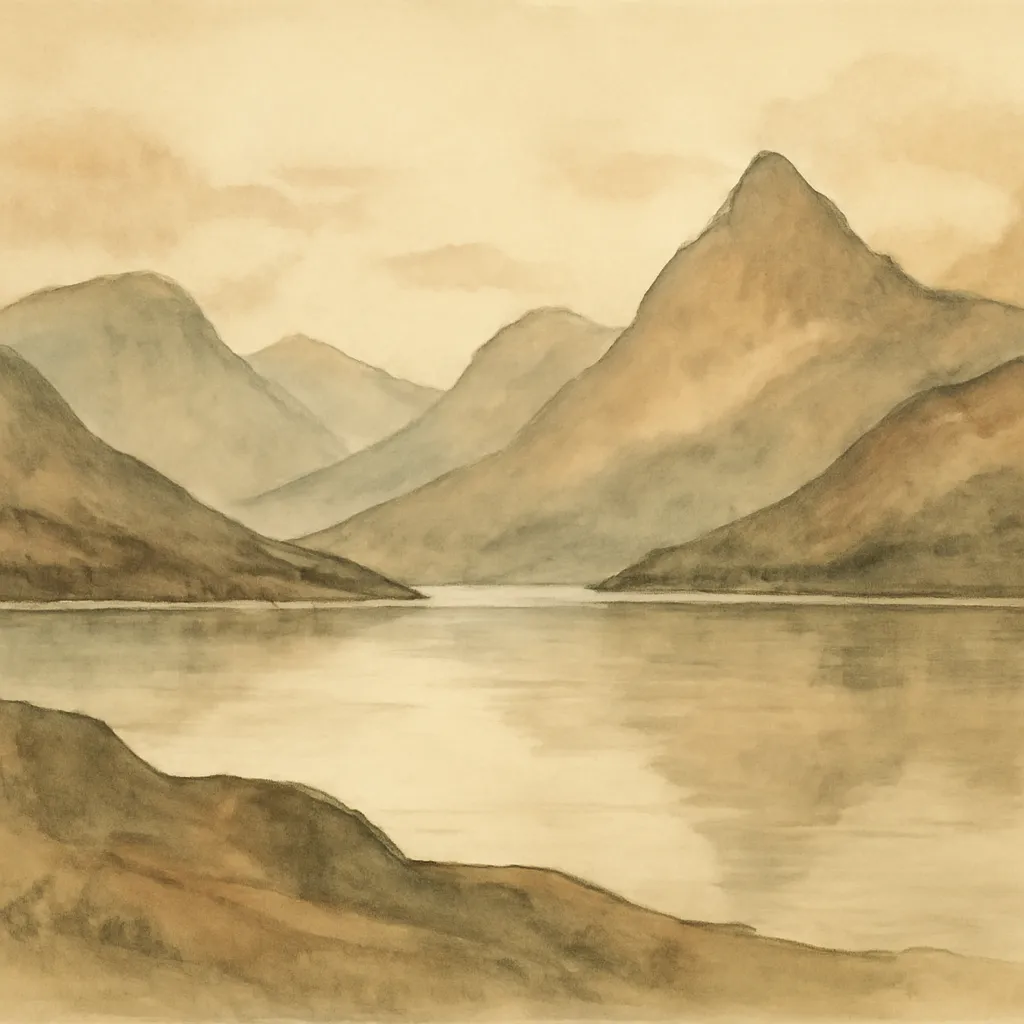
The landscapes of Scotland, particularly the Trossachs and Loch Katrine, are not just backdrops but integral to the narrative. Scott's detailed descriptions of the mountains, lakes, and forests evoke a sense of place that enhances the emotional stakes of the story. The stag hunt in the opening stanzas serves as a metaphor for the chase of love and honor, where the natural world reflects the inner turmoil of the characters. The rugged beauty of the Highlands mirrors the fierce pride and tumult of the clans, setting a stage where personal and political conflicts intertwine. For instance, when the stag is pursued, it symbolizes not only a physical hunt but the struggle for personal and familial honor, making the landscape an active participant in the characters' journeys. This geographical immersion allows readers to feel the pulse of the land and its people, making the setting a living, breathing character that shapes the narrative's direction.
2.The Hero's Journey of James Fitz-James
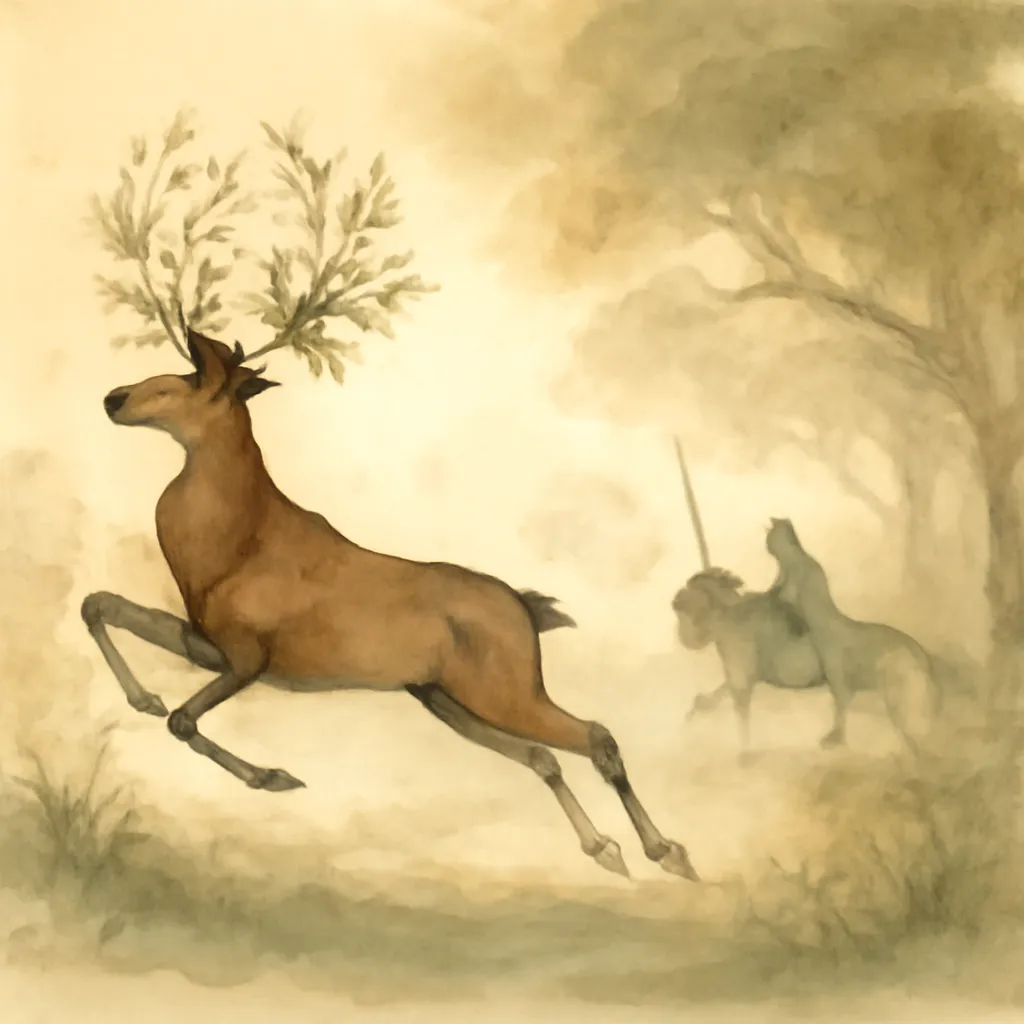
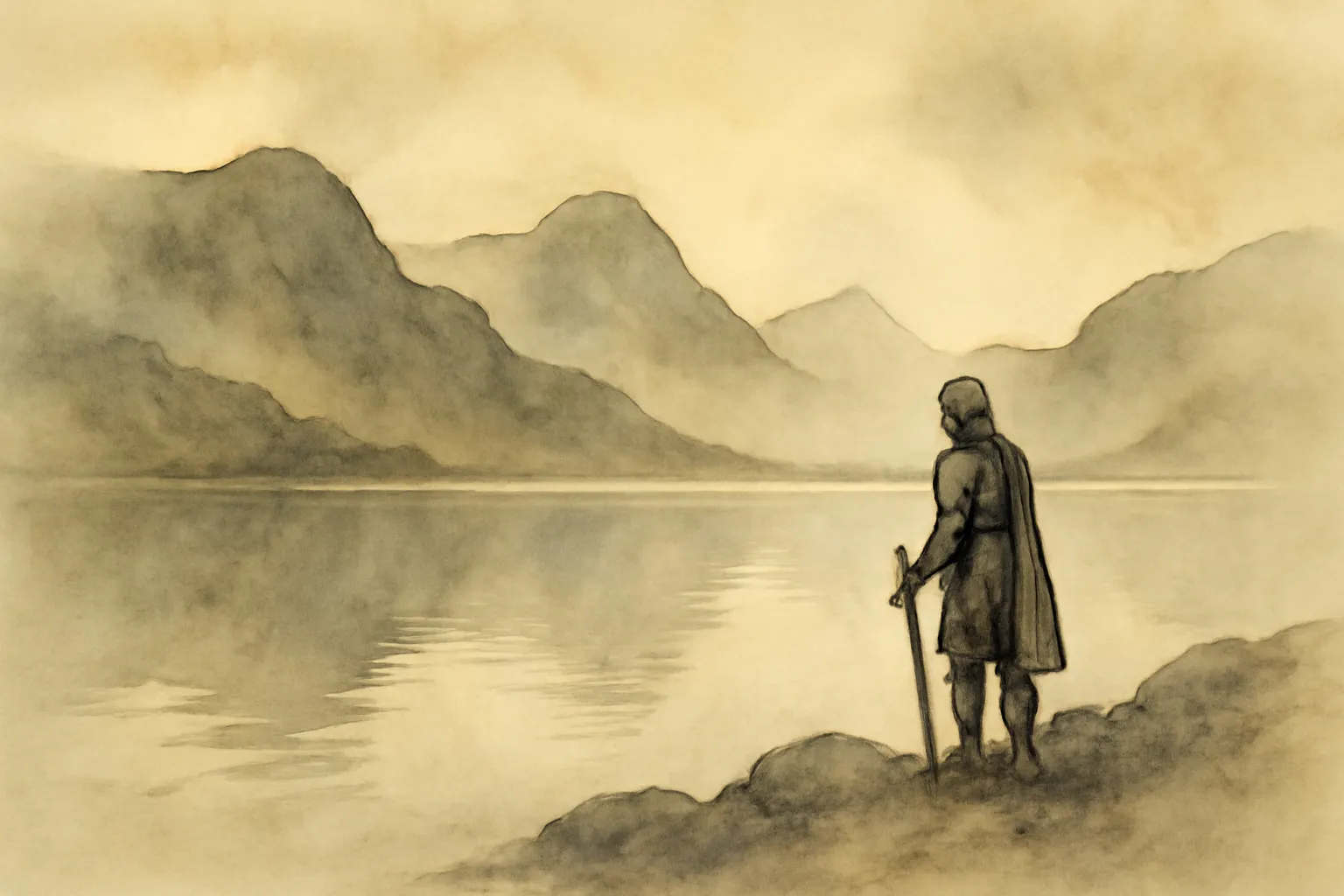
James Fitz-James, the knight and protagonist, embarks on a classic hero's journey filled with trials that test his valor and resolve. His pursuit of the noble stag symbolizes not only a physical hunt but also a quest for love and identity. As he navigates the treacherous landscapes and encounters various characters, his character evolves from a mere hunter to a figure of nobility. The challenges he faces, including the fierce loyalty of the clans and the personal turmoil arising from his feelings for Ellen Douglas, highlight his growth. For example, when Fitz-James loses his horse and must continue the chase on foot, it serves as a pivotal moment showcasing his determination and courage. His willingness to confront danger for love underscores the theme of honor, which is central to the Scottish ethos portrayed in the poem. Fitz-James embodies the ideals of chivalry and bravery, making his journey resonate with timeless themes of love and sacrifice, as he strives to prove himself worthy of Ellen’s affection.
3.Ellen Douglas: The Idealized Maiden
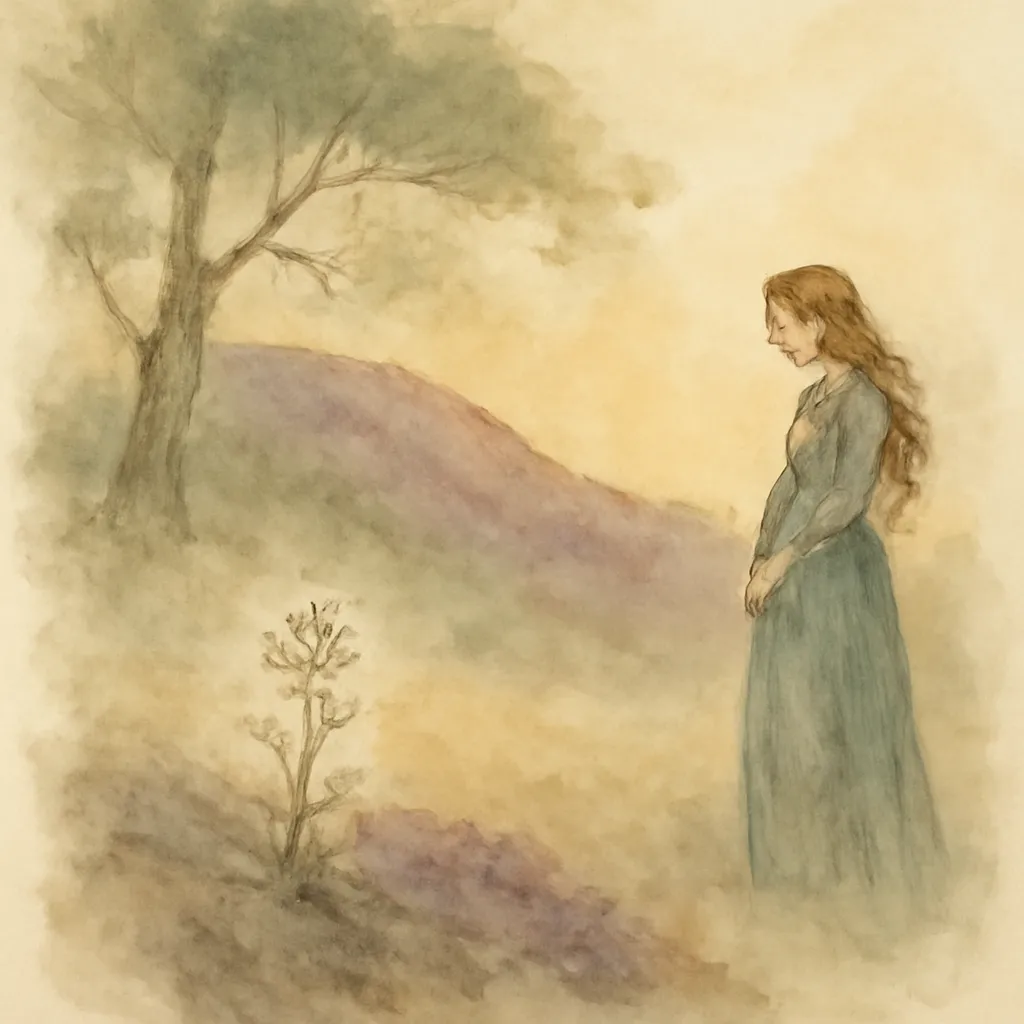
Ellen Douglas, the titular 'Lady of the Lake,' represents the idealized vision of femininity in a patriarchal society. Her character combines strength, beauty, and loyalty, making her a pivotal figure in the narrative. Throughout the poem, Ellen is portrayed as a source of inspiration and motivation for the male characters, particularly James Fitz-James. Despite the dangers surrounding her, including the threats posed by Roderick Dhu and the political strife, Ellen remains steadfast and resilient. Her internal struggles and desires reflect the constraints placed upon women during Scott's time as she grapples with her loyalty to her family and her feelings for Fitz-James. Ellen's character challenges the traditional damsel-in-distress trope by actively participating in her fate rather than being a passive object of desire; her quick thinking and bravery during crucial moments highlight her agency. For instance, her ability to navigate between her family's loyalty and her love for Fitz-James showcases her complexity and depth, making her a memorable and relatable figure in the tale.
4.Themes of Loyalty and Betrayal
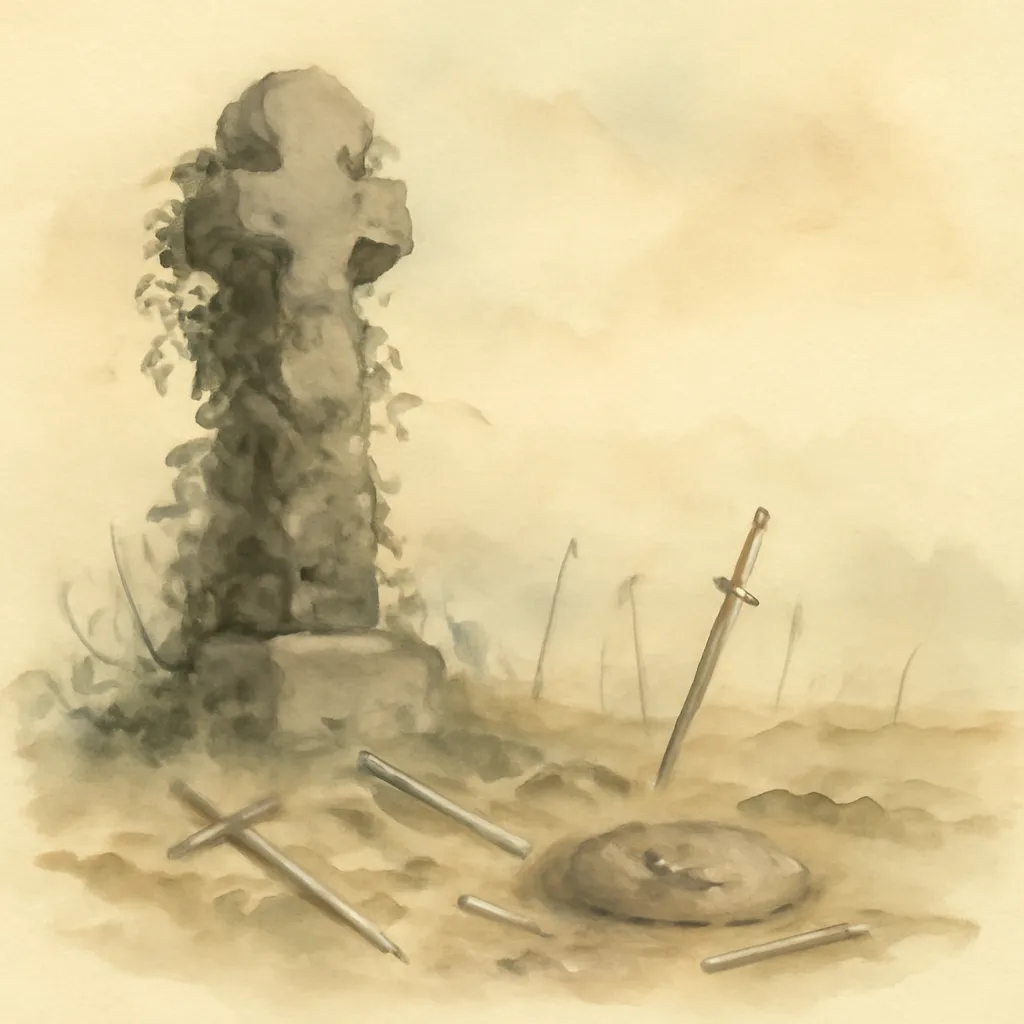
Loyalty is a cornerstone theme in 'The Lady of the Lake,' manifesting through the relationships between clans, family members, and romantic partners. The fierce loyalty of the Highland clans is depicted through characters' readiness to defend their honor and kin. Roderick Dhu, the chieftain of Clan Alpine, embodies this theme as he navigates the political landscape while fiercely protecting his clan's interests. However, the poem also explores the darker aspects of loyalty, such as betrayal and the consequences of blind allegiance. The tension between personal desires and clan loyalty creates a rich narrative conflict, prompting readers to question the nature of loyalty in the face of love and duty. For example, Roderick's unyielding loyalty to his clan often blinds him to the needs and desires of others, pushing him toward actions that may lead to conflict. This complexity adds layers to the characters' motivations and actions, making their struggles feel more poignant and relatable.
5.The Role of Prophecy and Fate
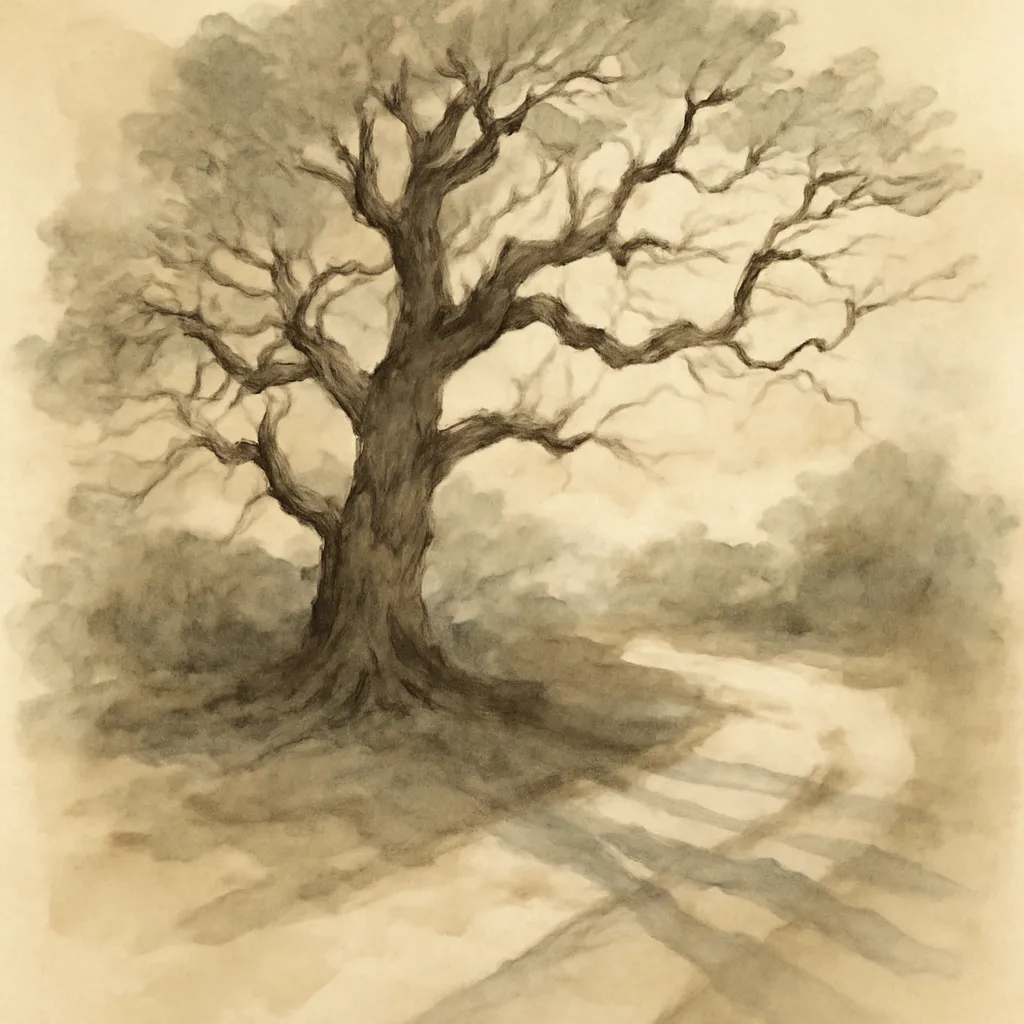
Scott intricately weaves the concepts of prophecy and fate throughout the narrative, suggesting that characters are often bound by forces beyond their control. The foretelling of events, such as Allan-bane's prophecy regarding Fitz-James, adds a sense of inevitability to the unfolding drama. This element of fate raises questions about free will versus destiny, as characters attempt to navigate their paths while grappling with the expectations placed upon them by their clans and society. For instance, Ellen's destiny seems intertwined with that of her family and clan, as her choices are significantly influenced by her lineage and the historical conflicts surrounding her. The interplay of prophecy and individual choice creates a tension that drives the narrative forward, compelling characters to confront their fates. Readers are left to ponder the extent to which their actions shape their destinies and the impact of external forces on personal choices. This philosophical exploration deepens the narrative, prompting reflection on how much control the characters truly possess over their lives.
6.The Clash of Cultures: Highland vs. Lowland
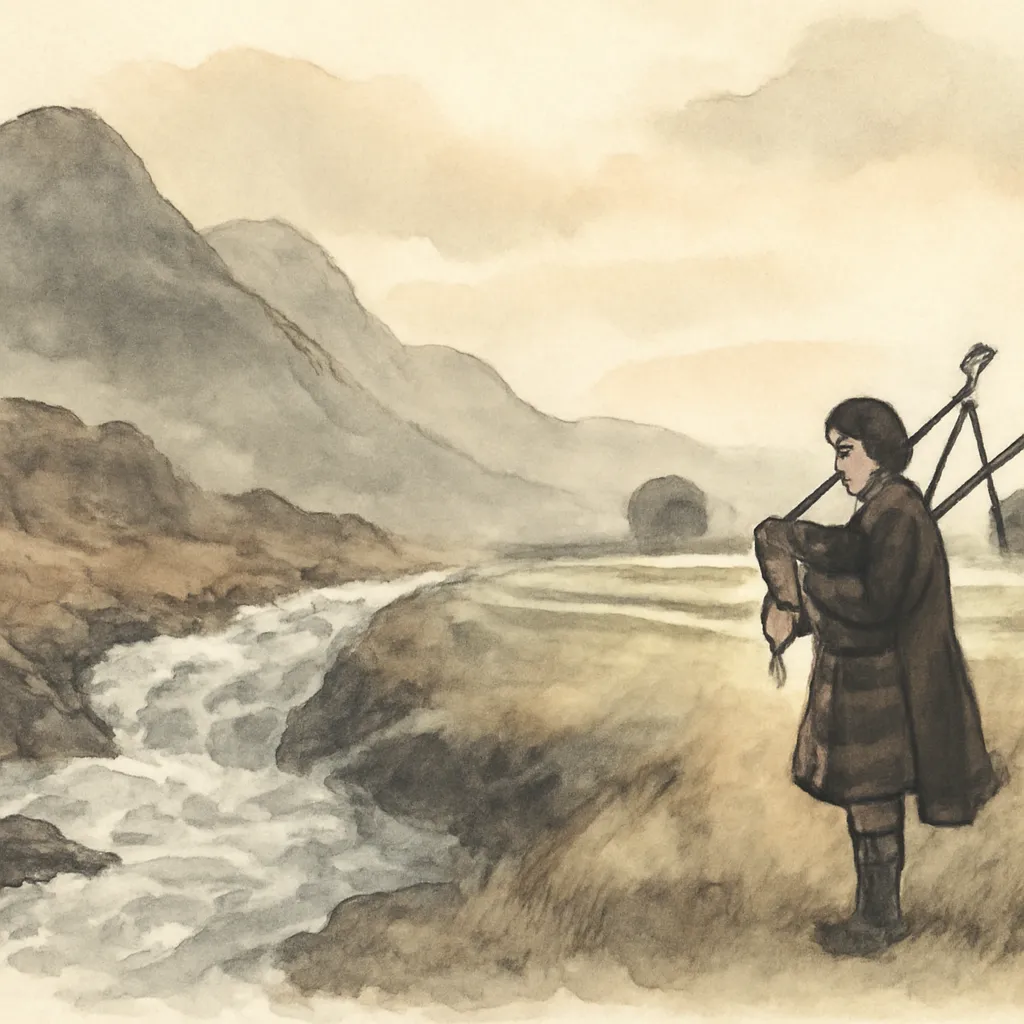
The poem presents a vivid contrast between Highland and Lowland cultures, reflecting the historical tensions between these regions in Scotland. The Highlanders, represented by Roderick Dhu and his clan, embody a fierce independence and a deep connection to the land and its traditions. In contrast, Fitz-James represents the Lowland perspective, which is often characterized by a more diplomatic and refined approach. This cultural clash is exemplified in the differing attitudes toward honor, loyalty, and warfare, showcasing the complexities of Scottish identity. Scott uses this dichotomy to explore themes of belonging and the struggle for autonomy, as characters navigate their allegiances while confronting the realities of their heritage. The interactions between Fitz-James and Roderick serve as a microcosm of this tension, where personal honor and clan loyalty often come into conflict. By highlighting these cultural differences, Scott enriches the narrative, providing a backdrop for the characters' personal journeys that is both historical and culturally significant.
7.Nature as a Reflection of Emotion
Scott employs the natural landscape not only as a setting but also as a reflection of the characters' emotional states. The changing weather, the rugged terrain, and the serene beauty of the lakes echo the tumultuous feelings of love, loss, and longing experienced by the characters. For instance, when Fitz-James is in pursuit of the stag, the surrounding landscape mirrors his determination, while moments of tranquility on Loch Katrine reflect his introspective feelings towards Ellen. By intertwining nature and emotion, Scott creates a palpable atmosphere that allows readers to engage deeply with the characters' inner lives. This connection between the external environment and the characters' internal struggles evokes a strong sense of empathy, as readers can feel the weight of the characters' burdens and joys. Thus, nature serves as a crucial narrative device, enhancing the emotional depth of the poem and reinforcing the themes of love and conflict.
8.The Symbolism of the Stag
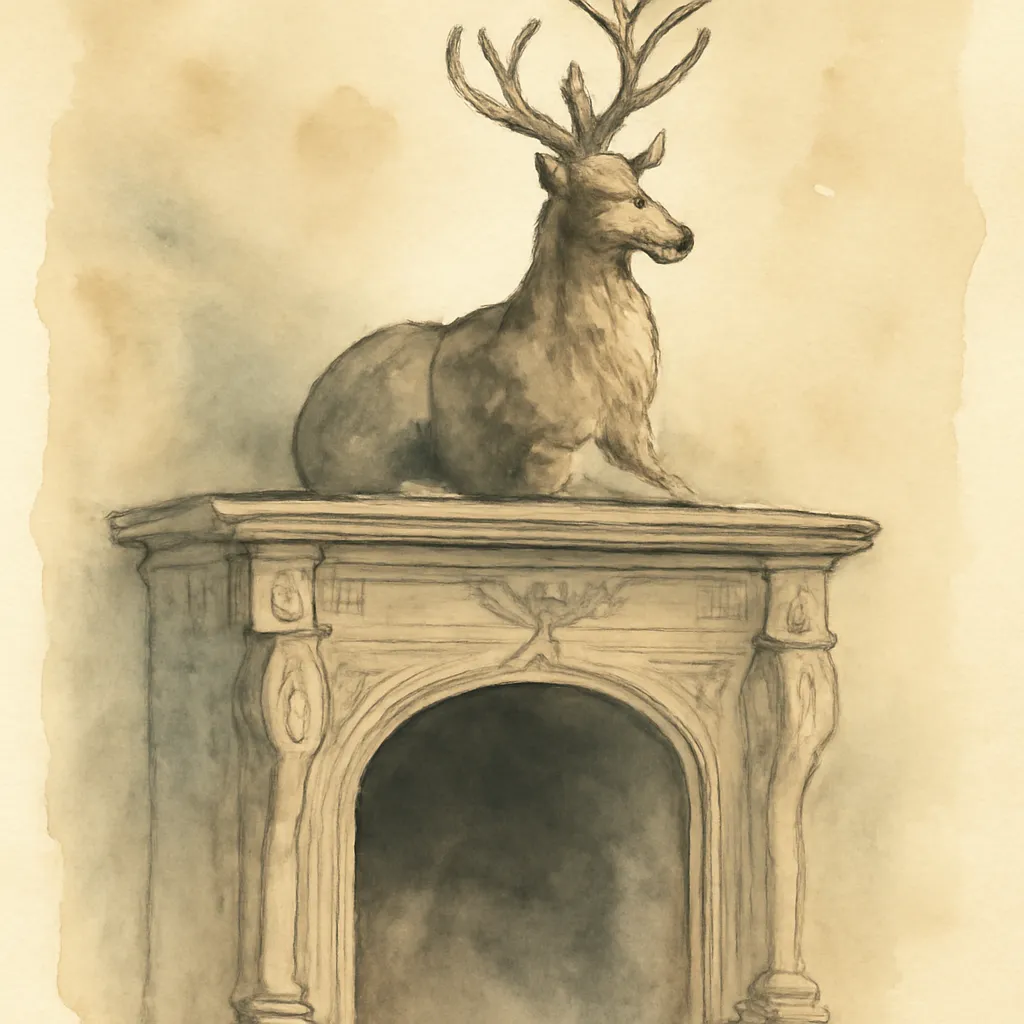
The stag serves as a multifaceted symbol throughout the poem, representing both the ideal of the noble hunt and the elusive nature of love and honor. The pursuit of the stag by Fitz-James and the hunting party symbolizes the quest for personal and familial honor, while also reflecting the themes of life and death inherent in the chase. The stag's eventual escape can be seen as a metaphor for the unattainable nature of true love and the complexities of human emotion. Additionally, the stag's majestic presence in the Scottish Highlands connects the characters to their land, reinforcing the bond between identity and place. This symbolism enriches the narrative, prompting readers to consider the deeper meanings behind the hunt and the characters' motivations. The stag, as both a prize and a symbol of freedom, encapsulates the tension between desire and duty that permeates the poem.
9.The Power of Song and Storytelling
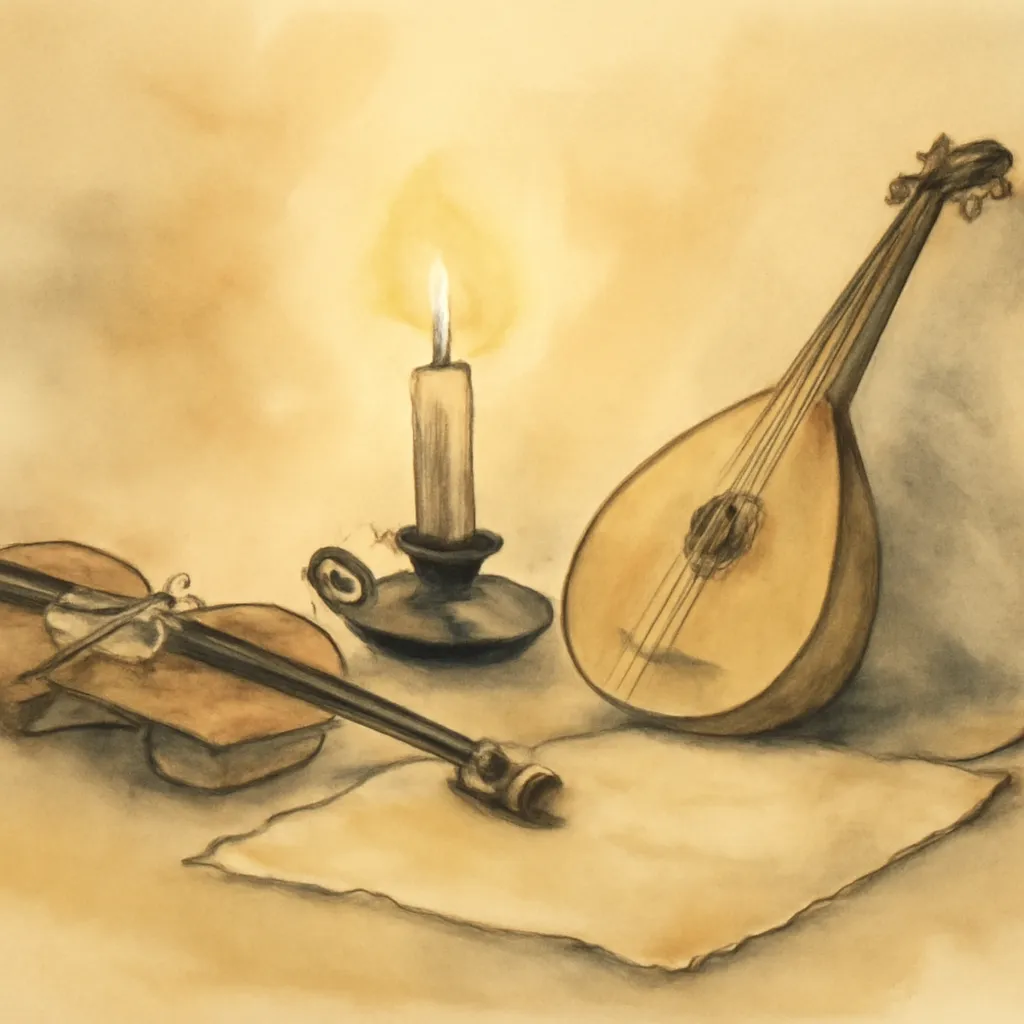
Music and poetry play a crucial role in 'The Lady of the Lake,' serving as vehicles for memory, history, and identity. The character of Allan-bane, the minstrel, embodies the tradition of oral storytelling, preserving the past through song. His ability to evoke emotions and memories through music highlights the power of art to connect individuals to their heritage and culture. Scott emphasizes the importance of storytelling in shaping identity, as characters recount tales of bravery and loss that resonate with their experiences. The song sung by Allan-bane not only serves as a narrative device but also as a means of building community among the characters, reinforcing the bonds of kinship and shared history. This thematic exploration of music and narrative underscores the significance of cultural memory, as the characters navigate their present while being deeply influenced by their past. The interplay of song and story enriches the poem, creating a deeper connection between the characters and their cultural landscape, and inviting readers to reflect on their own histories.