1.St. Petersburg: A City of Contrasts
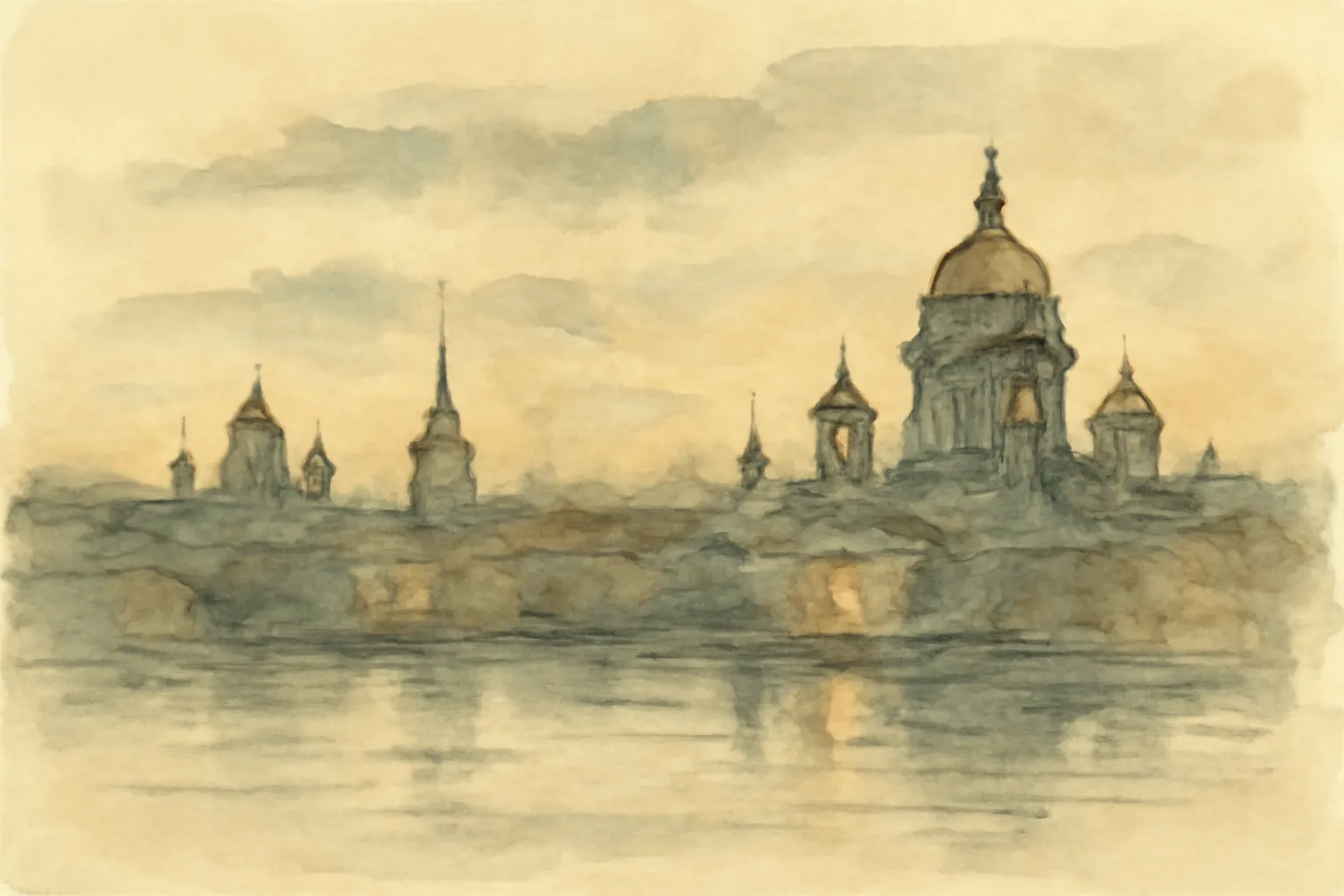
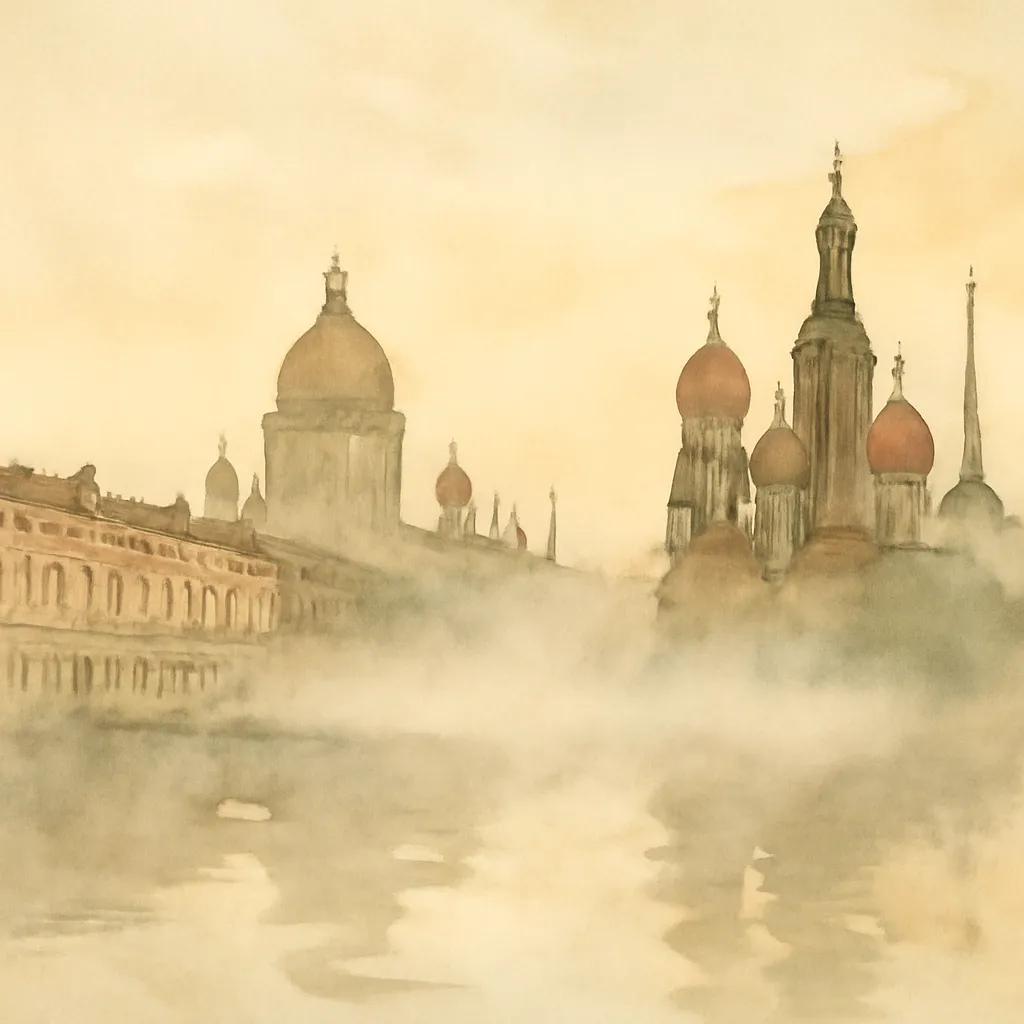
Browne's arrival in St. Petersburg sets the stage for his exploration of a city that is both beautiful and bewildering. He describes the architectural grandeur that echoes European influences, yet lacks a cohesive national identity. The glittering cupolas of churches and the opulence of palaces are juxtaposed against the city's vast, open spaces that create an impression of emptiness. He emphasizes that without a guide, one could easily lose themselves in the sprawling streets, making it difficult to appreciate the finer details of the city’s beauty. Browne's keen eye for detail captures the scattered nature of St. Petersburg, as he reflects on how the grandeur of landmarks like the Winter Palace and Izaak Church diminishes in the absence of contrasting objects. This sense of incongruity becomes a recurring theme as he navigates the city, revealing the complex layers of St. Petersburg's character.
2.Quirky Encounters on the Journey
During his travels, Browne meets a fascinating fellow passenger, a weather-beaten man whose obsession with 'hemp' and relentless drinking habits provide comic relief and insight into the eccentricities of Russian society. This character's strange behavior—talking to himself about the prices of hemp while consuming copious amounts of beer—highlights the peculiarities of the people Browne encounters. His vivid descriptions of this man’s antics serve as a microcosm of the broader Russian experience, where the intersection of humor and hardship is a common thread. Browne's ability to find humor in such situations allows readers to connect with the often bizarre reality of life in Russia, where personal quirks become part of the larger cultural tapestry.
3.Railroads: The Lifeline of Russian Prosperity
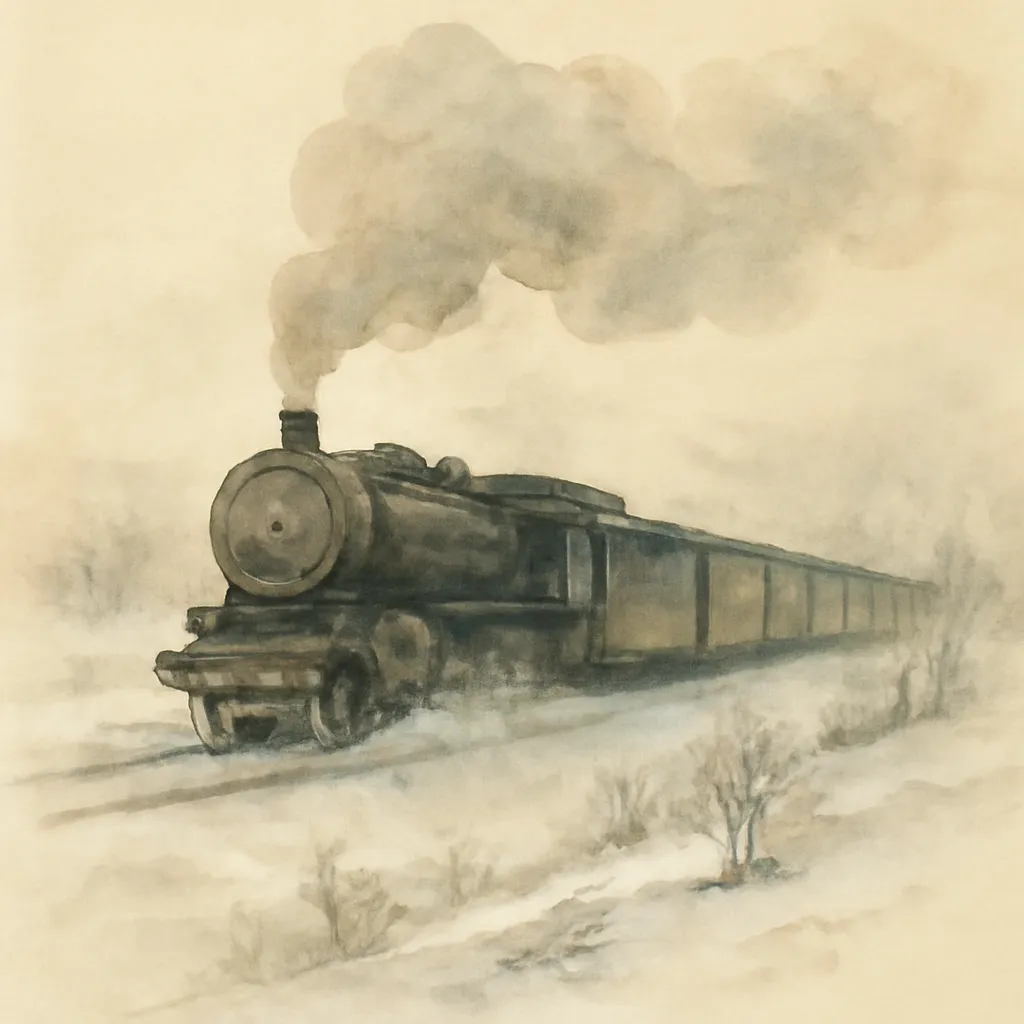
Browne delves into the significance of the St. Petersburg and Moscow Railroad, which he describes as a crucial artery for the country's internal prosperity. The railroad, extending to vital trade centers like Nijni Novgorod, symbolizes Russia's modernization efforts and its ambitions to connect with the broader world. He notes the operational challenges faced by the Russians, who despite their engineering skills, struggle with management and administrative capacities. The reliance on American contractors for the railroad's operations exemplifies the difficulties in balancing local expertise with effective governance. Browne's observations reveal the broader implications of infrastructure development in Russia, reflecting both progress and the persistent challenges of adapting to modernity.
4.Moscow: A Glimpse of Grandeur
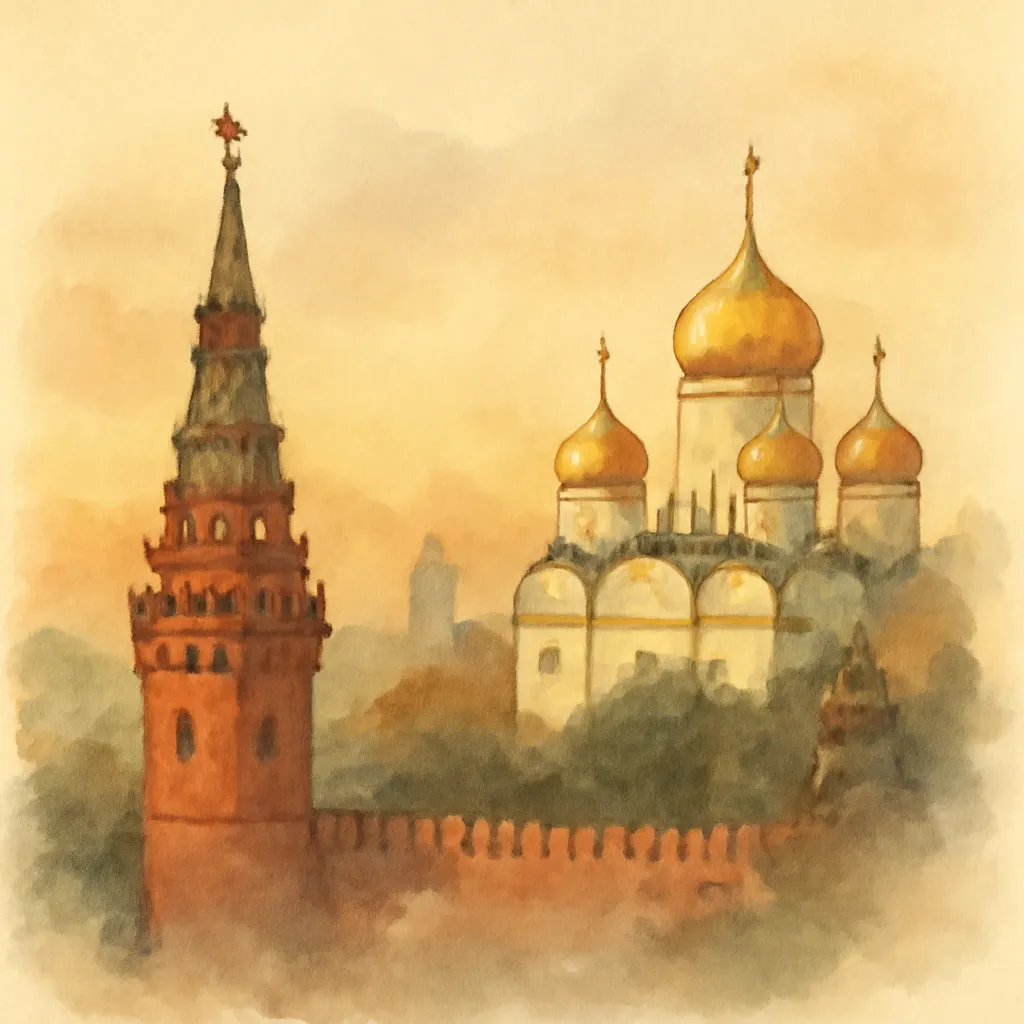
Browne's arrival in Moscow evokes a sense of awe as he gazes upon the iconic Kremlin and its surrounding splendor. His descriptions of the city's golden cupolas and the historical significance of the Kremlin as the heart of Russian power are rich with detail. He paints a vivid picture of the vastness of Moscow, where the architectural beauty is contrasted by the chaotic energy of its streets. The grandeur of the Kremlin, with its palaces and cathedrals, serves as a reminder of Russia's imperial past, while also highlighting the city's role in contemporary Russian life. Browne's reflections on Moscow's beauty and complexity underscore the city's significance not just as a political center but as a cultural and historical symbol of Russia.
5.The Ritual of Tea-Drinking
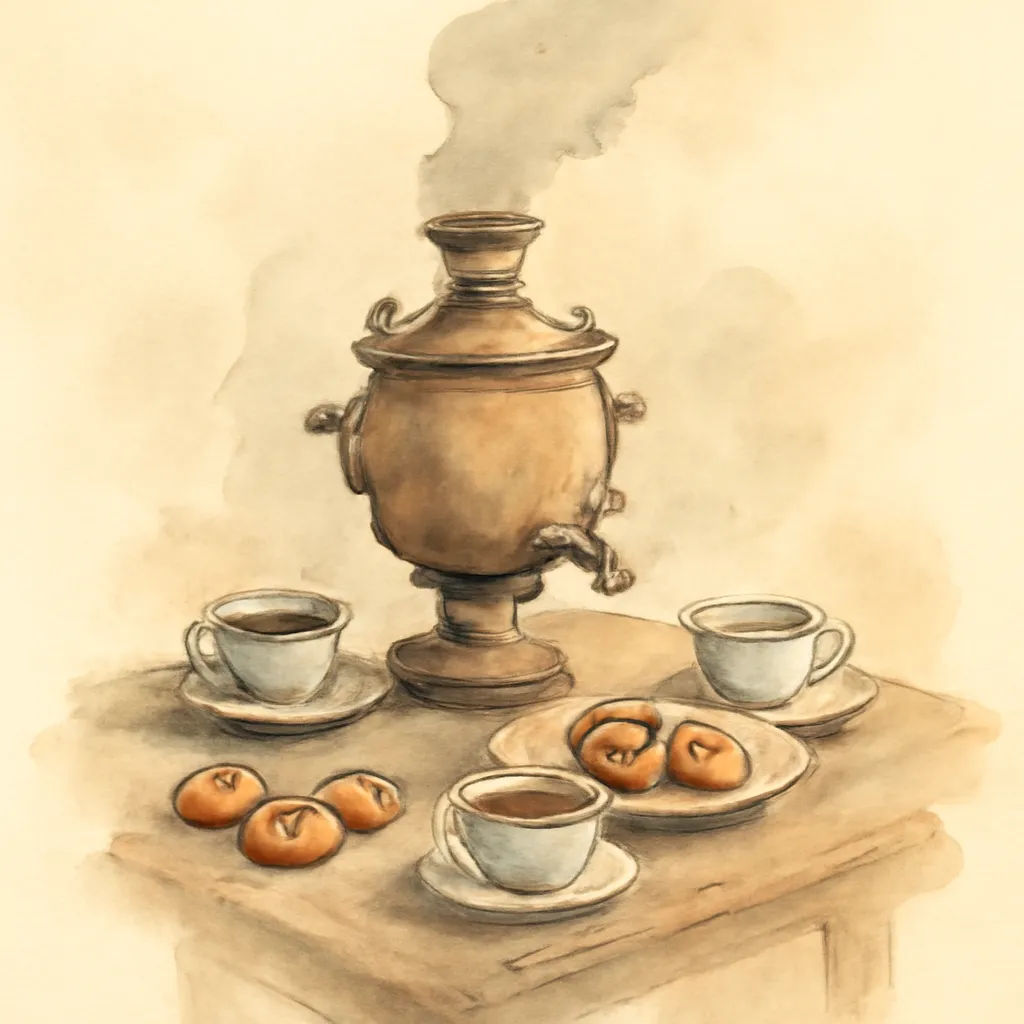
In Russia, tea-drinking is more than a mere beverage; it is a cultural ritual that Browne explores with enthusiasm. He describes the traktirs, or tea-houses, that are central to Russian social life, where people gather to enjoy the renowned Russian tea, rich in flavor and tradition. Browne's reverence for this practice is evident as he details the communal aspects of tea-drinking, where conversations flow as freely as the tea itself. The contrast between Russian tea and coffee further emphasizes the unique cultural identity that tea represents. Browne's appreciation for this ritual reveals the warmth and hospitality inherent in Russian society, inviting readers to savor the experience alongside him.
6.The Peterskoi Gardens: A Haven of Leisure
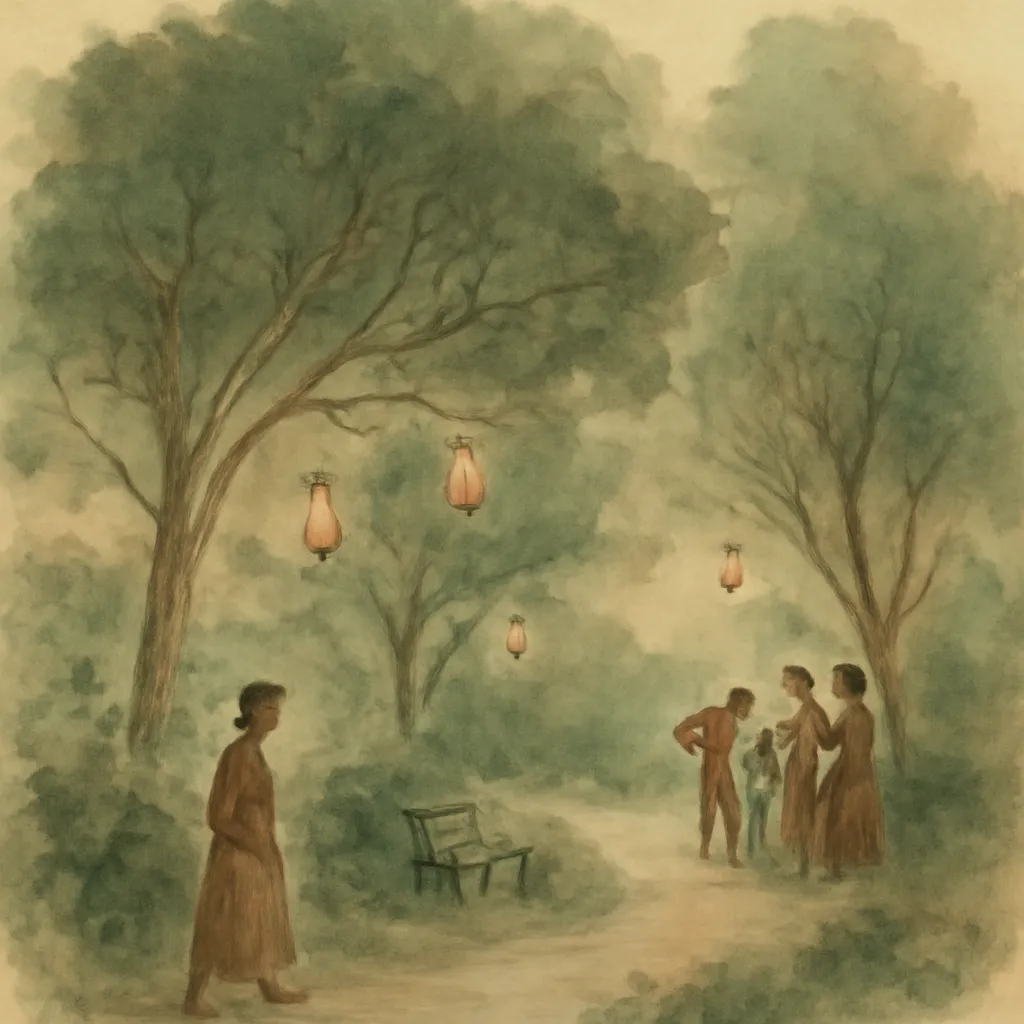
The Peterskoi Gardens emerge as a beloved retreat for Muscovites, where the beauty of nature intertwines with the vibrancy of social life. Browne's evening spent in the gardens is filled with sensory delights—the sounds of music, laughter, and the sights of elegantly dressed citizens enjoying the summer air. This setting becomes a backdrop for moments of romance and leisure, encapsulating the essence of Russian culture. Browne's vivid imagery captures the enchanting atmosphere of the gardens, where the simple pleasures of life are celebrated. His experiences in the Peterskoi Gardens highlight the importance of communal spaces in fostering connections among people and the joy found in shared moments of beauty.
7.Vodka and Russian Culture
Browne's observations on vodka, referred to as 'little water,' reveal a deeper understanding of Russian social customs. He admires the Russians' unabashed love for this intoxicating beverage, which serves as a social lubricant in various gatherings. The presence of intoxicated individuals on the streets becomes a familiar sight, highlighting the cultural acceptance of drinking as part of daily life. Browne's reflections on vodka are not merely about indulgence; they reveal a bond of sympathy with the Russian people, as he recognizes the communal spirit that accompanies drinking. This cultural insight serves as a lens through which readers can appreciate the complexities of Russian social interactions and the role of alcohol in shaping those dynamics.
8.The Markets of Moscow: A Tapestry of Humanity
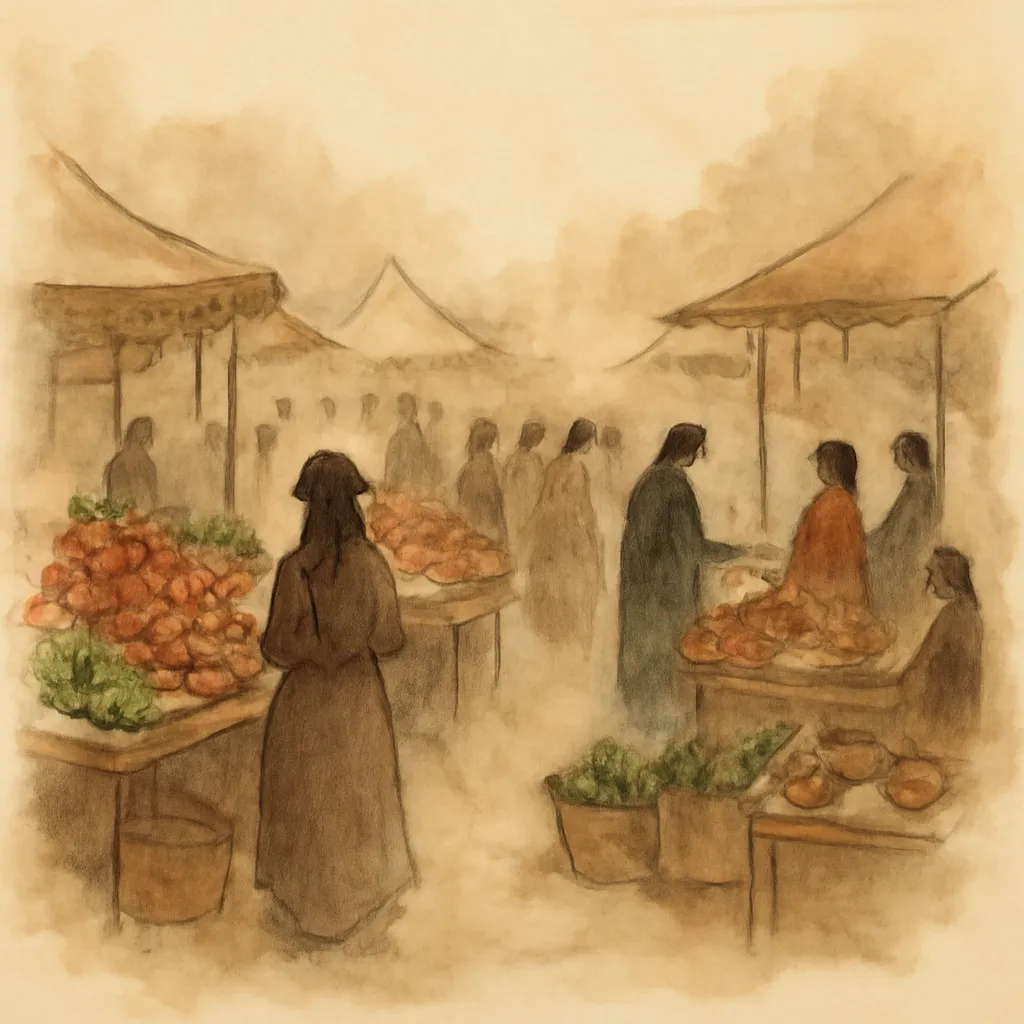
Browne's exploration of the markets in Moscow, particularly the Katai Gorod, showcases the vibrant tapestry of human life within the city. He describes the eclectic mix of goods and the diverse array of people that populate the markets, from peddlers to artisans. This bustling environment reflects the heart of Russian commerce and culture, where every interaction tells a story. Browne's vivid descriptions of the colorful characters he encounters—ranging from brawny mujiks to sallow Jewish peddlers—bring the market to life. His appreciation for the variety of human experiences found in these markets emphasizes the richness of Russian society, where every individual contributes to the larger narrative of the nation.
9.The Absurdity of Military Life
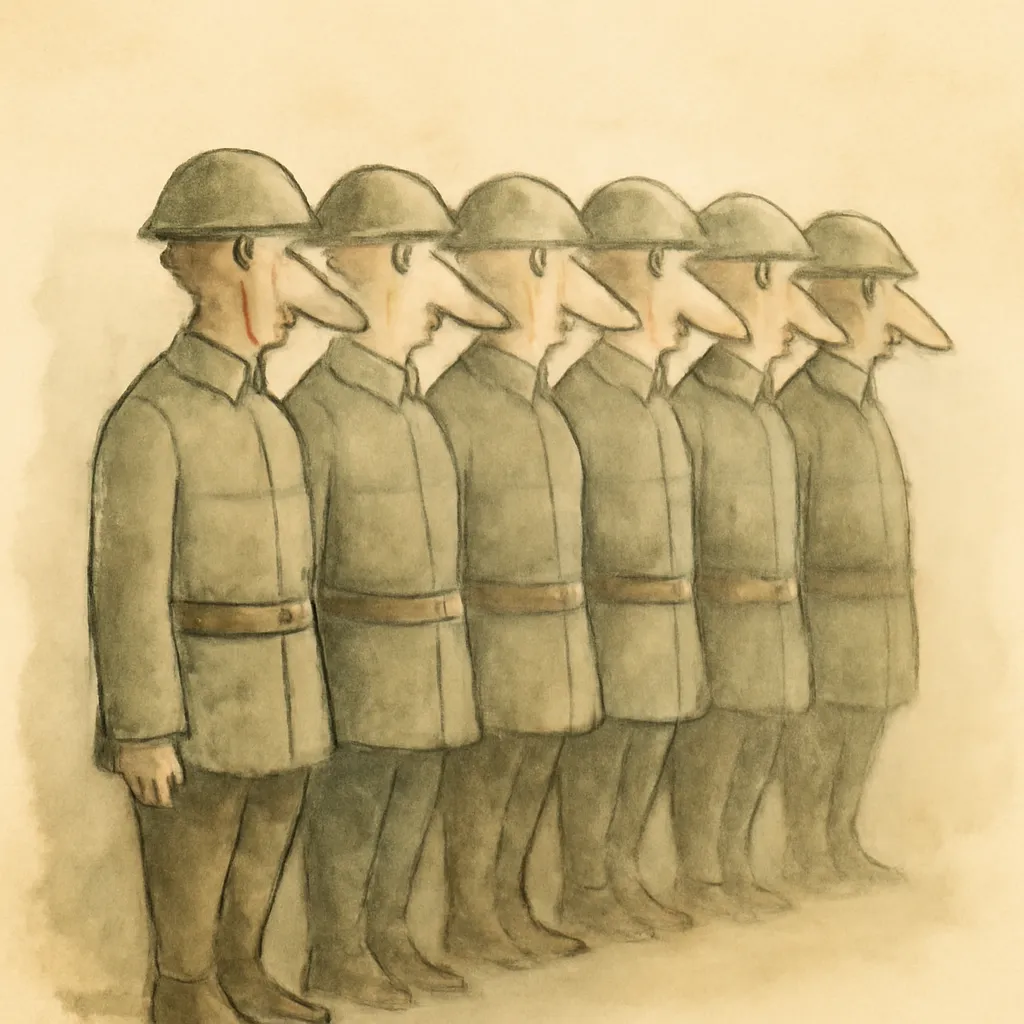
Browne's account of the Imperial Guard, particularly the infamous 'Nose Regiment,' offers a humorous yet critical take on military life in Russia. The absurdity of the Emperor's quest for soldiers with grotesquely shaped noses reflects a bizarre intersection of humor and horror in Russian history. Browne recounts the story of how these soldiers initially displayed bravery but ultimately fled in the face of battle, highlighting the often ridiculous nature of military valor. Through this narrative, Browne critiques the absurdities of authority and the sometimes arbitrary nature of military traditions. His observations serve as a commentary on the complexities of Russian identity, where the line between bravery and folly can often blur.
10.The Despotism of Empire
Browne's reflections on the political landscape in Russia reveal a deep ambivalence toward despotism. He acknowledges the efforts of Emperor Alexander II in promoting reforms and civil liberties but questions the effectiveness of such measures in a fundamentally autocratic system. He argues that the emancipation of serfs is merely nominal, as true freedom remains elusive under a government that can revoke rights at will. Browne's critique of despotism highlights the tension between the desire for progress and the realities of oppressive governance. This analysis resonates with broader themes of freedom and the struggle for civil rights, emphasizing the need for genuine reform rather than superficial changes.
11.The Challenges of Civilization
In his concluding reflections, Browne grapples with the challenges of civilization in Russia, suggesting that the harsh climate and vast distances hinder the nation's progress. He argues that true civilization cannot flourish under despotic rule and that the obstacles to enlightenment are deeply rooted in the country's historical and cultural landscape. Browne's insights into the complexities of Russian society reveal a nuanced understanding of the interplay between environment, governance, and human potential. His exploration of these themes invites readers to consider the broader implications of civilization and the conditions necessary for societal growth and development.