1.The Power of Isolation

The protagonist's journey begins in Greenland, where he finds himself isolated and bored, setting the stage for his eventual adventure. This isolation is not merely physical but also psychological, as he grapples with the ennui of his mundane existence. The moment he discovers the thermos bottle containing a mysterious manuscript, it sparks a transformation, pulling him from his lethargy into a world of danger and excitement. The stark contrast between his initial boredom and the thrilling experiences that follow highlights how isolation can lead to unforeseen opportunities for growth and adventure. Burroughs uses this theme to suggest that stepping out of one's comfort zone is essential for personal development, as it opens the door to new experiences and challenges that can redefine one's existence. The protagonist's deep yearning for change resonates with readers who may also find themselves trapped in the monotony of daily life, encouraging them to embrace the unknown.
2.The Discovery of a Lost World

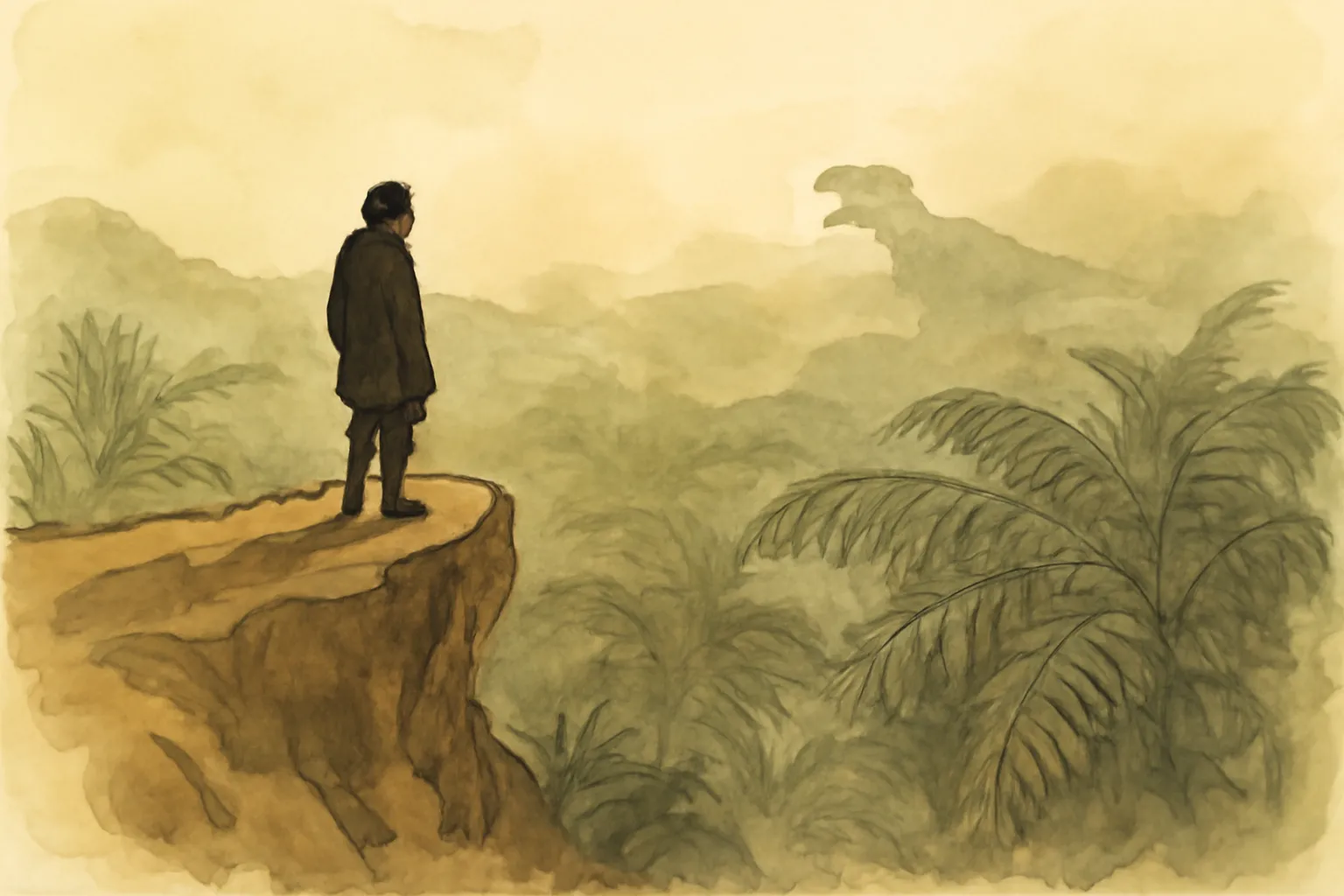
Upon arriving in the land of Caprona, the protagonist encounters a world that defies the laws of nature as understood by modern science. This prehistoric land is populated by creatures long thought to be extinct, including dinosaurs and ancient humanoid species. The protagonist's astonishment at finding a living Plesiosaurus, for instance, serves as a powerful reminder of the mysteries hidden within the Earth. Burroughs paints a vivid picture of this land, filled with lush vegetation and dangerous fauna, that challenges the protagonist's understanding of reality. The discovery of such a world raises profound questions about the nature of evolution and the resilience of life, suggesting that history may hold secrets that could reshape our understanding of existence. This theme resonates with readers, evoking a sense of wonder about the unknown and the potential for discovery that lies just beyond the veil of the familiar. The juxtaposition of the protagonist's world with that of Caprona invites readers to ponder the fragility of civilizations and the enduring presence of nature.
3.Survival Against All Odds
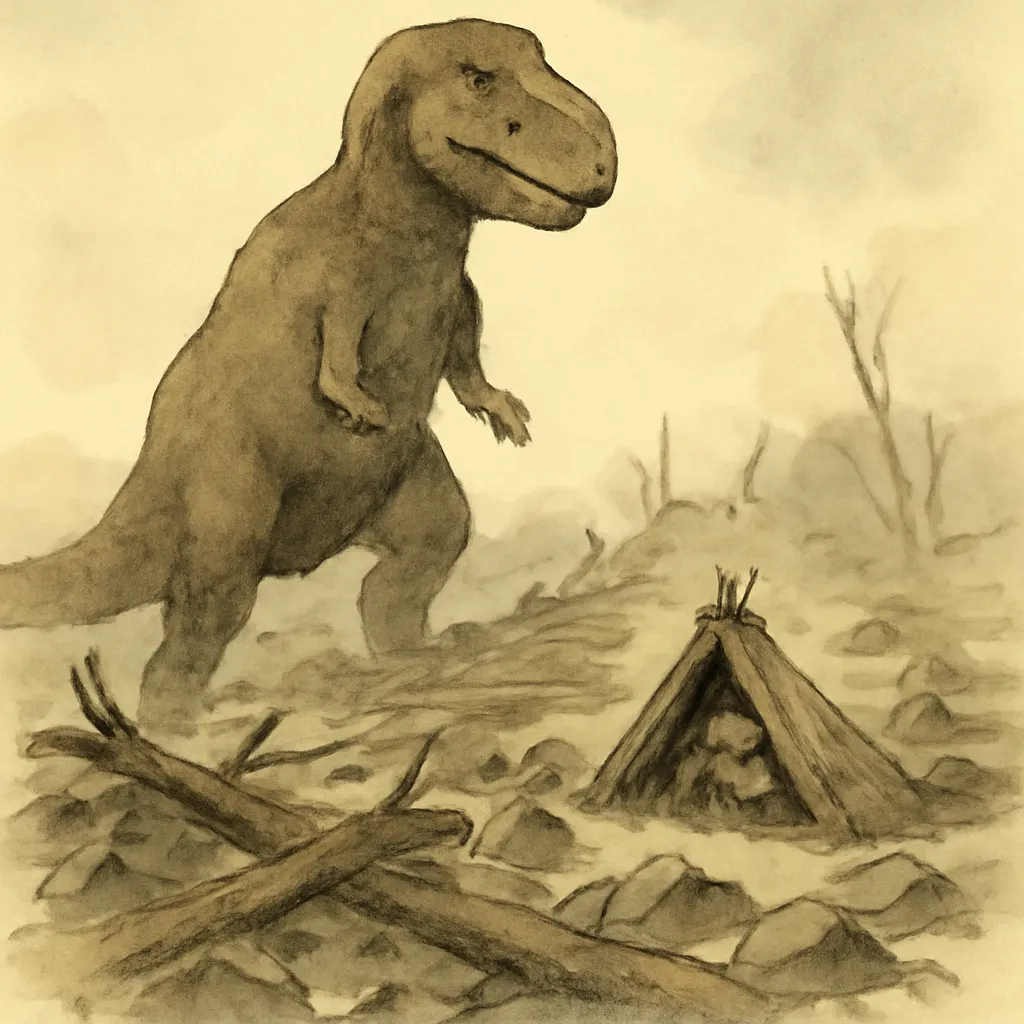
Survival is a central theme that Burroughs explores through the protagonist's harrowing experiences in Caprona. Stranded in a hostile environment, he must navigate the dangers posed by prehistoric creatures and primitive human tribes. The narrative captures the essence of survival instinct, showcasing how the protagonist adapts to his surroundings and learns to utilize the resources available to him. For example, he learns to hunt for food and find fresh water, demonstrating resilience and ingenuity in the face of adversity. Burroughs emphasizes that survival is not just about physical endurance but also mental fortitude, as the protagonist grapples with fear, loneliness, and despair. Through moments of intense danger, such as encounters with dinosaurs or hostile tribes, the protagonist's character is tested, revealing the depths of his courage and resourcefulness. This theme resonates deeply, reminding readers of the primal instincts that emerge when one's very existence is threatened, and the lengths to which one will go to survive. Burroughs effectively allows readers to experience the tension of survival, creating a visceral connection to the protagonist's plight.
4.The Complexity of Human Relationships
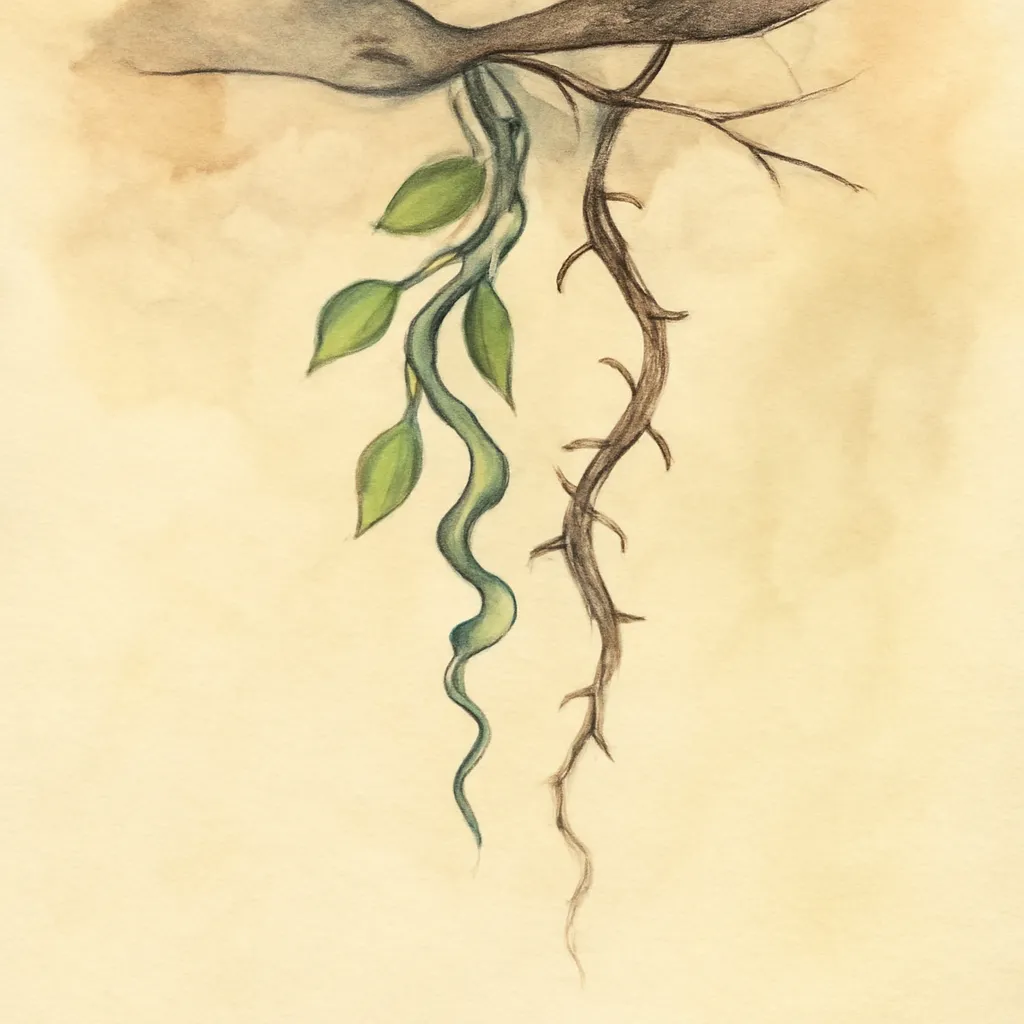
As the protagonist interacts with Lys, a young woman he rescues, the narrative delves into the intricacies of human relationships formed under duress. Their bond grows amidst the chaos of survival, illustrating how shared experiences can forge deep connections. However, the relationship is also marked by tension and misunderstandings, as they navigate their feelings in a world where danger lurks at every corner. Burroughs explores themes of trust, vulnerability, and the complexities of attraction in extreme circumstances. The evolving dynamics between the protagonist, Lys, and the other crew members reflect the multifaceted nature of human relationships, especially when stripped of societal norms and forced to rely on one another for survival. Their relationship is not just a romantic subplot; it is a critical element that reveals the characters' depths and their responses to fear and uncertainty. Burroughs masterfully portrays how the chaos of survival can lead to both intimacy and conflict, providing a rich exploration of human emotions in the face of life-or-death situations.
5.The Threat of Betrayal

Betrayal emerges as a significant threat throughout the narrative, adding layers of tension and suspense. The protagonist grapples with the realization that not everyone onboard the submarine can be trusted. As mechanical failures and sabotage occur, he is forced to confront the possibility that someone is deliberately undermining their efforts to survive. This sense of paranoia amplifies the stakes, as the protagonist must not only fend off physical dangers but also navigate the treachery of human motives. Burroughs skillfully builds suspense as the protagonist's suspicions grow, leading to moments of confrontation and revelation. This theme underscores the idea that in times of crisis, the greatest threats may come not from the environment but from within one's own ranks, challenging the protagonist's ability to discern friend from foe. The constant tension of potential betrayal keeps readers on the edge of their seats, illustrating the fragility of trust in extreme circumstances and the moral dilemmas that arise when survival is at stake.
6.The Struggle for Power
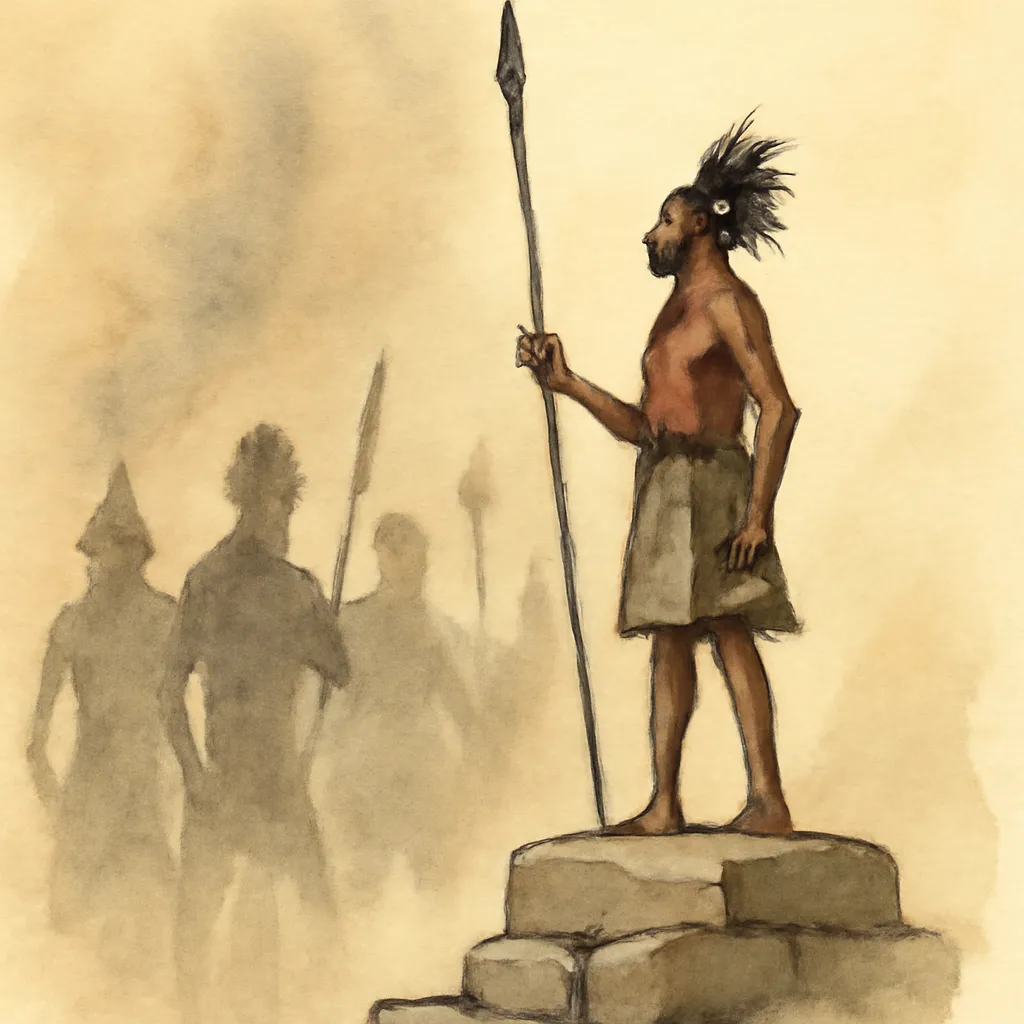
Burroughs intricately weaves a narrative that examines power dynamics among the characters, particularly as they vie for control in a lawless land. The struggle for power manifests in various forms, from the leadership of the submarine crew to the encounters with primitive tribes. The protagonist's authority is constantly challenged, forcing him to assert his leadership while maintaining the trust of his crew. The interactions with the tribes reveal their own hierarchical structures and conflicts, showcasing how power can corrupt and lead to violence. Burroughs uses these dynamics to illustrate the complexities of human nature, suggesting that the desire for power can lead to both cooperation and conflict. This theme resonates with readers, prompting reflection on the nature of authority and the moral implications of power struggles in both primitive and modern societies. The protagonist's struggle to maintain control in a chaotic environment serves as a microcosm for the broader themes of civilization versus savagery and order versus chaos.
7.The Nature of Civilization

Through the protagonist's encounters with various tribes, Burroughs explores the concept of civilization versus savagery. The inhabitants of Caprona represent different stages of human development, from primitive tribes to more advanced cultures. This juxtaposition raises questions about what it means to be civilized and how societal structures influence behavior. Burroughs suggests that civilization is fragile and can easily be disrupted by the primal instincts that lie beneath the surface. The protagonist's experiences challenge his perceptions of what constitutes civilized behavior, as he witnesses both noble and brutal actions from those around him. As he navigates through different tribes, he reflects on the fine line that separates civilization from barbarism, ultimately questioning the sustainability of any society when faced with existential threats. This theme encourages readers to reflect on their own understanding of civilization and the thin veneer that separates humanity from its more primitive instincts, making it particularly relevant in discussions of modern society.
8.The Role of Nature
Nature plays a pivotal role in 'The Land That Time Forgot,' serving both as a backdrop and a character in its own right. The lush landscapes, towering cliffs, and dangerous wildlife create an immersive environment that shapes the characters' experiences. Burroughs vividly describes the beauty and brutality of nature, illustrating how it can nurture life while simultaneously posing existential threats. The protagonist's relationship with nature evolves from one of fear to a deeper understanding and respect as he learns to navigate the challenges it presents. This connection to nature serves as a reminder of humanity's place within the natural world and the inherent dangers that accompany it. Burroughs emphasizes that while nature can be unforgiving, it also offers opportunities for growth and discovery, urging readers to appreciate the delicate balance of life. By portraying nature as both a nurturing force and a source of peril, Burroughs invites readers to consider their own relationship with the environment and the respect it demands.
9.The Quest for Identity
As the protagonist navigates the challenges of Caprona, he embarks on a quest for identity amidst the chaos. Stripped of the comforts and societal labels that defined him, he is forced to confront who he truly is in this new world. His experiences shape his character, pushing him to embrace qualities of resilience, leadership, and compassion. Burroughs uses this journey of self-discovery to highlight the transformative power of adversity, suggesting that true identity emerges when one is faced with challenges that test their limits. The protagonist's evolution is mirrored in his relationships with others, as he learns to trust and rely on his companions. This theme resonates with readers, inviting them to consider their own identities and the factors that shape who they are, especially in times of crisis. The exploration of identity in extreme circumstances encourages readers to reflect on how their environments influence their choices and beliefs, ultimately prompting questions about the essence of one’s true self.
10.The Nature of Hope and Despair
Hope and despair are pervasive themes throughout the narrative, often intertwined as the protagonist grapples with the uncertainties of survival. In the face of overwhelming odds, moments of hope arise, such as the discovery of food or the companionship of Lys. These instances provide temporary relief from the despair that looms over the characters, illustrating the duality of human experience. Burroughs effectively captures the emotional highs and lows of the characters, emphasizing that hope can be a powerful motivator even in the bleakest circumstances. The protagonist’s determination to survive pushes him forward, even when despair threatens to consume him. This exploration of hope and despair resonates with readers, encouraging them to consider how they respond to challenges in their own lives and the importance of maintaining hope even in the darkest times.