1.The Hominid Family Album
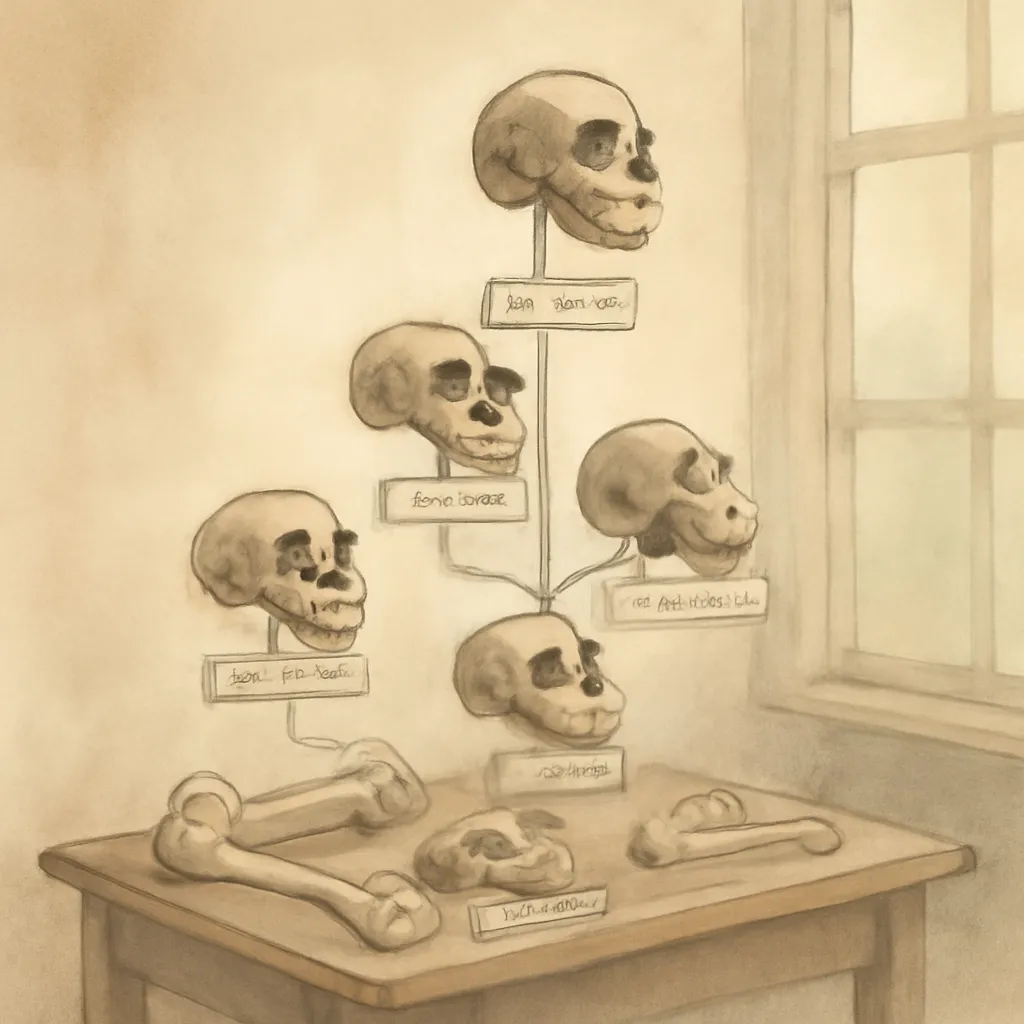
Central to the book is the concept of the 'family album'—a detailed, illustrated catalog of twenty-two known human species. Each species is presented not just as a fossil or a name, but as a reconstructed being placed within its environmental and evolutionary context. This approach humanizes our extinct relatives, making their existence tangible and relatable, and invites readers to see themselves as part of a much larger, intricate family history.
2.The Power of Reconstruction
Sawyer and Deak's collaboration bridges science and art, using forensic reconstruction techniques to bring ancient hominids to life. The book argues that visualizing these species is crucial for understanding their adaptations, diversity, and the evolutionary pressures they faced. This method also challenges the reader to confront their own preconceptions about what it means to be 'human.'
3.Africa: The Cradle of Humanity
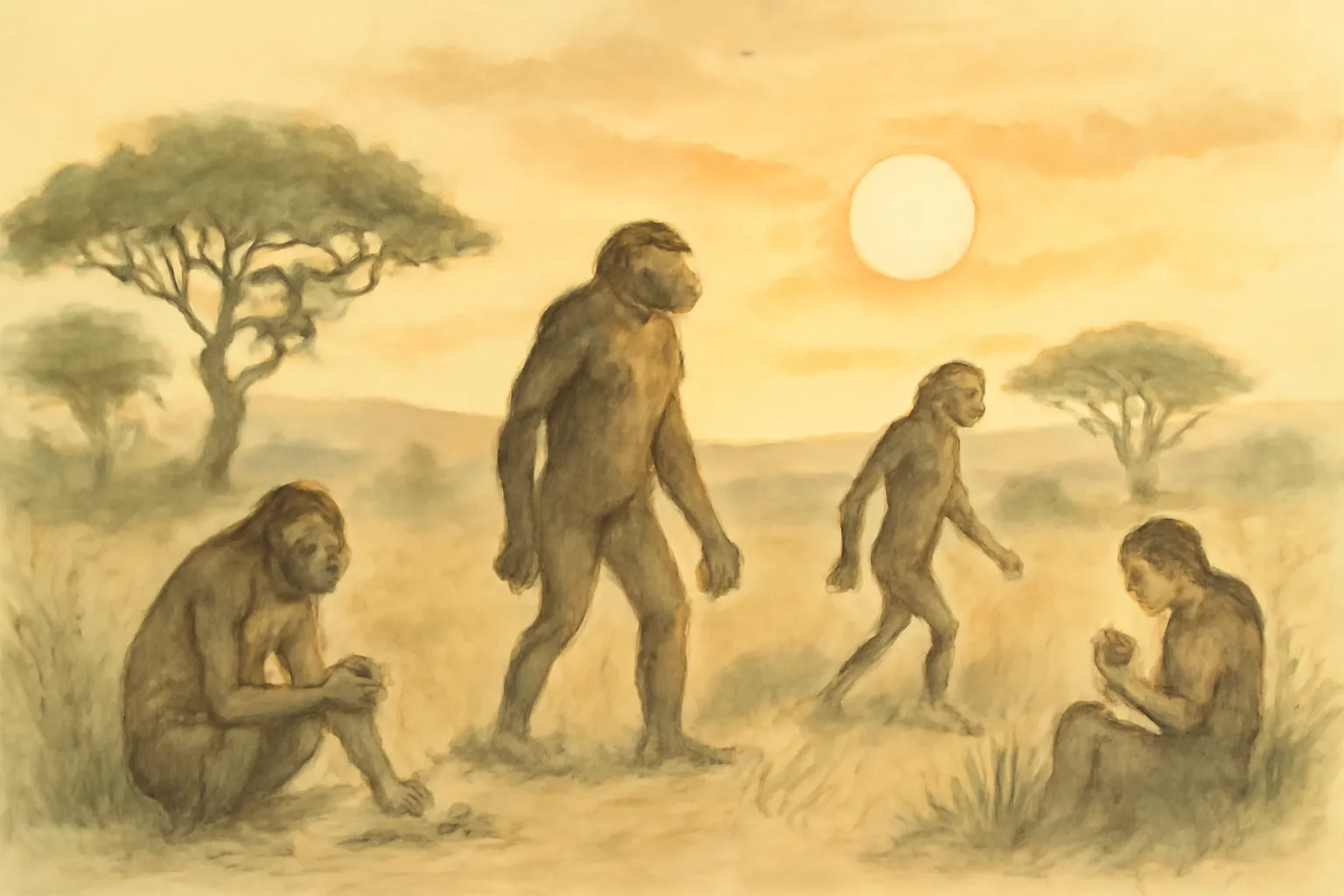
The narrative emphasizes Africa's role as the birthplace of humanity, tracing the origins of hominids back six to seven million years. By situating early human evolution in a specific geographic and ecological context, the book highlights how environmental changes and migrations shaped the evolutionary path leading to Homo sapiens.
4.Survival and Extinction
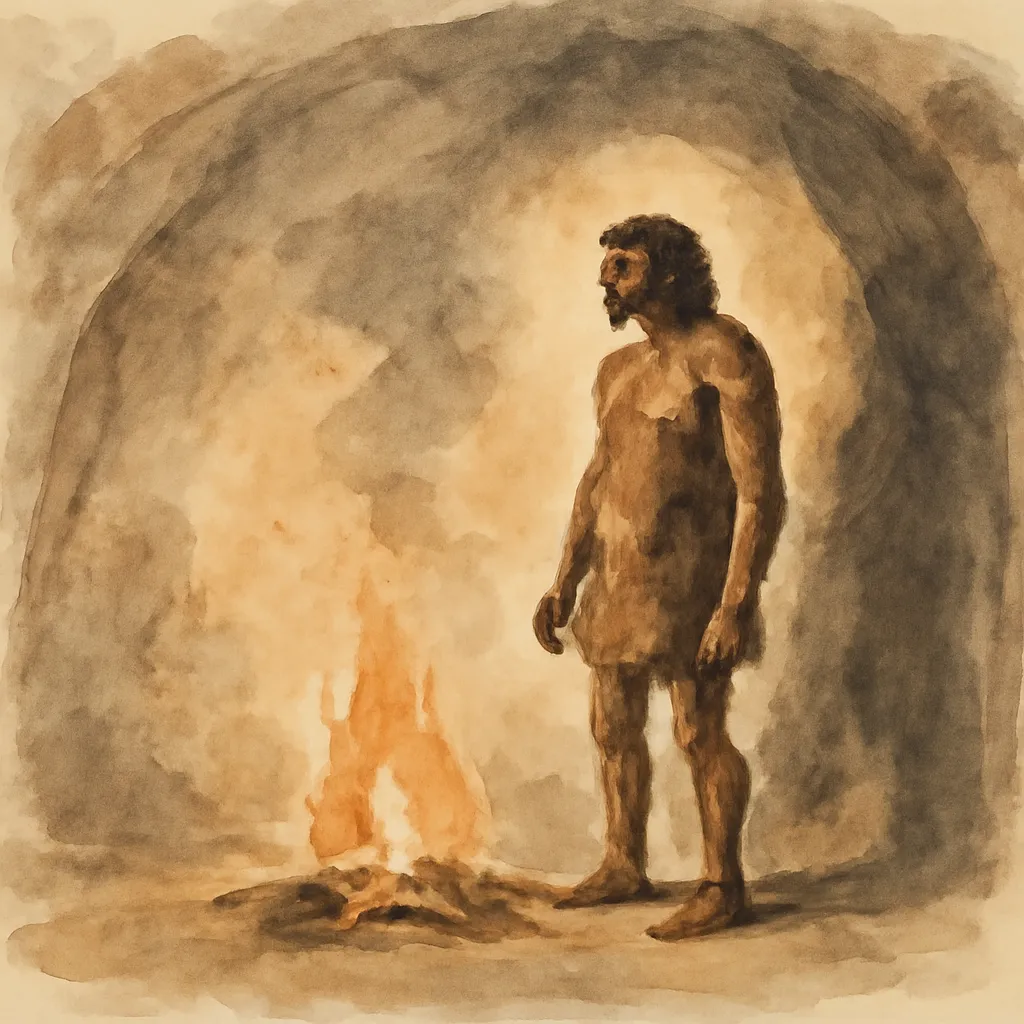
A recurring theme is the question of why Homo sapiens survived while other hominid species vanished. The authors explore theories involving climate change, competition, interbreeding, and adaptability, encouraging readers to consider the contingency and fragility of our own species’ existence. The extinction of Neanderthals, in particular, is examined as a pivotal moment in our history.
5.Science as Detective Work
The book underscores the detective-like nature of paleoanthropology, where fragmentary fossils and genetic clues are pieced together to reconstruct the past. It demystifies the scientific process, showing how hypotheses are tested and revised, and how new discoveries can upend established narratives about human origins.
6.The Ongoing Story of Human Evolution
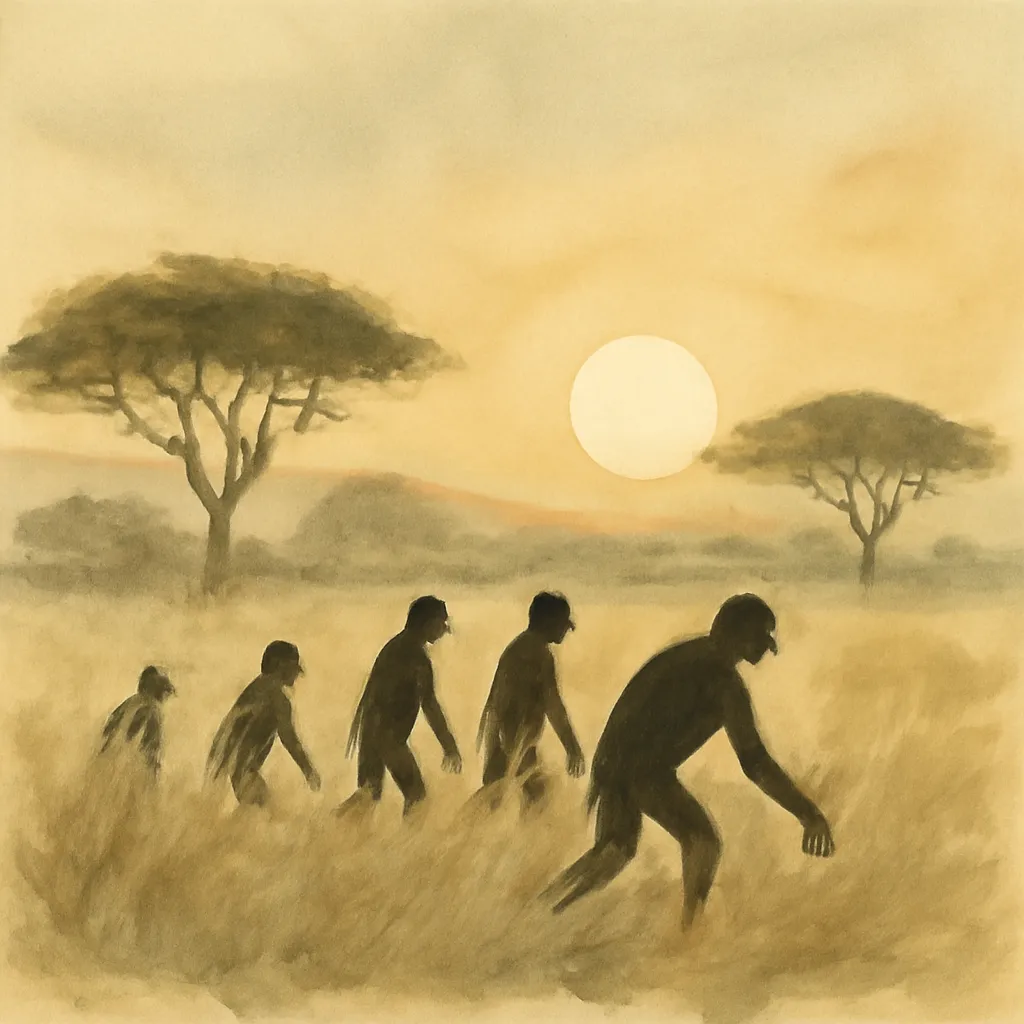
Rather than presenting evolution as a finished tale, the authors stress that the story is ongoing. New finds and technologies continue to reshape our understanding, and the book invites readers to see themselves as participants in this unfolding scientific adventure.