1.Rewriting the Neanderthal Narrative
Sykes dismantles the persistent myth of Neanderthals as primitive, brutish, and doomed. Drawing on the latest archaeological and genetic evidence, she shows that Neanderthals were not evolutionary dead-ends, but a resilient, intelligent species who thrived for hundreds of thousands of years. Their extinction is reframed not as inevitable, but as a complex event shaped by climate, chance, and interaction with Homo sapiens.
2.Technological Ingenuity
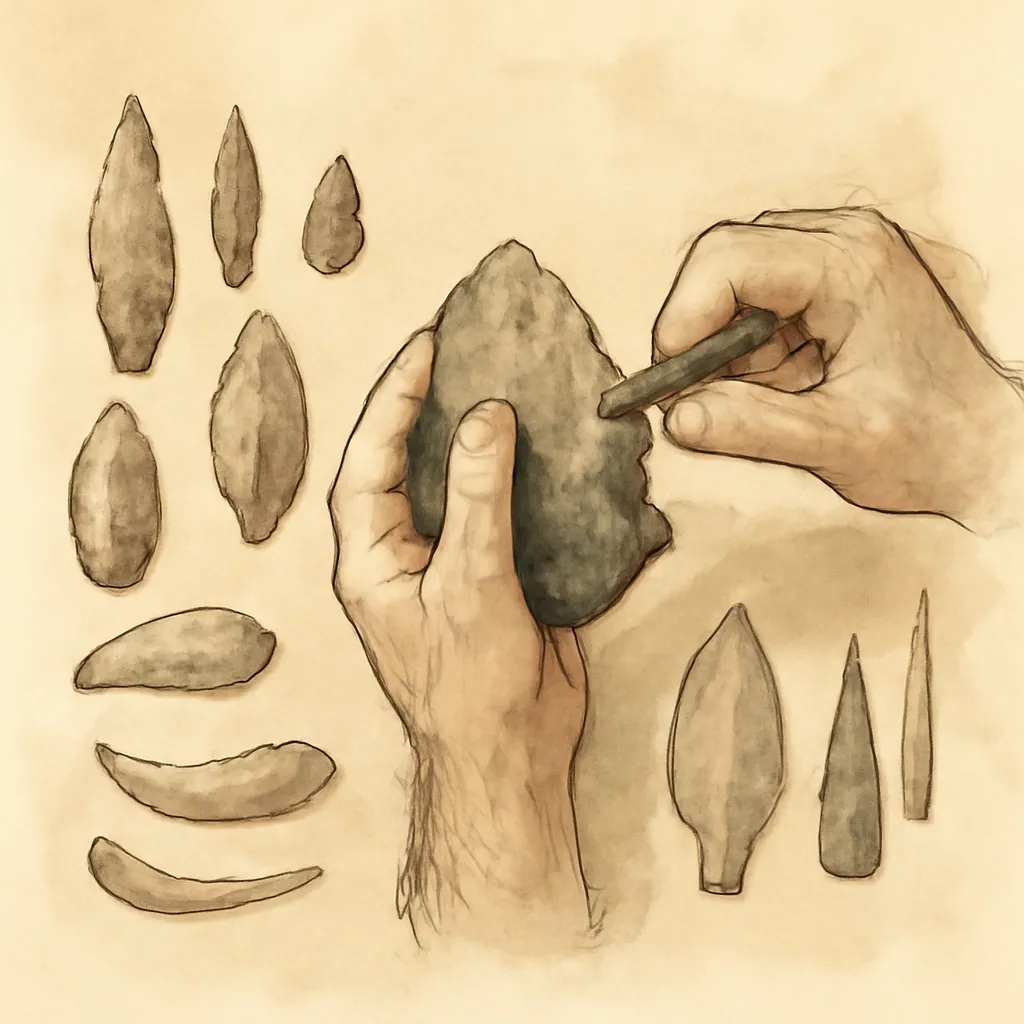
Far from being simple tool-users, Neanderthals displayed remarkable craftsmanship. Sykes details their sophisticated stone tools, use of adhesives, and even evidence of tailored clothing. These innovations reveal a capacity for planning, experimentation, and adaptation to diverse environments, challenging the notion that only Homo sapiens were inventive.
3.Social Lives and Emotional Depth
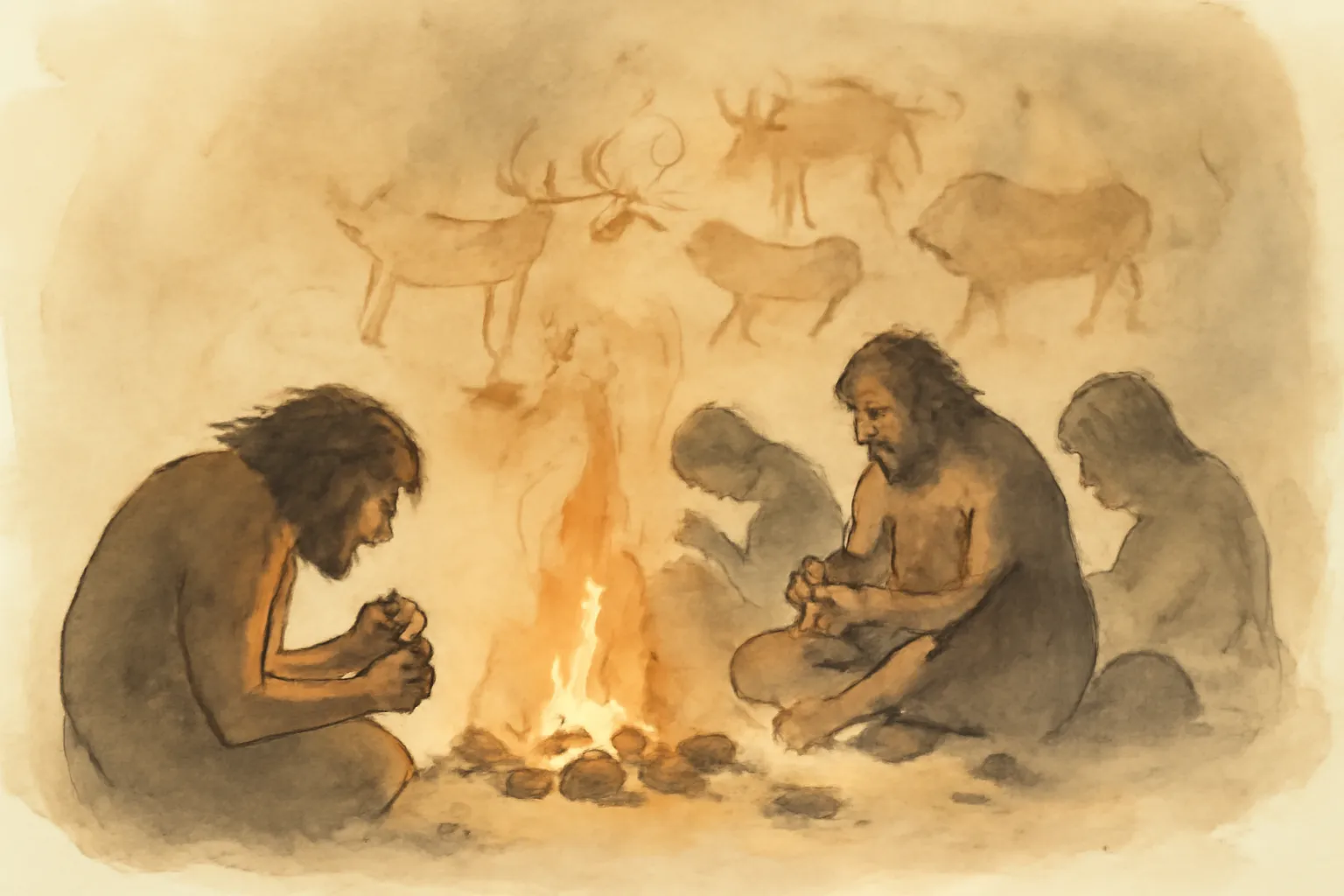
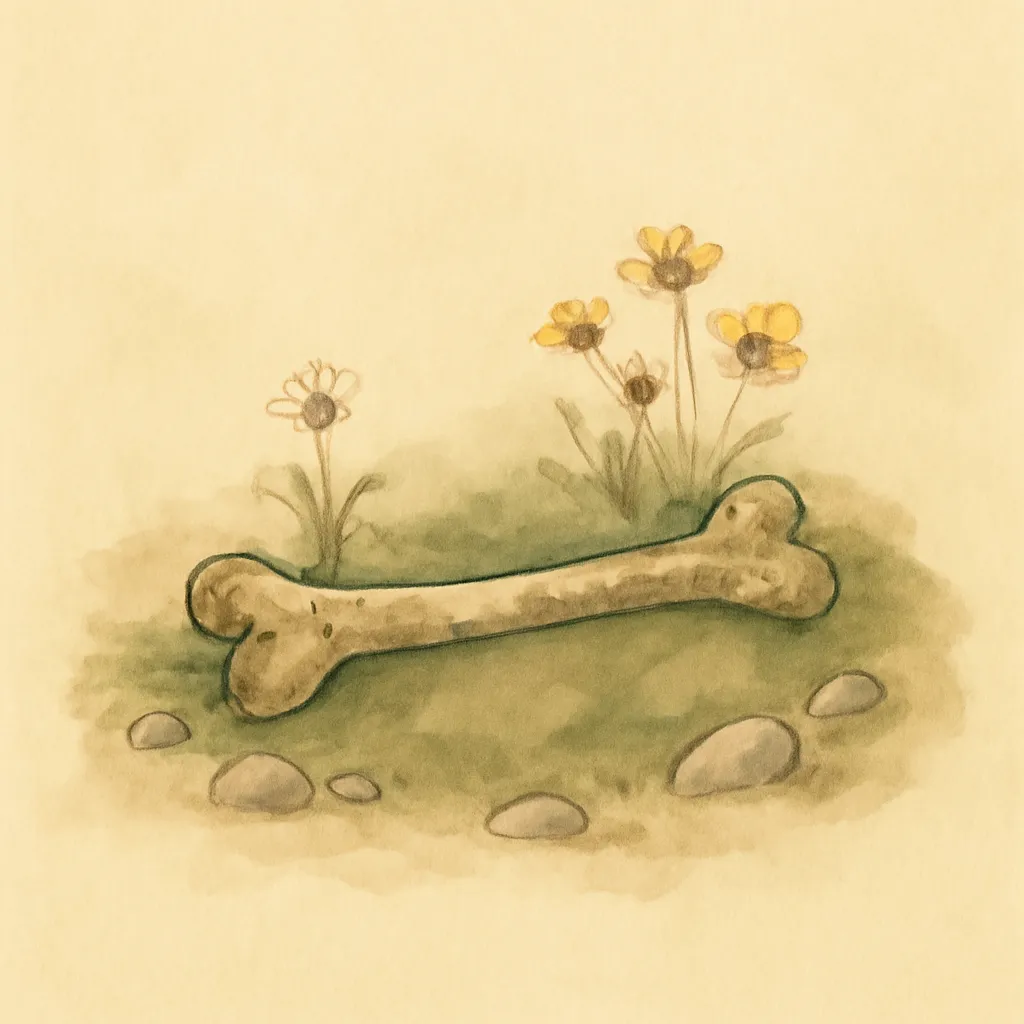
The book explores Neanderthal social structures, suggesting they lived in close-knit groups with complex relationships. Evidence of care for the injured and elderly, possible symbolic behavior, and shared rituals points to empathy, cooperation, and perhaps even a sense of the sacred—traits once thought unique to modern humans.
4.Ecological Adaptability
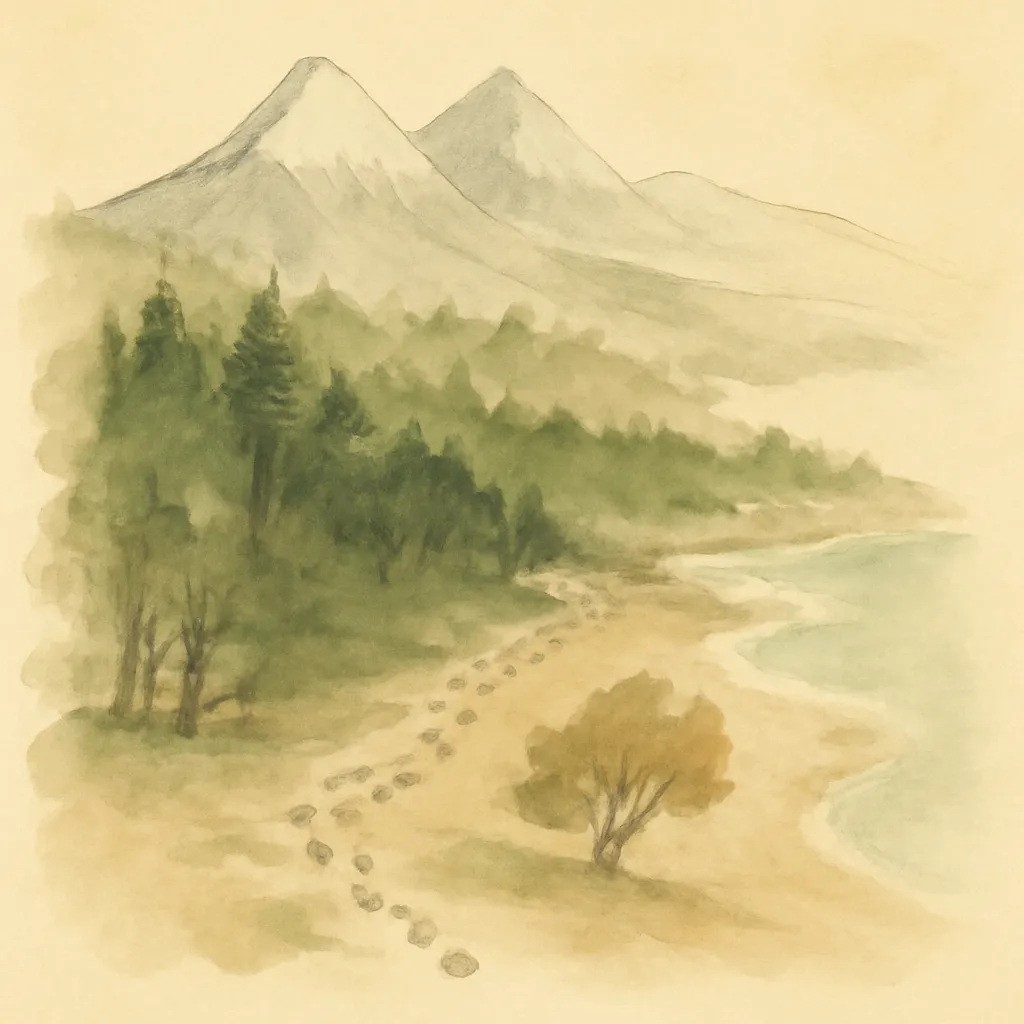
Neanderthals were not confined to cold, harsh landscapes. Sykes highlights their ability to exploit a variety of habitats, from forests to coasts, and their adaptability in the face of dramatic climate shifts. This ecological flexibility was key to their long survival and suggests a nuanced understanding of their world.
5.Interbreeding and Shared Legacy
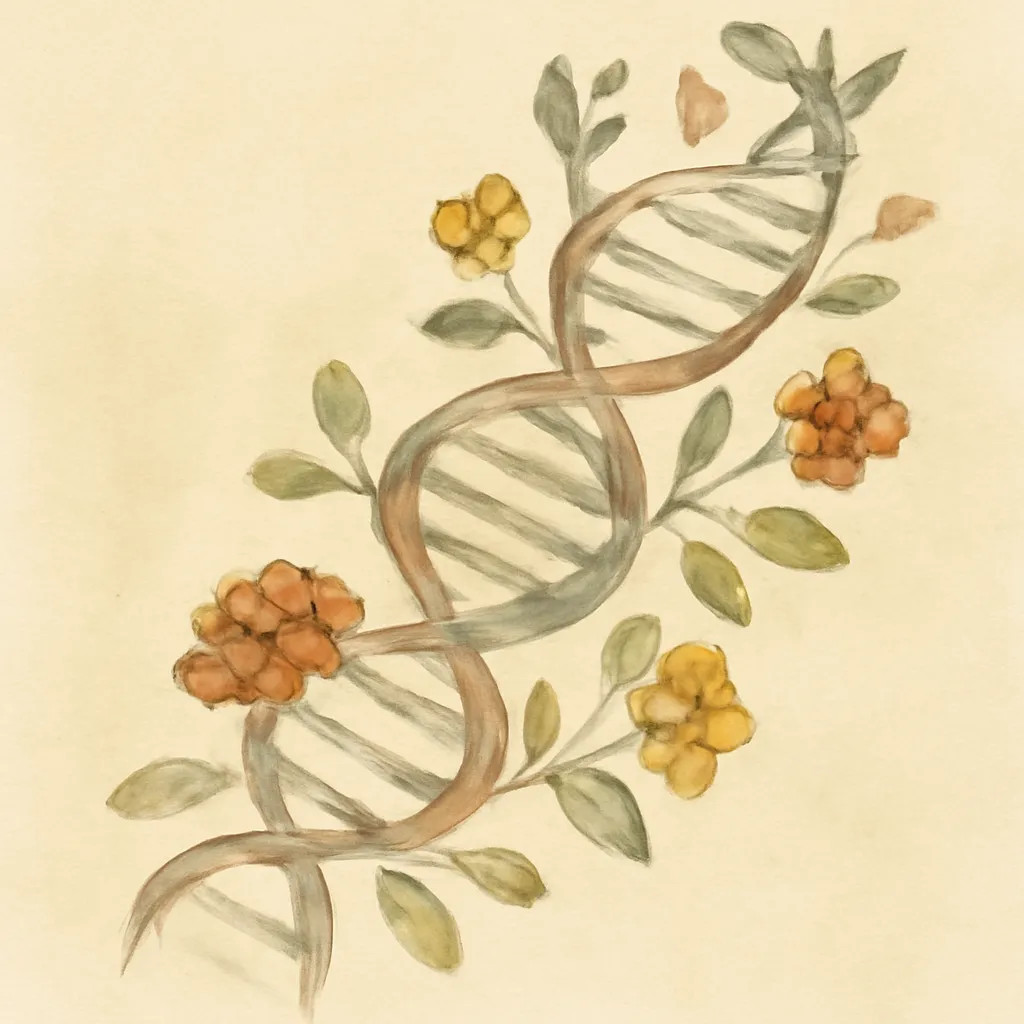
Modern genetic research reveals that Neanderthals and Homo sapiens interbred, leaving a legacy in the DNA of many people alive today. Sykes discusses how this genetic inheritance shapes aspects of modern biology and health, emphasizing that Neanderthals are not just extinct relatives but part of our own story.
6.The Human Continuum
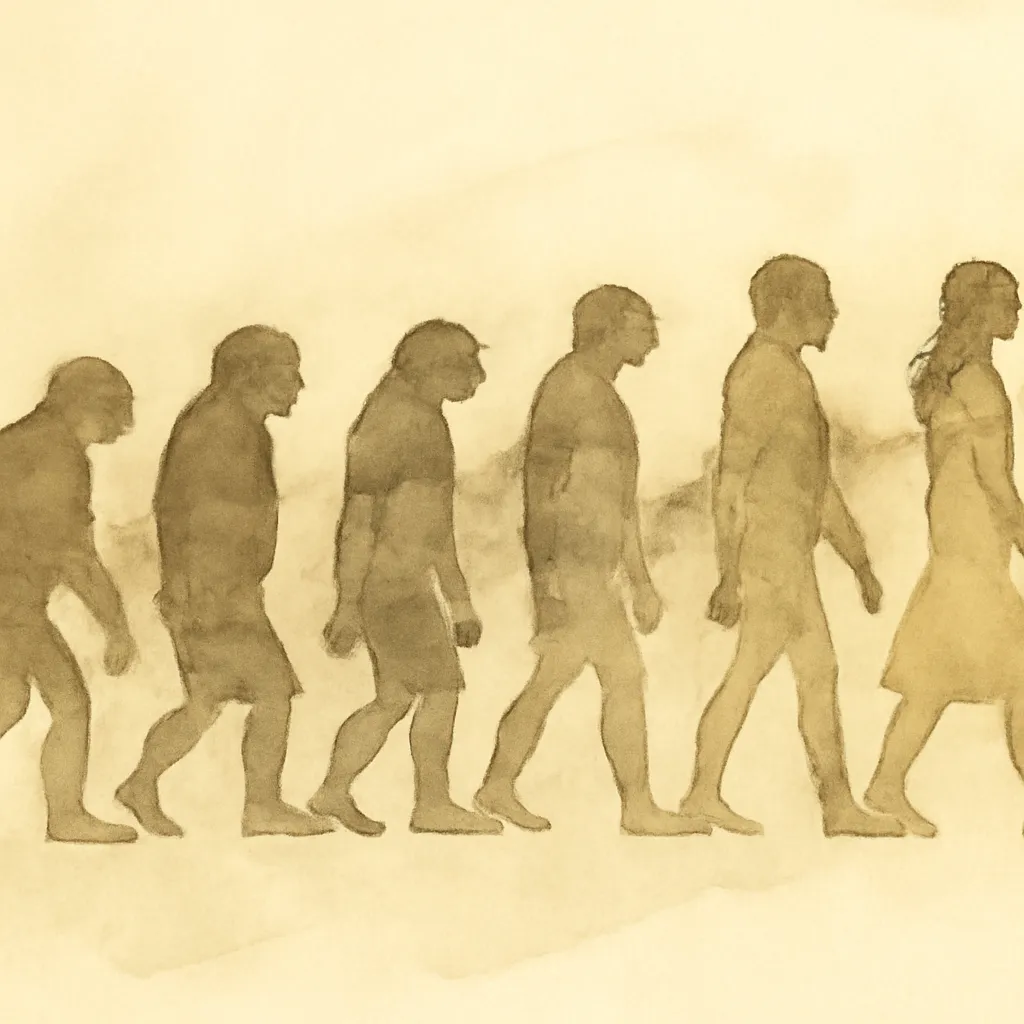
By blurring the boundaries between 'us' and 'them,' Sykes encourages readers to see humanity as a spectrum rather than a hierarchy. The Neanderthal story is a mirror for our own, prompting reflection on what it means to be human and how we define our place in the natural world.