
Anthropology · Neanderthals · Human evolution
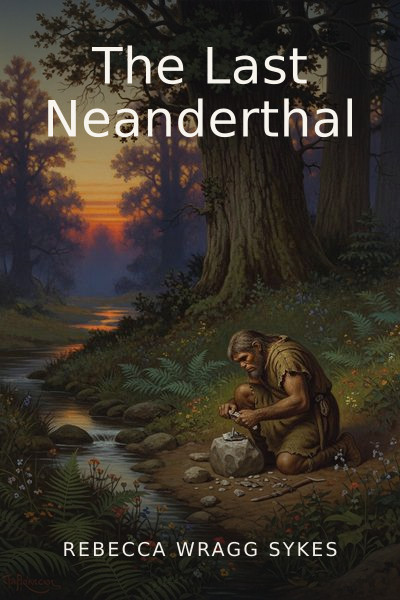
The Last Neanderthal by Rebecca Wragg Sykes — Summary, Key Ideas & Quotes
2019400 pages✦ 3-min Big ideas
Rate it
"'Beautiful, evocative, authoritative.' Professor Brian Cox 'Important reading not just for anyone interested in these ancient cousins of ours, but also for anyone interested in humanity.' Yuval Noah Harari Kindred is the definitive guide to the Neanderthals. Since their discovery more than 160 years ago, Neanderthals have metamorphosed from the losers of the human family tree to A-list hominins.Rebecca Wragg Sykes uses her experience at the cutting-edge of Palaeolithic research to share our new understanding of Neanderthals, shoving aside clichš of rag-clad brutes in an icy wasteland. She reveals them to be curious, clever connoisseurs of their world, technologically inventive and ecologically adaptable. Above all, they were successful survivors for more than 300,000 years, during times of massive climatic upheaval. Much of what defines us was also in Neanderthals, and their DNA is still inside us. Planning, co-operation, altruism, craftsmanship, aesthetic sense, imagination, perhaps even a desire for transcendence beyond mortality. Kindred does for Neanderthals what Sapiens did for us, revealing a deeper, more nuanced story where humanity itself is our ancient, shared inheritance."--
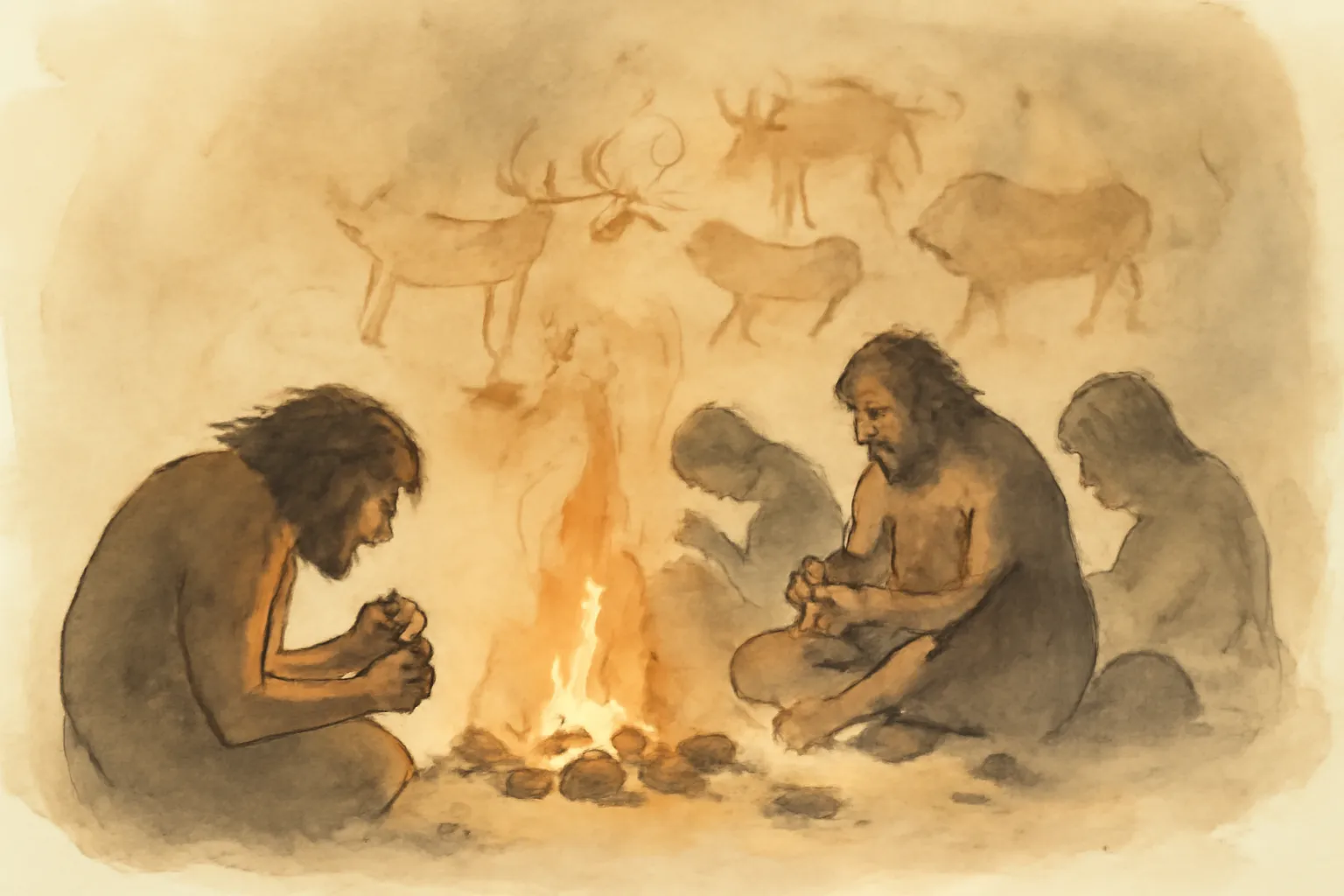
Sykes dismantles the persistent myth of Neanderthals as primitive, brutish, and doomed. Drawing on the latest archaeological and genetic evidence, she shows that Neanderthals were not evolutionary dead-ends, but a resilient, intelligent species who thrived for hundreds of thousands of years. Their extinction is reframed not as inevitable, but as a complex event shaped by climate, chance, and interaction with Homo sapiens.
Far from being simple tool-users, Neanderthals displayed remarkable craftsmanship. Sykes details their sophisticated stone tools, use of adhesives, and even evidence of tailored clothing. These innovations reveal a capacity for planning, experimentation, and adaptation to diverse environments, challenging the notion that only Homo sapiens were inventive.