1.The Search for Identity
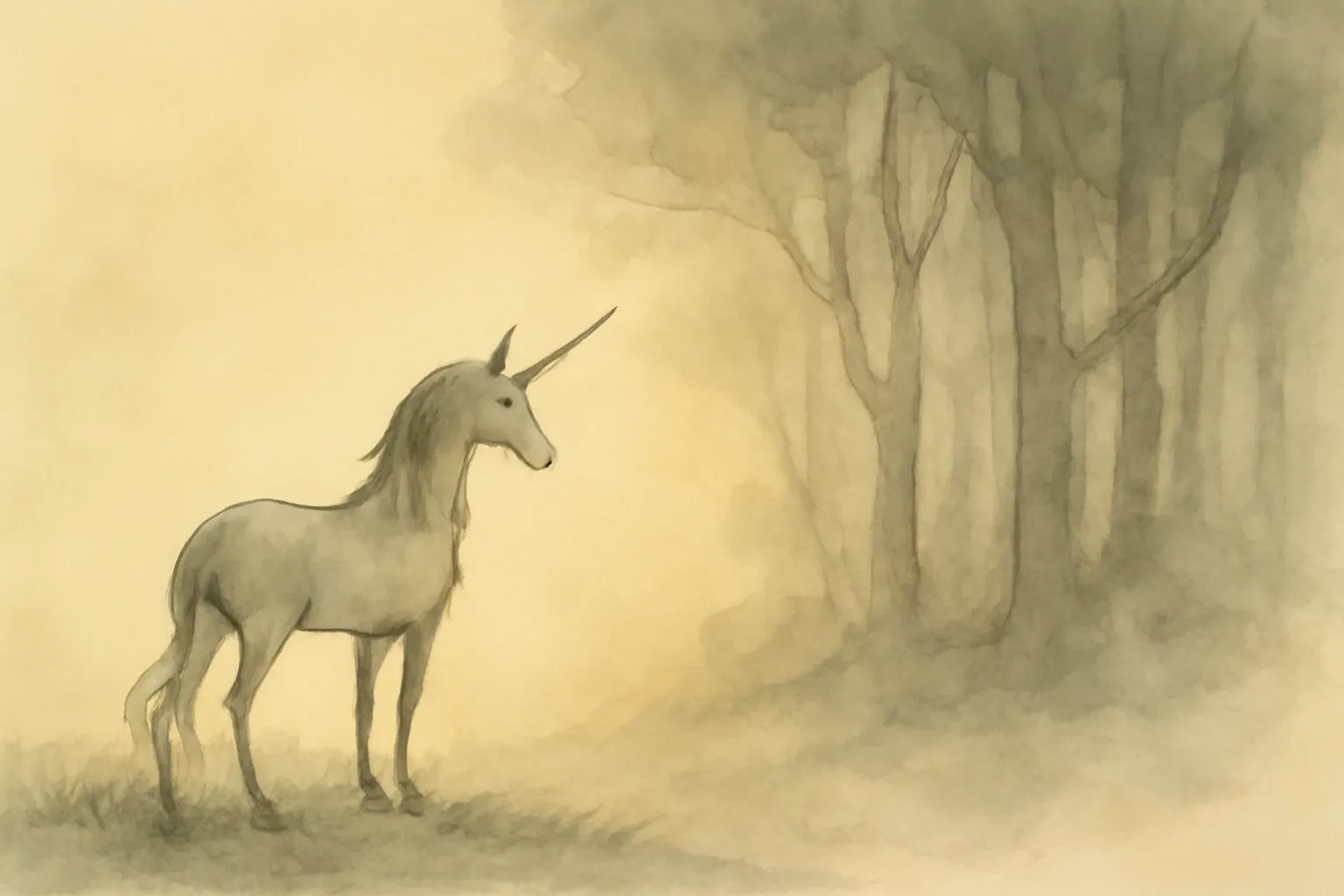
At its core, The Last Unicorn is about the quest to understand oneself. The unicorn's journey to find others of her kind becomes a metaphor for the universal search for belonging and self-knowledge. As she ventures beyond her enchanted forest, she confronts not only external dangers but also the internal struggle of defining who she is in a world that often fails to recognize or value her true nature. The story suggests that identity is not static but shaped by experience, loss, and love.
2.The Inevitability of Change
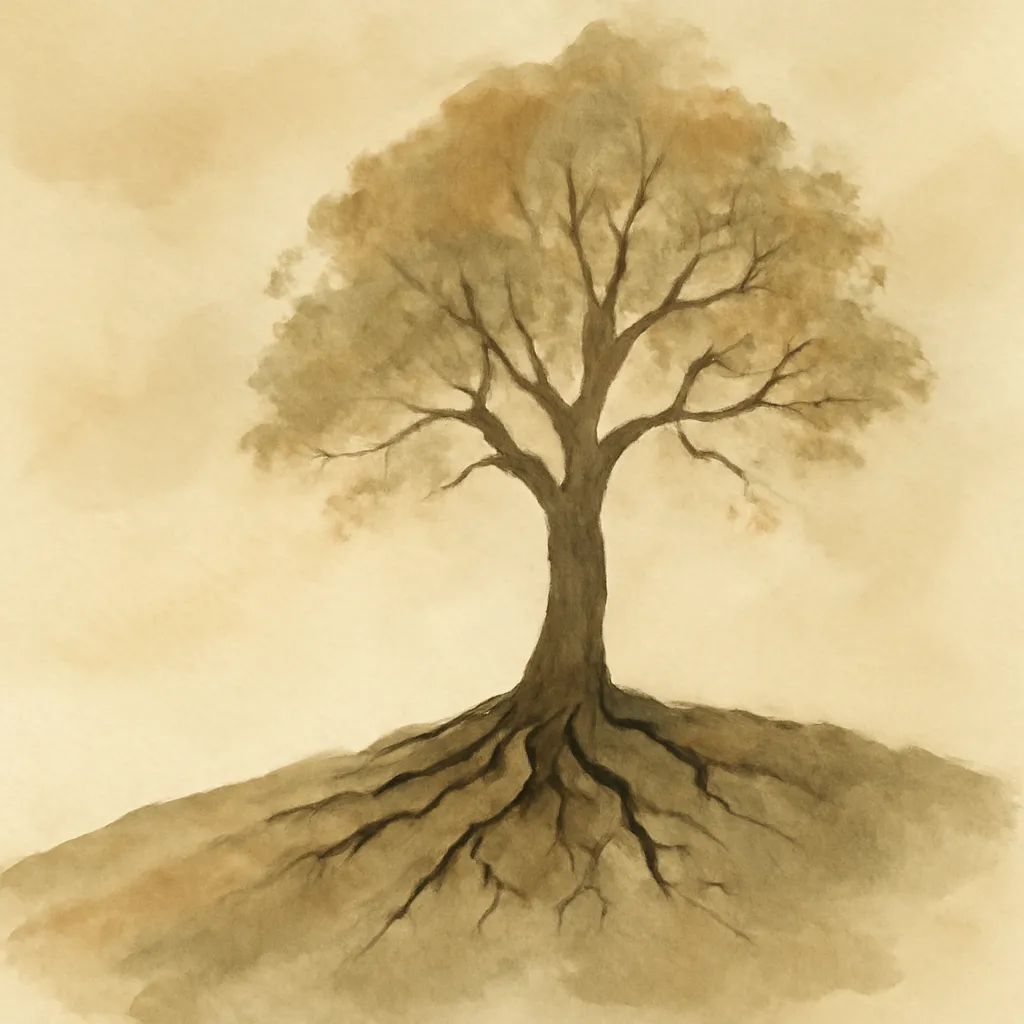
Change is both feared and necessary in Beagle's world. The unicorn, an immortal being, is forced to confront mortality and transformation, especially when she is turned into a human woman. Through this, the novel explores the pain and beauty of change—how it brings both loss and growth. The characters’ journeys reflect the bittersweet reality that nothing, not even magic, can remain untouched by time.
3.The Power and Limits of Magic
Magic in The Last Unicorn is wondrous yet imperfect. Schmendrick the magician embodies this duality; his spells often go awry, and even the unicorn's magic cannot shield her from suffering. The novel treats magic as a metaphor for hope and imagination, while acknowledging its limitations. True transformation, Beagle suggests, comes not from spells but from courage, compassion, and self-acceptance.
4.Love and Sacrifice
Love in the novel is complex and often painful. The unicorn’s experiences as a human teach her about longing, heartbreak, and the sacrifices that come with caring for others. Every character faces a moment where love demands a price—whether it’s Molly Grue’s devotion, Schmendrick’s loyalty, or King Haggard’s desperate emptiness. The story argues that love, even when it hurts, is what gives life meaning.
5.Wonder Amidst Sorrow
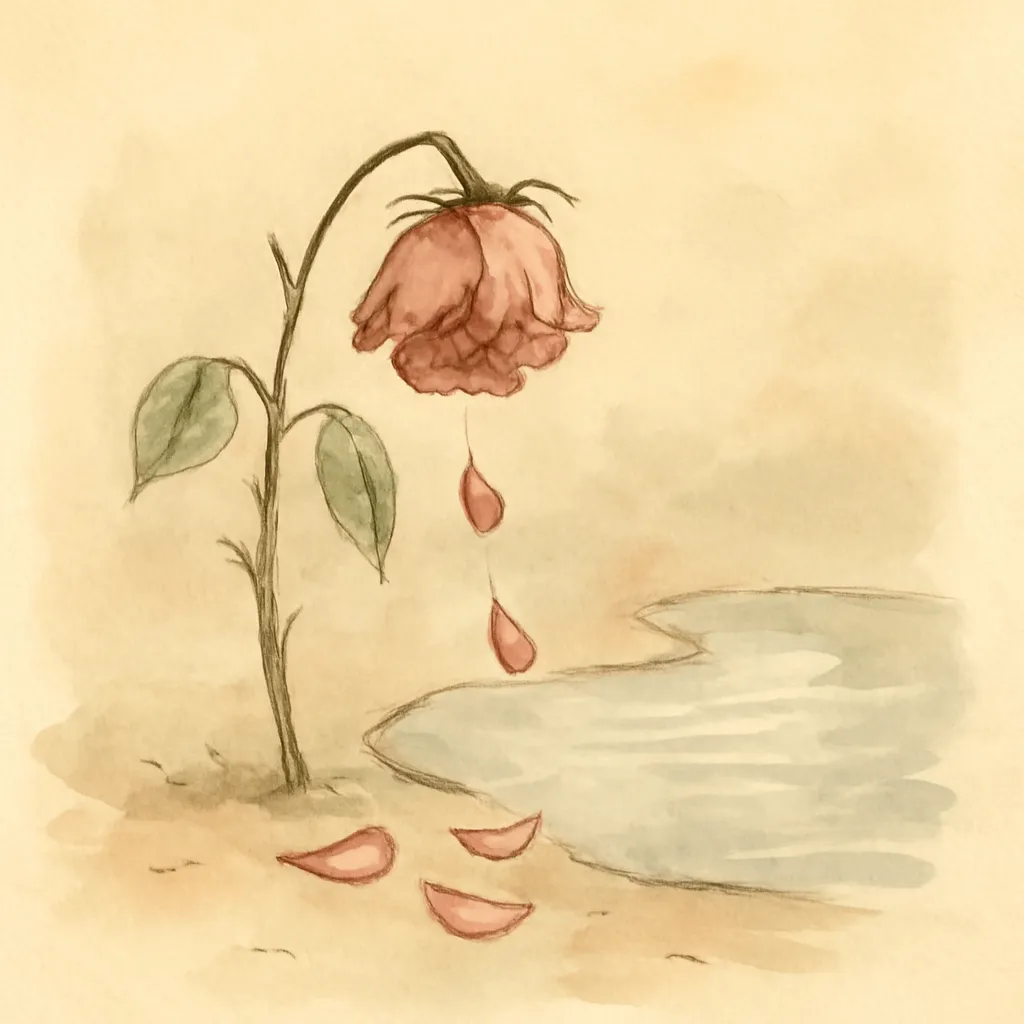
Beagle’s prose is suffused with a sense of wonder, but it’s always tinged with melancholy. The unicorn’s beauty and purity are contrasted with the world’s cruelty and indifference. Yet, the novel insists on the importance of holding onto wonder, even when faced with loss. This tension between joy and sorrow is what gives the story its lasting emotional impact.
6.Mortality and Immortality
The Last Unicorn contrasts the immortal unicorn with the mortal characters she meets, raising questions about the value of life and the cost of eternal existence. The unicorn’s brief experience of mortality changes her forever, suggesting that to be touched by time and loss is to gain wisdom and empathy. Immortality, the novel implies, is not necessarily a blessing if it means being untouched by the world’s joys and pains.