1.The Enchantment of Sleepy Hollow
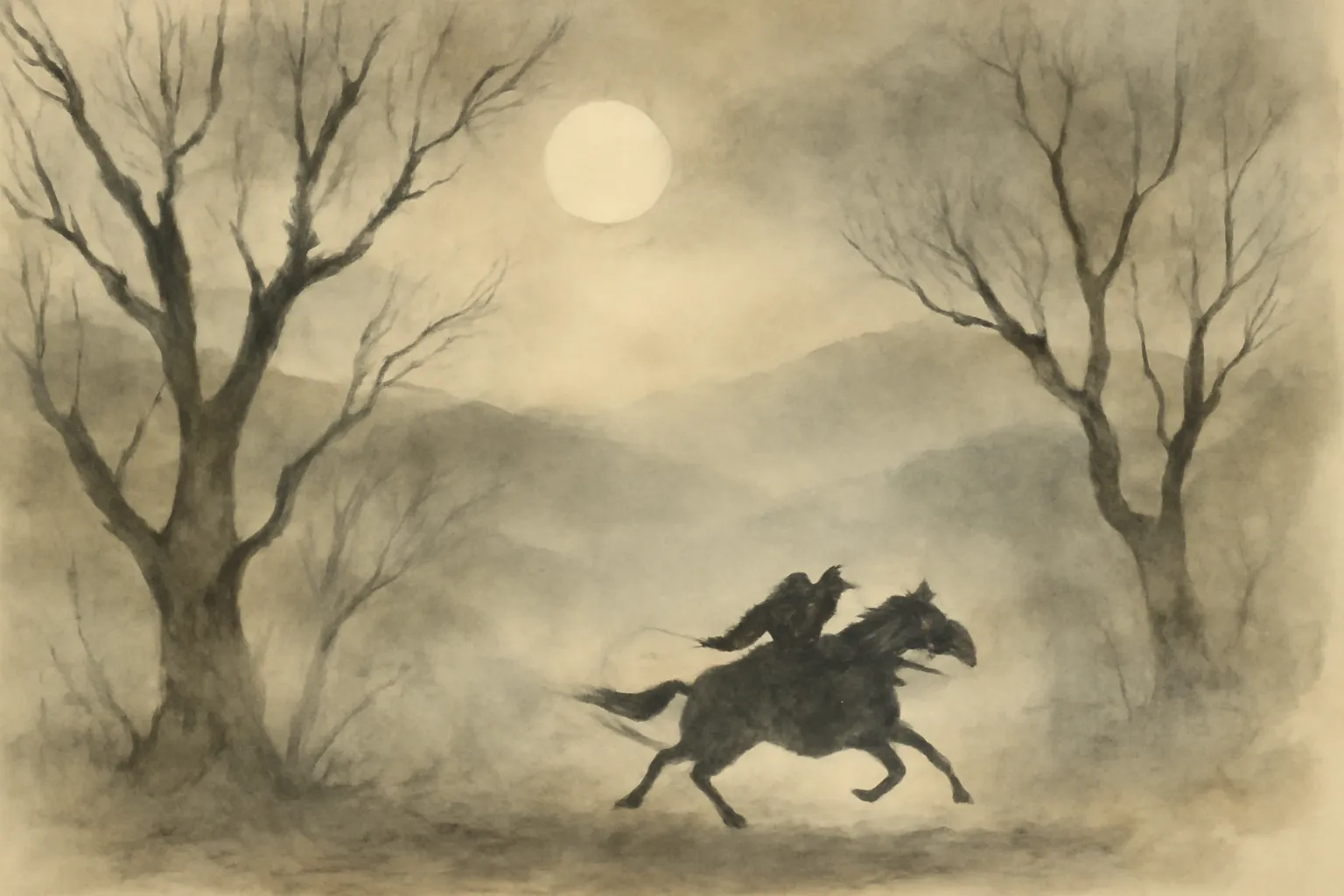
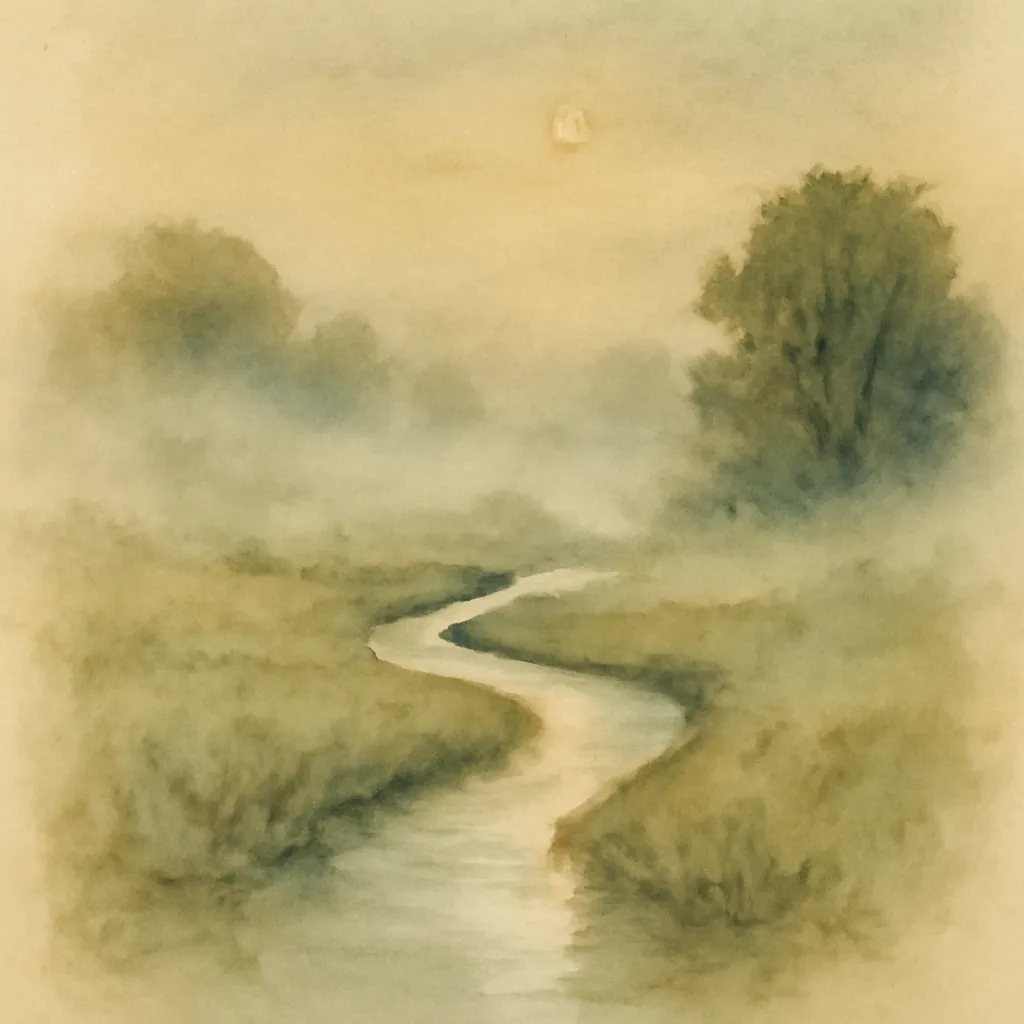
Sleepy Hollow is depicted as a serene yet haunting locale, steeped in a dreamy atmosphere that influences its inhabitants. The valley is characterized by its tranquil scenery, where a small brook whispers through the landscape, and nature’s sounds are subdued, creating a symphony of quietude. This setting is not just a backdrop but serves as a character in its own right, embodying the drowsiness and lethargy that permeates the lives of its residents. The villagers, descendants of Dutch settlers, are portrayed as a superstitious lot, with tales of witchcraft and the supernatural coloring their perceptions. The legend of the Headless Horseman plays a central role in the town's identity, embodying the fears and imaginations of its people. This enchanting yet eerie environment sets the stage for Ichabod Crane’s journey, foreshadowing the supernatural events that will unfold and illustrating how the landscape itself can influence human behavior.
2.Ichabod's Ambition and Desire
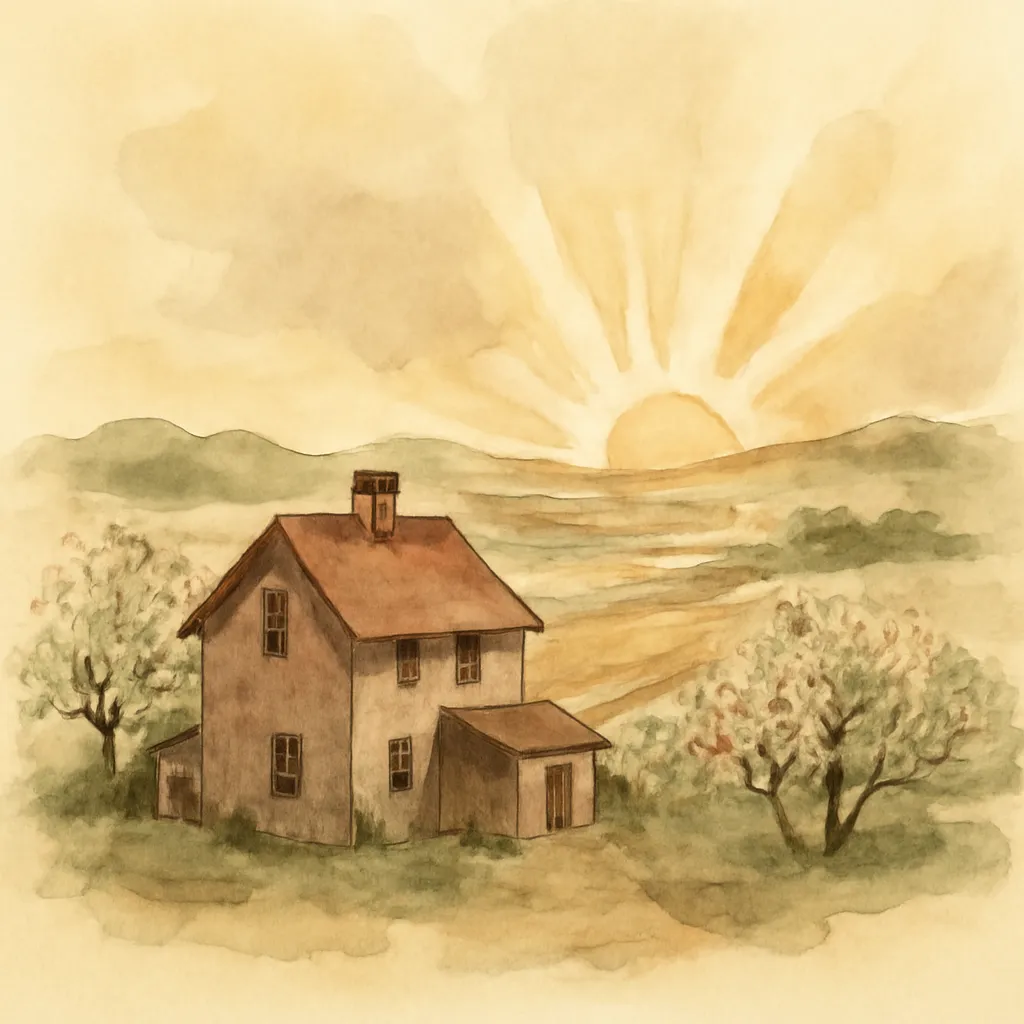
Ichabod Crane is a character driven by ambition, particularly his desire for wealth and social standing. His fascination with the prosperous Van Tassel farm reflects his aspirations for a better life, filled with comfort and abundance. As he dreams of a future with Katrina, he imagines not just a romantic partnership but the accumulation of material wealth that comes with it. This longing is vividly illustrated as he fantasizes about the farm's riches, picturing himself as a successful landowner who would leave his humble teaching position behind. His daydreams reveal a deeper commentary on the American Dream, where the pursuit of prosperity can lead to reckless ambition and folly. Ichabod's character embodies the tension between aspiration and reality, highlighting how dreams can often become entangled with one's identity. Moreover, his yearning for social acceptance drives his actions, ultimately leading him to put himself in perilous situations in pursuit of his desires.
3.The Rivalry with Brom Bones
Brom Bones serves as the quintessential rival to Ichabod, representing not only competition for Katrina's affection but also a clash of personalities. Brom is characterized by his boisterous nature and affinity for mischief, embodying a rugged masculinity that sharply contrasts with Ichabod's more delicate demeanor. Their rivalry is fueled by Brom's playful antics and the community's support, as he is a local favorite known for his prowess in horse riding and practical jokes. This dynamic illustrates how social standing and local reputation play significant roles in personal relationships. The tension between the two men escalates, particularly as they vie for Katrina's attention, leading to a series of encounters that are both humorous and charged with underlying animosity. Brom's confidence and physicality serve as a foil to Ichabod's cerebral and anxious disposition, shedding light on the cultural ideals of masculinity during the period. Their rivalry encapsulates the themes of competition and the lengths to which individuals will go to achieve their desires, while also reflecting broader societal norms regarding love and courtship.
4.The Allure of Folklore and Myth
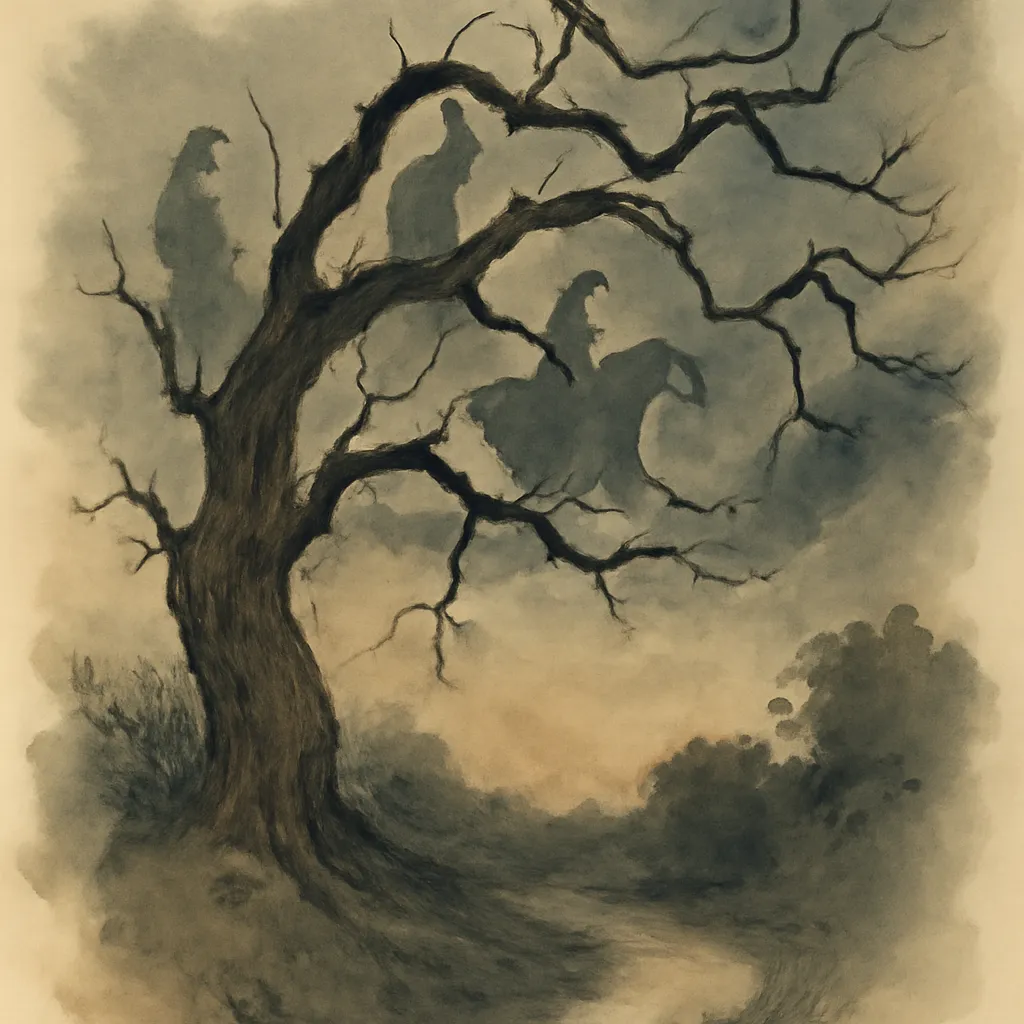
Folklore is a central theme in 'The Legend of Sleepy Hollow', shaping the characters' beliefs and actions. The story is deeply rooted in the local myths surrounding the Headless Horseman, a ghostly figure said to haunt the area. This myth serves as a cautionary tale, warning of the consequences of fear and superstition. Ichabod's encounter with the Horseman is not merely a supernatural event but a manifestation of his own anxieties and ambitions. The blending of reality and myth creates a rich tapestry that engages the reader's imagination and reflects the cultural fabric of early 19th-century America. The power of storytelling is highlighted, as local legends influence the characters' lives and decisions, ultimately leading Ichabod to confront the terrifying embodiment of his fears. The narrative suggests that while folklore can entertain, it can also serve as a mirror reflecting societal values and the human condition, illustrating how deeply ingrained beliefs can shape our lives in profound ways.
5.The Role of Nature as a Reflection of Mood
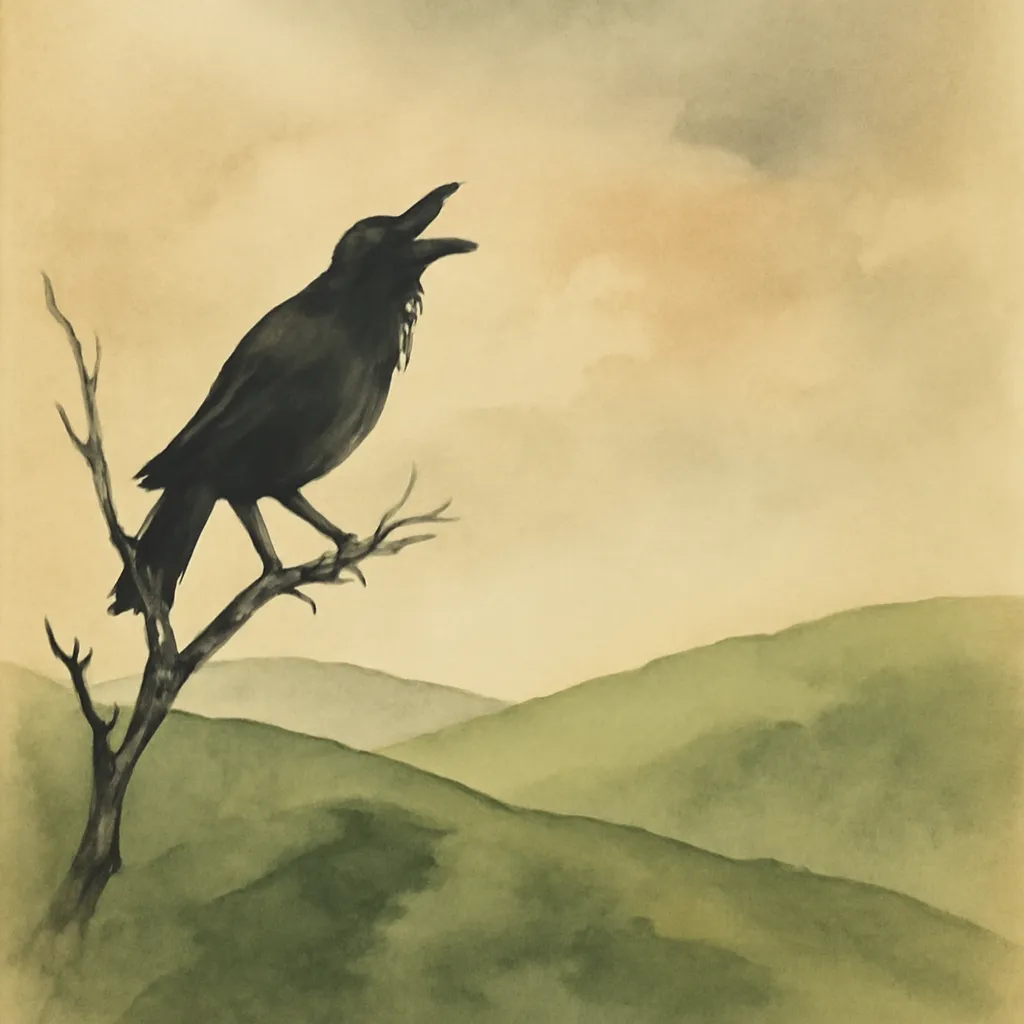
The natural landscape in Sleepy Hollow is intricately woven into the emotional landscape of the characters. As Ichabod journeys through the valley, nature mirrors his inner turmoil and aspirations. The serene beauty of the brook and the surrounding hills contrasts with the impending doom he faces in the form of the Horseman. The lush descriptions of the environment are not merely decorative; they serve to heighten the emotional stakes of the story. The changing seasons and the ambient sounds of the environment serve as a backdrop to the unfolding drama, reinforcing the themes of isolation and longing. Nature’s calmness juxtaposed with Ichabod’s growing anxiety creates a tension that permeates the narrative. This connection between characters and their surroundings emphasizes how the external world can influence one's internal state, creating a poignant reflection on the human experience. The interplay between nature and mood thus enriches the story, inviting readers to consider how our surroundings shape our feelings and perceptions.
6.A Feast as a Symbol of Social Status
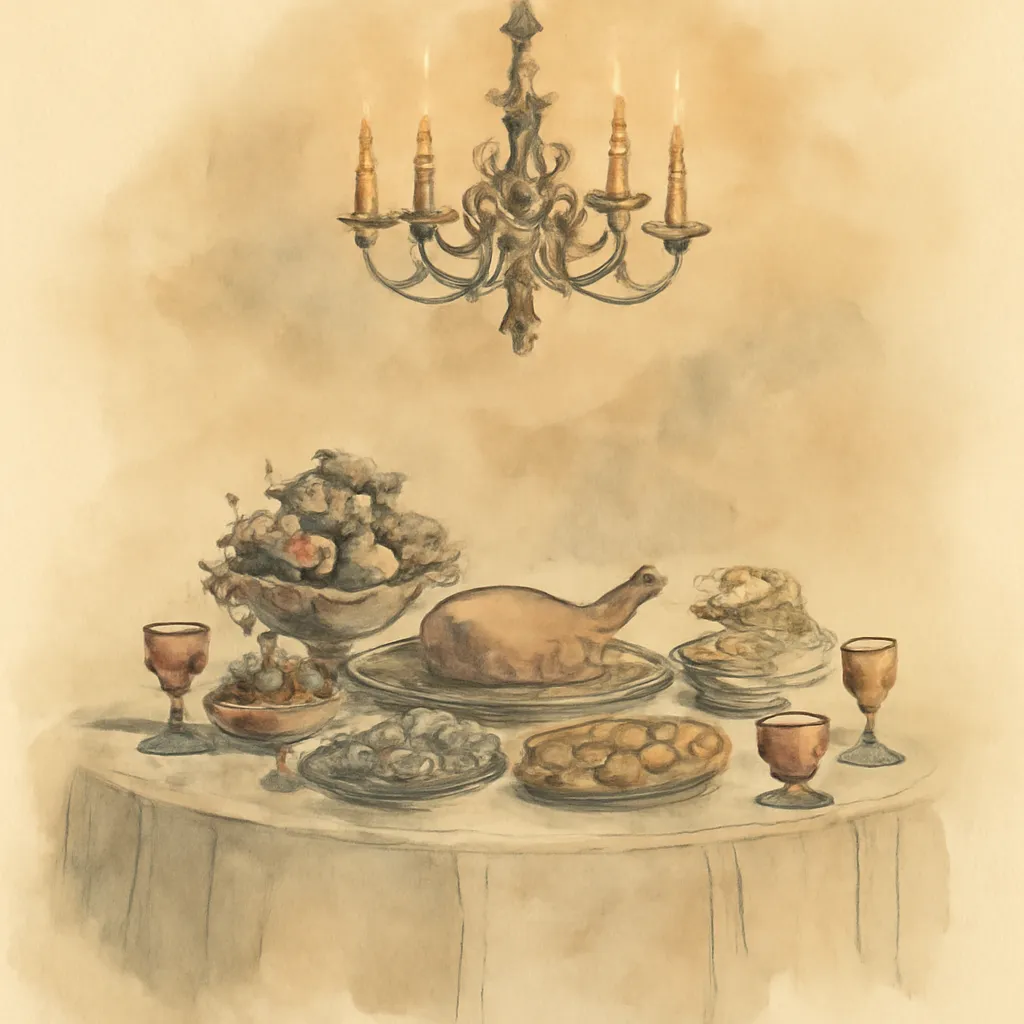
The lavish feast at Van Tassel's farm serves as a pivotal moment in the narrative, symbolizing the social hierarchies and aspirations of the characters. Ichabod's experience at the banquet is not just about indulging in culinary delights; it represents his desire for acceptance and belonging in a society that values wealth and status. The array of foods, from cakes to meats, illustrates the abundance that Ichabod yearns for, as he imagines himself as part of this prosperous world. The feast becomes a setting for rivalry, as Brom Bones and Ichabod’s contrasting approaches to social interactions come to the forefront. This scene encapsulates the social dynamics of the time, where food and hospitality were closely tied to one's identity and standing within the community. The banquet ultimately serves as a microcosm of the larger societal themes present in the story, highlighting how food not only nourishes but also signifies power and prestige. Through rich descriptions of the feast, the narrative critiques the superficiality of social aspirations, reminding readers that true worth cannot be measured by material wealth.
7.The Supernatural as a Reflection of Inner Conflict
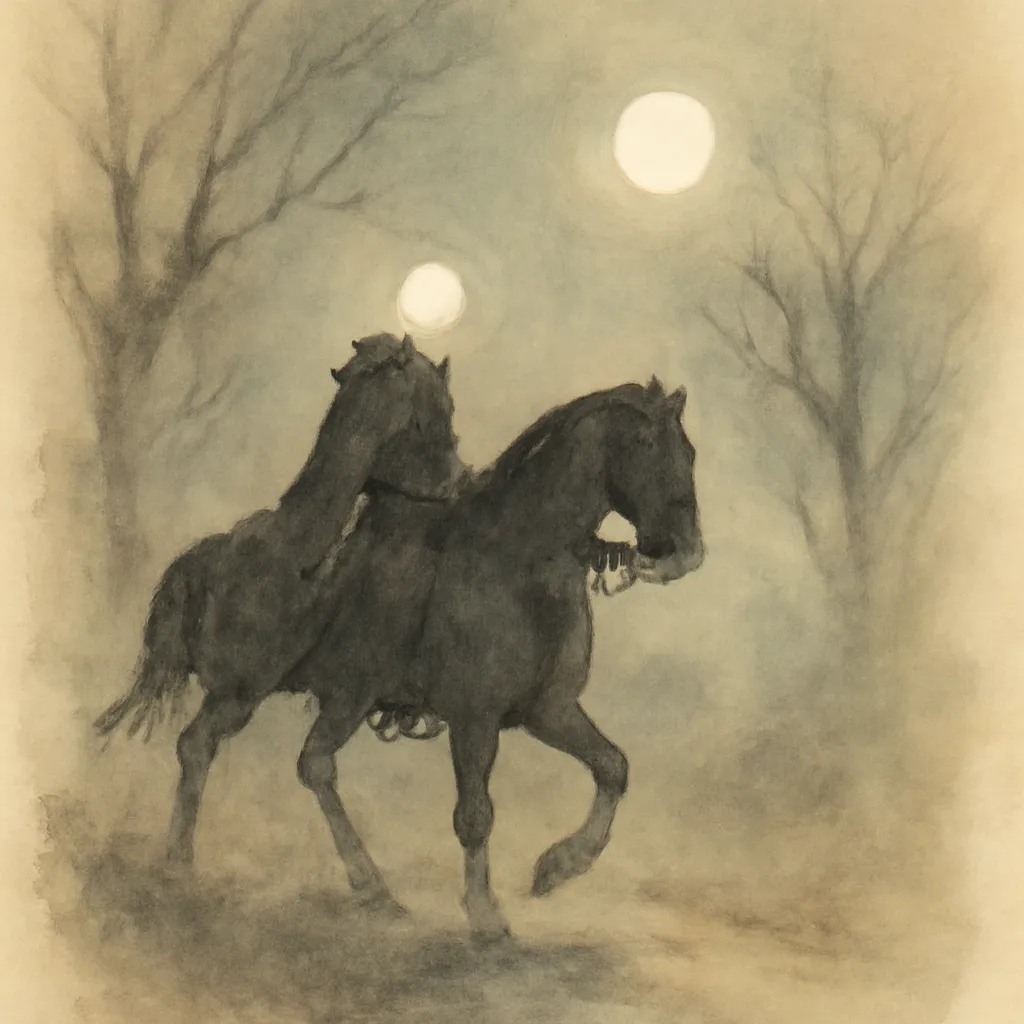
The supernatural elements in the story, particularly the Headless Horseman, symbolize Ichabod's inner conflicts and fears. As he grapples with his ambitions and insecurities, the ghostly figure becomes a manifestation of his anxieties about his place in the world. The Horseman's appearance is both a literal and metaphorical representation of the consequences of unchecked ambition and the dread of failure. Ichabod's flight from the Horseman mirrors his retreat from the realities of his life, highlighting a universal fear of facing one's demons. This interplay between the supernatural and the psychological adds layers to the narrative, inviting readers to explore the complexities of human emotions and the ways in which folklore can illuminate inner struggles. The story suggests that the monsters we fear are often reflections of our own vulnerabilities, illustrating how personal fears can take on larger-than-life forms when left unchecked. The climactic confrontation with the Horseman further emphasizes the idea that to overcome personal fears, one must confront them head-on.
8.The Climax and Its Aftermath
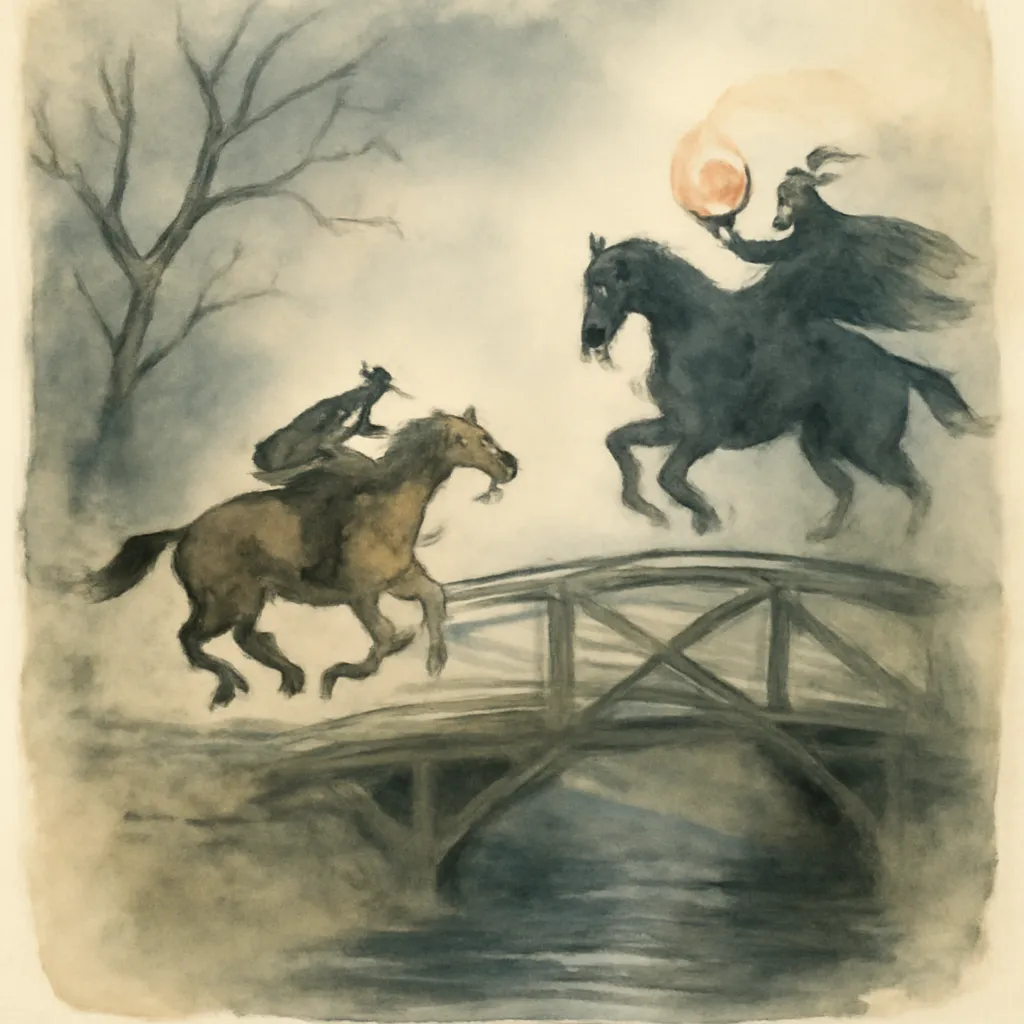
The climax of Ichabod's encounter with the Headless Horseman serves as a turning point in the narrative, leading to his disappearance and the subsequent mystery surrounding his fate. As Ichabod races towards the church bridge, believing it to be his salvation, the tension escalates, culminating in a dramatic confrontation with the spectral rider. The aftermath of this encounter leaves the community in a state of speculation, with Ichabod's absence sparking rumors and theories about his fate. The discovery of his hat and a shattered pumpkin serves as a tangible reminder of the night’s events, fueling the local legends. This ambiguous ending invites readers to ponder the nature of truth and myth, leaving them with a sense of intrigue and wonder about what truly happened to Ichabod. The unresolved fate of the protagonist underscores the story's exploration of fear and the unknown, emphasizing how folklore can shape perceptions of reality. The narrative concludes with a reflection on how stories evolve and grow in the telling, suggesting that the truth may be less important than the myths we create around it.
9.The Legacy of Ichabod Crane
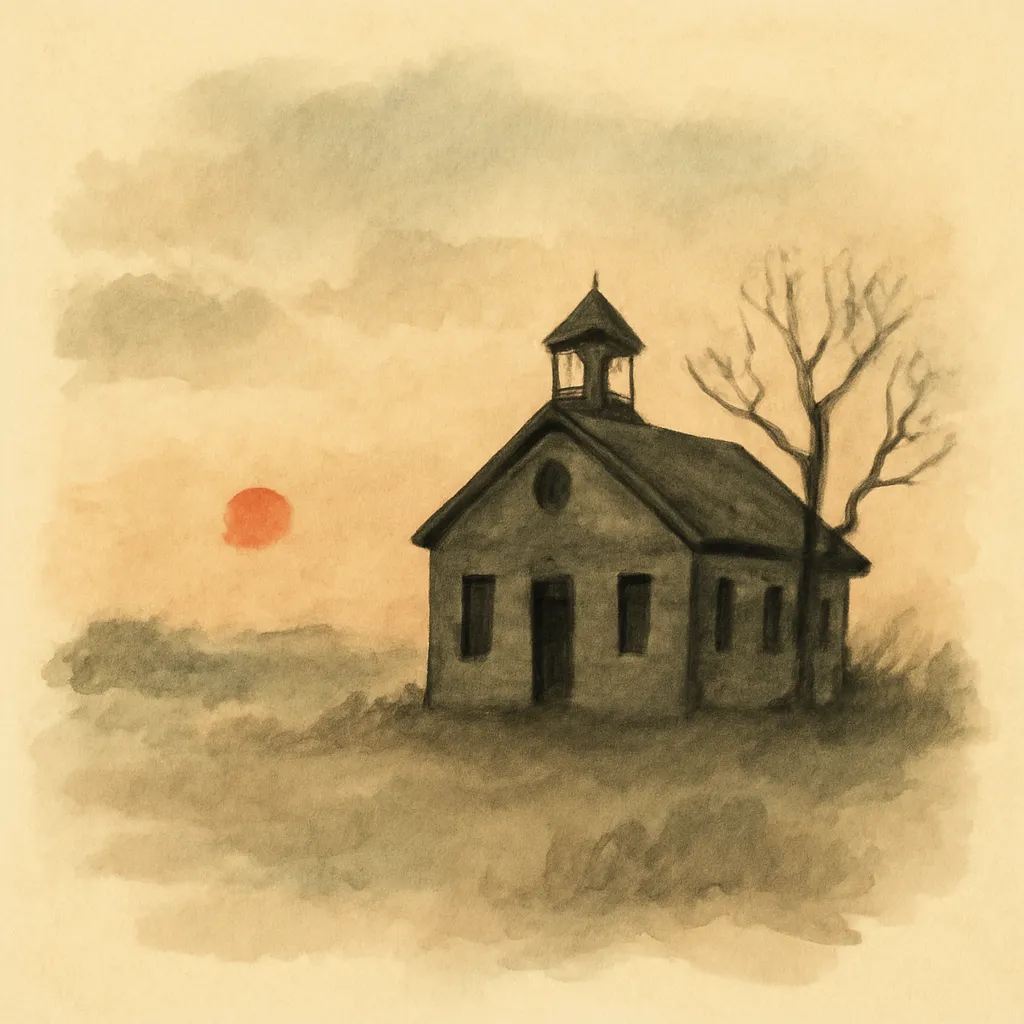
Ichabod Crane's character leaves a lasting legacy that extends beyond his immediate story. As a figure of ambition and aspiration, he embodies the complexities of human desires and the consequences of pursuing them without regard for reality. His tale serves as a cautionary reminder of how dreams can lead to unforeseen outcomes, particularly when intertwined with societal expectations. The narrative encourages reflection on the nature of success and the personal costs associated with it. Furthermore, Ichabod's story resonates with the broader themes of American folklore, illustrating how individual narratives contribute to the cultural memory of a community. His legacy is not just about his fate but about the lessons learned from his journey, inviting readers to consider their own aspirations and the paths they choose to follow. Ultimately, Ichabod Crane stands as a symbol of the eternal struggle between ambition and the unpredictable nature of life, reminding us that while the pursuit of dreams is noble, it is also fraught with peril.