1.War as Human Experience
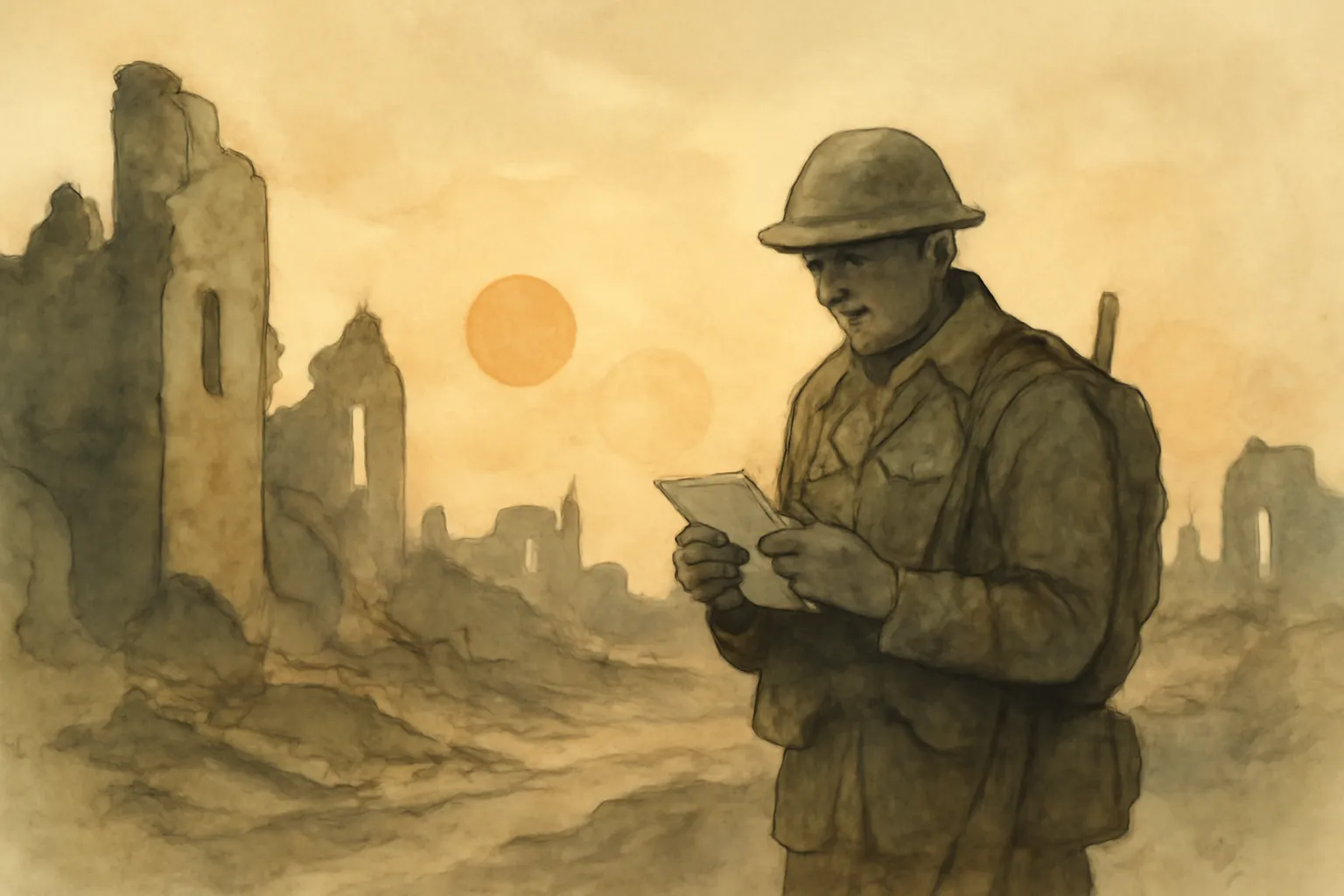
Atkinson’s trilogy is distinguished by its focus on the lived experience of soldiers, commanders, and civilians. He weaves personal stories and letters into the broader military narrative, showing how the war was shaped not just by grand strategy but by the fears, hopes, and flaws of individuals. This approach transforms distant battles into immediate, relatable drama, emphasizing that the outcome of the war depended on countless acts of endurance, error, and bravery.
2.The Complexity of Coalition Warfare
A central theme is the challenge of alliance: the British and Americans, though united against the Axis, often clashed over tactics, leadership, and priorities. Atkinson reveals how these tensions threatened to undermine the campaign, yet also forced innovation and adaptation. The trilogy explores the personalities—Eisenhower, Montgomery, Patton, and others—whose ambitions and disagreements shaped the course of the conflict.
3.Strategic Uncertainty and Cost
Atkinson shows that the Allied path to victory was never inevitable. The decision to invade North Africa, Sicily, and Italy was controversial, and the campaigns were marked by brutal conditions, high casualties, and frequent setbacks. The trilogy underscores that strategic choices were often gambles, with outcomes shaped by luck as much as planning. This uncertainty adds dramatic tension and underlines the immense cost of liberation.
4.The Evolution of the American Army
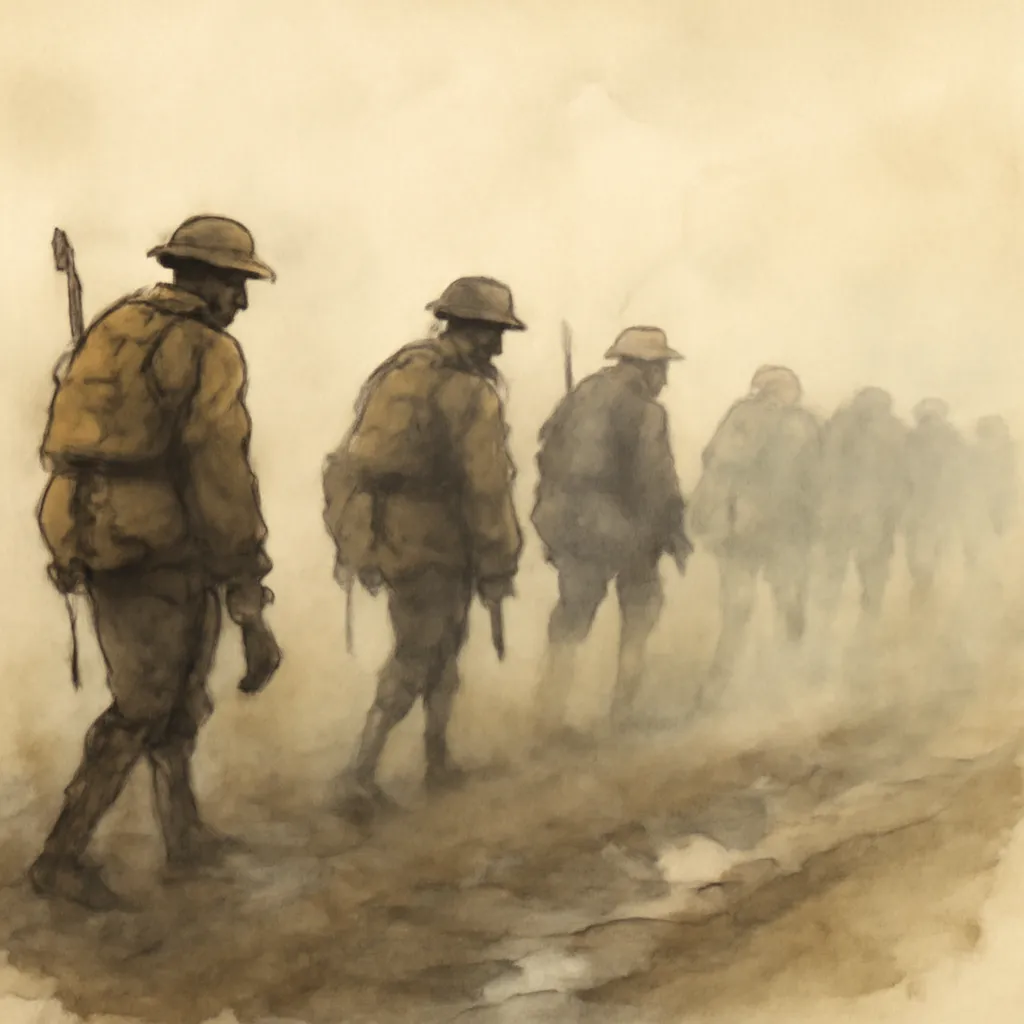
One of Atkinson’s key insights is the transformation of the U.S. Army from an inexperienced force into a formidable fighting machine. Through hard lessons in leadership, logistics, and combat, American soldiers and commanders adapted to the harsh realities of modern warfare. The trilogy traces this evolution, highlighting both the failures and the growing competence that enabled eventual victory.
5.Moral Ambiguity and the Burden of Command
Atkinson does not shy away from the moral complexities of war. He details not only heroism but also blunders, atrocities, and the psychological toll on leaders and troops. The trilogy examines how commanders like Mark Clark and Eisenhower grappled with impossible decisions, balancing military necessity with humanitarian concerns. This nuanced portrayal invites readers to reflect on the ethical dimensions of war.
6.The Power of Narrative History
Atkinson’s storytelling is a major strength: he brings battles to life with vivid detail and a novelist’s eye for character and setting. His use of primary sources and evocative prose makes the trilogy accessible to both scholars and general readers. This narrative approach bridges the gap between academic history and popular understanding, making the events of WWII immediate and compelling.