1.The Weight of Expectations
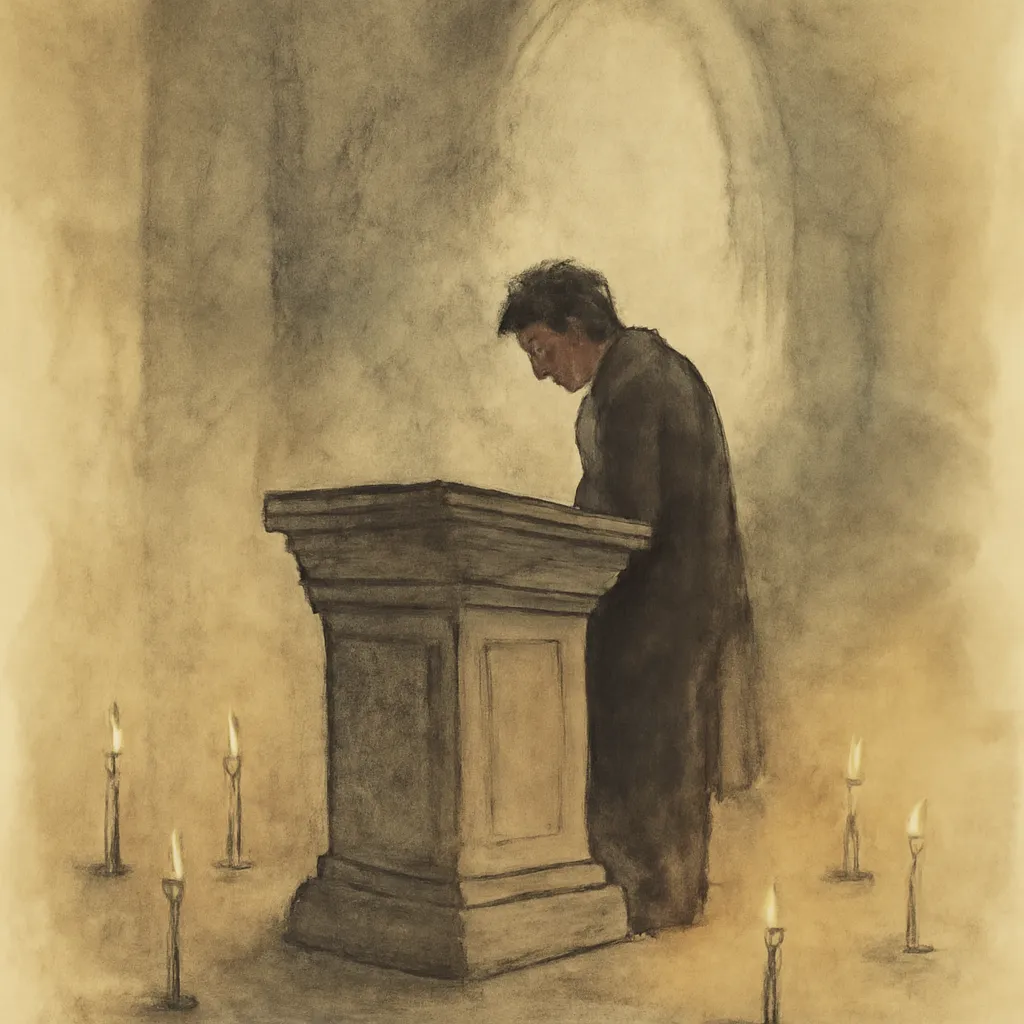
Ralph Peden embodies the struggle between personal desire and societal expectations. Raised in a strict religious environment, he is burdened by the weight of his father's aspirations for him to uphold the family name in a prestigious ministry. This pressure manifests in his interactions with Winsome Charteris, whom he finds captivating yet feels he must approach with caution. His internal conflict is palpable; he yearns for a connection with Winsome but fears the implications of such a relationship on his future. Crockett effectively illustrates how Ralph's upbringing creates an emotional barrier that he must confront as he navigates his feelings. The theme highlights the broader societal pressures that dictate personal choices, making Ralph's journey relatable to anyone who has faced the expectations of family and community. The nuances of his emotional state are further explored through his dialogues, where he oscillates between longing and trepidation, capturing the essence of youthful love complicated by external pressures.
2.The Power of Nature
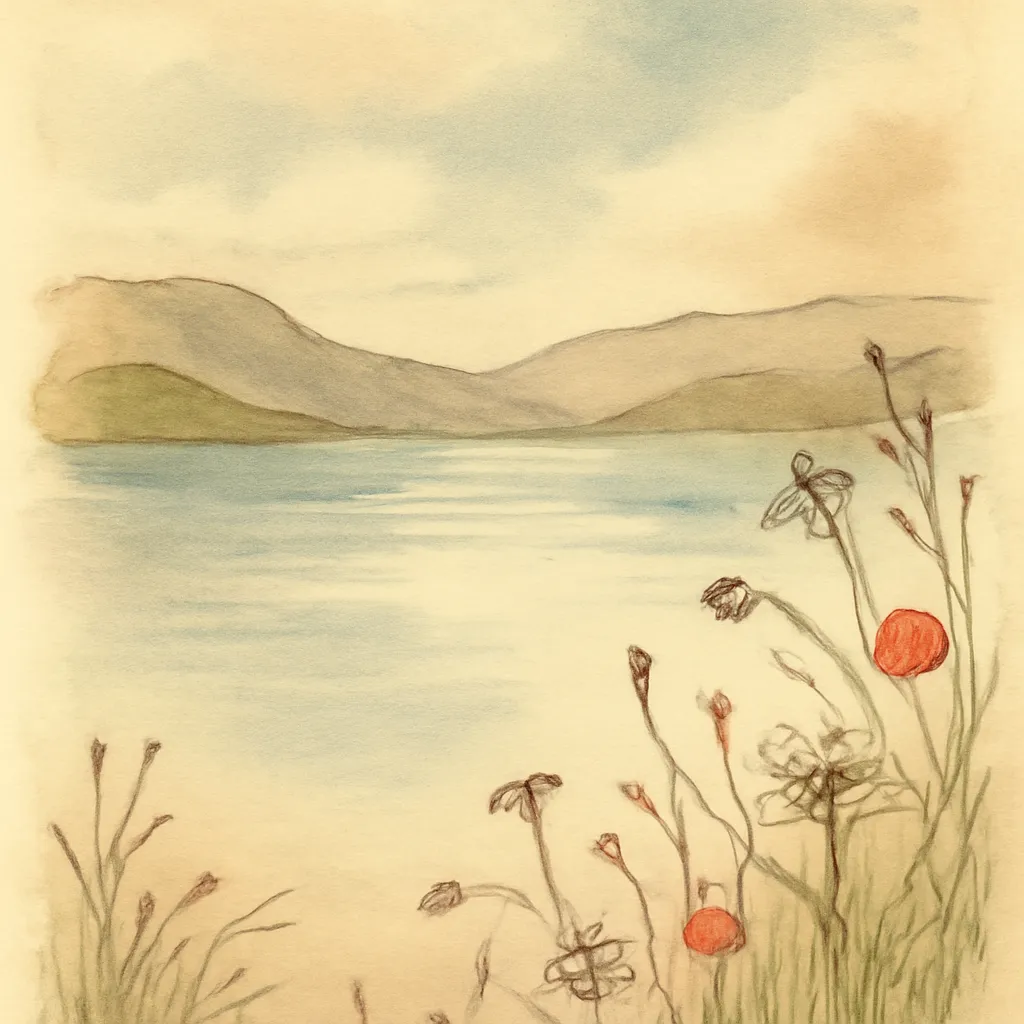
Crockett masterfully uses the Galloway landscape as a character in its own right, enriching the narrative and reflecting the emotional states of the protagonists. The vivid descriptions of the heather-covered hills, the tranquil lochs, and the vibrant flora create a sensory experience that immerses readers in the setting. For Ralph, nature serves as a refuge and a source of inspiration, allowing him to contemplate his feelings and aspirations away from societal scrutiny. The landscapes are not simply backdrops; they mirror Ralph's inner turmoil and evolution throughout the narrative. For instance, his moments of solitude in nature often coincide with critical reflections on his aspirations and fears, suggesting that the natural world plays a crucial role in his self-discovery. The interplay between the characters' emotions and the natural world emphasizes the idea that beauty and solace can be found in both love and the environment, inviting readers to appreciate the healing power of nature as a vessel for emotional exploration.
3.Love as a Transformative Force

The budding romance between Ralph and Winsome illustrates love's ability to transform individuals. Initially, Ralph is a reserved and introspective character, focused on his studies and the expectations placed upon him. However, as he interacts with Winsome, he begins to awaken emotionally and socially. Her vivacity and charm challenge his cold demeanor, encouraging him to embrace vulnerability. This transformation is pivotal; Ralph transitions from viewing love as a potential distraction from his scholarly endeavors to recognizing it as a vital component of a fulfilling life. Winsome, too, experiences growth through her relationship with Ralph. Her character evolves from one who is somewhat sheltered by her rural upbringing to a young woman who asserts her desires and ambitions. The narrative suggests that love not only deepens connections between individuals but also serves as a catalyst for personal development, pushing characters to confront their fears and desires. The profound impact of love is a recurring theme, illustrating how it can propel individuals out of their comfort zones and lead to profound self-realization.
4.The Complexity of Gender Roles

Crockett explores the rigid gender roles prevalent in rural Scotland during the time period. Winsome Charteris is portrayed as a strong, independent woman who defies conventional expectations. Her character challenges the notion that women should be passive and submissive, as she actively engages with her environment and expresses her opinions. For example, her interactions with Ralph highlight that she is not merely a muse but a partner with her own ambitions and desires. This complexity is further highlighted through her interactions with male characters, such as Ralph and Agnew Greatorix, who embody different aspects of masculinity. Ralph's intellectualism contrasts sharply with Agnew's more traditional, assertive masculinity, creating a dynamic tension in the narrative. Through these dynamics, the story critiques traditional gender roles and suggests that true partnership in love requires mutual respect and understanding. The exploration of gender roles invites readers to consider the implications of societal norms on personal relationships, particularly how they shape the aspirations and behaviors of both men and women.
5.The Influence of Class and Social Status

Social class plays a crucial role in the characters' interactions and the unfolding of their relationships. Ralph, as a student from a respected family, faces scrutiny for his affections towards Winsome, who comes from a less affluent background. This class disparity creates tension and self-doubt, especially for Ralph, who grapples with the implications of pursuing a relationship with someone deemed 'beneath' him socially. The way their relationship is perceived by others, particularly in the small community of Craig Ronald, amplifies Ralph’s insecurities. This tension is palpable during their encounters, where societal judgment looms large, influencing their behavior and decisions. Crockett effectively illustrates how societal hierarchies can hinder personal connections and create barriers to love. The narrative emphasizes that while love may transcend social boundaries, the repercussions of class distinctions are palpable and often serve as formidable obstacles that the characters must navigate. As Ralph struggles with his feelings for Winsome, readers are reminded of the arbitrary nature of class distinctions and the emotional toll they can impose.
6.The Role of Community
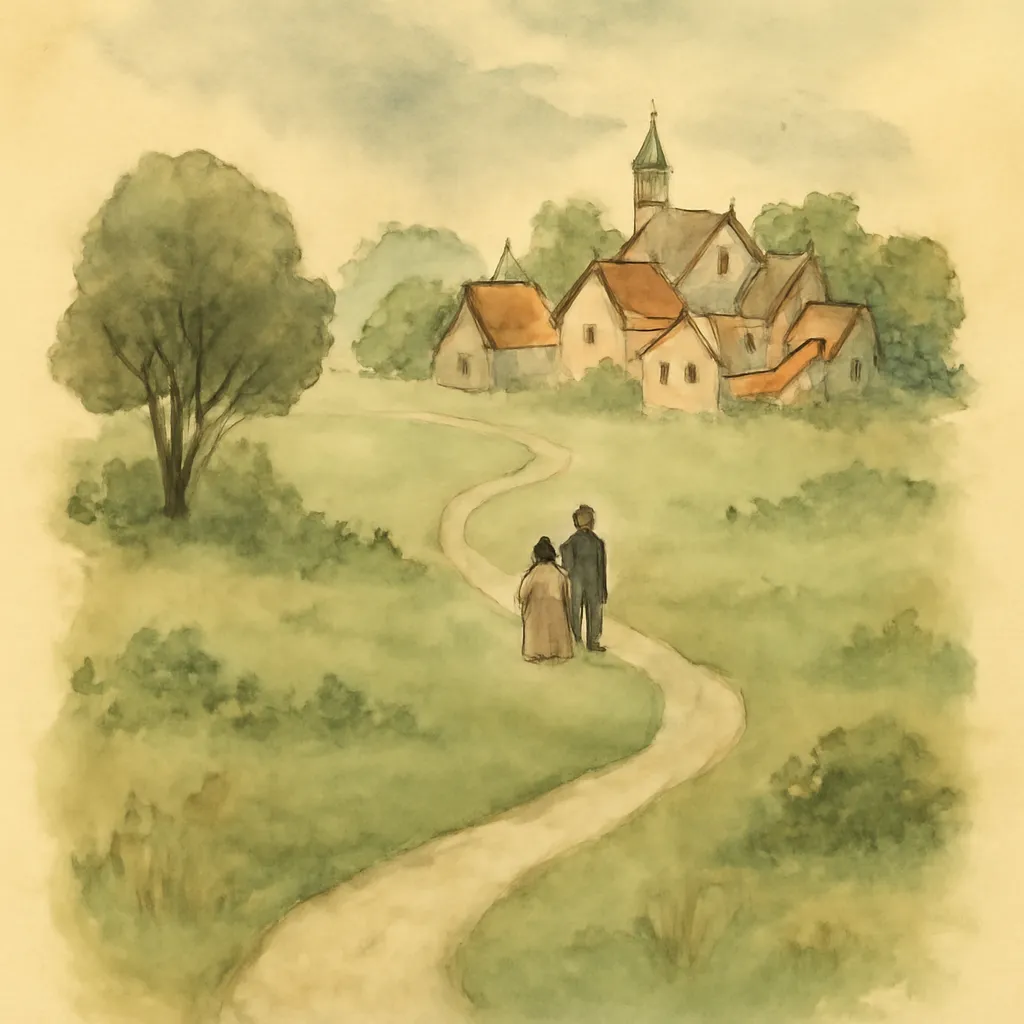
The small community of Craig Ronald serves as both a support system and an obstacle for the characters. The close-knit nature of the village means that everyone is aware of each other's affairs, leading to gossip and scrutiny. This communal oversight pressures Ralph and Winsome, as they must navigate their budding romance under the watchful eyes of their neighbors. Crockett illustrates this point through the characters' interactions, where the implications of their relationship are often dictated by community norms and expectations. However, the community also provides a sense of belonging and shared experience, showcasing the duality of small-town life. The support of friends and family members, seen in the camaraderie of characters like Meg Kissock, adds depth to the narrative, indicating the importance of social bonds. This exploration invites readers to consider the impact of communal ties on individual choices and relationships, ultimately suggesting that while love can be a private affair, it is invariably affected by the public eye of the community.
7.The Journey of Self-Discovery
Ralph's journey throughout the novel is one of self-discovery, as he learns to reconcile his intellectual pursuits with his emotional needs. Initially, he is more comfortable with abstract theological debates than with the tangible emotions stirred by Winsome. However, as he spends time with her, he begins to realize the importance of love and connection in shaping his identity. The moments he shares with Winsome serve as pivotal points in his growth; they challenge his preconceived notions of duty and success. The transformation in his character is gradually revealed through his thoughts, actions, and the shifts in his relationships. Ralph’s evolution encourages readers to reflect on their own journeys of self-discovery, as they navigate the complexities of their identities and relationships. The narrative underscores that understanding oneself is a prerequisite for forming meaningful connections and achieving personal fulfillment.
8.The Role of Wisdom and Folly
Crockett imbues the narrative with a sense of wisdom that contrasts with the folly often exhibited by the characters. The older generation, represented by figures like Walter Skirving and Allan Welsh, offers a perspective that highlights the importance of patience and understanding in love. Their experiences serve as cautionary tales, reminding younger characters of the potential consequences of their actions. In contrast, the youthful characters often act impulsively, driven by passion rather than reason. For instance, Winsome's initial flirtations with Ralph are marked by innocence and spontaneity, while Ralph's internal conflicts reflect a more serious and contemplative approach. This interplay between wisdom and folly serves as a reminder that love is a complex emotion that can lead to both joy and heartache. The narrative encourages readers to seek wisdom in their own romantic endeavors, understanding that love requires more than mere attraction; it demands reflection, maturity, and a willingness to navigate the complexities of human emotions.
9.The Symbolism of the Lilac Sunbonnet
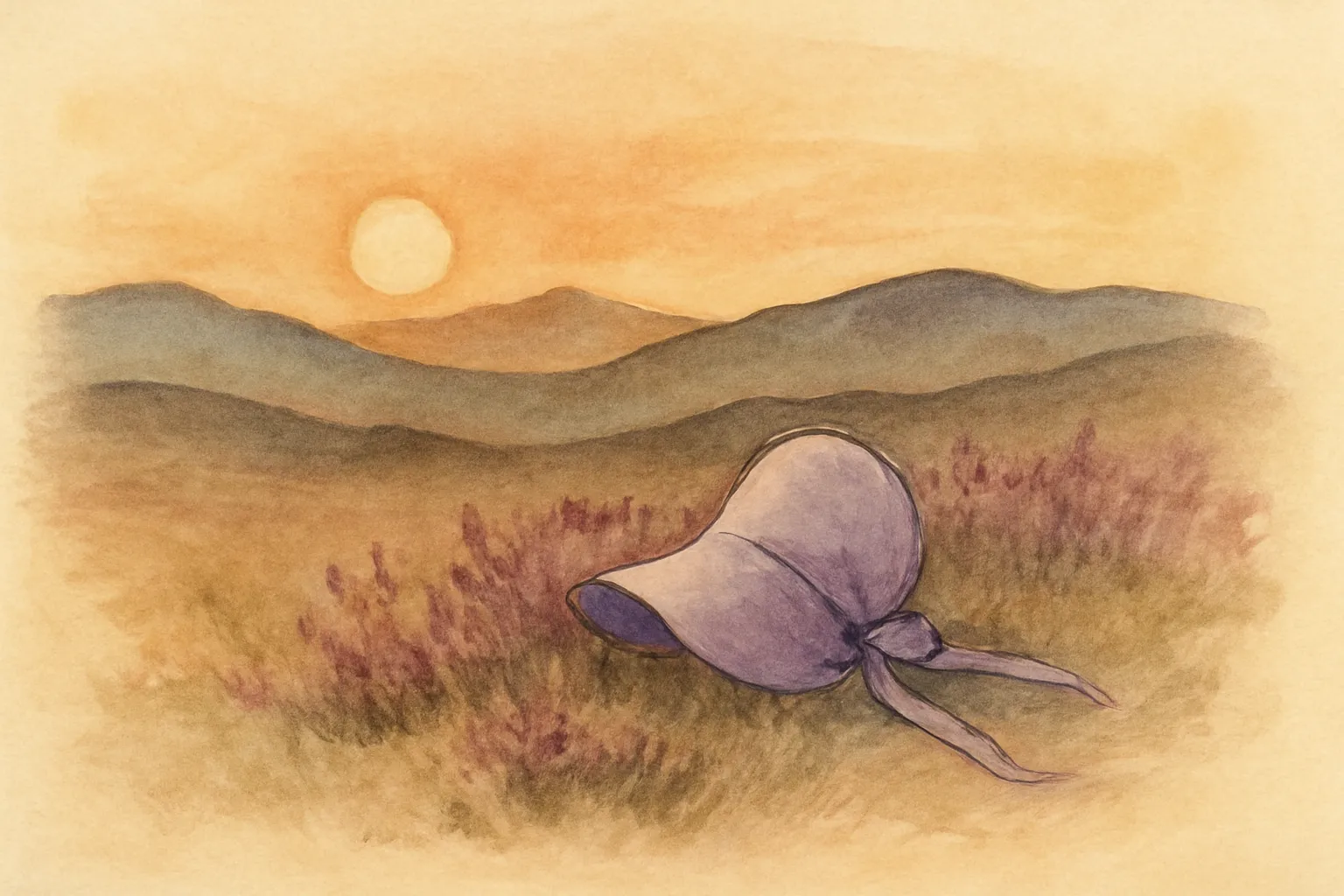
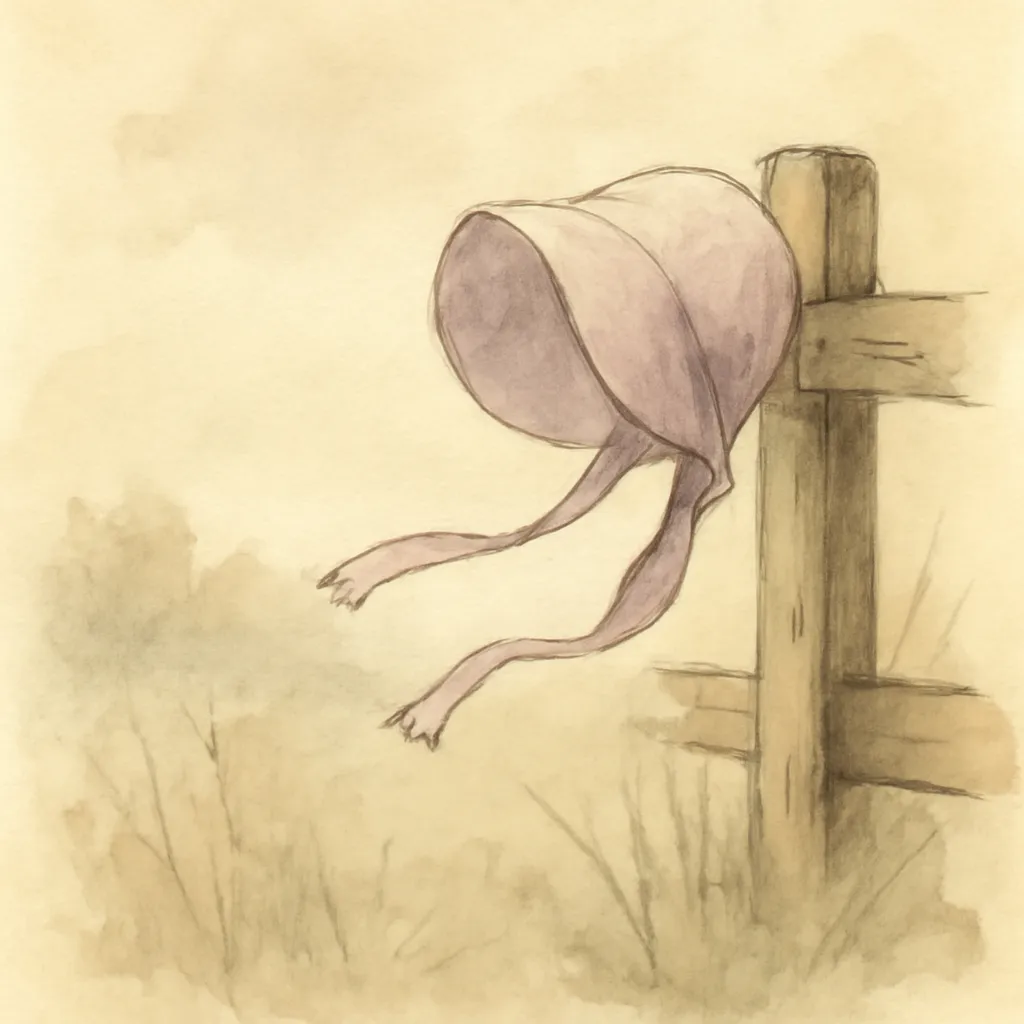
The titular lilac sunbonnet represents more than just a piece of clothing; it embodies the essence of Winsome's character and her connection to nature. The sunbonnet symbolizes innocence, beauty, and the protective nature of love. As Winsome dons the bonnet, it becomes a visual metaphor for her journey into womanhood and her burgeoning relationship with Ralph. The color lilac, often associated with first love and the transient nature of youth, further underscores the themes of romance and the bittersweet passage of time. The imagery surrounding the sunbonnet, coupled with the moments shared between Winsome and Ralph, serves to deepen the emotional resonance of the story. Through this symbolism, Crockett invites readers to reflect on the significance of personal symbols in their own lives, particularly how they can represent pivotal moments of growth and transformation.
10.The Interplay of Humor and Tragedy
Crockett skillfully balances moments of humor with the underlying currents of tragedy in the narrative. Characters like Meg Kissock and Saunders Mowdiewort provide comic relief through their witty banter and playful interactions, lightening the mood amidst the more serious themes of love and societal expectations. However, the humor is often tinged with a sense of sadness, as characters grapple with unfulfilled desires and the constraints of their circumstances. The presence of humor serves to humanize the characters, making their struggles more relatable and engaging. This interplay enriches the narrative, reminding readers that life is often a blend of joy and sorrow, and that humor can serve as a coping mechanism in the face of adversity. The narrative suggests that even amidst trials, laughter can provide solace and a sense of community, offering a pathway to resilience.