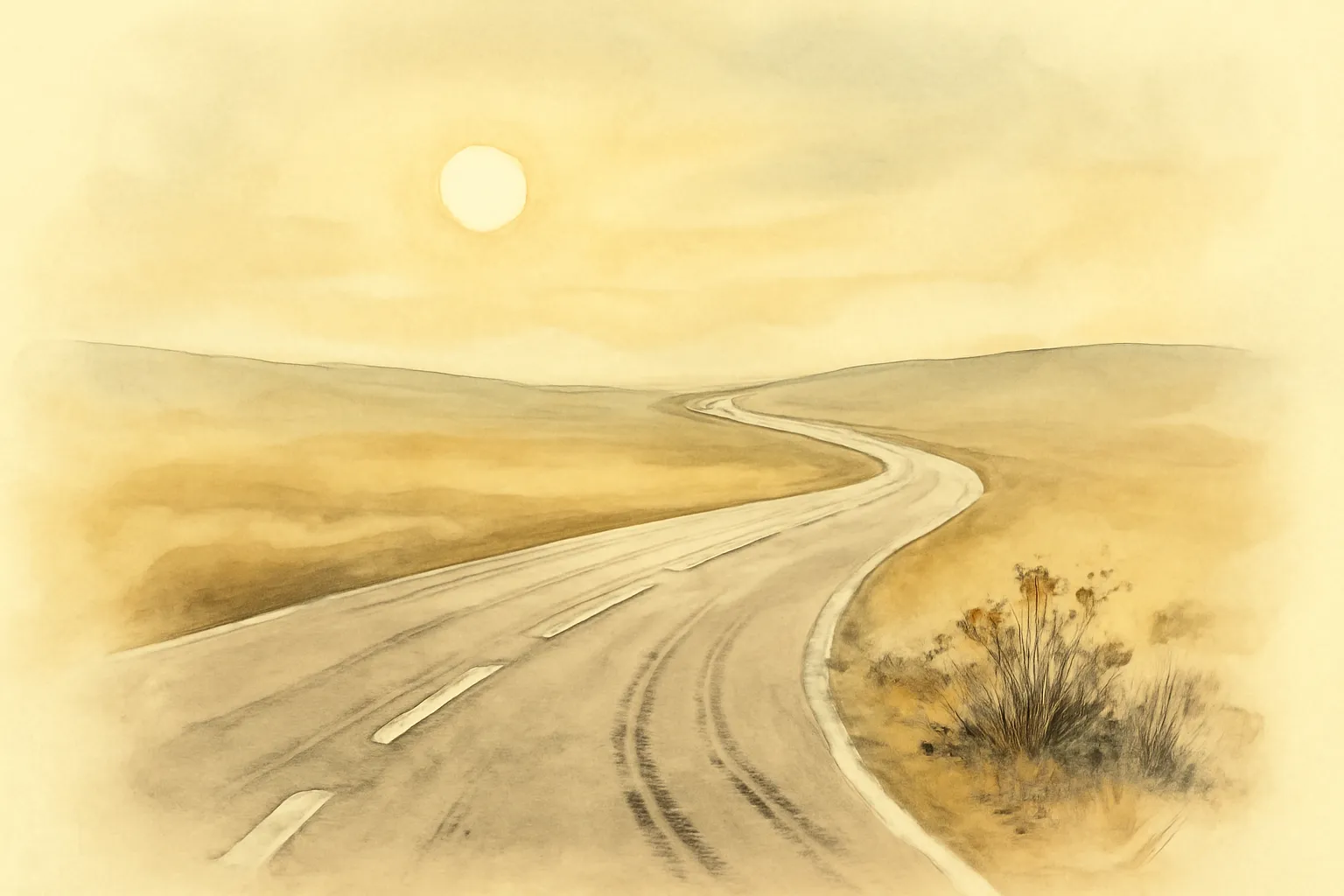
1.The American Road as Metaphor
Towles uses the literal journey along the Lincoln Highway to symbolize the broader American quest for self-invention and escape from the past. The road is not just a setting but a crucible for transformation, where each character confronts their hopes, regrets, and the unpredictability of fate. The novel interrogates whether reinvention is truly possible or if we are forever tethered to where we come from.
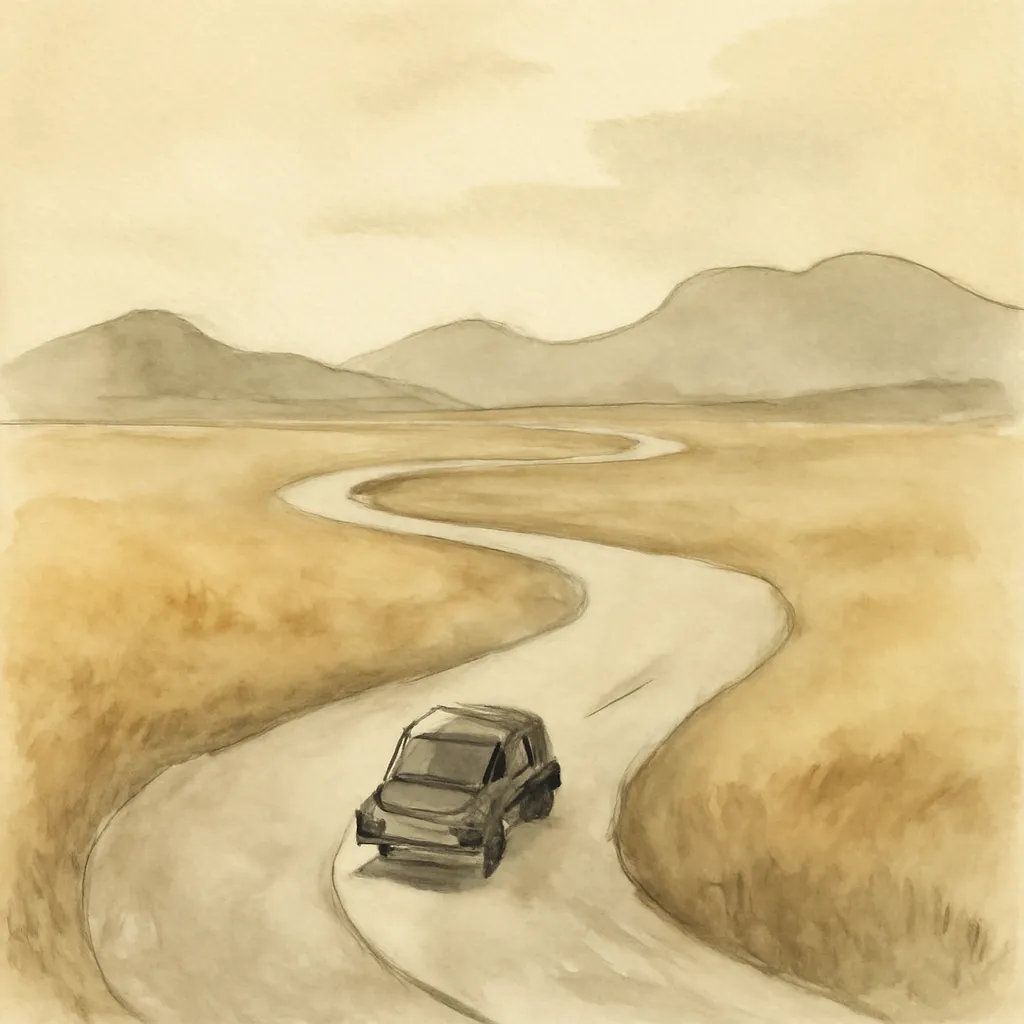
2.Brotherhood and Chosen Family
At its core, the story is about the bonds between Emmett and his younger brother Billy, and how these are tested and redefined by the arrival of Duchess and Woolly. The novel explores what it means to be responsible for others, the limits of loyalty, and how family can be both a burden and a source of redemption. The shifting alliances and betrayals among the foursome highlight the complexity of human connection.
3.Moral Ambiguity and Second Chances
Towles resists easy moral judgments, presenting characters who are flawed, sympathetic, and sometimes reckless. Emmett’s past crime, Duchess’s schemes, and Woolly’s vulnerability all raise questions about culpability and forgiveness. The narrative asks whether people can truly change, and what it takes to break free from cycles of guilt and misfortune.
4.The Power of Storytelling and Myth
Billy’s fascination with heroes and legends, and the stories the characters tell themselves, shape their decisions and self-understanding. The novel meditates on how narratives—personal and cultural—can inspire hope, justify actions, or obscure reality. This theme is woven through the book’s structure, which itself echoes the episodic nature of classic American road tales.
5.Class, Fate, and the American Dream
Set against the backdrop of 1950s America, the novel interrogates the promises and pitfalls of the American Dream. The characters’ differing backgrounds—rural poverty, privilege, institutionalization—frame their ambitions and disappointments. Towles examines how class and circumstance shape opportunity, and whether grit or luck is the real driver of success.
6.Time, Memory, and the Weight of the Past
The ten-day timeframe creates a sense of urgency, but the characters are constantly reckoning with their histories. Flashbacks and memories interweave with the present, revealing how the past exerts a gravitational pull. The novel suggests that moving forward requires both reckoning with and, at times, letting go of what came before.