1.Warwick Hall: A Castle of Dreams
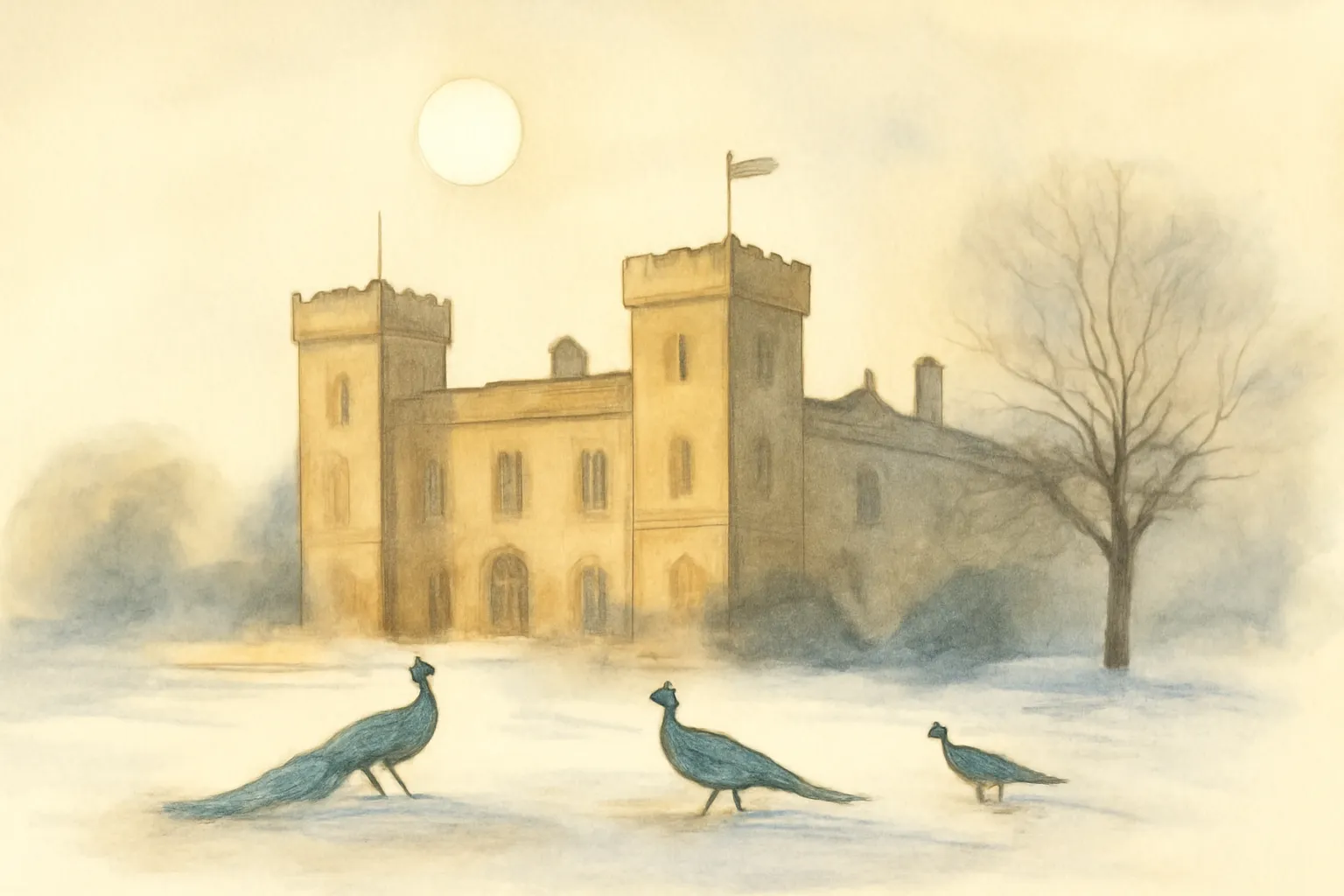
Warwick Hall is portrayed as more than just a modern boarding school; it embodies a sense of grandeur reminiscent of an old English castle. With its high towers, marble steps, and peacocks strutting about, the setting evokes a nostalgic charm that captivates both the characters and readers alike. Madam Chartley, the headmistress, infuses her ancestral home with a sense of history and tradition, believing that such an environment instills respect for age and heritage in her students. This backdrop not only sets the stage for the girls' adventures but also acts as a character in its own right, influencing their experiences and personal growth. The grandeur of Warwick Hall contrasts with the everyday lives of the girls, emphasizing the blend of fantasy and reality in their lives as they navigate adolescence.
2.The Personal Touch of Madam Chartley
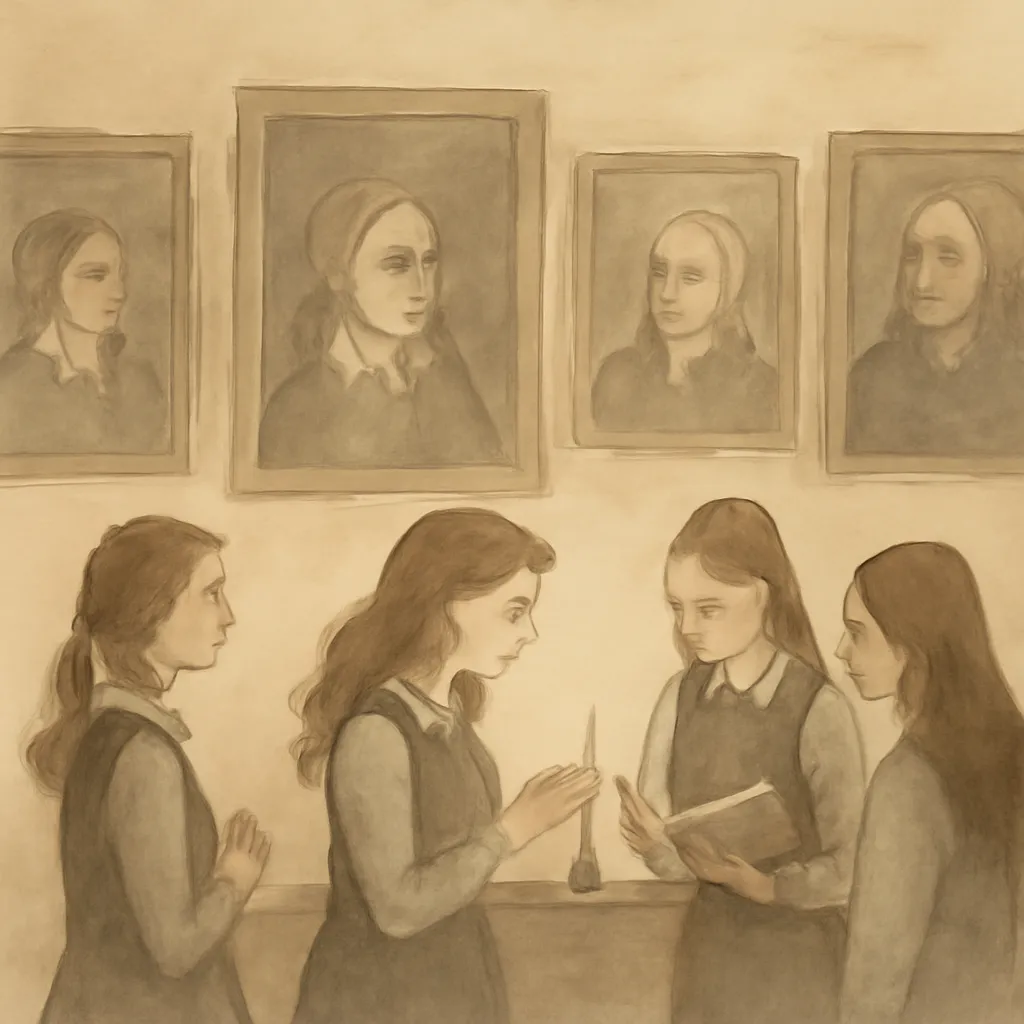
Madam Chartley’s personal engagement with her students highlights the importance of mentorship in education. She takes the time to know each girl individually, ensuring that they feel valued and understood in a large institution. This personal touch fosters a sense of belonging among the students, encouraging them to aspire to higher standards. For instance, Kitty Walton's humorous struggle to resist Madam Chartley’s influence illustrates the headmistress's ability to inspire her students to embrace their potential. By instilling a motto of excellence and character, Madam Chartley challenges the girls to balance their playful natures with responsibility and personal growth. Her approach represents the profound impact that dedicated educators can have on young lives, shaping their futures through encouragement and guidance.
3.Friendship and Rivalry: A Delicate Balance
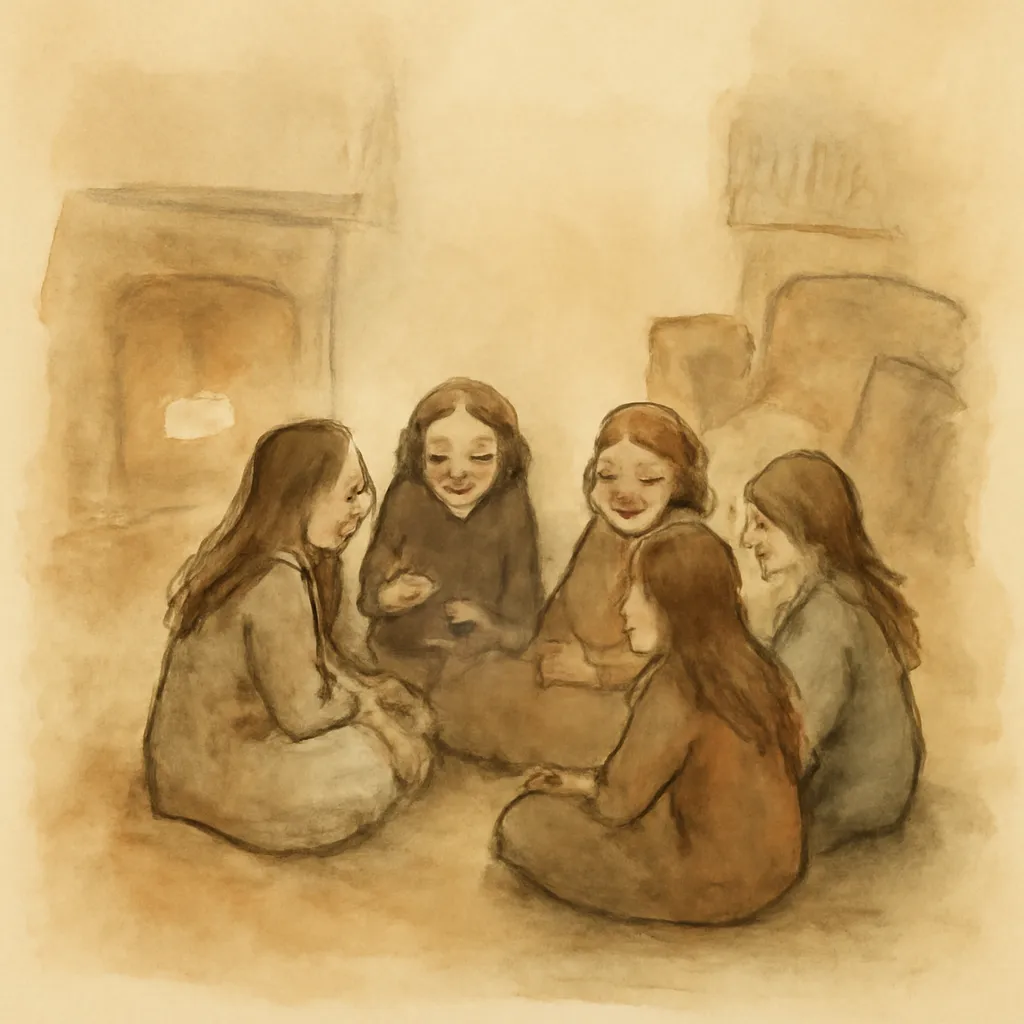
The relationships among the girls at Warwick Hall are marked by both camaraderie and rivalry. Betty, Lloyd, Kitty, and their friends navigate the complexities of friendship, often experiencing moments of jealousy and competition alongside their deep bonds. For example, the playful banter during their Limerick challenge fosters a spirit of creativity and fun, yet it also reveals underlying insecurities and the desire for approval. Johnston adeptly captures these nuances, illustrating how friendship can be both a source of strength and conflict. The girls learn to support one another in their pursuits while acknowledging their individual aspirations, creating a rich tapestry of interactions that resonates with anyone familiar with the trials of young friendships. This dynamic serves as a reminder that personal growth often occurs within the context of our relationships with others.
4.The Spirit of Christmas: Anticipation and Disappointment
As the holiday season approaches, the girls at Warwick Hall are filled with excitement and anticipation, embodying the spirit of Christmas. Lloyd's fervent wish to make the most of the season, despite her illness, reflects the universal longing for joy and connection during this time. However, the story also delves into the theme of disappointment when circumstances do not align with expectations. Lloyd's struggle to keep up with her studies and Christmas preparations while recovering from illness highlights the tension between aspiration and reality. This duality of joy and sorrow during the holidays resonates deeply, as it mirrors the experiences of many who find themselves facing challenges amidst the festive cheer. Johnston poignantly navigates these themes, reminding readers that the true spirit of Christmas lies not just in celebration but also in the resilience to overcome setbacks.
5.Adventures in the Snow: A Celebration of Youth
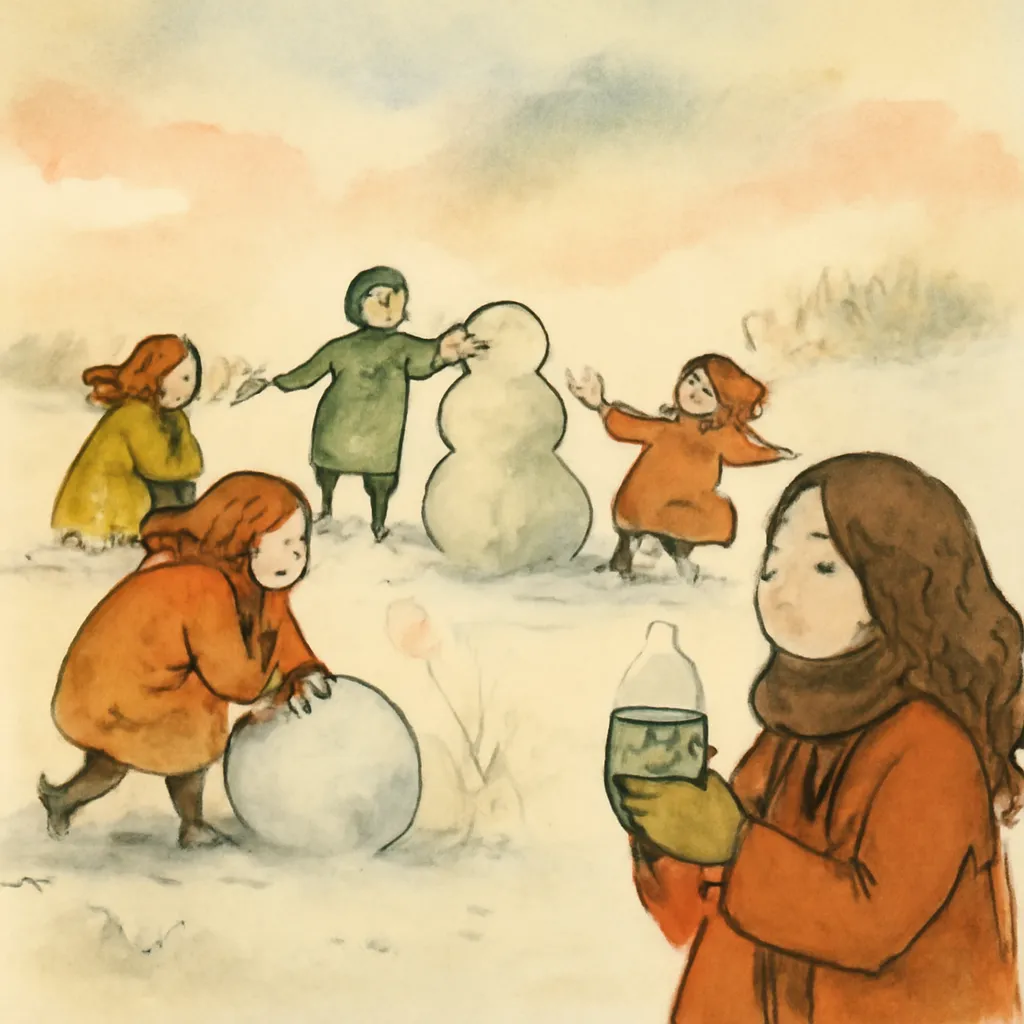
The girls’ spontaneous adventures, such as the picnic in the snow, capture the essence of youthful exuberance and the joy of friendship. Lloyd and her friends embrace the winter landscape, transforming a cold day into a memorable experience filled with laughter and camaraderie. This scene serves as a celebration of the small joys that make childhood special, emphasizing the importance of seizing the moment and creating memories with friends. The playful interactions and shared excitement foster a sense of unity among the girls, reinforcing the bonds that will carry them through their challenges. Johnston skillfully illustrates how these simple pleasures can provide a respite from the pressures of school and growing up, ultimately enriching the girls’ lives and solidifying their friendships.
6.The Weight of Expectations
Lloyd's journey throughout the story is marked by the weight of expectations—both her own and those imposed by others. As she grapples with her academic responsibilities and the desire to excel, she faces the emotional turmoil of feeling inadequate. Her determination to catch up after her illness reveals her inner drive but also exposes the pressure she feels to meet certain standards. This struggle is relatable for many, as it reflects the societal expectations placed on young individuals to succeed academically and socially. Johnston poignantly captures this tension, showcasing how Lloyd learns to navigate these pressures while seeking her identity and self-worth. The narrative encourages readers to reflect on their own experiences with expectations and the importance of self-acceptance.
7.Creative Outlets: The Power of Expression
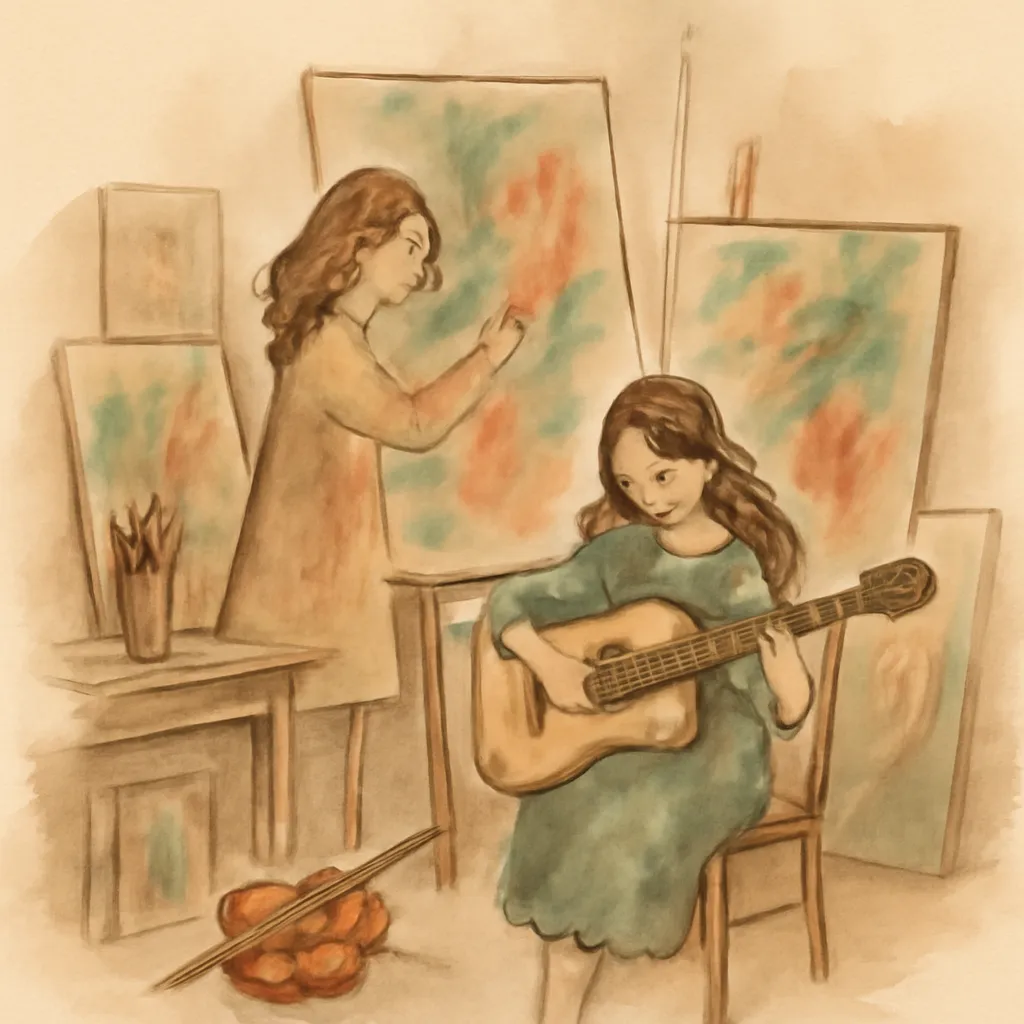
Throughout the narrative, creative expression emerges as a vital outlet for the girls at Warwick Hall. Whether through Kitty's memory-book, artistic endeavors, or musical pursuits, the girls find solace and joy in their creative activities. This theme underscores the significance of artistic expression as a means of processing emotions and experiences. For instance, Kitty's memory-book serves not only as a collection of mementos but also as a testament to their shared experiences and growth. By documenting their journey, the girls create a narrative that honors their friendships and the memories they forge together. Johnston emphasizes that creativity is not just a pastime but a powerful tool for self-discovery and connection, enabling the girls to articulate their feelings and navigate the complexities of adolescence.
8.The Role of Tradition and Heritage
Tradition and heritage play a significant role in shaping the characters’ identities and experiences throughout the story. Warwick Hall, with its historical significance and Madam Chartley’s commitment to preserving its legacy, serves as a backdrop that influences the girls’ understanding of their own backgrounds. The characters grapple with their familial expectations and the weight of history, particularly as they navigate their paths in a modern world. This exploration of tradition is particularly evident during the Christmas celebrations, where the girls engage in rituals that connect them to their past. Johnston’s portrayal of these traditions invites readers to reflect on their own cultural heritage and the ways in which it informs their lives. The narrative underscores the importance of honoring one’s roots while forging new paths, highlighting the balance between tradition and individuality.
9.Growing Up: A Journey of Self-Discovery
At its core, 'The Little Colonel's Christmas Vacation' is a coming-of-age story that explores the journey of self-discovery faced by Lloyd and her friends. As they navigate the challenges of adolescence, the girls learn valuable lessons about friendship, resilience, and the importance of staying true to oneself. Lloyd's experiences, from her illness to her struggles with academic pressures, serve as catalysts for her personal growth. Through her journey, she begins to understand the significance of embracing her individuality while also valuing her connections with others. Johnston crafts a narrative that resonates with readers of all ages, encouraging them to reflect on their own journeys of self-discovery and the lessons learned along the way. This theme of growth is universal, reminding us that the path to adulthood is often paved with both triumphs and setbacks.
10.The Importance of Community
The sense of community at Warwick Hall is a vital aspect of the girls' experiences, illustrating the impact of supportive relationships on personal development. Through their interactions with one another, as well as with Madam Chartley and the school staff, the girls cultivate a nurturing environment that fosters growth and resilience. The friendships they form serve as a source of strength during difficult times, reinforcing the idea that no one has to navigate life's challenges alone. The supportive community extends beyond the school, as seen in Lloyd's interactions with the residents of the Valley. Her efforts to connect with others, such as visiting Mrs. Bisbee and the Crisps, highlight the importance of kindness and generosity in fostering a sense of belonging. Johnston emphasizes that community is an essential component of well-being, reminding readers of the value of connection in overcoming obstacles.