1.The Price of Loyalty
At its core, The Long Goodbye explores what it means to be loyal in a world where trust is scarce. Marlowe’s decision to help Terry Lennox, despite knowing little about him, sets off a chain of consequences that test the limits of his own code. Chandler uses Marlowe’s loyalty not just as a plot device, but as a way to question whether sticking to your principles is admirable or simply naïve when everyone else seems compromised.
2.Disillusionment with Society
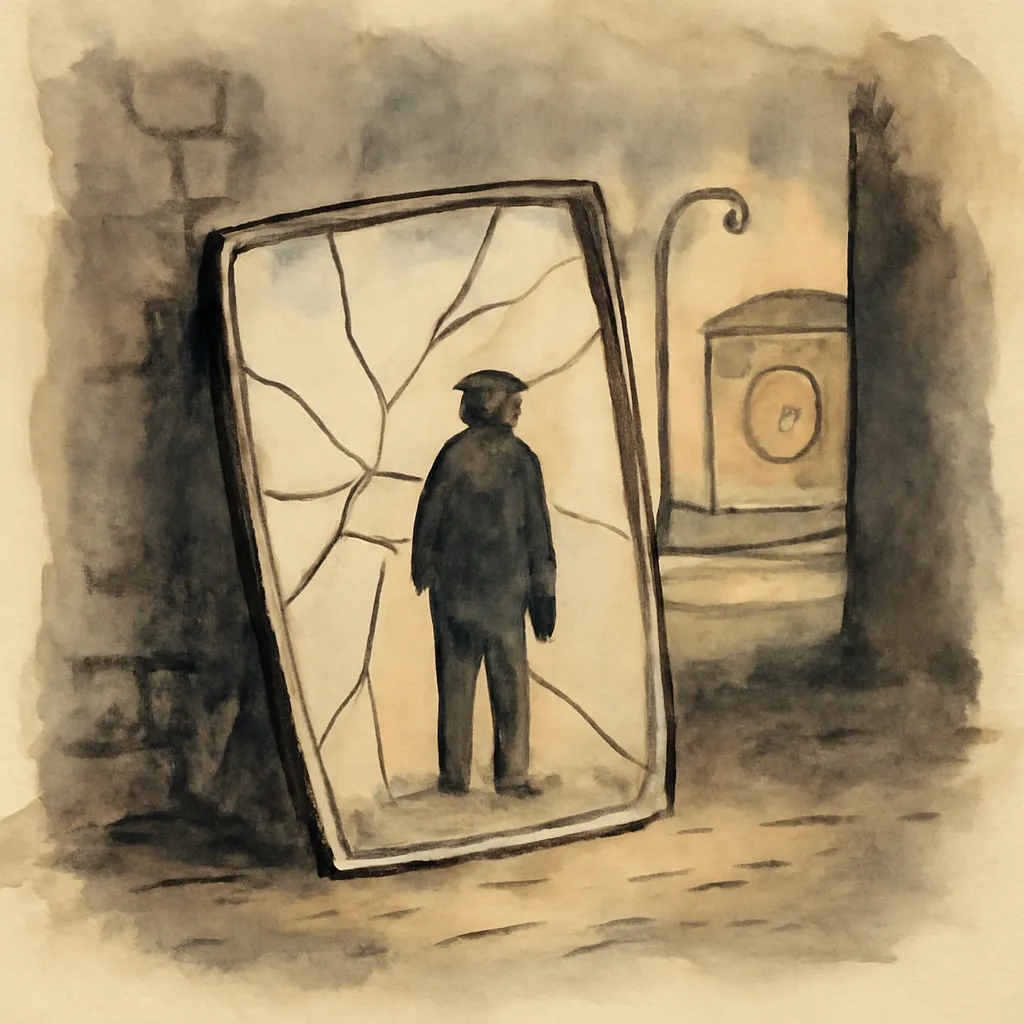
Chandler paints postwar Los Angeles as a place riddled with corruption, cynicism, and moral decay. The police, the rich, and even artists are depicted as self-serving or broken. Through Marlowe’s eyes, we see a society where justice is elusive and appearances are deceiving, making the detective’s search for truth feel both noble and quixotic.
3.The Flawed Hero
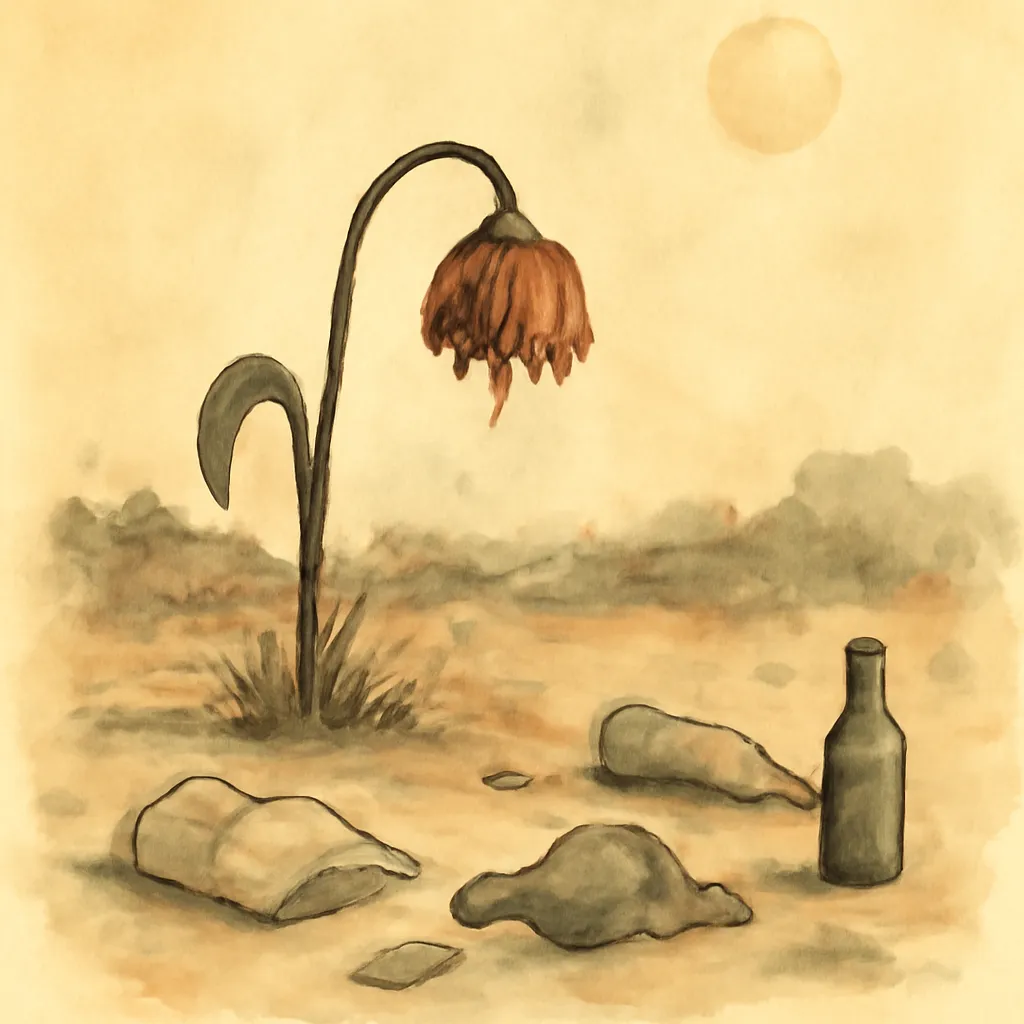
Philip Marlowe is not a superhero—he’s a man with doubts, loneliness, and a stubborn streak. Chandler deepens Marlowe’s character in this novel, showing his vulnerabilities and the emotional toll of his chosen path. This complexity makes Marlowe more relatable and the story more poignant, as readers witness the personal costs of his integrity.
4.Alcohol and Escapism
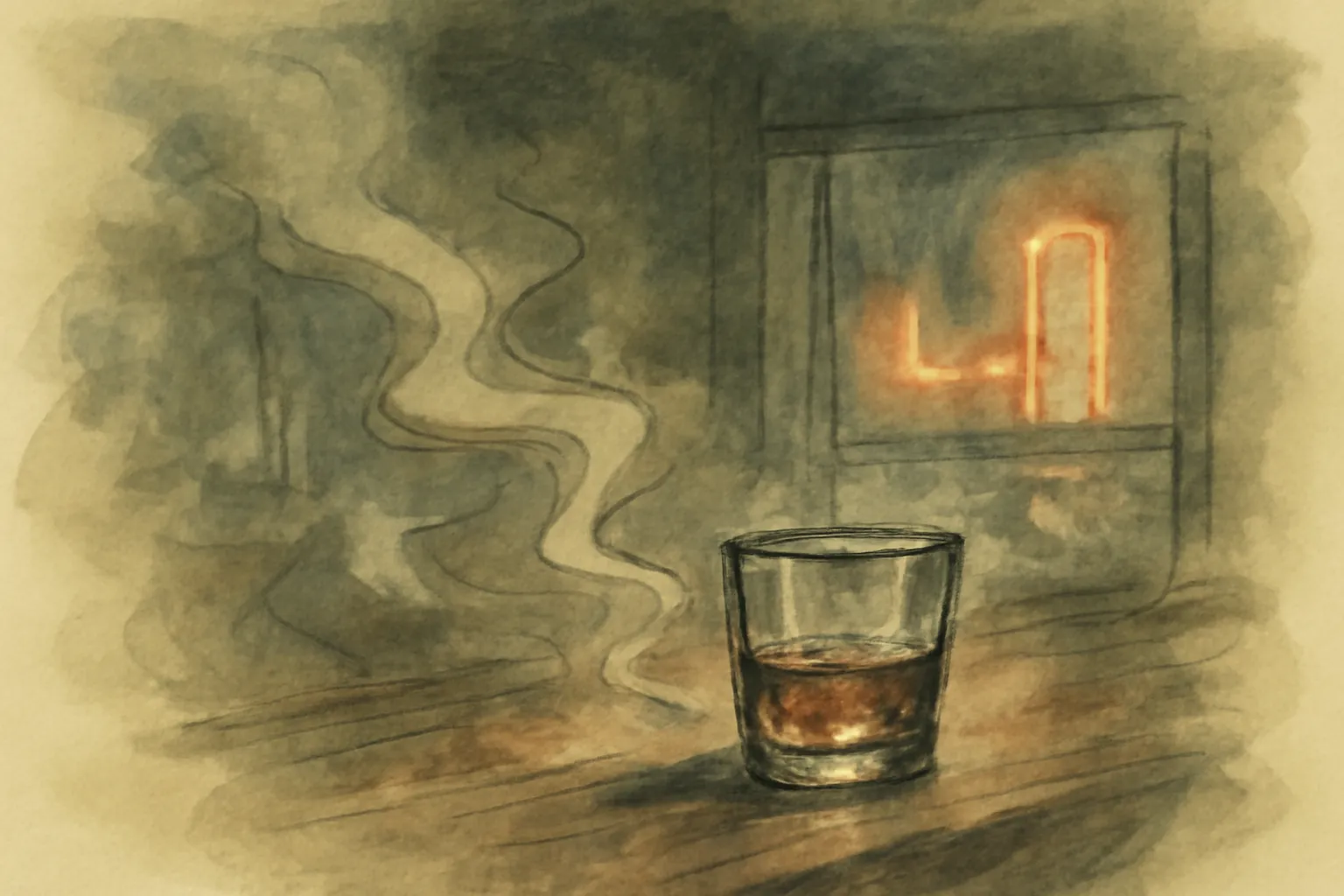
Alcoholism is a recurring motif, not just as a vice but as a symptom of deeper malaise. Characters like Roger Wade and Terry Lennox use drinking to escape their pain and failures. Chandler, himself a heavy drinker, uses these portrayals to comment on the era’s culture and the personal demons that haunt even the most outwardly successful people.
5.The Unreliability of Appearances
Nothing in The Long Goodbye is quite what it seems. Chandler constructs a world where motives are hidden, stories are fabricated, and even Marlowe’s closest friends keep secrets. This theme of deception forces both Marlowe and the reader to question every revelation, heightening the sense of suspense and existential uncertainty.
6.Autobiographical Undertones
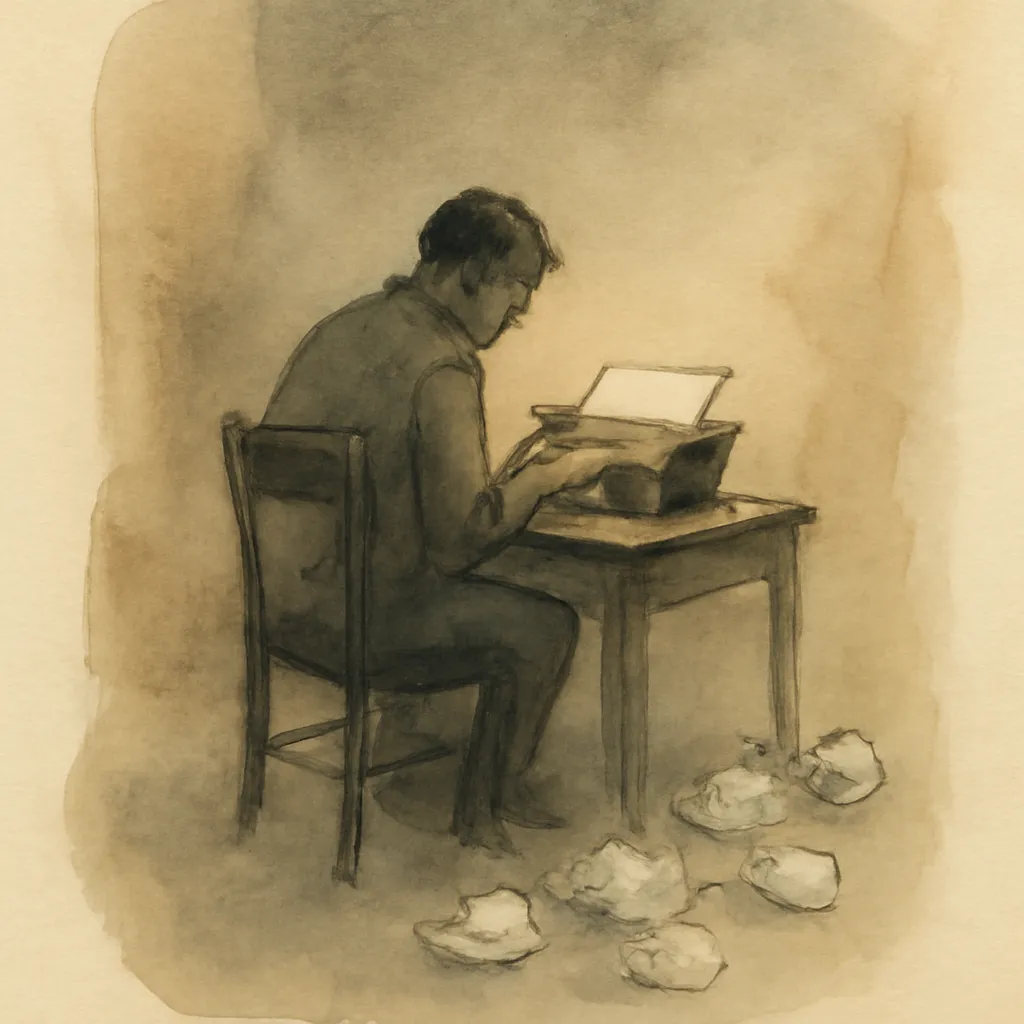
Many critics see The Long Goodbye as Chandler’s most personal novel. Through characters like Roger Wade, a troubled writer, Chandler projects his own struggles with fame, alcoholism, and artistic frustration. This gives the book an added layer of introspection and melancholy, making it resonate beyond the detective genre.