1.The Relentless Will to Survive
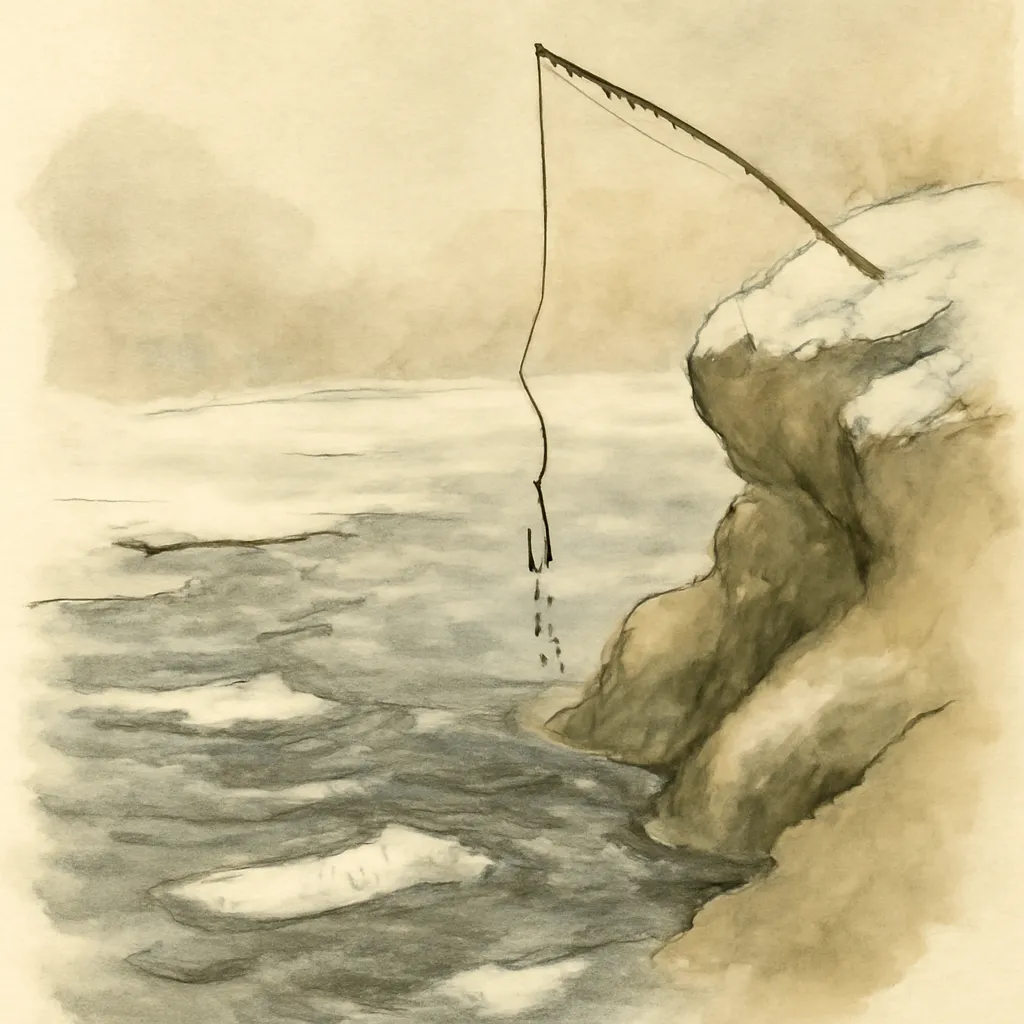
Vernon Lisle's determination to fish in the frigid waters of British Columbia encapsulates the relentless will to survive that defines the characters' journey. Despite the biting cold, torn clothing, and dwindling food supplies, Lisle's commitment to catching fish illustrates the lengths to which individuals will go to sustain themselves in a hostile environment. The harshness of the wilderness is vividly depicted, from the icy currents to the looming threat of winter, compelling readers to appreciate the stark realities faced by those who inhabit such landscapes. Lisle's perseverance is not merely a testament to his survival instincts but also a reflection of his character's deeper motivations, as he struggles against physical and emotional adversity. This relentless pursuit of survival becomes a metaphor for the broader human experience, where the struggle against daunting odds often leads to personal growth and resilience.
2.Friendship Forged in Adversity
The dynamic between Lisle and Nasmyth highlights the profound impact of friendship forged in adversity. As they traverse treacherous paths and face the elements, their bond deepens, revealing the importance of companionship in overcoming challenges. Nasmyth, initially unaccustomed to such harsh conditions, learns to embrace the ruggedness of the wilderness alongside Lisle, who embodies the spirit of survival. Their conversations often reflect philosophical dilemmas, particularly surrounding the legacy of their late comrade, Clarence Gladwyne. The differing perspectives on whether to honor Gladwyne's memory by pursuing the truth about his tragic fate add tension to their relationship, showcasing how shared experiences can both unite and divide individuals. This exploration of friendship emphasizes that in the face of nature's fury, human connections can provide the strength needed to endure and adapt.
3.The Weight of Guilt and Redemption
Guilt looms large over Lisle as he grapples with the implications of his past decisions, especially regarding his late partner, Clarence Gladwyne. The narrative explores how unresolved guilt can act as a heavy burden, influencing one's actions and relationships. As Lisle contemplates the tragic fate of Gladwyne, he is driven by a desire to clear his partner's name, revealing the complexities of loyalty and responsibility. His internal struggle is mirrored in the rugged landscape, reinforcing the idea that redemption often requires confronting painful truths. This theme resonates deeply, as it invites readers to reflect on their own lives and the weight of unresolved issues. The wilderness serves as both a backdrop and a catalyst for Lisle's journey toward redemption, illustrating that the path to forgiveness often lies in facing one's past head-on.
4.Nature as an Unforgiving Teacher
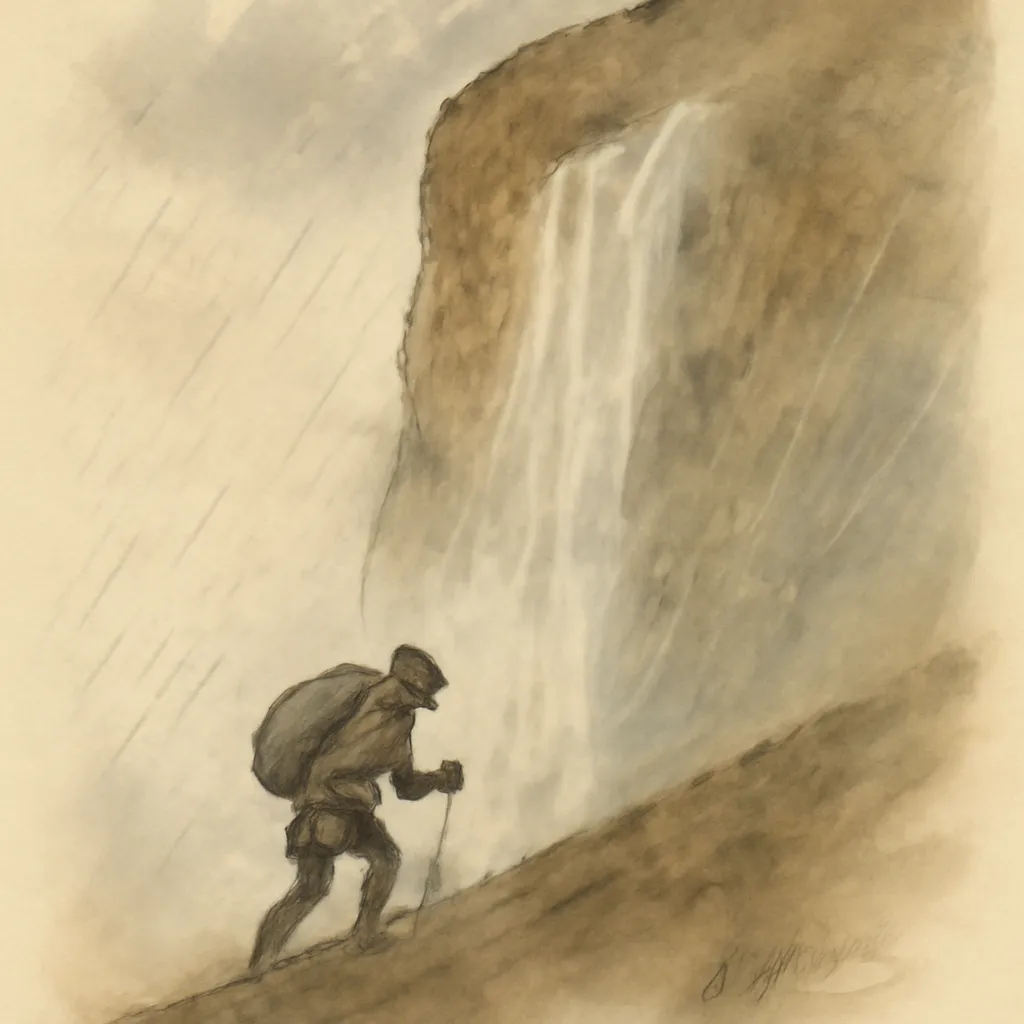
Bindloss masterfully portrays nature as a fierce and unforgiving teacher, challenging the characters at every turn. The wilderness is not merely a setting but an active participant in the narrative, shaping the characters' destinies. Through the grueling portage and the relentless elements, Lisle and Nasmyth are forced to confront their limitations and adapt to survive. The depiction of the icy waters, treacherous terrain, and looming winter serves as a constant reminder of the stakes involved in their journey. Nature's harsh lessons are underscored by the characters' evolving relationship with the environment; they learn to respect its power while also drawing strength from it. The wilderness becomes a crucible that forges resilience, illustrating the profound connection between humanity and nature. This relationship emphasizes the idea that survival is not just about physical endurance but also about learning from the challenges that nature presents.
5.The Complicated Nature of Legacy
The story intricately weaves the theme of legacy, particularly through the character of Clarence Gladwyne. His tragic tale serves as a haunting reminder of the fragility of life and the impact of one's actions on others. As Lisle and Nasmyth delve into the mystery surrounding Gladwyne's fate, they grapple with the question of how to honor his memory while also seeking the truth. The narrative raises important questions about how legacies are constructed and perceived, often shaped by the narratives that those left behind choose to tell. Lisle's quest to redeem Gladwyne's name becomes a pivotal aspect of his journey, reflecting the complexities of memory and the responsibility that comes with it. This exploration of legacy invites readers to consider their own lives and the stories they leave behind, emphasizing that the pursuit of truth is often intertwined with the desire for redemption.
6.The Struggle Between Civilization and Wilderness
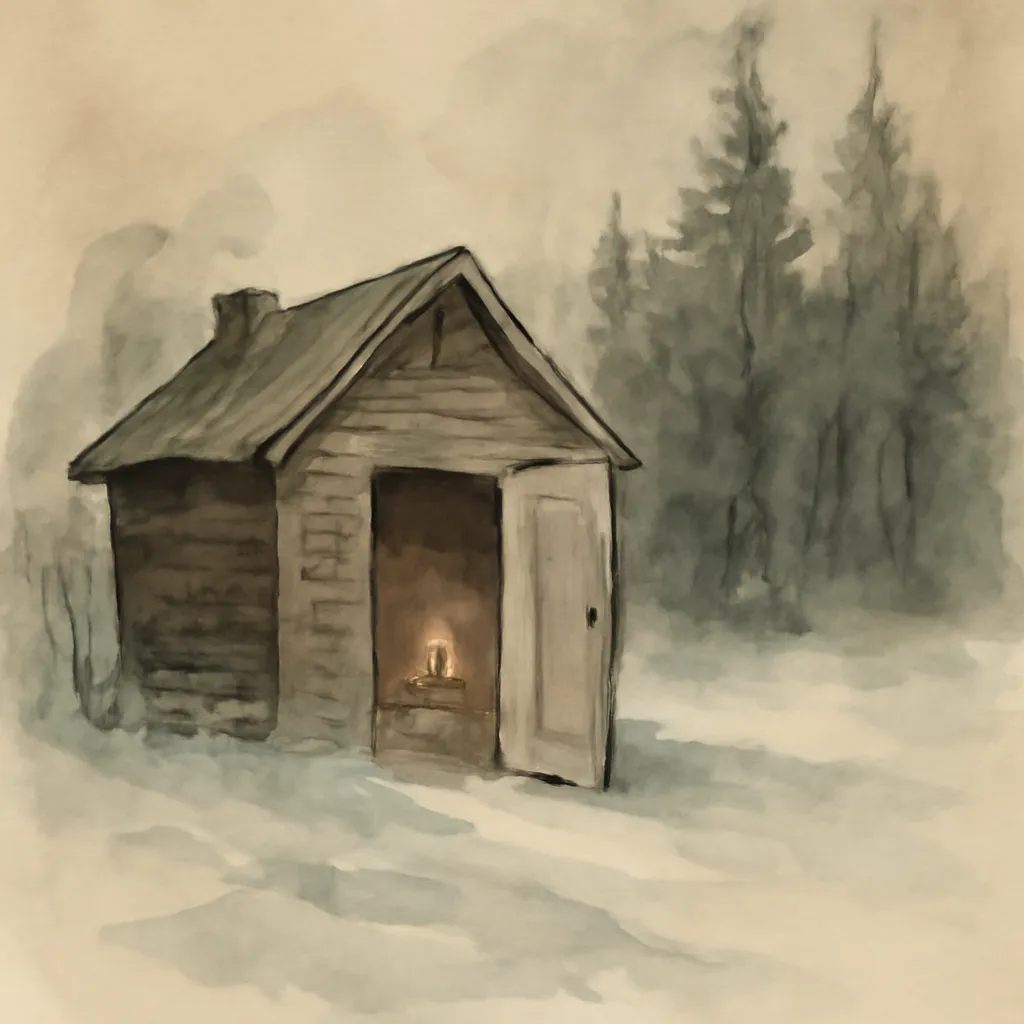
The tension between civilization and wilderness is a recurring theme throughout 'The Long Portage,' as Lisle and Nasmyth navigate the transition from the comforts of society to the harsh realities of the wild. Their journey serves as a metaphor for the broader conflict between the orderly world of civilization and the chaotic forces of nature. Initially, Nasmyth's background of privilege contrasts sharply with the rawness of the wilderness, highlighting the limitations of wealth and status in the face of survival. As they venture deeper into the wild, the characters are stripped of their societal identities, revealing their fundamental human instincts. This struggle underscores the idea that true character is often revealed in the most challenging circumstances. Bindloss masterfully illustrates that the wilderness, while daunting, also offers a space for personal growth and self-discovery, challenging the notion that civilization is the ultimate measure of human achievement.
7.The Role of Women in a Harsh Landscape
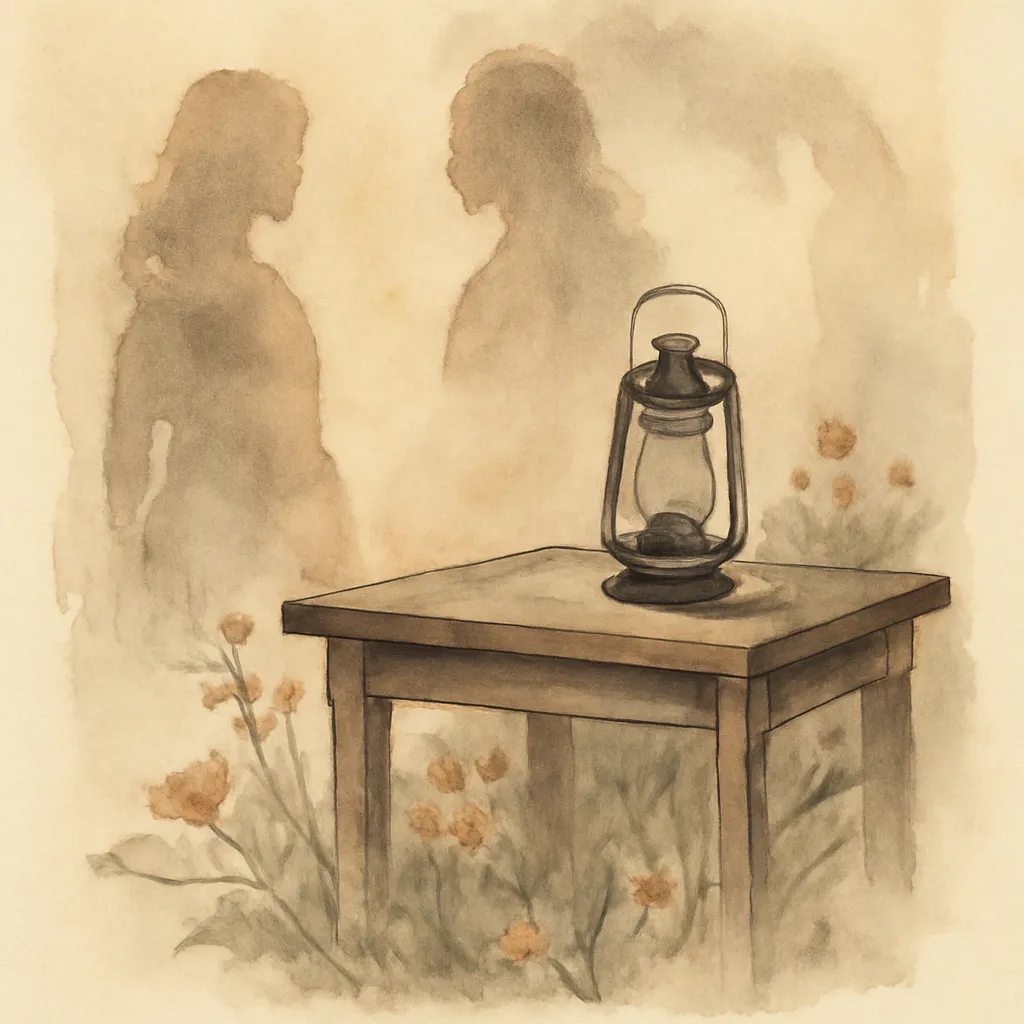
Though the narrative primarily focuses on the male characters, the presence of women, particularly Millicent Gladwyne, adds depth to the exploration of gender roles within the wilderness context. Millicent embodies resilience and strength, showcasing that survival is not solely a male endeavor. Her character challenges traditional gender norms, as she navigates her own struggles while supporting the men in her life. The interactions between Millicent and the male characters often reveal the complexities of their relationships, emphasizing the importance of collaboration in overcoming adversity. Through her artistic pursuits and emotional intelligence, Millicent serves as a grounding force, reminding the men of the human connections that persist even in the harshest environments. This exploration of women's roles in the wilderness highlights the idea that survival is a collective effort, requiring contributions from all members of the community, regardless of gender.
8.The Quest for Truth in a World of Lies
As Lisle and Nasmyth uncover the truth about Gladwyne's past, their journey becomes a quest for understanding in a world filled with deception and half-truths. The narrative delves into the complexities of truth, particularly in the context of relationships and personal histories. Lisle's determination to clear Gladwyne's name serves as a catalyst for exploring the nature of honesty and the consequences of hidden truths. The characters grapple with the idea that the truth can be both liberating and burdensome, impacting their relationships and sense of self. This theme resonates deeply, inviting readers to reflect on the stories they tell themselves and others, as well as the importance of transparency in fostering genuine connections. The quest for truth ultimately becomes a journey of self-discovery, revealing that understanding oneself is often intertwined with understanding others.
9.Courage in the Face of Fear
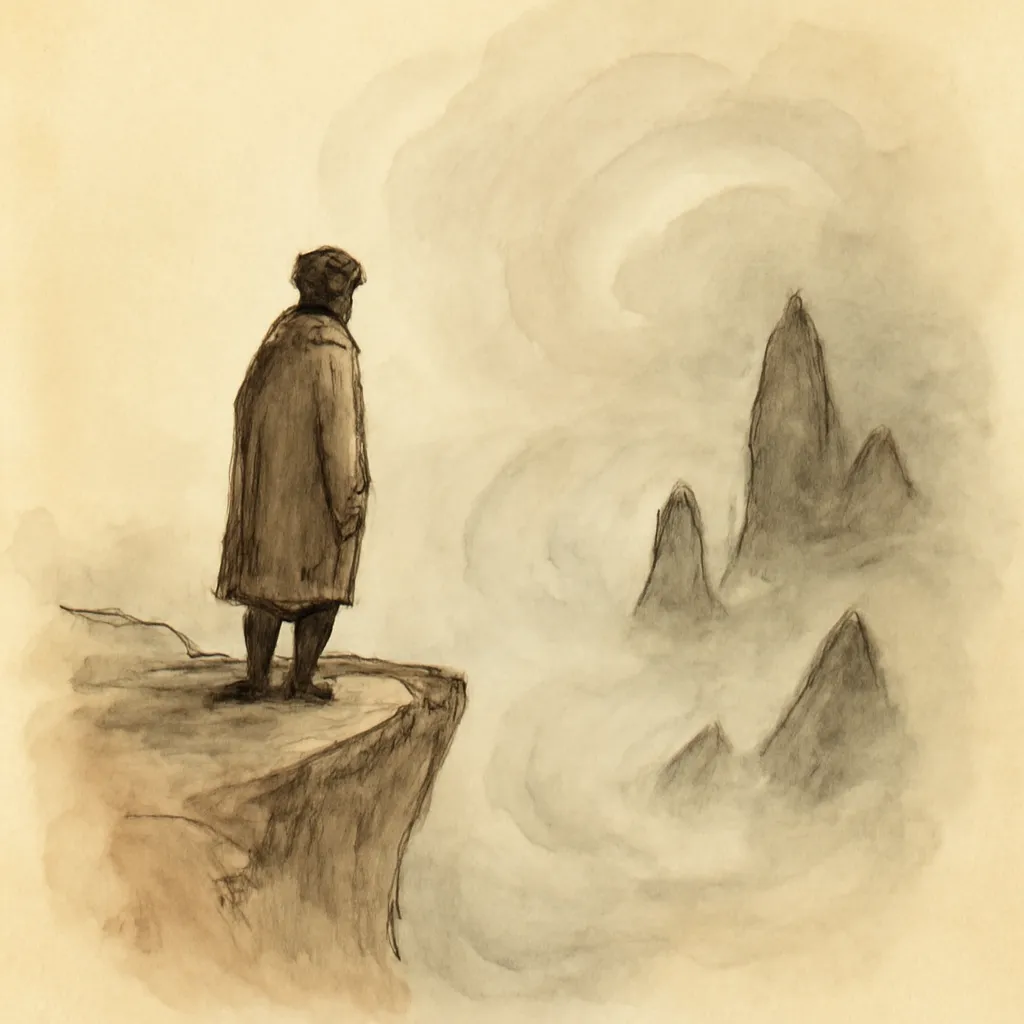
The characters in 'The Long Portage' are continually confronted with fear, whether it be the physical dangers of the wilderness or the emotional turmoil stemming from their pasts. Lisle's courage in the face of these fears is a central theme, illustrating that bravery is not the absence of fear but the ability to confront it. His experiences in the wilderness force him to grapple with his own vulnerabilities, leading to moments of profound introspection and growth. The narrative emphasizes that true courage often emerges in the most challenging circumstances, where individuals must summon their inner strength to overcome both external and internal obstacles. This exploration of courage resonates with readers, serving as a reminder that facing one's fears can lead to transformative experiences and personal empowerment. The wilderness becomes a backdrop for this journey, illustrating that the path to courage often lies through the very challenges that evoke fear.
10.The Interconnectedness of Human Experience
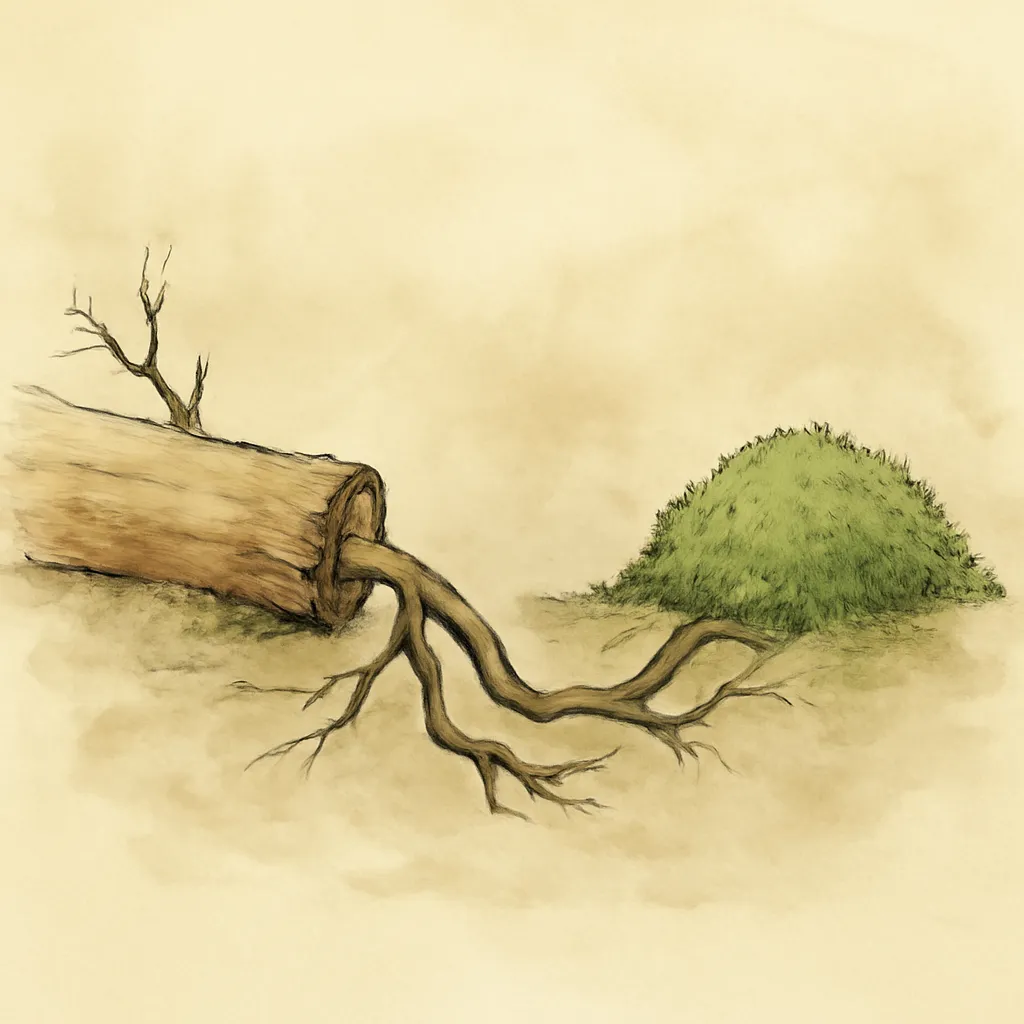
Bindloss artfully illustrates the interconnectedness of human experiences through the relationships and interactions between characters. The bond between Lisle and Nasmyth serves as a microcosm of the larger human experience, where individual struggles are often mirrored in the lives of others. Their journey through the wilderness becomes a shared experience that transcends personal histories, highlighting the universal themes of survival, friendship, and redemption. The narrative underscores the idea that while each character faces unique challenges, their collective journey reflects a shared humanity that binds them together. This interconnectedness is further emphasized through the characters' reflections on their pasts, revealing how their experiences shape their identities and relationships. The exploration of human connection in the face of adversity serves as a poignant reminder that, despite the harshness of the wilderness, the bonds forged through shared struggles can lead to profound understanding and growth.