1.The Corrupting Nature of Power
At the heart of the story is the One Ring, a symbol of absolute power that corrupts all who desire or possess it. Tolkien explores how even the noblest characters—Gandalf, Galadriel, Boromir—are tempted by the Ring’s promise, and how only those who reject power for its own sake can hope to resist its influence. The Ring’s allure is not just external; it exposes the vulnerabilities and ambitions within each character, making the struggle as much internal as external.
2.Heroism in the Ordinary
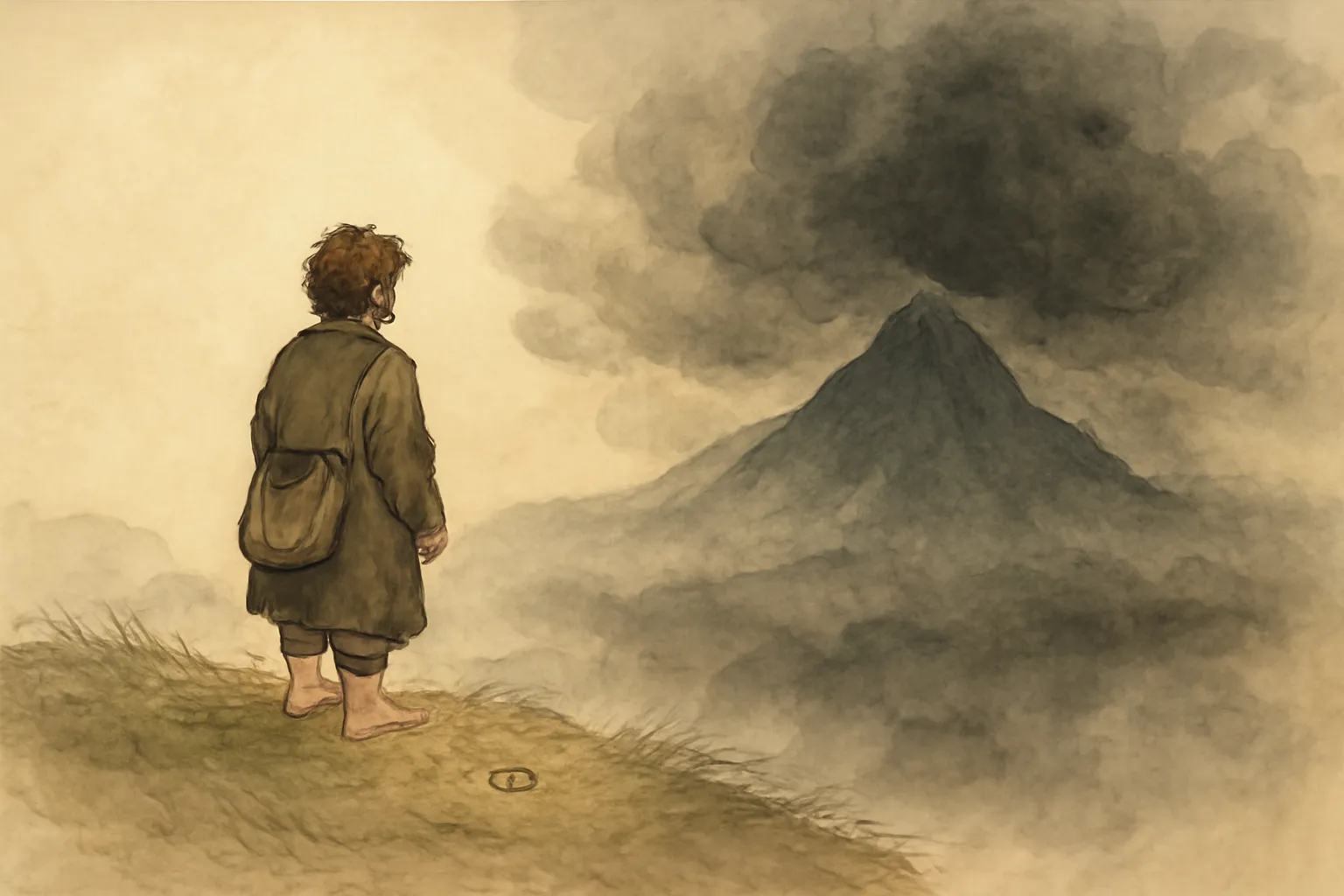
Tolkien elevates the humble hobbits—especially Frodo and Sam—as unlikely heroes. Their courage, resilience, and loyalty contrast with the martial prowess of warriors and the wisdom of wizards. The narrative insists that true heroism is found in perseverance, compassion, and the willingness to do what is right, even when the odds seem hopeless. This democratization of heroism challenges traditional epic narratives and resonates with readers across generations.
3.The Importance of Fellowship and Friendship
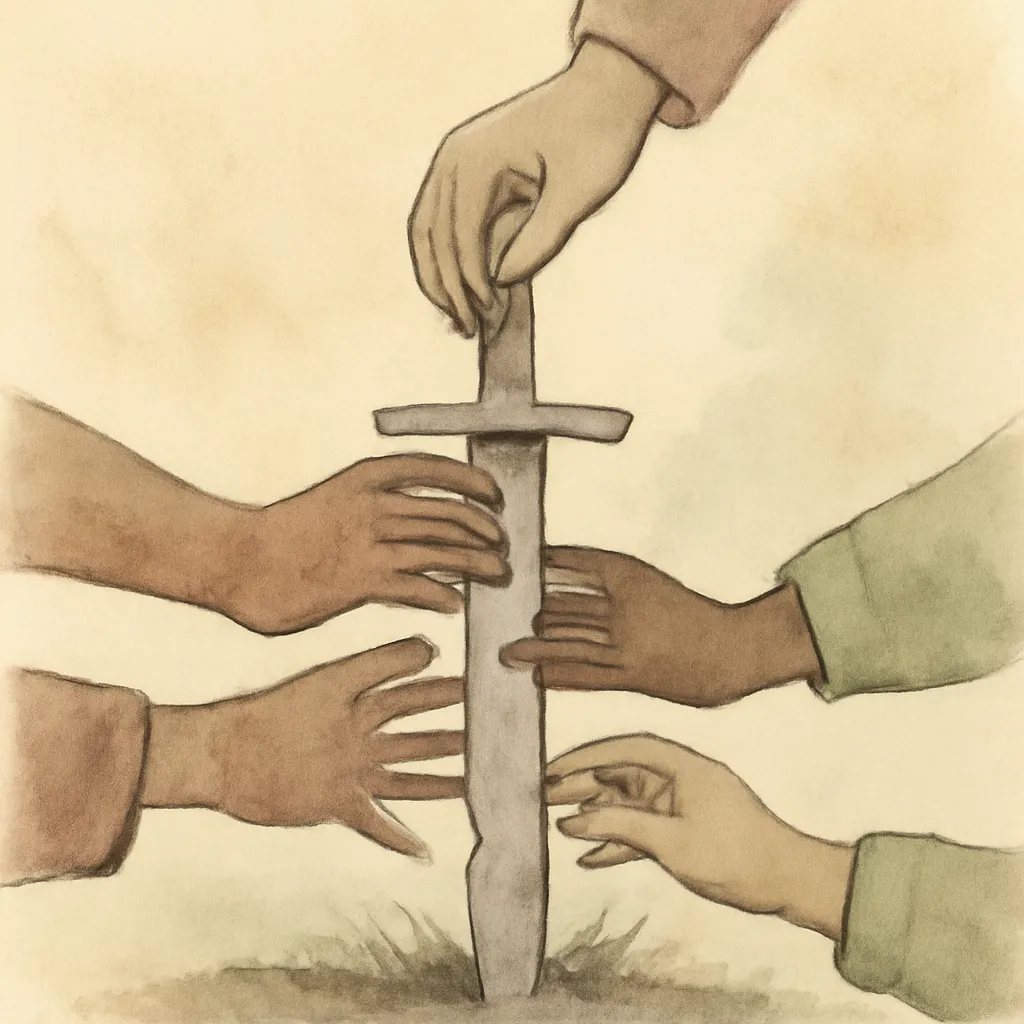
The Fellowship of the Ring is not just a band of adventurers; it is a microcosm of Middle-earth’s diverse peoples, united by a common cause. Their journey is fraught with conflict, misunderstanding, and sacrifice, but it is their bonds of friendship and mutual respect that enable them to face overwhelming adversity. Tolkien suggests that unity and cooperation are essential in confronting evil, and that no one can succeed alone.
4.The Loss and Preservation of Beauty
Throughout the trilogy, there is a pervasive sense of nostalgia and loss—of fading realms, vanishing cultures, and the end of an age. Elves, dwarves, and men all grapple with the passage of time and the impermanence of beauty. Yet, the characters’ efforts to preserve what is good, whether it’s the Shire’s innocence or the memory of ancient songs, imbue the story with a bittersweet hope. Tolkien’s love of language and lore is itself an act of preservation.
5.The Struggle Between Hope and Despair
Darkness and despair loom large in Middle-earth, and the characters are often pushed to the brink of giving up. Yet, hope—however fragile—persists, embodied in small acts of kindness, moments of laughter, and the simple act of moving forward. Tolkien’s narrative affirms that hope is not naïve optimism, but a hard-won choice in the face of overwhelming odds, and that it can be the decisive factor in the struggle against evil.
6.The Power of Story and Myth
Tolkien, a scholar of myth and language, constructs Middle-earth as a living tapestry of stories within stories. The characters are conscious of their place in a larger history, and the narrative is rich with songs, legends, and prophecies. This layering of myth gives the tale a sense of depth and timelessness, inviting readers to reflect on the power of storytelling itself to shape identity and inspire action.