1.The Search for Redemption
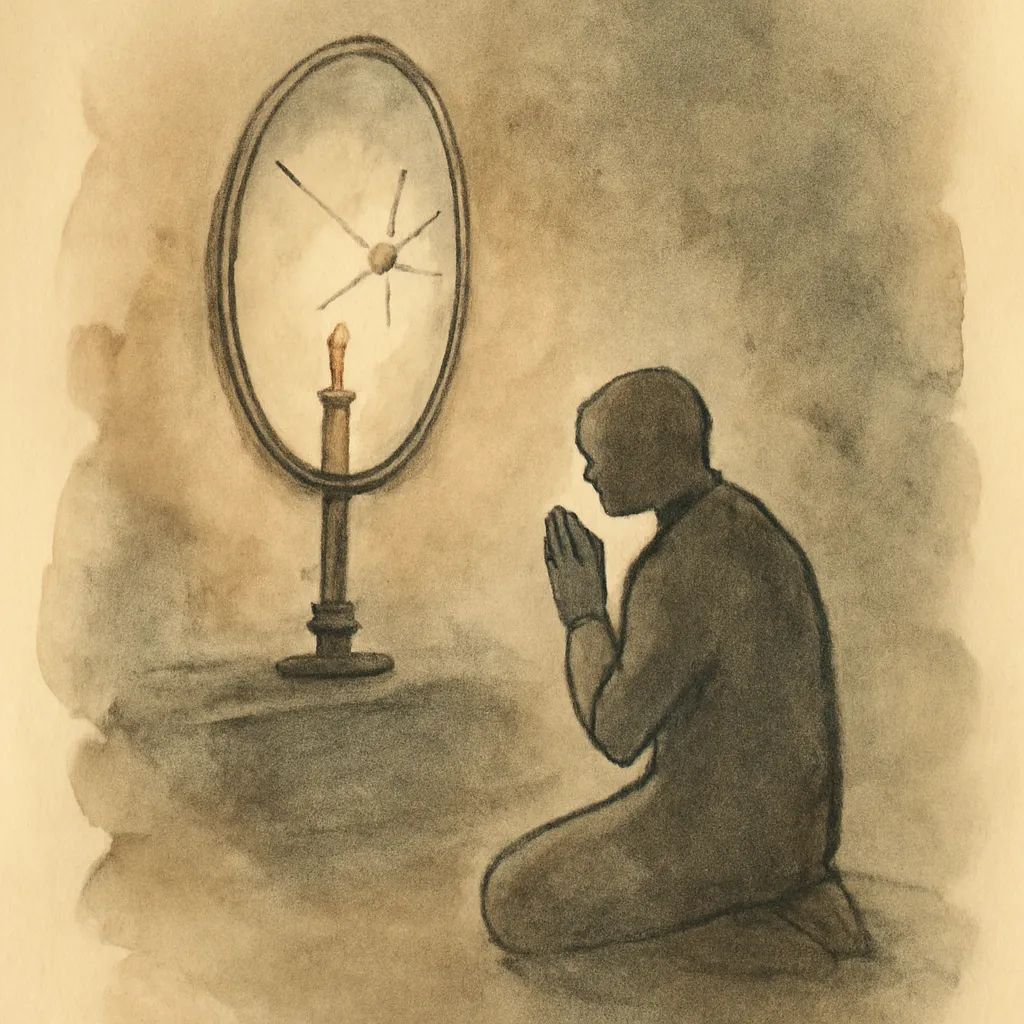
Many of Malamud’s characters are flawed individuals—lonely, poor, or morally compromised—who yearn for some form of redemption. Whether it’s a rabbi seeking faith, a matchmaker longing for love, or an artist searching for purpose, these figures are propelled by a desire to transcend their circumstances. The stories suggest that redemption is possible, but it often comes at a price and through unexpected, sometimes magical, means.
2.Immigrant Experience and Identity
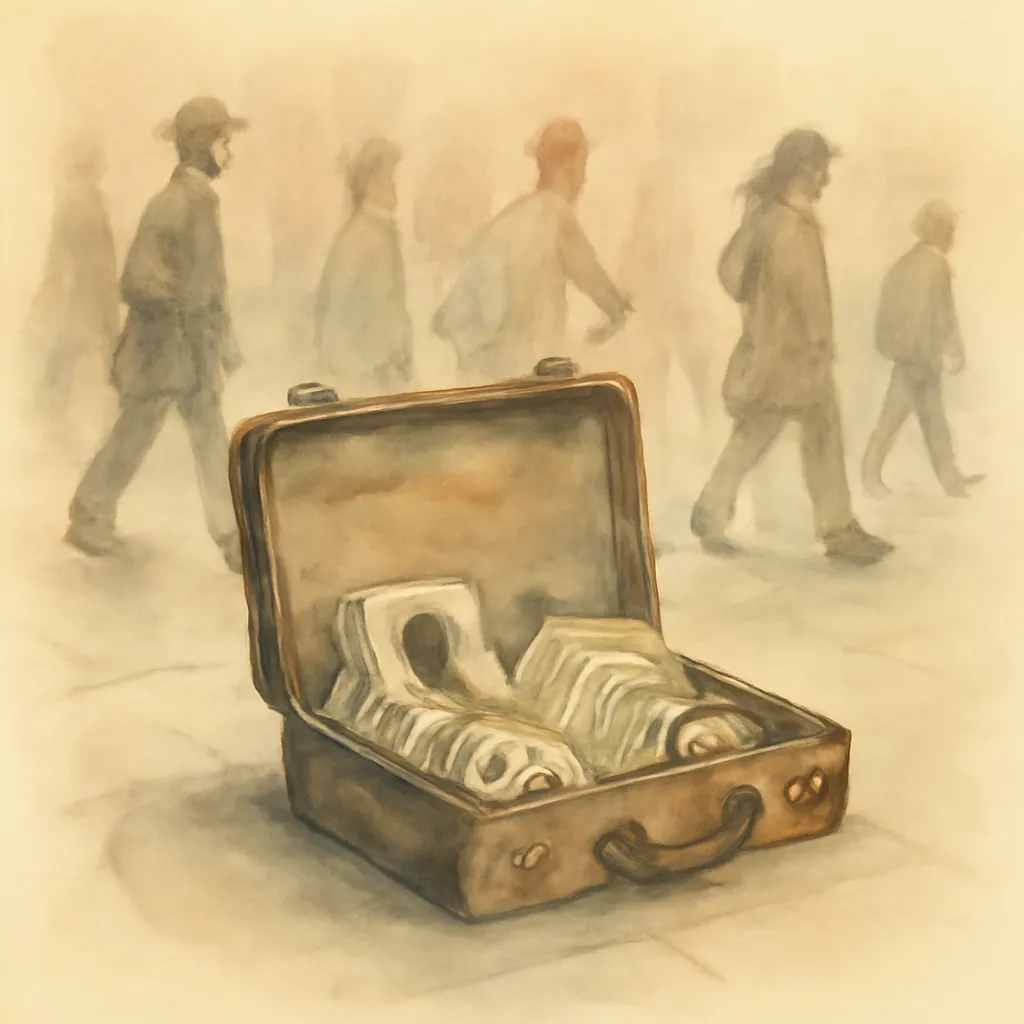
The Magic Barrel explores the challenges and complexities of Jewish immigrant life in America. Malamud’s characters grapple with assimilation, cultural heritage, and the tension between old-world traditions and new-world realities. Through their struggles, Malamud paints a nuanced portrait of identity—one that is shaped by both external pressures and internal conflicts.
3.The Power and Limits of Human Connection
Loneliness is a recurring theme, but so is the human drive to connect. Relationships in these stories—between lovers, parents and children, friends, and strangers—are fraught with misunderstanding, longing, and sometimes grace. Malamud shows how connection can be transformative, but also how it is often imperfect and fraught with disappointment.
4.Magic Realism in Everyday Life
While rooted in realism, Malamud’s stories are tinged with a sense of the magical or miraculous. This is not the magic of fantasy, but a subtle, spiritual magic that emerges in moments of grace, coincidence, or profound change. The title story, for example, blurs the line between the mundane and the miraculous, suggesting that the extraordinary can be found within the ordinary.
5.Moral Struggle and Ethical Dilemmas
Malamud’s characters are often confronted with difficult moral choices. The stories probe questions of honesty, compassion, self-sacrifice, and the cost of doing what is right. Rather than offering easy answers, Malamud invites readers to consider the complexity of ethical life and the ways in which people strive—and sometimes fail—to live up to their ideals.
6.The Role of Suffering and Hope
Suffering is ever-present in Malamud’s world, but so is hope. The stories do not shy away from pain or disappointment, yet they are ultimately compassionate, suggesting that even in hardship there is the possibility of renewal. Malamud’s empathy for his characters gives the collection its emotional depth and enduring appeal.