1.The Interplay of Science and Society
Rhodes demonstrates how the atomic bomb was not just a scientific breakthrough, but the product of a unique convergence of intellectual ambition, political urgency, and global conflict. He traces the evolution of physics from the early twentieth century, showing how discoveries in quantum mechanics and nuclear fission were propelled—and sometimes distorted—by the pressures of war. The book reveals how scientists, often driven by curiosity or humanitarian ideals, became entwined with military and political agendas, ultimately reshaping the trajectory of modern history.
2.The Human Stories Behind the Bomb
Central to Rhodes’s narrative are the individual scientists, engineers, and political figures whose choices and personalities shaped the bomb’s creation. He delves into the lives of figures like Robert Oppenheimer, Niels Bohr, and Enrico Fermi, exploring their motivations, doubts, and ethical struggles. By humanizing these actors, Rhodes invites readers to grapple with the moral ambiguities of scientific progress and the burden of responsibility that comes with world-changing discoveries.
3.The Manhattan Project: Collaboration and Conflict
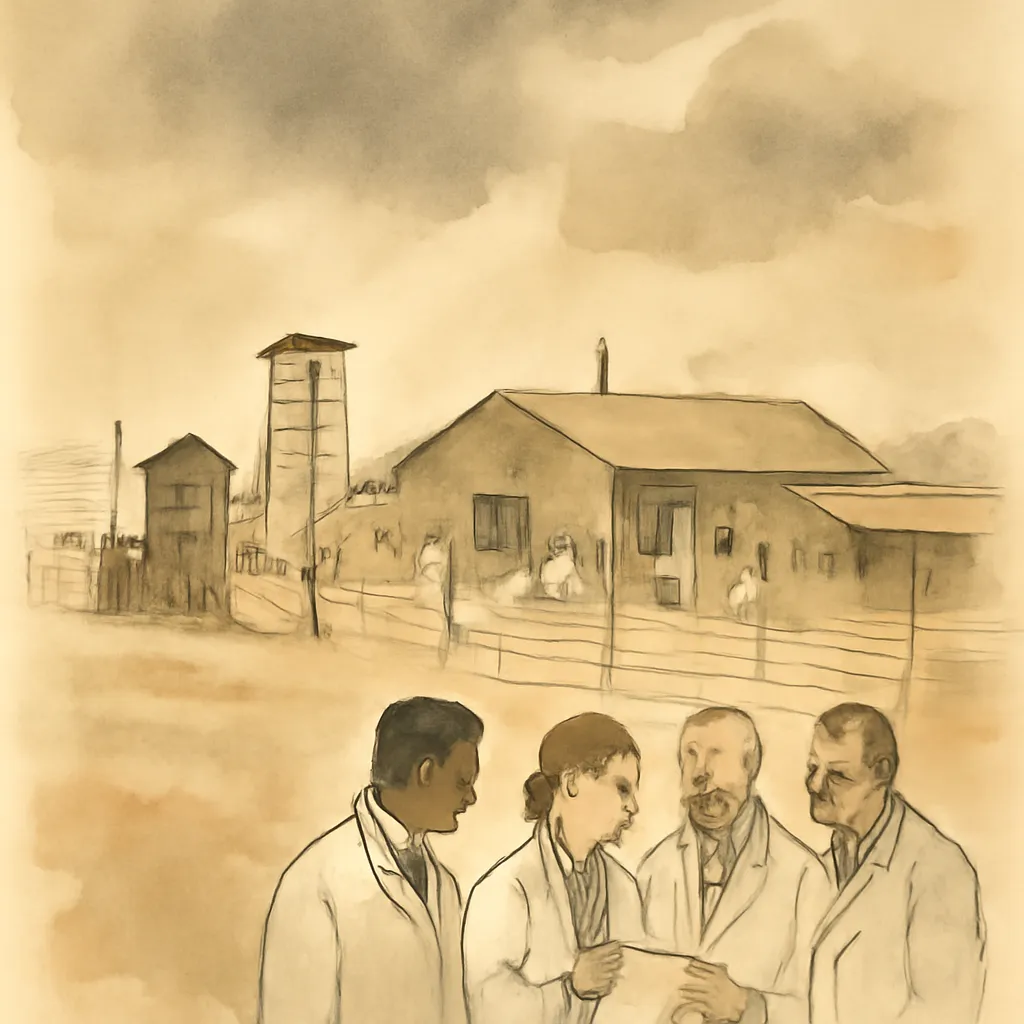
The Making of the Atomic Bomb provides a detailed account of the Manhattan Project, highlighting both its unprecedented scale and the tensions within it. Rhodes describes how the project brought together scientists from diverse backgrounds in a race against time, but also how secrecy, competition, and differing visions of the bomb’s purpose created friction. The book illuminates the logistical, technical, and ethical challenges of building the world’s first nuclear weapons under extraordinary pressure.
4.The Bomb as a Political and Moral Turning Point
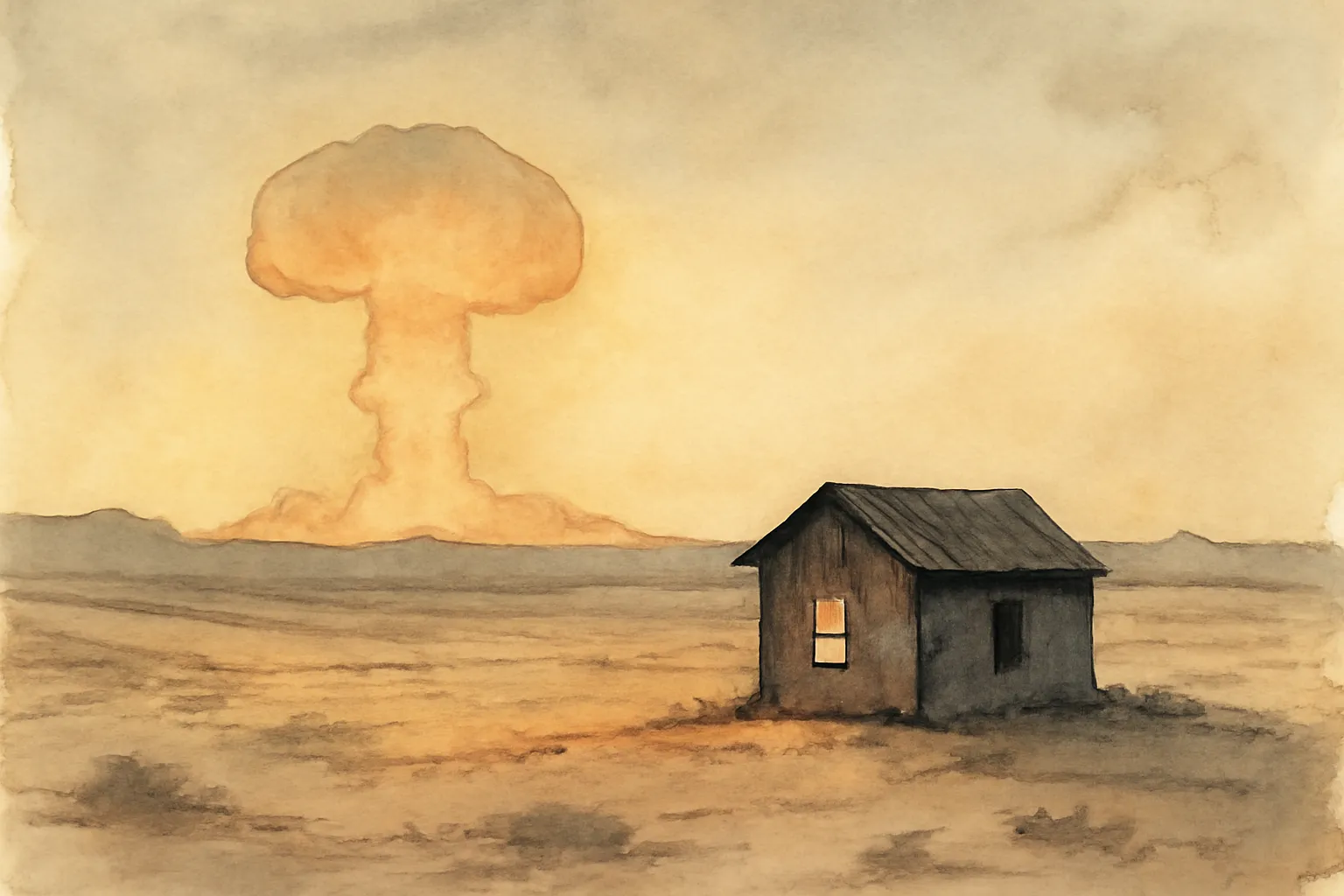
Rhodes argues that the atomic bomb fundamentally altered the nature of warfare and international relations. He examines the decision to use the bomb on Hiroshima and Nagasaki, situating it within the broader context of World War II’s brutality and the emerging Cold War. The narrative explores how the bomb’s existence forced leaders and citizens alike to confront new moral dilemmas, from the justification of mass destruction to the specter of global annihilation.
5.Legacy and Lessons for the Nuclear Age
Beyond recounting historical events, Rhodes probes the lasting impact of the atomic bomb on science, politics, and society. He considers how nuclear weapons shaped the Cold War, spurred arms races, and influenced debates about deterrence and disarmament. The book ultimately challenges readers to reflect on the responsibilities that come with scientific knowledge and the ongoing risks posed by nuclear proliferation in the modern world.