1.The Clash of Creativity and Chaos
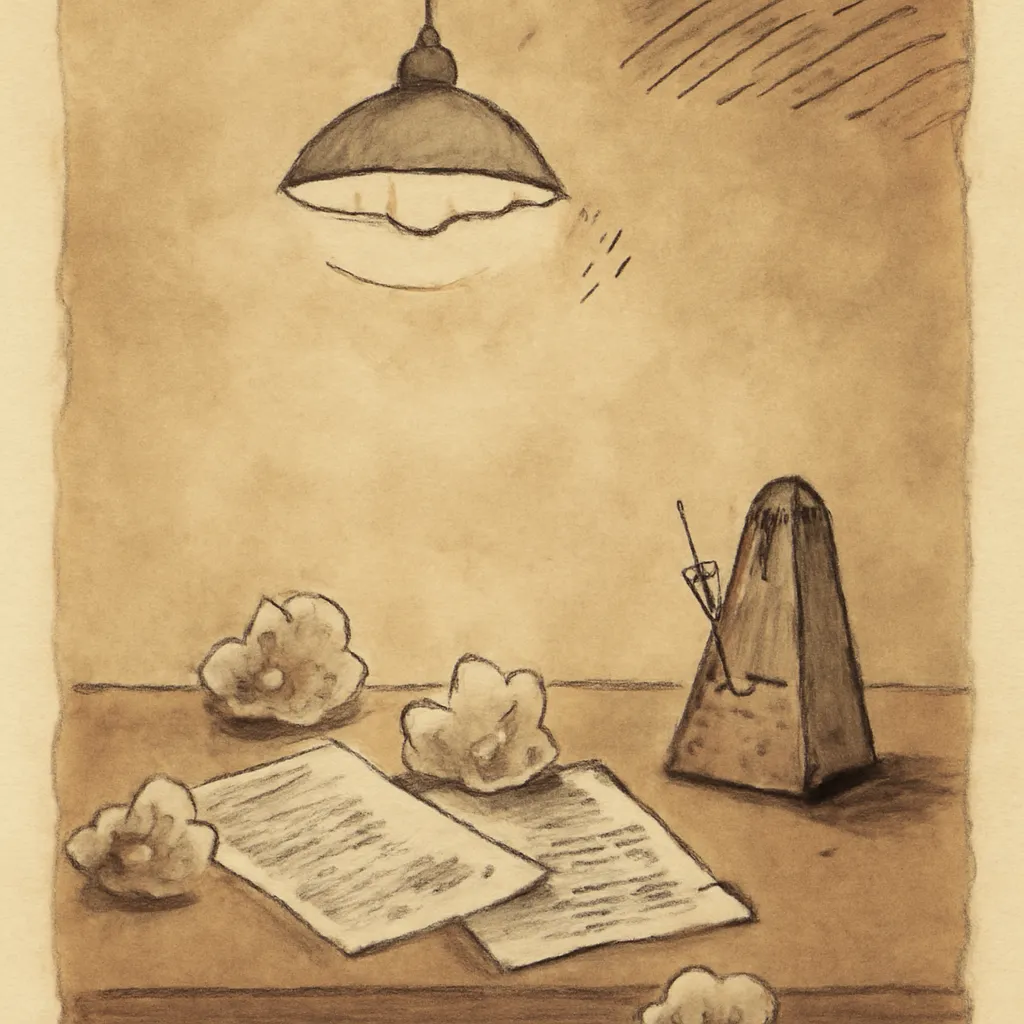
Wodehouse opens the collection with Annette Brougham, who experiences a frustrating battle between her desire to compose music and the incessant knocking from her upstairs neighbor. Initially, the knocking is just a minor annoyance, but it escalates into a significant distraction, reflecting the chaotic nature of artistic creation. Annette's journey from irritation to indignation illustrates the often tumultuous relationship artists have with their environment. Wodehouse cleverly uses this conflict to highlight that creativity does not exist in a vacuum; it is often hindered or interrupted by external forces, including the people we share our spaces with. This theme resonates with anyone who has faced disruptions while trying to create, emphasizing that artists must often contend with chaos in their pursuit of inspiration. By personifying the 'brute' upstairs, Wodehouse underscores the idea that creative spirits can feel under siege from the world around them, yet their drive must prevail despite interruptions.
2.Unexpected Encounters and Romantic Tension

As Annette confronts her upstairs neighbor, whom she initially perceives as an annoyance, she finds him to be unexpectedly charming. This shift in perception exemplifies the theme of how first impressions can be deceptive and how irritation can transform into attraction. Wodehouse explores the idea that love often arises in the context of conflict, suggesting that romantic relationships can develop from misunderstandings and confrontations. The chemistry between Annette and her neighbor creates an engaging tension that propels the story forward, illustrating how relationships can evolve when characters allow themselves to look beyond their initial grievances. The process of recognizing the humanity beneath the irritation reveals a deeper truth about love: it often blossoms in the most unanticipated circumstances. This romantic dynamic is a recurring motif throughout the collection, as characters navigate the unpredictable terrain of love and attraction, often leading to humorous and heartfelt resolutions.
3.Characterization: Quirks and Idiosyncrasies

Wodehouse's characters are richly drawn, each exhibiting distinct personality traits that contribute to the humor and depth of the stories. Annette's fierce independence contrasts sharply with the laid-back demeanor of her neighbor, creating a comedic interplay that reveals the complexities of human interactions. The neighbor's nonchalance in the face of Annette's indignation heightens the comedic tension, showcasing Wodehouse's deft touch in character dynamics. Similarly, the introduction of Peggy, with her vibrant spirit and carefree attitude, brings a refreshing energy to Rutherford's life. The nuances of their conversations, filled with witty banter and playful teasing, showcase the author’s skill in elevating character interactions into moments of comedy and insight. Wodehouse's characters often embody exaggerated traits that make them memorable, yet beneath these quirks lie relatable struggles and aspirations. This blend of humor and authenticity allows readers to connect with their experiences, making their journeys feel more genuine and engaging.
4.The Influence of Companionship on Creativity
Rutherford's relationship with Peggy serves as a testament to the power of companionship in fostering creativity. Initially a solitary writer grappling with self-doubt, Rutherford discovers that Peggy's presence invigorates his creative process. Her encouragement and playful critiques become the catalyst for his success, illustrating the profound impact that supportive relationships can have on artistic endeavors. Wodehouse suggests that creativity flourishes in an environment where individuals feel understood and valued, and Peggy becomes Rutherford's muse, inspiring him to reach new heights in his work. This dynamic emphasizes the importance of collaboration in achieving one's goals and reveals how love can act as a motivating force in the pursuit of passion. The nurturing quality of their relationship showcases how companionship can spark inspiration, allowing writers and artists to transcend their limitations and unlock their potential. Through their interactions, Wodehouse highlights the notion that creativity is often a shared journey rather than a solitary endeavor.
5.The Absurdity of Everyday Life
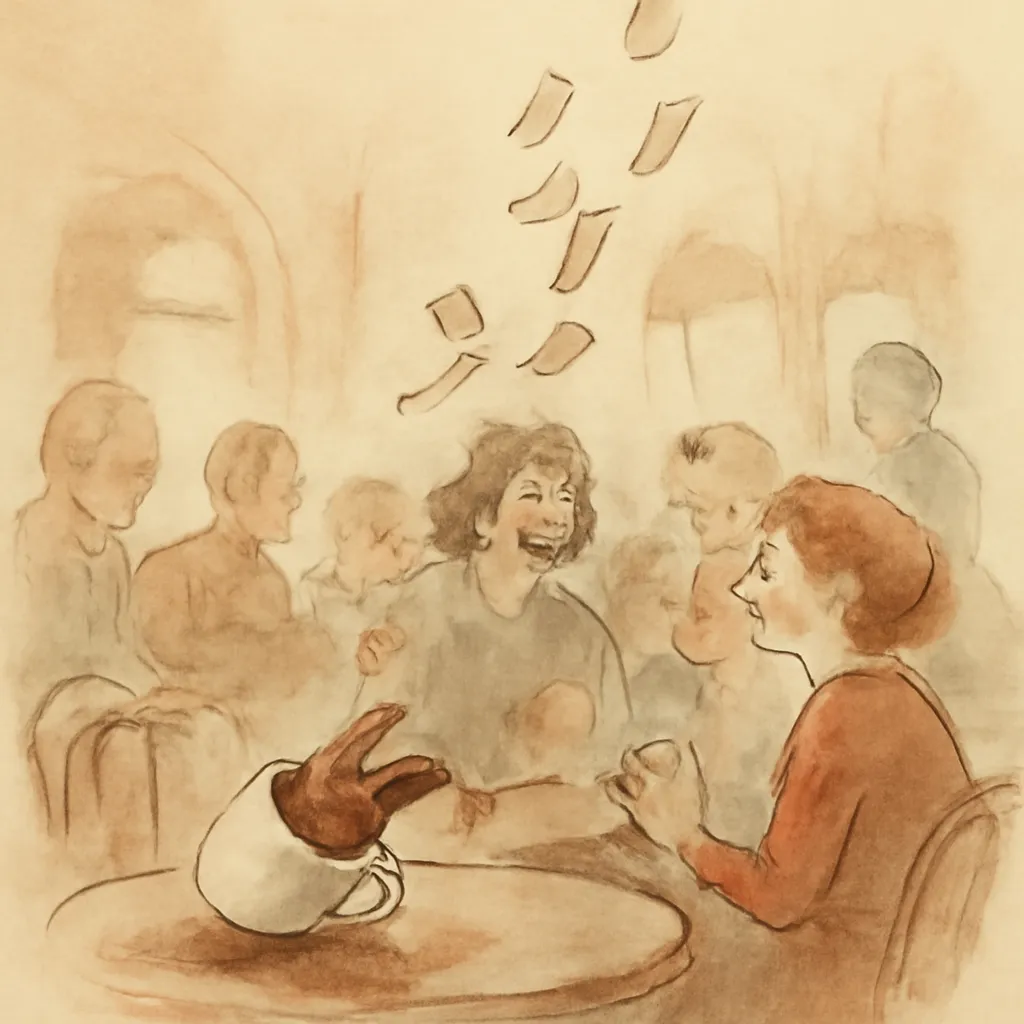
Wodehouse masterfully captures the absurdity of daily life, illustrating how the mundane can quickly turn into the extraordinary. The incessant knocking that interrupts Annette's music is just one example of how ordinary events can lead to whimsical situations. Characters find themselves entangled in increasingly ridiculous scenarios, from romantic misunderstandings to comedic missteps that highlight the unpredictability of life. This absurdity serves as a reminder that life is full of unexpected twists and turns, and humor often arises from the chaos of existence. Wodehouse's ability to weave absurdity into his narratives makes the stories relatable, as readers can recognize the humor in their own everyday experiences. The comedic situations that arise from misunderstandings or peculiar circumstances encourage readers to embrace the lighter side of life, emphasizing the importance of finding joy in moments of chaos. By portraying the absurdity of reality, Wodehouse encourages a playful perspective on the trials and tribulations of daily living.
6.Navigating Romantic Misunderstandings

A prevalent theme in Wodehouse's stories is the romantic misunderstandings that propel the plot and create tension between characters. These misunderstandings often arise from miscommunication or assumptions, leading to humorous situations that ultimately resolve in heartwarming ways. For instance, the initial friction between Annette and her neighbor gives way to a budding romance as they learn more about each other's true intentions and personalities. This exploration of miscommunication highlights the complexities of relationships and the importance of honesty in resolving conflicts. Wodehouse reminds readers that misinterpretations are common in love, and that overcoming these hurdles can lead to deeper connections. The humor found in these misunderstandings serves as a reflection of the often convoluted nature of love itself. By portraying the twists and turns of romance, Wodehouse encapsulates the notion that clarity often emerges from confusion, and that love, while messy, is ultimately worth the effort to navigate.
7.The Quest for Identity and Purpose

Rutherford's journey as a writer reflects a broader search for identity that resonates with many readers. As he struggles to establish himself in the competitive landscape of New York City, his experiences mirror the universal quest for self-discovery. Wodehouse uses Rutherford's challenges to explore themes of aspiration and the societal pressures that accompany creative pursuits. The character's evolution from insecurity to confidence illustrates the transformative power of creative expression and the belief in oneself. Rutherford's eventual success is not merely a result of his talent; it is also a testament to the support he receives from Peggy and the lessons he learns along the way. This theme of identity resonates with anyone who has grappled with self-doubt, offering a message of hope and resilience. Wodehouse's portrayal of Rutherford's journey encourages readers to reflect on their aspirations and the importance of perseverance in the face of adversity.
8.The Role of Humor in Overcoming Adversity
Throughout the collection, humor emerges as a vital coping mechanism for characters facing various obstacles. Whether grappling with creative blocks or romantic dilemmas, the ability to laugh at their circumstances provides a sense of relief and perspective. Wodehouse's comedic approach underscores the idea that humor can facilitate resilience, allowing characters to navigate their troubles with grace. The lighthearted tone reminds readers that laughter can be an essential part of overcoming life's challenges. This emphasis on humor as a means of coping encourages readers to adopt a similarly buoyant attitude in their own lives, reinforcing the notion that finding joy amid adversity is both possible and necessary. By illustrating how humor can transform hardship into a source of strength, Wodehouse invites readers to embrace the lighter aspects of their own struggles.
9.The Importance of Community and Connection
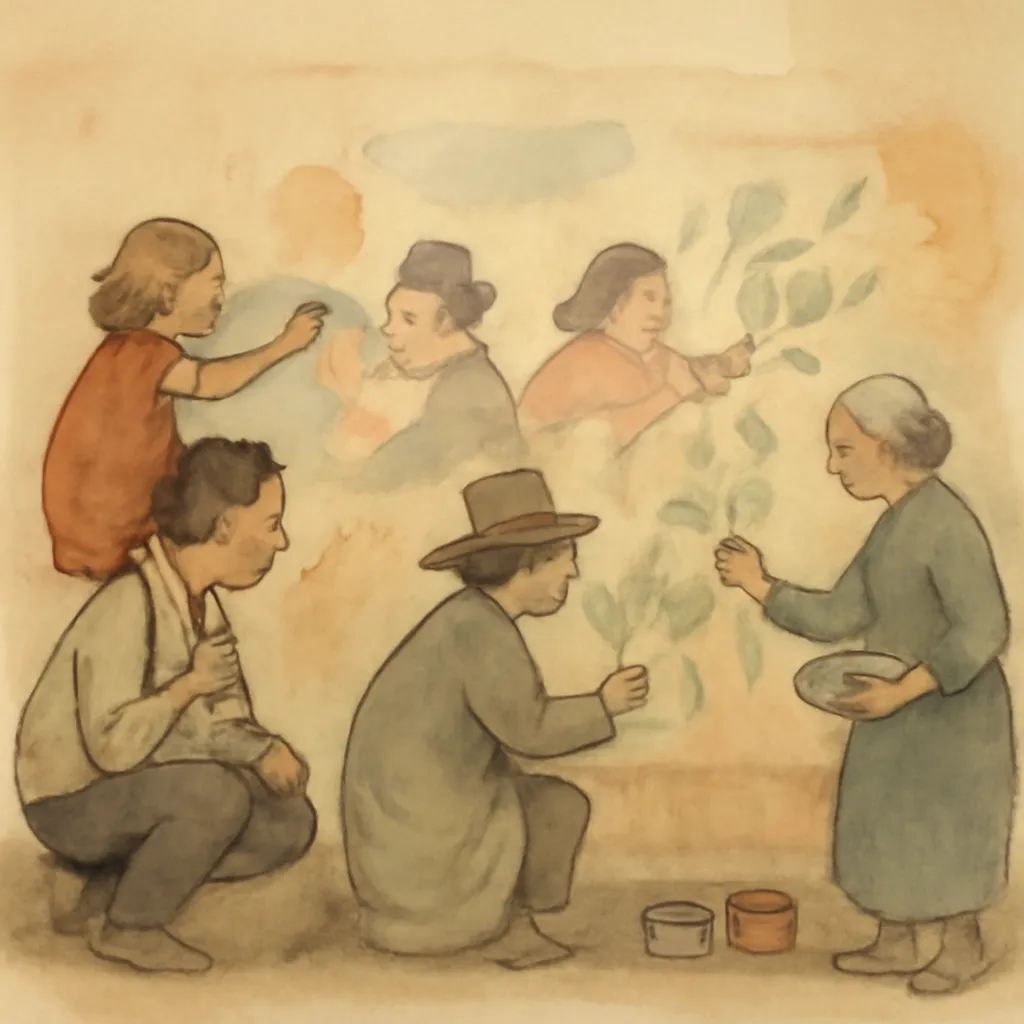
Wodehouse's narratives emphasize the significance of community and the connections formed through shared experiences. The camaraderie among artists and the supportive relationships between friends play a vital role in the characters' journeys. For Rutherford, Peggy's presence becomes a source of inspiration, exemplifying how relationships can enrich one's life and creative endeavors. This celebration of community reminds readers that we thrive when surrounded by those who uplift and support us. Wodehouse's portrayal of friendship and collaboration serves as a reminder that the bonds we forge with others are integral to our personal and artistic growth. The joy of being part of a community adds depth to the characters' experiences and reinforces the notion that connection is essential to the human experience. Through the lens of companionship, Wodehouse illustrates that sharing life’s joys and challenges can make even the most daunting obstacles feel surmountable.
10.The Triumph of the Underdog
Many of Wodehouse's characters begin as underdogs, facing challenges that seem daunting. However, through determination and the support of friends, they often achieve unexpected success. Rutherford's rise from struggling writer to celebrated playwright exemplifies this theme, showcasing the power of perseverance in the face of adversity. Wodehouse's narratives inspire readers to embrace their challenges, suggesting that triumph is possible even for those who may feel overlooked or underestimated. This underdog narrative resonates universally, encouraging individuals to pursue their dreams despite the odds. Wodehouse's lighthearted storytelling illustrates that with hard work and a bit of luck, anyone can rise to the occasion, making it a source of motivation and encouragement for all. The triumph of the underdog serves as a potent reminder that success is often the result of grit, resilience, and the belief that one can overcome obstacles.
11.Celebrating Life's Little Moments
Wodehouse's stories often highlight the significance of life's little moments, reminding readers to appreciate the beauty inherent in everyday experiences. The interactions between characters, the humor in their struggles, and the joy of their connections serve as a celebration of life itself. Through whimsical storytelling, Wodehouse invites readers to find delight in the mundane, emphasizing that happiness can be discovered in the simplest of interactions. The narrative arc often revolves around small victories and everyday joys, showcasing how these moments contribute to the larger tapestry of life. This appreciation for life's small pleasures encourages a mindful approach to living, where every moment is valued. By portraying the richness of ordinary life, Wodehouse's work serves as a gentle reminder to cherish the fleeting moments that add color to our daily existence.