1.Addiction as Human Struggle
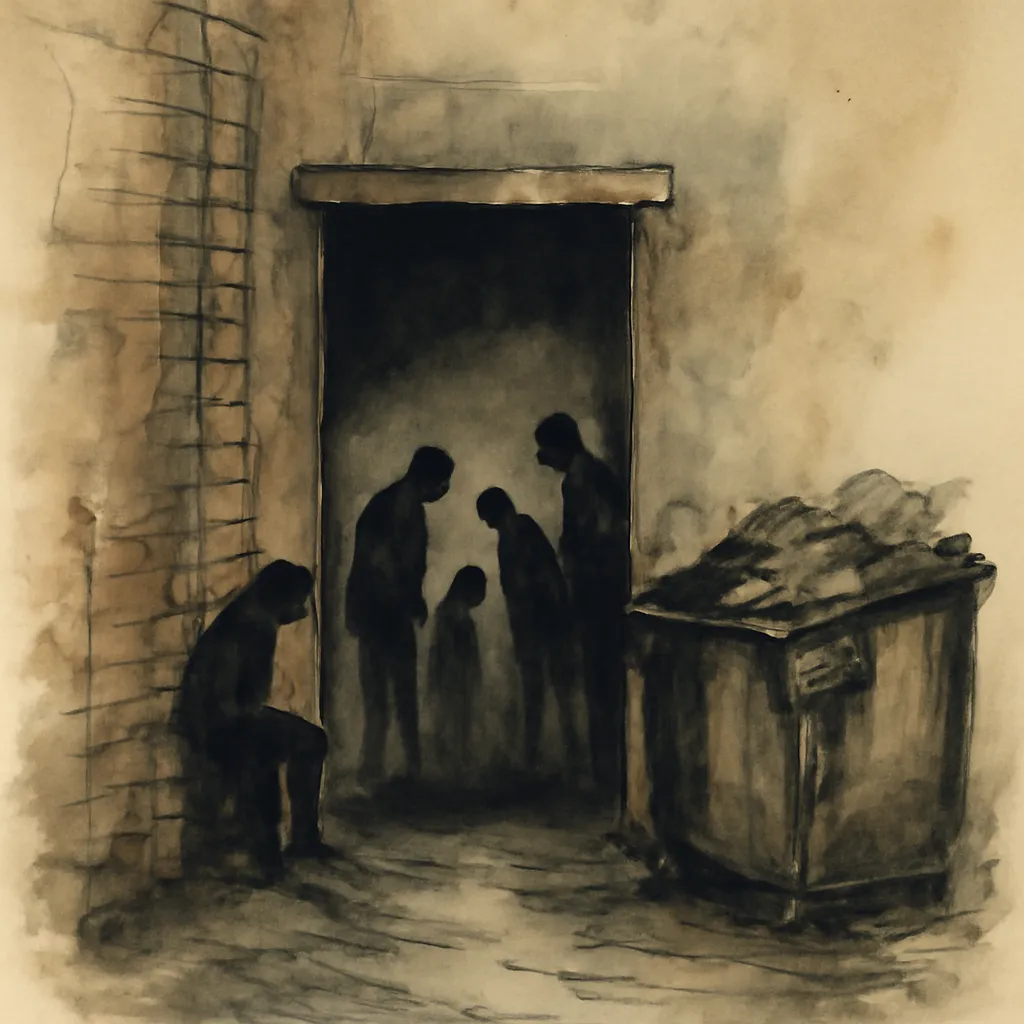
At its core, the novel examines heroin addiction not as a moral failing but as a deeply human struggle. Frankie Machine, the protagonist, is a talented card dealer and WWII veteran whose dependency on morphine is both a symptom and a metaphor for the wounds of war and the harshness of urban life. Algren’s depiction is unflinching yet compassionate, showing how addiction entraps not only the body but the soul, and how it is inextricably linked to cycles of poverty, trauma, and despair.
2.Urban Realism and the Underclass
Set in Chicago’s Polish-American neighborhood, the novel immerses readers in a world of flophouses, back alleys, and shadowy bars. Algren’s prose brings to life the marginalized characters—dealers, hustlers, and the desperate—who populate Frankie’s world. This gritty realism exposes the systemic neglect and social forces that shape the destinies of the urban poor, making the novel a powerful critique of American society’s failures.
3.The Search for Redemption
Despite his flaws and missteps, Frankie is portrayed as a man yearning for a second chance. The novel traces his attempts to break free from addiction and crime, driven by a desire for love, respect, and meaning. Algren explores the tension between hope and hopelessness, suggesting that redemption is possible but heartbreakingly elusive for those at society’s margins.
4.Masculinity and Vulnerability
Frankie’s journey is also a meditation on masculinity. As a veteran and breadwinner, he is expected to be tough and self-reliant, yet his addiction and emotional wounds reveal a profound vulnerability. Algren challenges stereotypes of male stoicism, showing how societal pressures can both forge and fracture a man’s identity.
5.The Role of Community and Isolation
The novel’s cast of characters—Frankie’s wife Sophie, his friend Sparrow, and others—reflects the complex web of relationships that both support and entrap him. Algren illustrates how community can offer moments of warmth and solidarity, but also how isolation and misunderstanding can deepen suffering. The tension between connection and alienation is a recurring motif.
6.Stylistic Innovation and Voice
Algren’s prose is notable for its lyrical, rhythmic quality, blending street slang with poetic imagery. This stylistic innovation gives voice to characters rarely heard in American literature of the time, and immerses readers in the sensory reality of Chicago’s underbelly. The novel’s language is as much a part of its impact as its plot or characters.