1.Happiness as a State of Mind
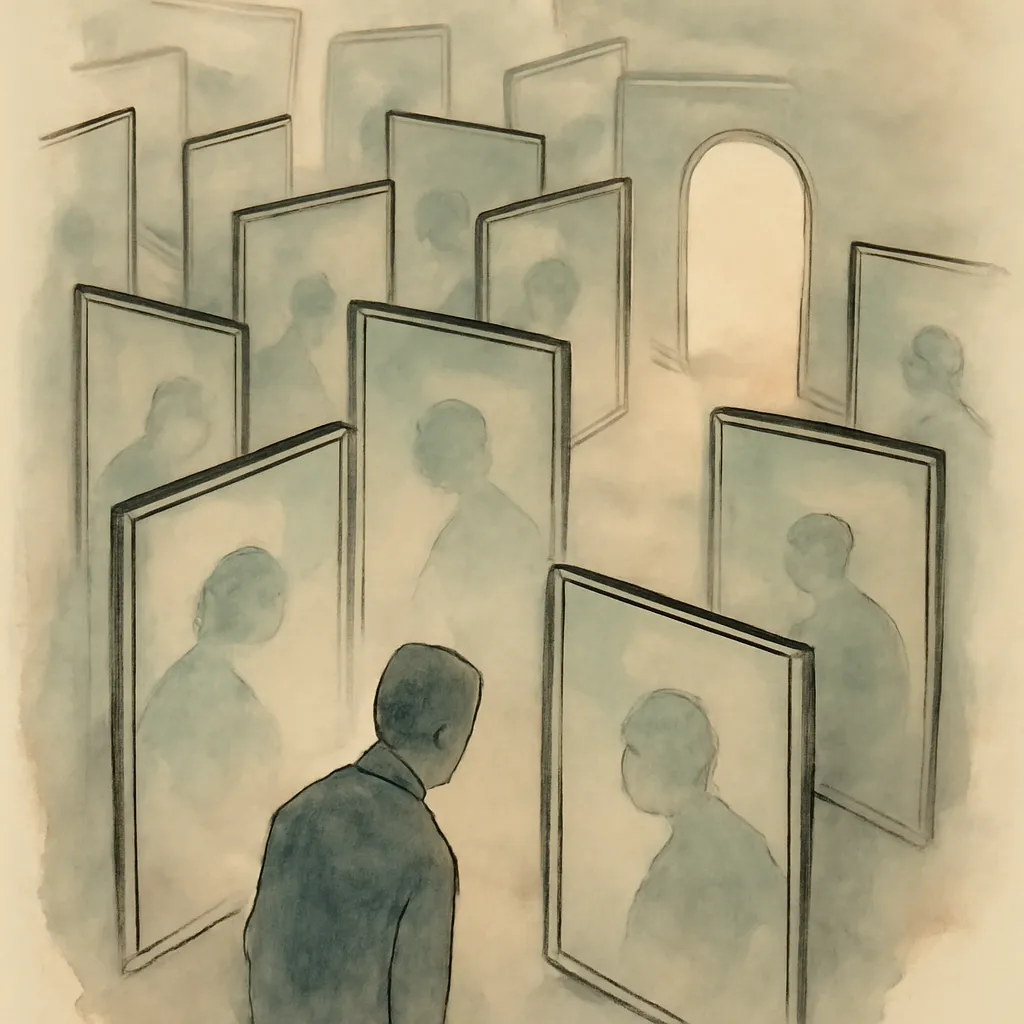
Lecky emphasizes that happiness is primarily a condition of mind rather than a mere product of external circumstances. This insight challenges the common misconception that happiness can be directly pursued through material gains or changes in environment. For instance, individuals who possess a positive outlook and resilience can find joy even in challenging situations, whereas those who depend solely on external validations often feel discontent. He illustrates this with examples from various cultures, suggesting that Eastern philosophies place greater emphasis on inner peace and mental disposition than Western ones, which often focus on external achievements. Ultimately, this understanding invites readers to focus on developing a mindset that fosters happiness, rather than merely chasing fleeting pleasures or accumulating possessions.
2.The Role of Morality in Happiness
Lecky explores the intricate relationship between morality and happiness, positing that true happiness often aligns with virtuous conduct. He critiques the utilitarian view that reduces morality to self-interest and pleasure, arguing instead that moral actions can lead to deeper satisfaction and fulfillment. For example, acts of kindness and selflessness not only contribute to the well-being of others but also enhance the moral character of the individual, leading to a more profound sense of happiness. He provides historical examples of figures like Marcus Aurelius, who, despite experiencing personal suffering, exemplified virtue and found a deeper sense of purpose. This perspective encourages readers to consider how their moral choices can enrich their own lives and lead to greater happiness, suggesting that morality, rather than being a burdensome obligation, is a pathway to true joy.
3.The Balance of Contentment and Progress
A significant theme in Lecky's work is the balance between contentment and the desire for progress. He argues that while striving for improvement and advancement is essential, it should not come at the expense of appreciating the present moment. The tension between wanting more and being satisfied with what one has can lead to a perpetual state of dissatisfaction. Lecky points out that many people find themselves in a constant cycle of yearning for the next achievement while neglecting the joys of their current circumstances. He encourages readers to cultivate gratitude and mindfulness, which can help them recognize and appreciate their current blessings while still pursuing personal growth. For instance, he suggests that maintaining a journal to reflect on daily joys can significantly enhance one's overall happiness. This balance is crucial for achieving a sustainable sense of well-being.
4.Work as a Pathway to Happiness
Lecky identifies meaningful work as a cornerstone of happiness. He argues that a life filled with purpose and activity is more likely to lead to satisfaction than one focused solely on leisure and pleasure. Engaging in work that aligns with one's values and passions fosters a sense of achievement and fulfillment. He cites historical figures, like Carlyle, who have emphasized the importance of labor in achieving a meaningful existence. Importantly, Lecky suggests that work should not be viewed merely as a means to an end, but as a vital component of life that contributes to personal growth and societal well-being. The act of working towards a goal can provide structure and direction, combating feelings of ennui and aimlessness. He posits that individuals who dedicate themselves to fulfilling work often report higher levels of life satisfaction, as their efforts contribute to both their own happiness and the welfare of others.
5.The Dangers of Excessive Self-Analysis
While self-reflection is valuable, Lecky warns against excessive introspection that can lead to paralysis and unhappiness. He observes that many individuals become trapped in cycles of overthinking, which can exacerbate feelings of anxiety and dissatisfaction. This phenomenon is illustrated by the struggles of great thinkers who were often more troubled by their thoughts than those who simply engaged with life directly. Instead of dwelling on their circumstances, Lecky advocates for proactive engagement with life through action and service. By shifting focus from self-analysis to active contributions to society, individuals can foster a sense of belonging and purpose, which are critical for happiness. He provides practical advice on setting aside time for community service or creative pursuits as a means to escape the trap of overthinking and encourage a more fulfilling existence.
6.Character Development Over Intellect
Lecky posits that the cultivation of character is more essential for happiness than intellectual prowess. He points out that many individuals with high intellect may lack the moral qualities that foster genuine happiness and fulfillment. This assertion highlights the importance of virtues such as integrity, kindness, and resilience, which can significantly impact one's life satisfaction. Lecky illustrates this idea by discussing historical examples of leaders who, despite their intellectual limitations, led impactful lives through their strong moral character. He emphasizes that qualities like temperance, honesty, and self-restraint often lead to greater success and happiness than mere intellectual achievement. This emphasis on character development serves as a reminder that true success and happiness often stem from personal integrity and virtues, rather than just from academic accomplishments or intellectual pursuits.
7.The Influence of Society on Individual Morality

Lecky examines how societal values shape individual morality and, consequently, personal happiness. He notes that different cultures prioritize varying virtues, which can influence how individuals perceive their duties and aspirations. For example, in societies that value self-sacrifice and community service, individuals may find greater fulfillment through helping others, while in more individualistic cultures, personal achievement may be emphasized. Lecky argues that societal expectations can guide individual choices, sometimes leading to moral compromises that detract from genuine happiness. He encourages readers to reflect on the societal influences that affect their moral choices and happiness, and to consider how they can align their personal values with those of their communities for a more enriching life experience. This exploration empowers individuals to engage critically with their environments and actively shape their moral landscapes.
8.Money: A Double-Edged Sword

Lecky presents a nuanced view of money's relationship with happiness, acknowledging its potential as both a blessing and a curse. He argues that while financial stability can alleviate many hardships and enhance quality of life, an excessive focus on wealth can lead to moral degradation and unhappiness. The pursuit of money often distracts individuals from more meaningful pursuits and relationships, creating a cycle of discontent. Lecky emphasizes that the key is not to reject money outright but to cultivate a healthy relationship with it, using it as a tool for enhancement rather than as a primary goal. He provides examples of individuals who successfully integrate their financial pursuits with their ethical values, illustrating that true happiness stems from how one uses their resources to support their values and contribute to the well-being of others. This perspective advocates for a balanced view of wealth that recognizes its importance while also understanding its limitations.
9.Marriage as a Transformative Experience

Lecky discusses marriage as a pivotal event in an individual's life that profoundly impacts happiness and character. He highlights that marriage brings with it a set of responsibilities and emotional ties that can either uplift or burden an individual. The dynamics of marital relationships often shape one's character and influence personal happiness. For instance, a supportive and loving partnership can foster growth, while a troubled marriage may lead to emotional distress. Lecky urges readers to approach marriage with seriousness and an understanding of its complexities, recognizing that it is not only a social contract but also a significant contributor to one's overall well-being. He points out that successful marriages often require effort, communication, and shared values, which can enrich both partners' lives. This recognition of marriage as a transformative experience invites readers to consider the ways in which their relationships contribute to or detract from their happiness.
10.The Inevitability of Time and Its Impact on Happiness
Lecky reflects on the passage of time and its inherent influence on human experience. He notes that the awareness of aging and mortality can evoke feelings of melancholy, yet it can also serve as a catalyst for appreciating life's fleeting moments. Understanding the transitory nature of life encourages individuals to live meaningfully and prioritize what truly matters. Lecky argues that embracing the inevitability of time can lead to a greater appreciation for relationships and experiences, ultimately contributing to a more profound sense of happiness. He suggests that individuals should cultivate a mindset that acknowledges the impermanence of life, as this can enhance their capacity for joy and fulfillment. By framing time as a resource rather than a limitation, readers are encouraged to make the most of their lives, fostering deeper connections and meaningful experiences.