Philosophy
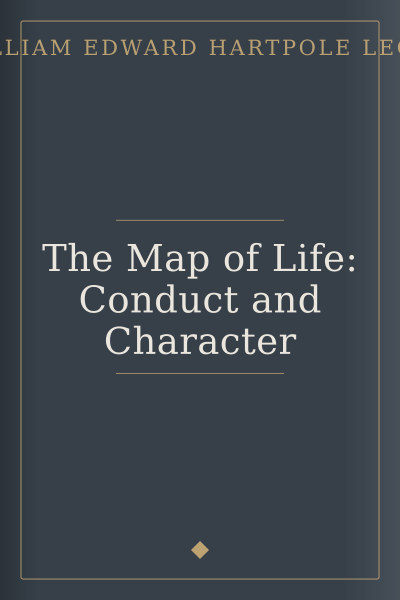
The Map of Life: Conduct and Character by William Edward Hartpole Lecky — Summary, Key Ideas & Full Text
327 pages18 chapters6h 34m read4h 40m speed read✦ 9-min Big ideasFree · no account
Rate it
Understanding the intricate relationship between happiness, morality, and character is key to navigating life's complexities
In 'The Map of Life: Conduct and Character', William Edward Hartpole Lecky explores the multifaceted nature of happiness, morality, and character. The book offers a profound analysis of how our dispositions and circumstances shape our experiences of happiness, and it challenges readers to reconsider the pursuit of pleasure as the ultimate goal in life. By delving into the interplay of moral values and personal conduct, Lecky sheds light on the importance of character development in achieving a fulfilling life. This exploration provides practical insights and philosophical reflections that encourage a deeper understanding of how happiness can be achieved not merely through external circumstances but through internal cultivation and moral integrity.
Lecky's 'The Map of Life: Conduct and Character' offers a rich exploration of the profound interplay between happiness, morality, and character formation. By emphasizing the importance of internal dispositions over external circumstances, Lecky encourages a more holistic approach to living that prioritizes moral integrity and meaningful work. His insights challenge readers to reflect on their values and the societal influences that shape their lives, ultimately guiding them towards a deeper understanding of true happiness. This book serves as a timeless reminder that cultivating character and embracing the complexities of life can lead to a more fulfilling and enriched existence.
“La vie n'est pas un plaisir ni une douleur, mais une affaire grave dont nous sommes chargés, et qu'il faut conduire et terminer à notre honneur.”
“Happiness is a condition of Mind and not a disposition of circumstances.”
“The greatest pleasures and pains in spheres accessible to all.”
Read William Edward Hartpole Lecky's work free on Lumina — the complete text plus an 8-minute summary and key ideas, no account needed