1.The Burden of Illegitimacy
Barty Josselin grapples with the stigma of being an illegitimate child in a society that places immense value on lineage and respectability. His mother, Antoinette, a once-famous actress, faces her own struggles as she attempts to provide a stable life for Barty while dealing with the remnants of her past. This duality of their existence creates a complex relationship where Barty both reveres and resents his mother's previous life. The novel illustrates how societal perceptions of legitimacy influence Barty's self-worth and his interactions with others, showcasing the emotional turmoil that accompanies his identity. For instance, when Barty is confronted with the title of a 'bastard,' it ignites feelings of inferiority and self-doubt that permeate his relationships, particularly with those from more established social backgrounds. His internal conflict reflects the broader societal critique of how illegitimacy can mar an individual's potential and aspirations.
2.Friendship as a Lifeline

Throughout the story, Barty's friendships serve as a crucial support system that helps him navigate the trials of his life. His bond with Maurice, a fellow student, exemplifies the deep connections that can form in the face of adversity. Maurice represents the ideal friend who accepts Barty's flaws and background, providing him with a sense of belonging that contrasts sharply with the judgmental gaze of society. These friendships are not just sources of joy but also provide Barty with a sense of belonging in a world that often feels alienating. The narrative emphasizes the importance of camaraderie, showcasing how friends can uplift one another in moments of despair and celebrate triumphs together. For example, during moments of hardship, it is Maurice's unwavering support that encourages Barty to pursue his artistic ambitions, illustrating how authentic friendship can catalyze personal growth. This portrayal of friendship underscores the idea that shared experiences, even in their most challenging forms, can foster resilience and hope.
3.Romantic Aspirations and Heartbreak

Barty's romantic entanglements are central to the narrative, reflecting his longing for love and acceptance. His infatuation with Leah Gibson represents both the ideal of romantic love and the harsh realities of social class. Leah, coming from a respectable family, embodies the societal values that Barty yearns to align himself with. The beauty of Leah is not just physical; she symbolizes the unattainable ideals of purity and social standing that Barty aspires to. However, their relationship is fraught with obstacles, including the disapproval of her family and Barty's own insecurities about his status. The novel poignantly captures the bittersweet nature of love, where moments of joy are often shadowed by the fear of rejection and societal constraints. For instance, when Barty is compelled to hide his feelings due to fear of being deemed unworthy, it encapsulates the emotional struggles of love that is tinged with societal judgment. Barty's heartbreak serves as a reminder of the vulnerability that accompanies deep emotional connections, reflecting the universal nature of love's challenges.
4.Art as a Reflection of Identity

Barty's journey into the world of art serves as a metaphor for his search for identity and self-expression. Throughout the story, he grapples with the desire to be recognized for his talent rather than his lineage. His artistic endeavors allow him to explore his emotions and communicate his experiences in a way that transcends the limitations imposed by society. The novel illustrates how art can be a powerful vehicle for personal liberation, enabling individuals to assert their identities and challenge societal norms. For example, Barty's sketches evolve from mere reproductions to profound reflections of his inner turmoil and aspirations, showcasing the transformative power of creativity. The moments when he loses himself in his art are depicted as cathartic experiences that provide him with a fleeting sense of freedom. This exploration of art not only highlights Barty's personal struggles but also serves as a commentary on the broader significance of artistic expression in the quest for identity.
5.The Complexity of Familial Bonds
The relationships between Barty and his family members are depicted with nuance, showcasing the tension between affection and resentment. His connection with his mother is particularly complex; she embodies both the source of his shame and the person he deeply loves. Antoinette's attempts to provide for Barty often conflict with her own desires and past choices, creating a delicate balance of love and regret. The novel explores how familial expectations can shape individual choices and identities, often leading to conflict and misunderstanding. Barty's interactions with his mother reflect the broader theme of how love can be both nurturing and suffocating, highlighting the intricate dynamics that exist within familial relationships. For example, moments of tenderness between Barty and Antoinette are often countered by Barty's recognition of the sacrifices she has made, leading him to feel both gratitude and guilt. This exploration underscores the notion that family ties are not solely defined by blood but are also shaped by emotional connections, making the familial bond both a source of strength and a potential source of pain.
6.Societal Expectations and Class Struggles
Set against the backdrop of 19th-century Paris, the novel paints a vivid picture of the rigid social hierarchies that dictate personal interactions and aspirations. Barty's experiences reveal the pervasive influence of class distinctions, as he navigates a world where wealth and lineage often determine one's worth. The narrative critiques these societal norms, illustrating how they can stifle individuality and perpetuate inequalities. Barty's struggles to gain acceptance in higher social circles serve as a commentary on the arbitrary nature of social status, prompting readers to reflect on their own perceptions of worth and belonging. For instance, Barty's moments of triumph are often marred by the reminders of his illegitimacy, emphasizing the idea that societal barriers can hinder personal success regardless of individual merit. This exploration of class dynamics enhances the emotional depth of the story, making Barty's journey resonate on multiple levels and inviting readers to consider the impact of societal norms on their own lives.
7.The Role of Women in Society

Women in 'The Martian' play pivotal roles that reflect both empowerment and constraint within the societal context of the time. Characters like Antoinette and Leah navigate the expectations placed upon them, often finding themselves at the mercy of patriarchal values. Antoinette's past as an actress highlights the limited avenues available for women seeking autonomy, while Leah's struggles with her family's expectations underscore the societal pressures that dictate women's choices. The novel invites readers to consider the evolving role of women and the impact of societal norms on their lives, emphasizing the need for agency and self-determination. For example, Leah's eventual rebellion against her family's expectations mirrors the broader feminist movements of the era, suggesting that the fight for autonomy is a universal struggle. Through these female characters, Du Maurier captures the complexities of womanhood in a changing world, illustrating both the progress made and the challenges that remain.
8.The Search for Belonging

At its core, 'The Martian' is a profound exploration of the human desire for belonging and acceptance. Barty's journey reflects the universal quest to find one's place in the world, a theme that resonates with readers across time and culture. His struggles with identity, love, and familial relationships illustrate the lengths individuals will go to secure a sense of belonging. The novel suggests that this quest is often fraught with challenges, as societal norms and personal insecurities can create barriers to connection. For instance, Barty’s repeated attempts to ingratiate himself into Leah's social circle showcase his desperation for acceptance yet also highlight the futility of his efforts due to the rigid class structures. Ultimately, Barty's experiences serve as a mirror for readers, prompting them to reflect on their own journeys toward acceptance and the importance of forging meaningful connections, making the story's exploration of belonging deeply relatable.
9.The Intersection of Love and Sacrifice
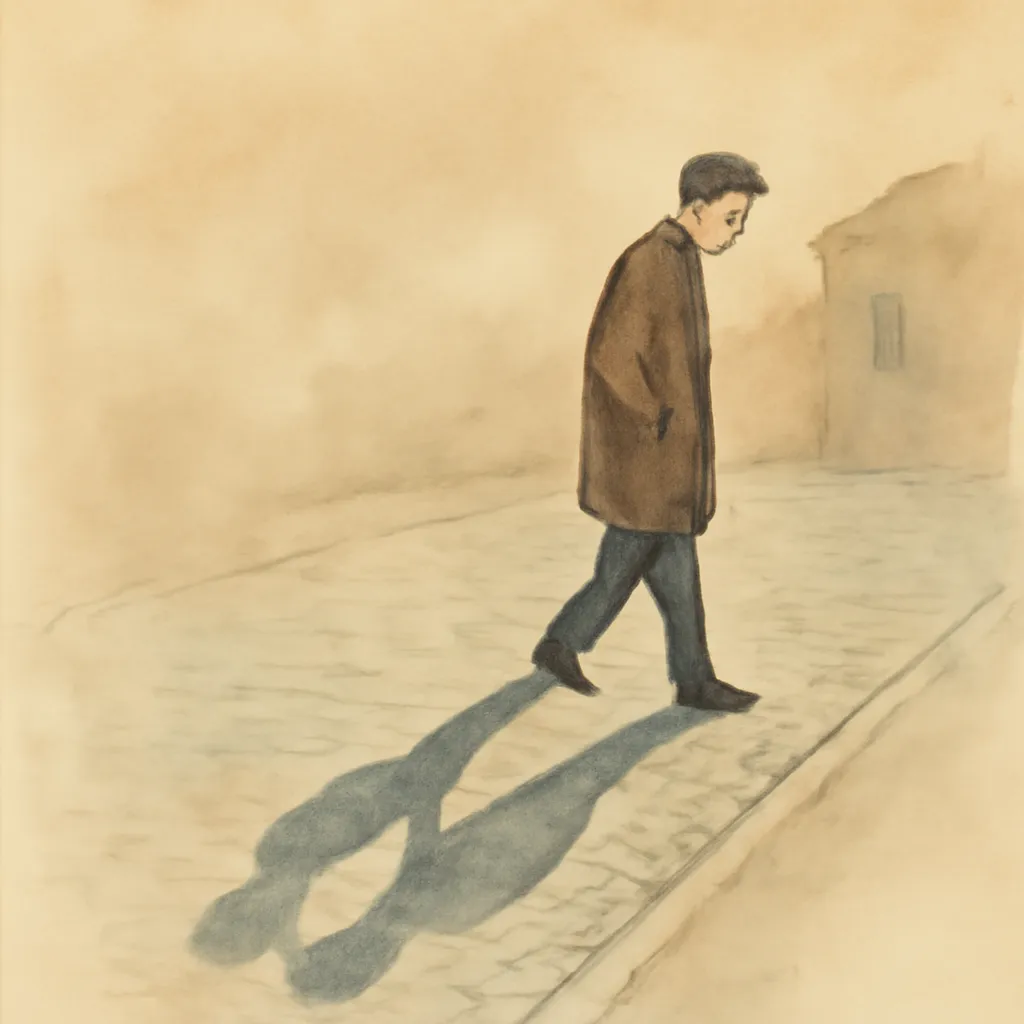
Love in 'The Martian' is depicted as a powerful force that often demands sacrifice. Barty's relationships are marked by the need to navigate competing desires and the expectations of those around him. His love for Leah, for instance, requires him to confront his insecurities and the societal barriers that threaten to keep them apart. The novel poignantly captures the idea that love is not merely a feeling but a commitment that can lead to personal growth and transformation. For example, when Barty prioritizes Leah's happiness over his own desires, it reflects the selflessness that often accompanies genuine love. The sacrifices Barty makes, whether it be distancing himself from friends or stepping back from opportunities for personal gain, underscore the complexities of love. Through these depictions, the narrative emphasizes that true love often involves navigating difficult choices and personal growth, enriching the emotional landscape of the story.
10.The Impact of Loss on Personal Growth
Loss is a recurring theme in 'The Martian,' shaping Barty's character and influencing his journey. The death of loved ones, the end of relationships, and the loss of dreams serve as catalysts for Barty's growth and self-discovery. These experiences of loss force him to confront his vulnerabilities and redefine his understanding of love and connection. The novel illustrates how personal growth often emerges from the depths of grief, highlighting the resilience of the human spirit in the face of adversity. For instance, Barty's mourning for his mother intertwines with his desire to honor her legacy through his art, transforming his pain into a driving force for creativity. This exploration of loss serves to deepen the narrative's emotional resonance, illustrating that while grief can be an isolating experience, it can also foster profound insights and a greater appreciation for life and love.