1.Satire of Soviet Society
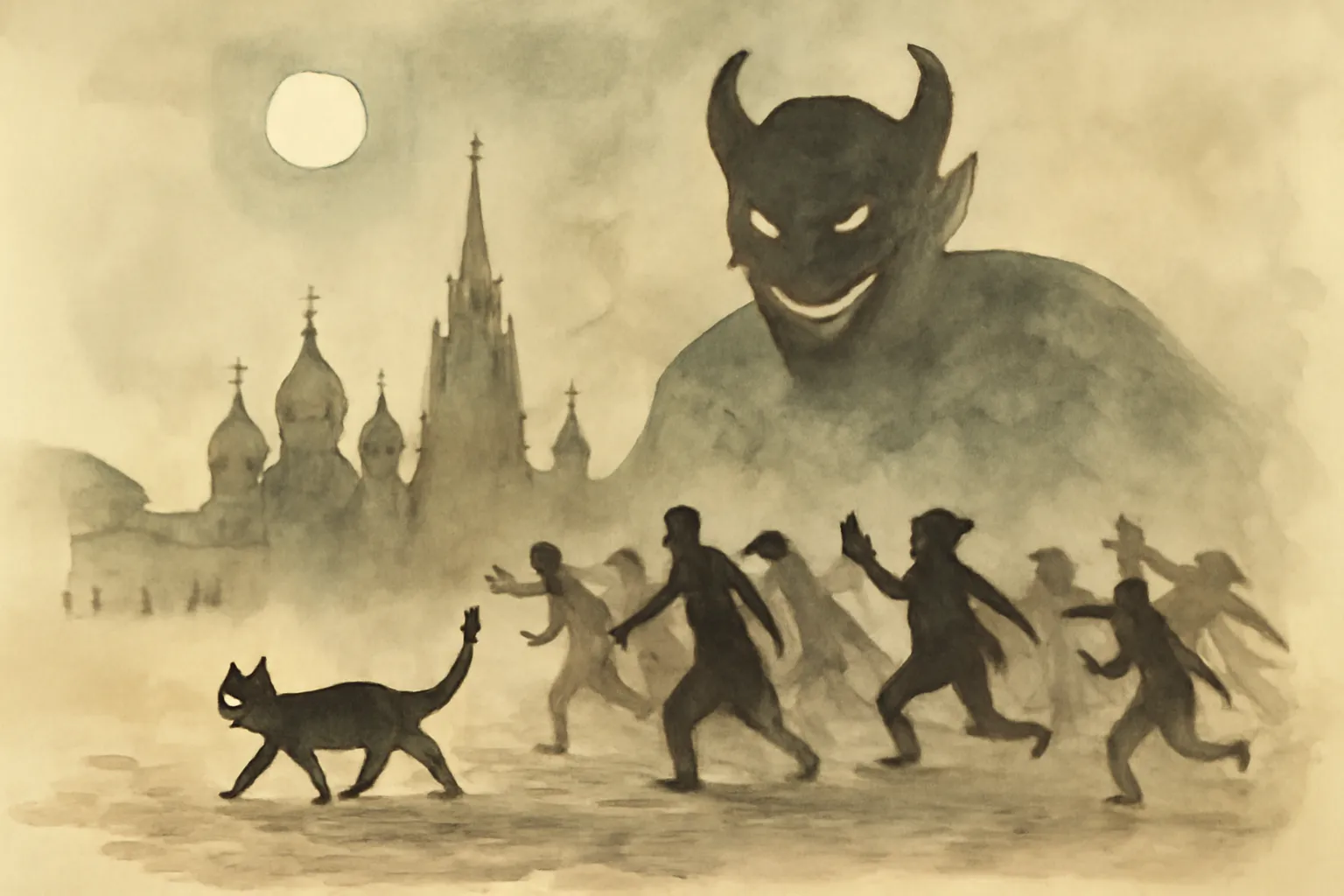
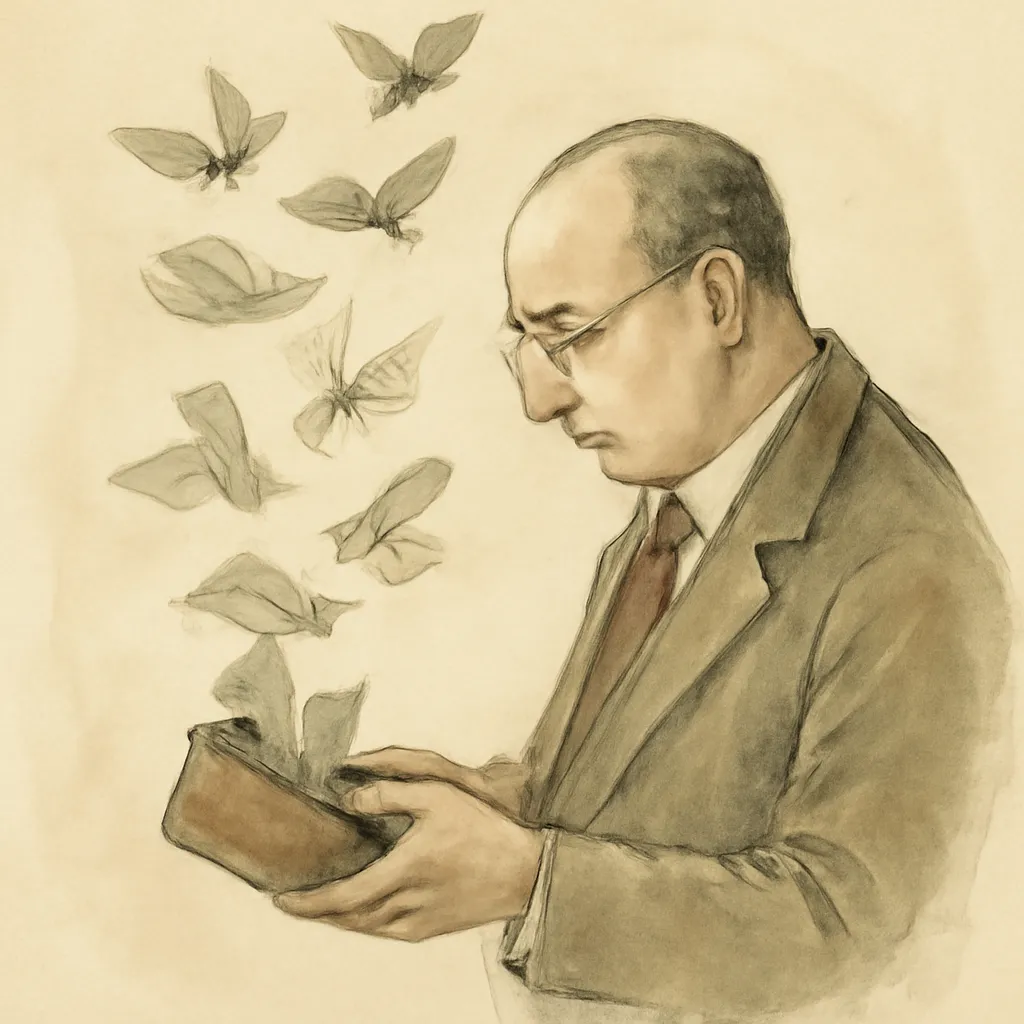
Bulgakov uses the arrival of Woland (the Devil) and his bizarre retinue to lampoon the absurdities and moral bankruptcy of 1930s Moscow. Through supernatural chaos—talking cats, vanishing bureaucrats, and magical currency—he exposes the hypocrisy, fear, and opportunism bred by an authoritarian, atheist regime. The novel’s humor and grotesquery highlight how official ideology distorts reality, encouraging readers to question conformity and the cost of suppressing spiritual life.
2.The Power and Peril of Art
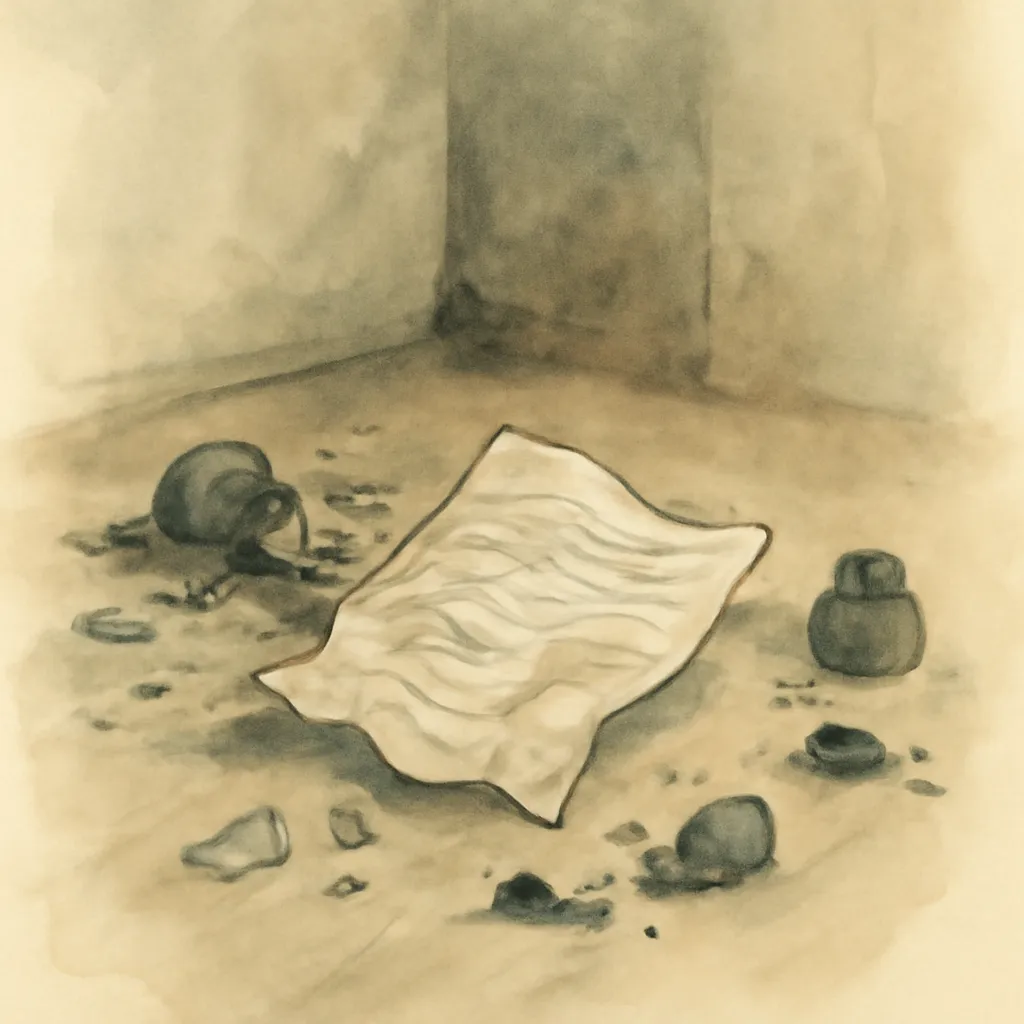
At the heart of the novel is the Master, a persecuted writer whose banned novel about Pontius Pilate mirrors Bulgakov’s own struggles with censorship. The story explores how art can be both a source of transcendence and a target for destruction under repressive systems. The Master’s journey, and the magical intervention of Margarita, affirm the enduring power of creativity and imagination to resist tyranny and redeem the human spirit.
3.Love as Redemption
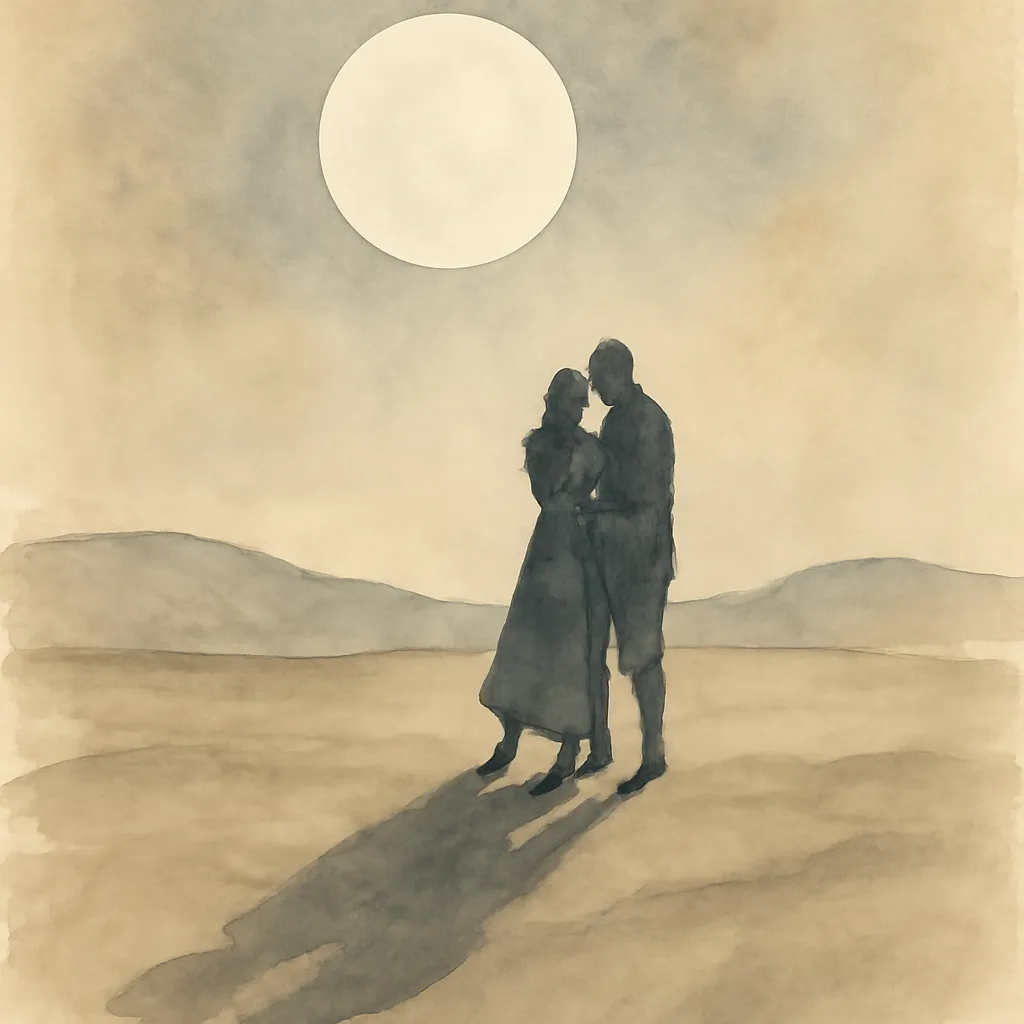
The relationship between the Master and Margarita is a passionate, sacrificial love that transcends the material world. Margarita’s pact with the Devil and her supernatural adventures are driven by her devotion to the Master, suggesting that true love can inspire acts of courage and even defy cosmic order. Bulgakov presents love as a force capable of achieving grace and forgiveness, even in a corrupt world.
4.Faith, Doubt, and the Supernatural
By bringing the Devil to an atheist society, Bulgakov explores the tension between belief and skepticism. The parallel narrative of Pontius Pilate’s encounter with Yeshua Ha-Notsri (a Christ figure) deepens the philosophical inquiry into guilt, redemption, and the search for truth. The novel suggests that denying the spiritual dimension of life leads to emptiness and confusion, while acknowledging mystery opens the door to meaning.
5.Freedom and Responsibility
Characters in the novel are repeatedly confronted with choices that test their integrity and autonomy. Woland’s interventions force Muscovites to reveal their true selves, often exposing cowardice or greed. Yet, the story also shows that freedom requires responsibility: Margarita’s choices, for example, come with consequences. Bulgakov ultimately argues that moral freedom is essential, even in a world governed by absurdity.
6.Reality Versus Illusion
The boundary between reality and fantasy is constantly blurred, challenging readers to question what is true. The magical events in Moscow and the retelling of biblical Jerusalem are equally vivid, suggesting that official ‘truth’ is often a construct, and that imagination and faith can reveal deeper realities. The novel’s structure itself becomes a commentary on the unreliability of perception under authoritarianism.