1.The Call of the Sea
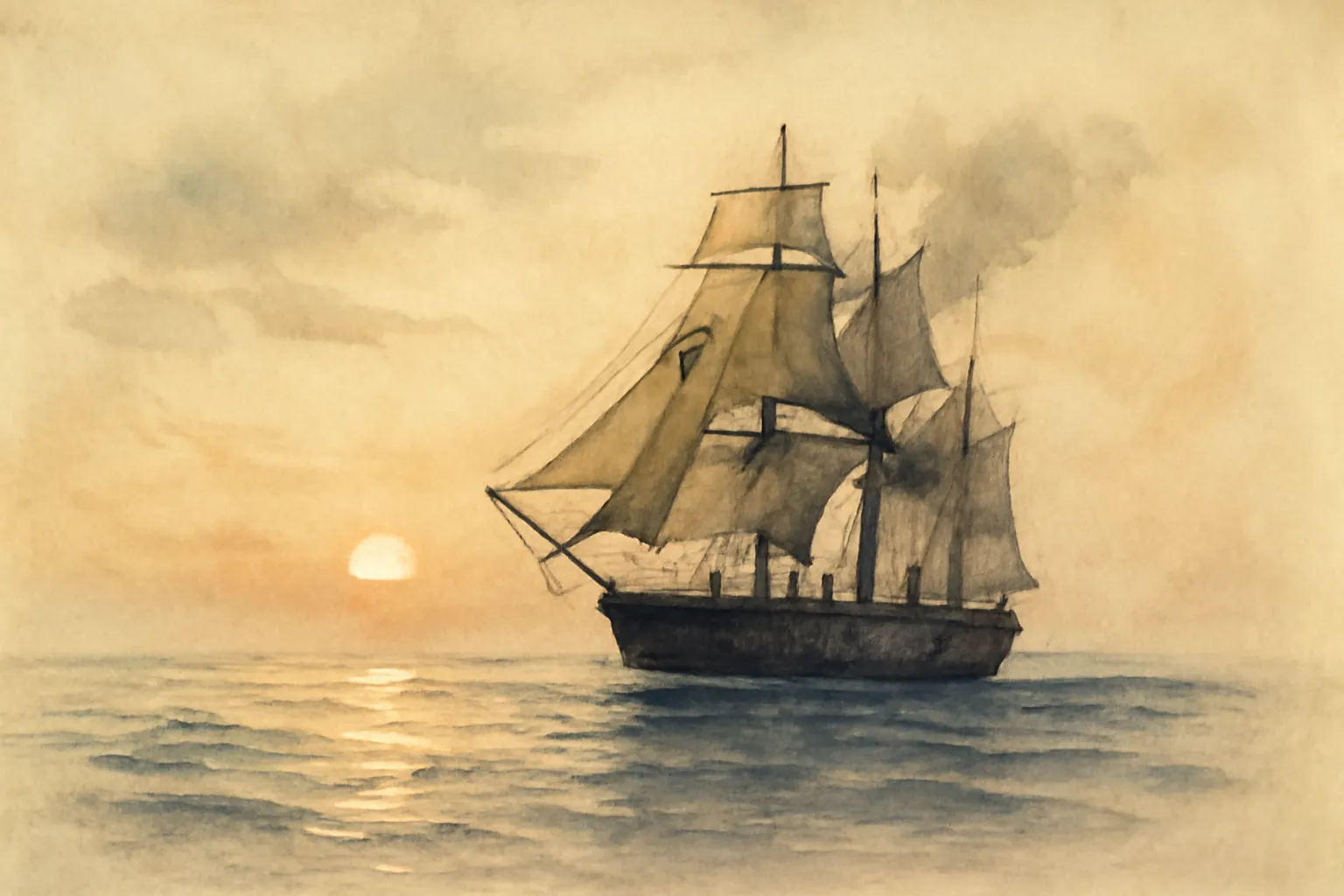
Beresford's journey began at a young age, influenced by a family steeped in military and naval tradition. His first encounter with the Royal Navy at the age of twelve left a lasting impression, igniting a passion for the sea that would define his life. The excitement of witnessing a naval fleet in action, with its disciplined sailors and majestic ships, set the stage for his future career. Beresford's early experiences, including the tragic death of his brother, Lord Waterford, during a hunting accident, further deepened his resolve to serve his country. This personal connection to military service shaped his identity, instilling a sense of duty and adventure. The vivid imagery of the ships, the sounds of the crew, and the sight of the sails unfurling filled him with an unquenchable thirst for naval life, marking the beginning of a remarkable trajectory that would see him rise through the ranks of the Royal Navy.
2.Training and Trials
Beresford's entry into naval service was marked by a series of formative experiences that tested his character and resolve. After joining the Royal Navy as a cadet in 1859, he faced a rigorous training regimen that demanded both physical endurance and mental acuity. His candid reflections on the qualifying examinations reveal the challenges faced by young cadets, including a humorous incident involving his signature. These early trials were not merely academic; they were a crucible that forged his leadership skills and resilience. The camaraderie among his fellow cadets, combined with the strict discipline of naval life, laid the foundation for Beresford's future success as a commander. His early days at sea were characterized by a mix of excitement and trepidation, as he navigated the complexities of naval etiquette and the expectations placed upon him as a budding officer. These experiences instilled in him a sense of responsibility that would serve him throughout his career, preparing him for the leadership roles he would later assume.
3.The Thrill of Command
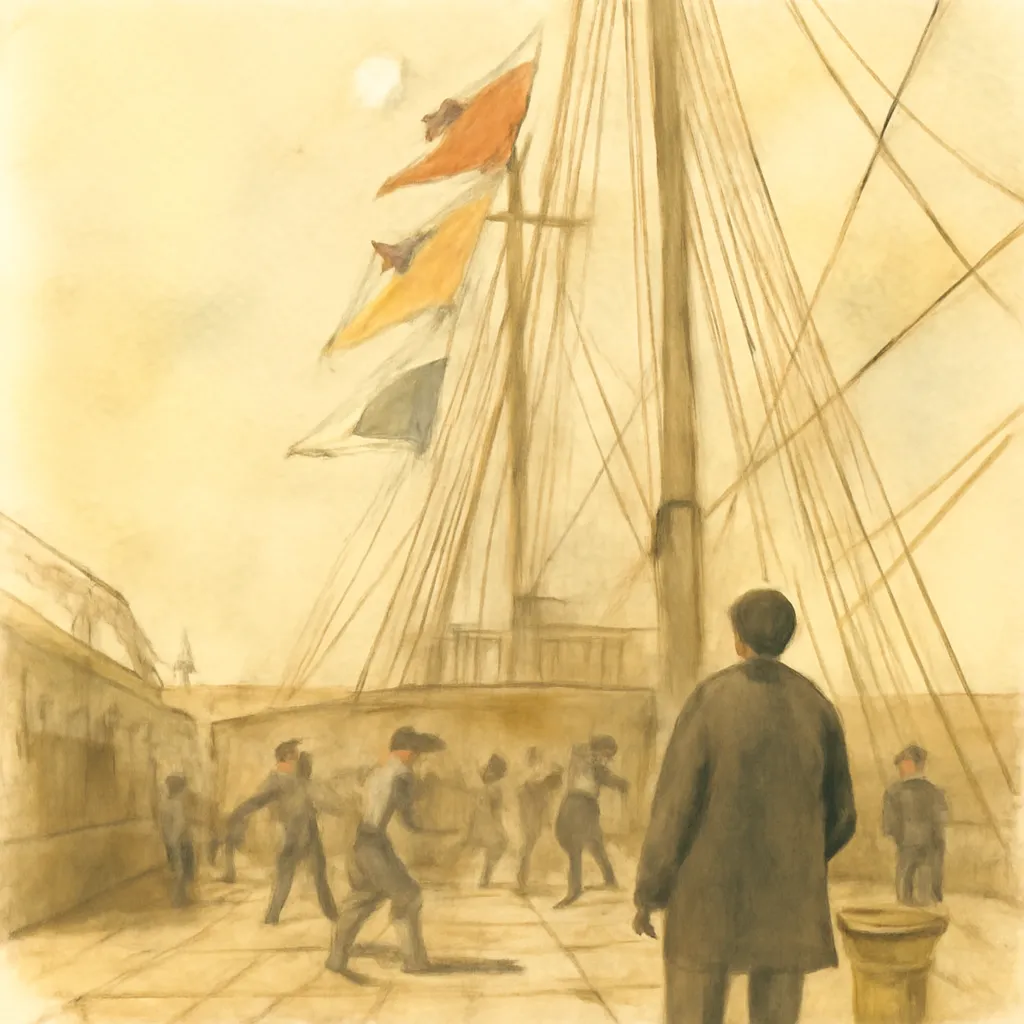
As Beresford ascended the ranks, he experienced the profound joy and pride that comes with commanding a ship. His time aboard the Marlborough, a flagship of the Mediterranean station, was particularly formative. The ship, with its blend of traditional sailing techniques and emerging steam technology, symbolized the transition in naval warfare. Beresford's descriptions of life aboard the Marlborough capture the exhilaration of sailing, the intricate dance of sailors working in unison, and the deep bond formed between a captain and his crew. This connection to his ship and men became a defining aspect of his leadership style. He emphasized the importance of understanding a ship's unique character, likening it to the individuality of people. Beresford's pride in his command was evident in the way he described the hard work and dedication of his crew, creating an atmosphere where discipline was balanced with camaraderie. This joy of command became a cornerstone of his philosophy, shaping his approach to leadership and operational strategy throughout his career.
4.Navigating the Waters of Change
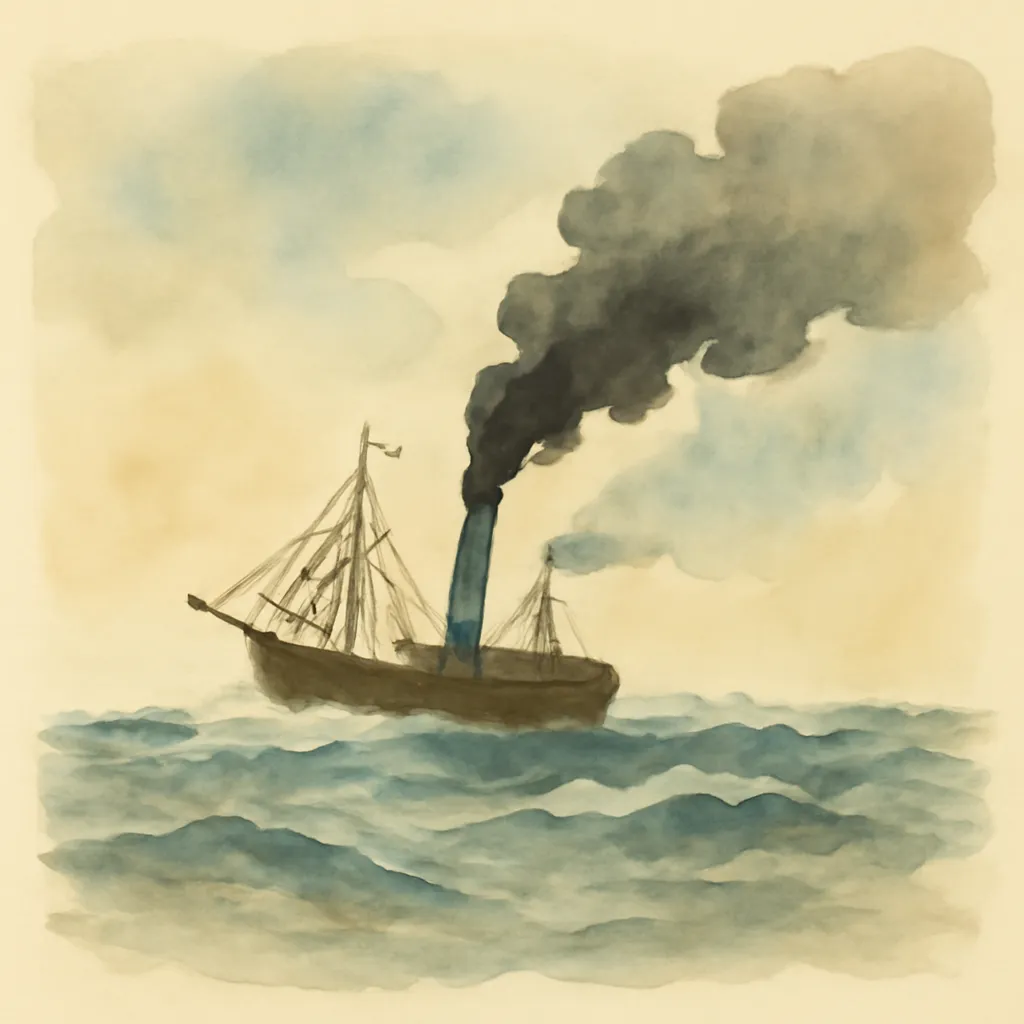
Beresford's career unfolded during a period of significant transformation within the Royal Navy, marked by the shift from sail to steam. His experiences aboard various ships, including the Defence, which he found disappointing compared to the Marlborough, highlight the growing pains of the Navy as it adapted to new technologies. The Defence, with its heavy reliance on steam power, lacked the grace and agility of its predecessors, which created a stark contrast for Beresford. His candid reflections on the Defence's limitations underscore the tension between tradition and innovation. The transition to steam-powered vessels was not just a technical evolution; it represented a broader shift in naval strategy and tactics. Beresford's insights into this transformation provide a unique perspective on the challenges faced by naval leaders in adapting to an ever-changing maritime landscape. He recognized that to maintain naval supremacy, embracing new technologies while respecting established traditions was essential, a balancing act that would define his leadership style.
5.The Influence of Leadership

Throughout his memoirs, Beresford pays homage to the leaders who shaped his career and influenced his approach to command. His time under Captain Lord Gillford aboard the Tribune exemplifies the impact of strong leadership on a young officer's development. Gillford's insistence on high standards and seamanship instilled in Beresford a deep respect for the art of sailing and the responsibilities of command. The anecdotes shared about Gillford's unique methods illustrate the importance of decisiveness and confidence in leadership. Beresford's experiences under Gillford's command laid the groundwork for his own leadership philosophy, emphasizing the need for a leader to inspire through example. His reflections on these experiences reveal how mentorship and guidance played a crucial role in his own development as a leader. Beresford came to understand that effective leadership extended beyond technical skills; it encompassed the ability to inspire and motivate a team, even in the face of adversity, and he carried these lessons into his future roles.
6.A Global Perspective
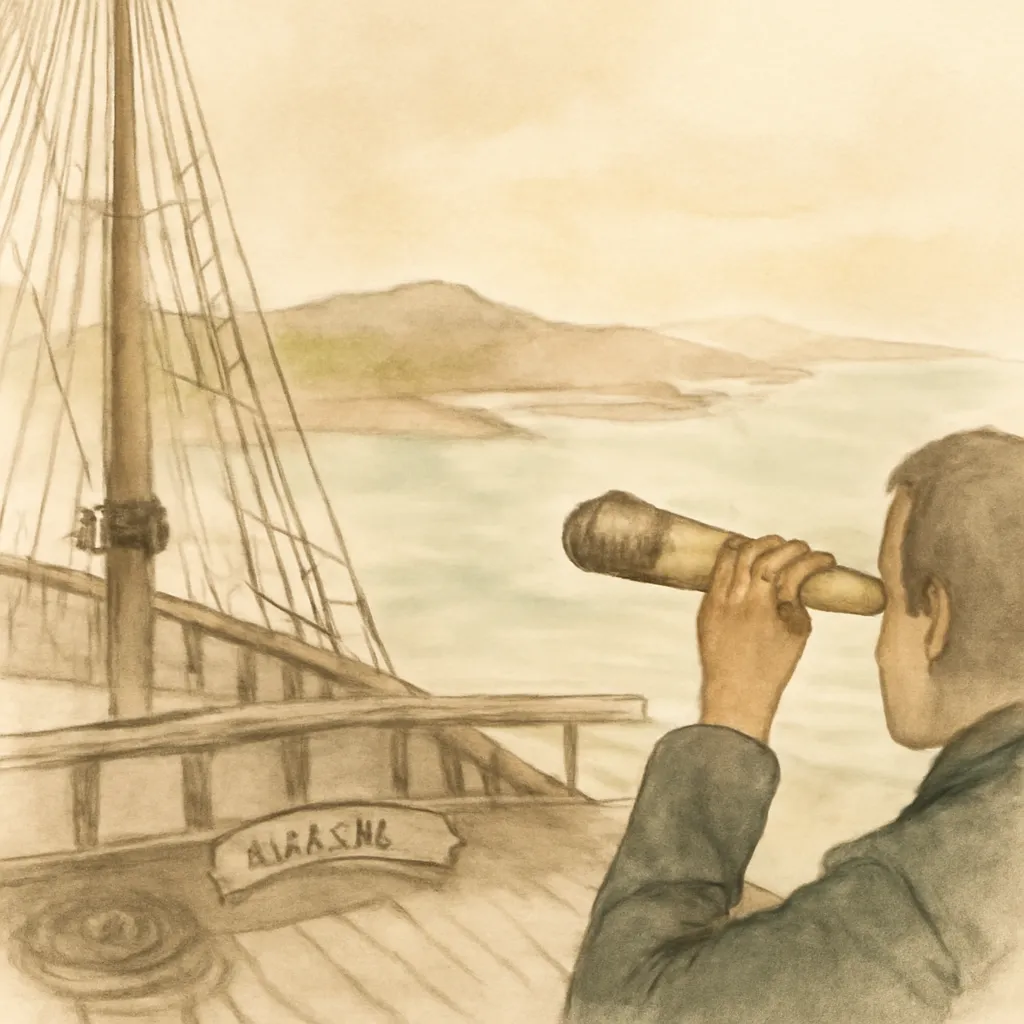
Beresford's naval career afforded him the opportunity to travel the world, from the Mediterranean to the antipodes. His time aboard H. M. S. Galatea with the Duke of Edinburgh provided a unique vantage point on global affairs. The voyage, marked by visits to South Africa, Australia, and New Zealand, exposed Beresford to diverse cultures and geopolitical dynamics. His observations on the hospitality of foreign nations and the interactions with local populations reveal the softer side of naval diplomacy. Beresford's experiences during these travels not only enriched his understanding of the world but also informed his later political career. He learned to navigate the complexities of international relations and developed a keen appreciation for cultural differences. This global perspective became a vital asset in his later political engagements, as he recognized the interconnectedness of nations and the importance of diplomacy in maintaining peace. Beresford's time abroad reinforced his belief that understanding cultural nuances is essential for effective leadership and international relations.
7.The Trials of War
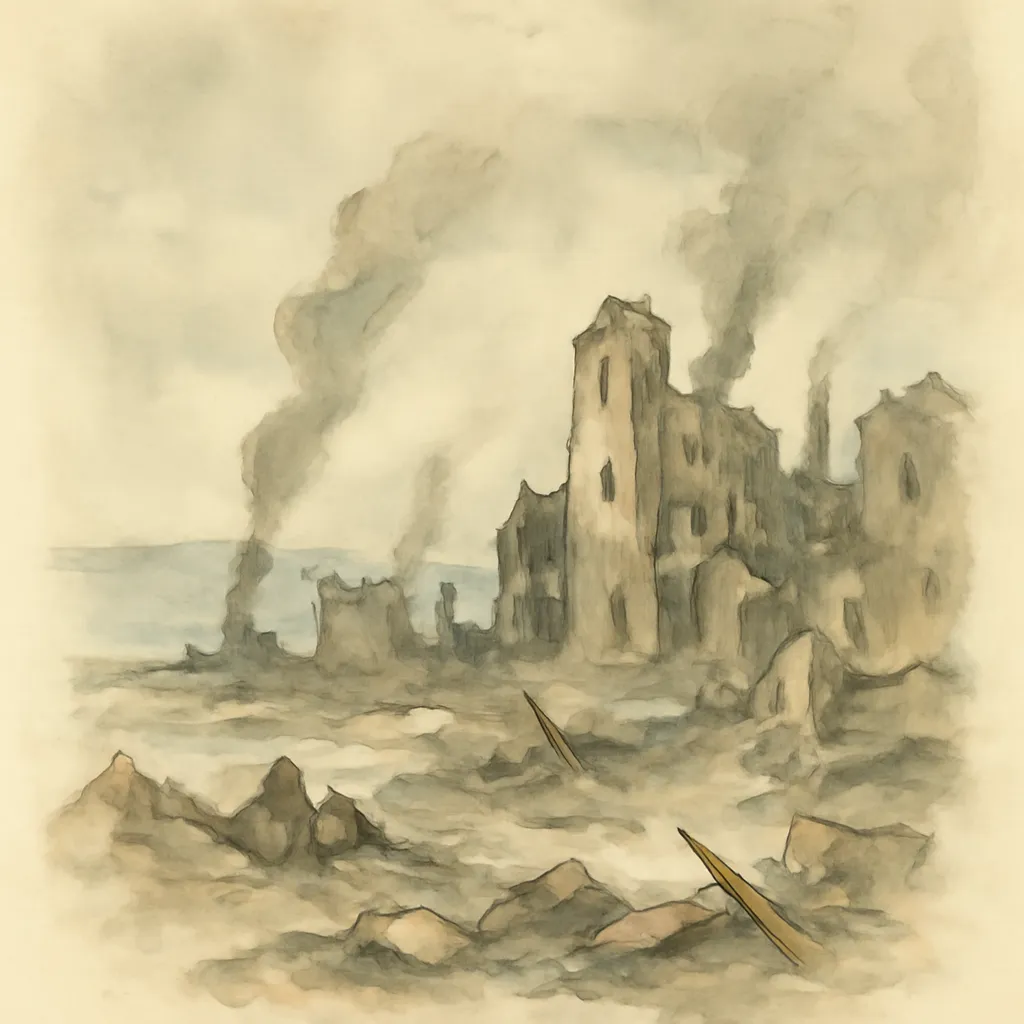
Beresford's memoirs delve into the harrowing realities of war, particularly during the Egyptian campaign. His firsthand accounts of the bombardment of Alexandria and his role as chief of police during the chaos that ensued highlight the complexities of military intervention. The emotional toll of witnessing destruction and suffering weighs heavily on Beresford, who grapples with the moral implications of war. His reflections on the chaos following the bombardment reveal the challenges faced by military leaders in restoring order amidst anarchy. Beresford's commitment to protecting civilians and restoring law and order underscores his belief in the moral responsibilities of military service. This chapter of his life serves as a poignant reminder of the human cost of conflict and the importance of compassion in leadership during times of crisis. Beresford's experiences during this tumultuous period forced him to confront the ethical dilemmas inherent in military intervention, ultimately shaping his views on the responsibilities of power.
8.Political Engagement
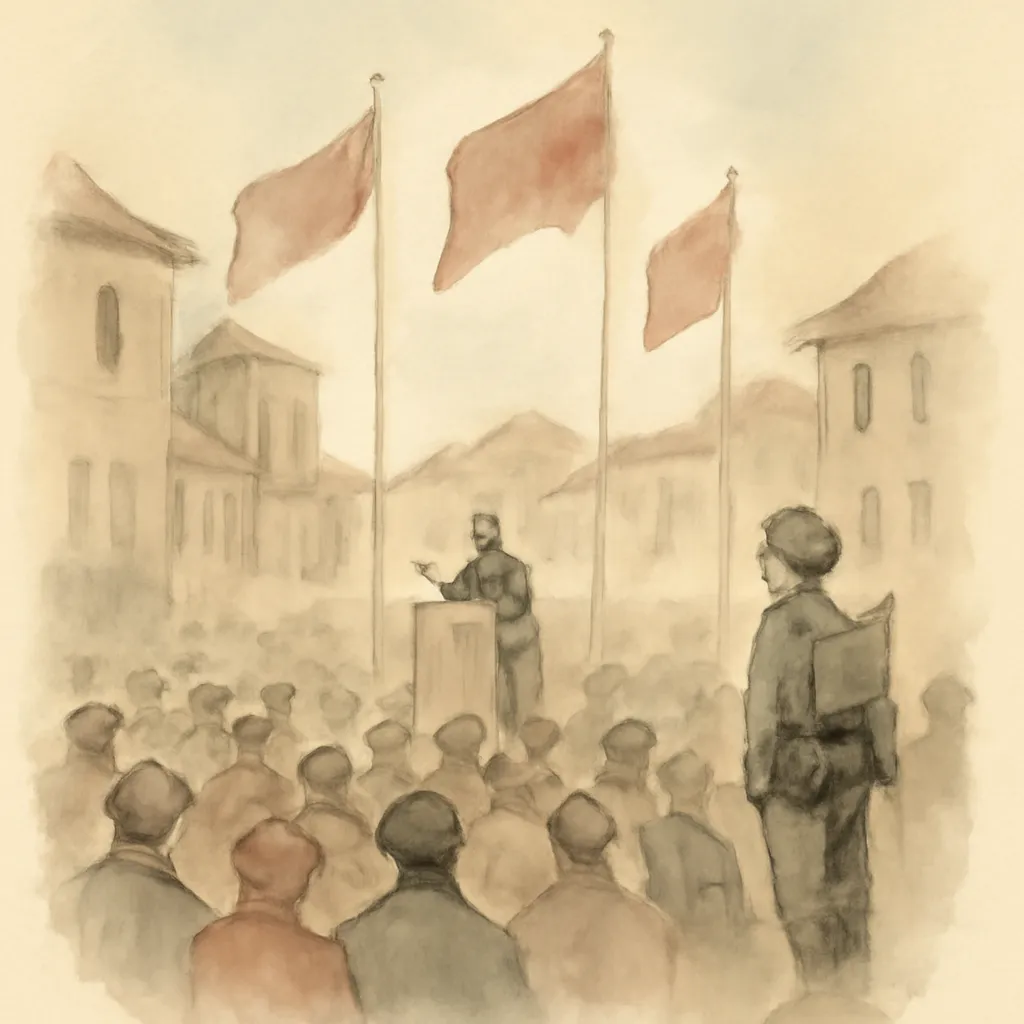
Beresford's transition from naval officer to politician reflects the intricate relationship between military service and public life. His experiences during the Kerry election of 1872 exemplify the challenges and complexities of Irish politics in the late 19th century. The election, fought primarily on the Home Rule issue, underscored the deep divisions within Irish society. Beresford's involvement in politics was not merely a career shift; it was a continuation of his commitment to public service. His candid reflections on the political landscape reveal the difficulties of navigating party politics while staying true to one's convictions. The tensions between personal beliefs and party loyalty became a recurring theme in his political journey. Beresford's experiences highlight the need for integrity and authenticity in political engagement, as he often found himself at odds with party lines. This commitment to principle would define his approach to governance and public service throughout his life. His determination to speak out against injustices, even at the risk of political repercussions, speaks to the courage required in leadership.
9.Legacy of Leadership
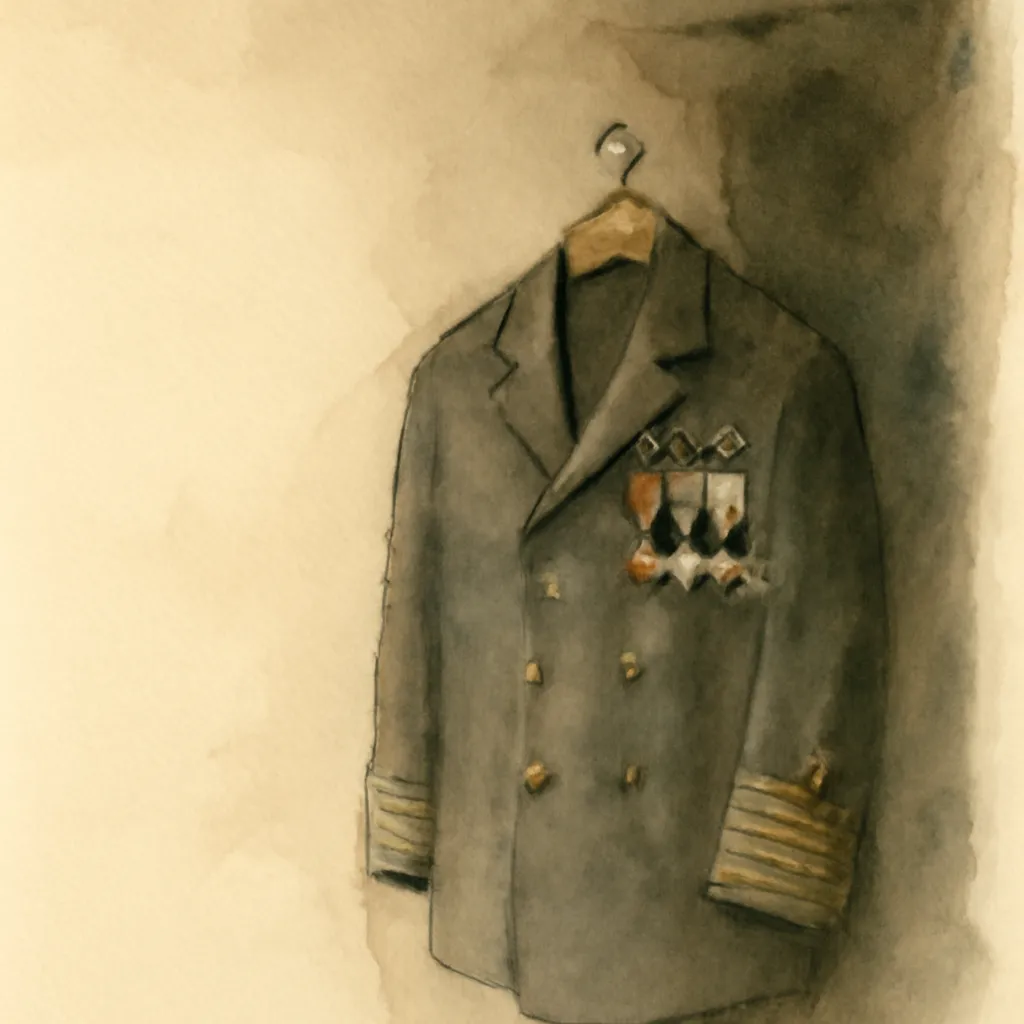
Beresford's memoirs serve as a testament to the enduring qualities of effective leadership, resilience, and integrity. His journey through the Royal Navy and into politics is marked by a commitment to service and a dedication to his principles. Beresford's experiences offer valuable lessons for current and future leaders, emphasizing the importance of adaptability and compassion in navigating complex challenges. The anecdotes of his life illustrate how he faced adversity with unwavering resolve and a moral compass that guided his decisions. His reflections on the power of mentorship and the influence of strong leaders highlight the need for guidance and support in personal and professional development. As readers engage with Beresford's narrative, they are reminded of the profound impact that one individual can have on their community and the world at large. His legacy extends beyond his military achievements; it is a call to embody the values of leadership, service, and integrity in all aspects of life.