1.The Self as an Illusion
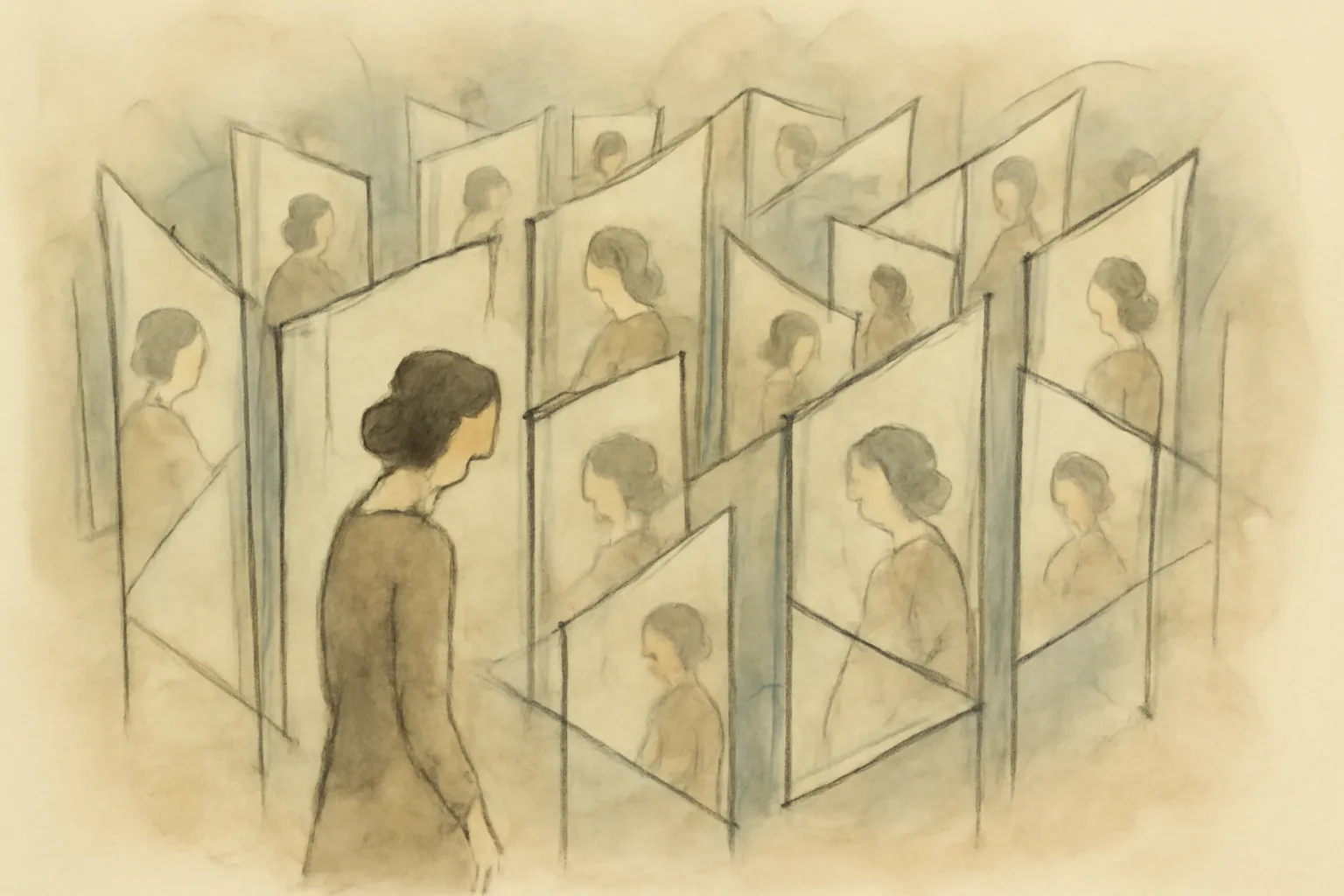
One of the central themes is the idea that the self may not be a fixed, indivisible entity, but rather a construct—a narrative or pattern that emerges from the complex workings of the brain. The book presents arguments and thought experiments suggesting that what we call 'I' is not a soul or a homunculus inside our heads, but a process, a story woven from experience, memory, and perception. This challenges deeply held intuitions about personal identity and invites readers to consider the self as something fluid and emergent.
2.Artificial Intelligence and Personhood
The Mind's I explores whether machines could ever be conscious or possess selves in the way humans do. Through selections like Turing's and Searle's famous arguments, the book examines the criteria for personhood and whether artificial intelligence could ever cross that threshold. This raises questions about what it means to think, feel, and be aware, and whether these qualities are exclusive to biological organisms or could arise from sufficiently complex computation.
3.The Limits of Introspection
The anthology highlights the limitations of our own self-knowledge. Through philosophical puzzles and literary stories, the editors show how introspection can be misleading, and how much of what we think we know about our own minds is constructed after the fact. This skepticism about self-knowledge undermines the reliability of our intuitions about consciousness and personal identity.
4.Thought Experiments and Paradoxes
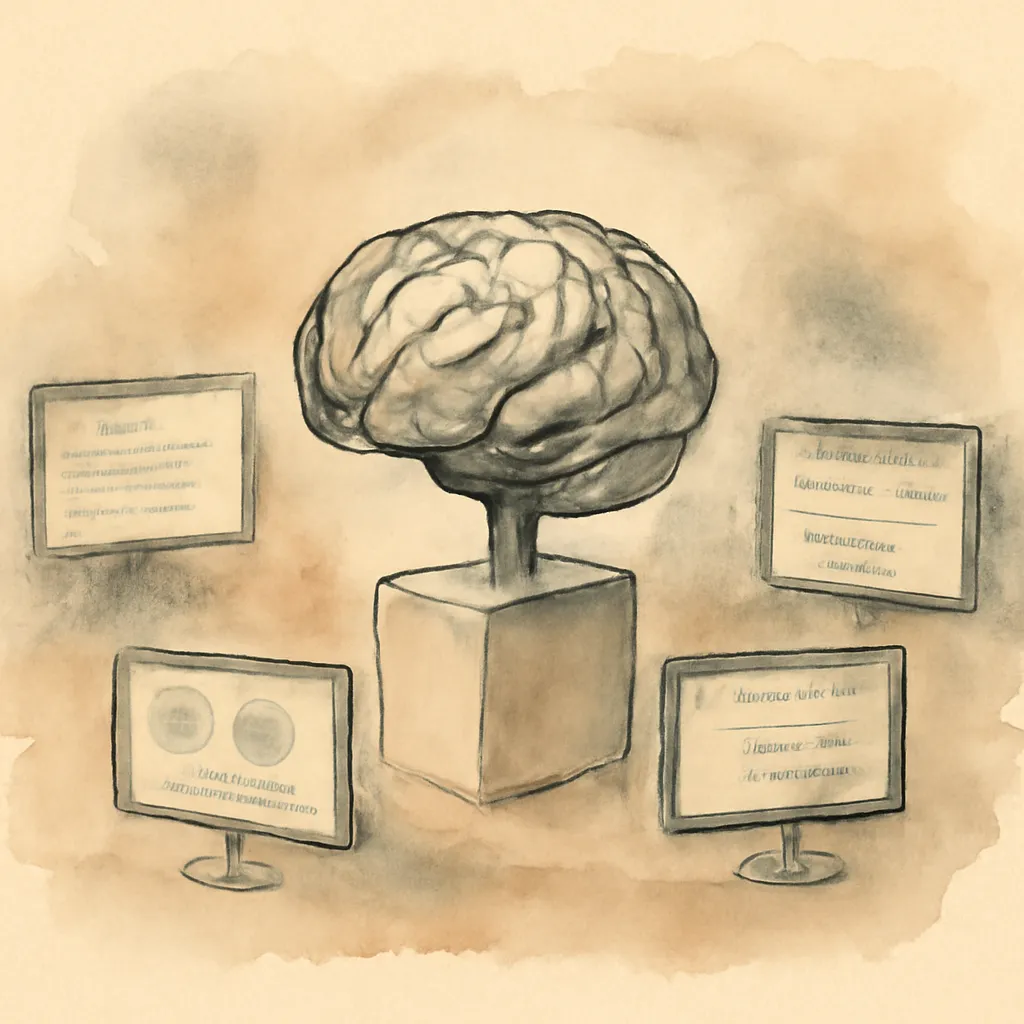
Hofstadter and Dennett use a variety of thought experiments—like the 'brain in a vat,' split-brain cases, and Borges' fictional tales—to probe the boundaries of selfhood and consciousness. These scenarios force readers to confront paradoxes and ambiguities in our understanding of what it means to be a person, and to see how our intuitions can be stretched or even broken by imaginative cases.
5.Interdisciplinary Perspectives
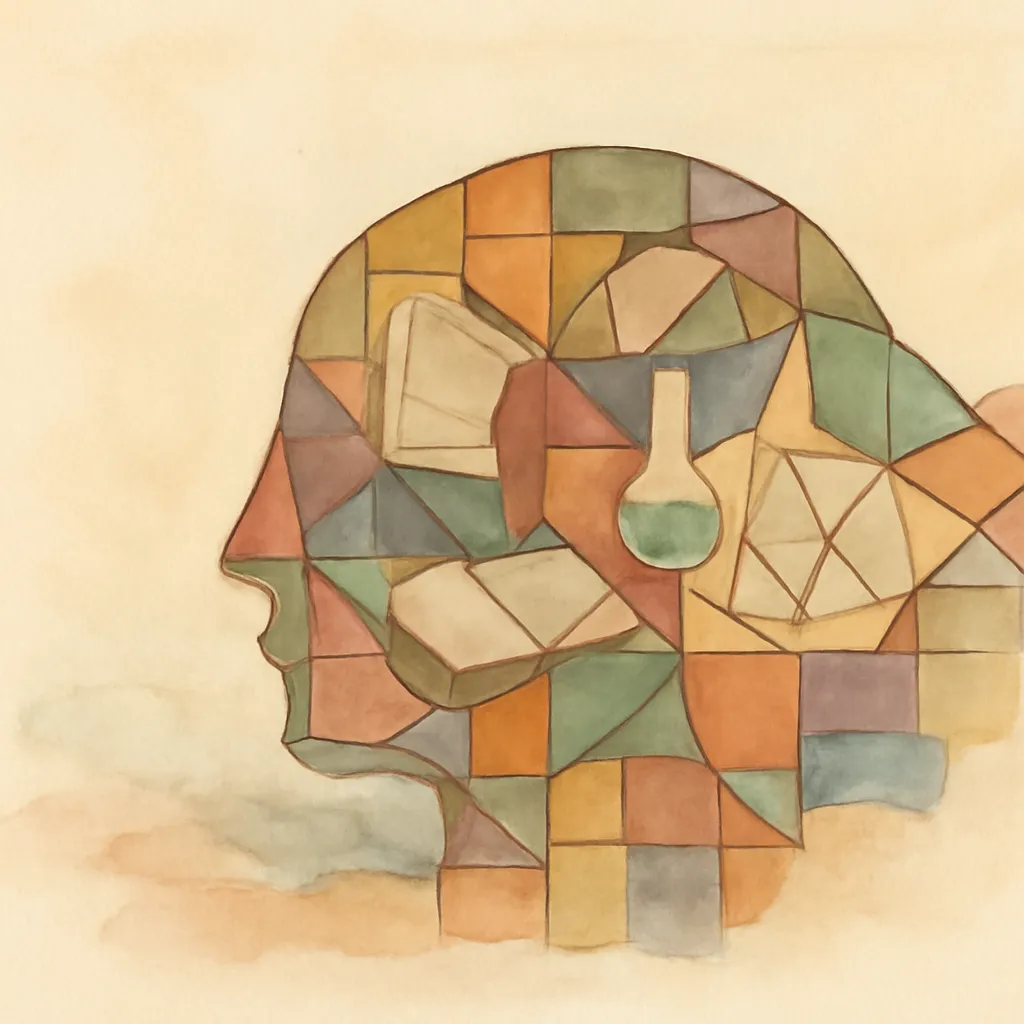
The Mind's I stands out for its blending of philosophy, cognitive science, literature, and artificial intelligence. By bringing together voices from different fields, the book demonstrates that questions about the mind and self are not the exclusive domain of philosophers, but are enriched by scientific discoveries and literary imagination alike. This interdisciplinary approach makes the book both intellectually stimulating and accessible.
6.The Narrative Self
A recurring idea is that our sense of self is constructed through narrative. The stories we tell ourselves and others about who we are play a central role in shaping our identity. This narrative conception of selfhood is contrasted with more traditional, essentialist views, and is illustrated through both scientific arguments and literary examples.