1.The Interpreter: The Brain's Storyteller
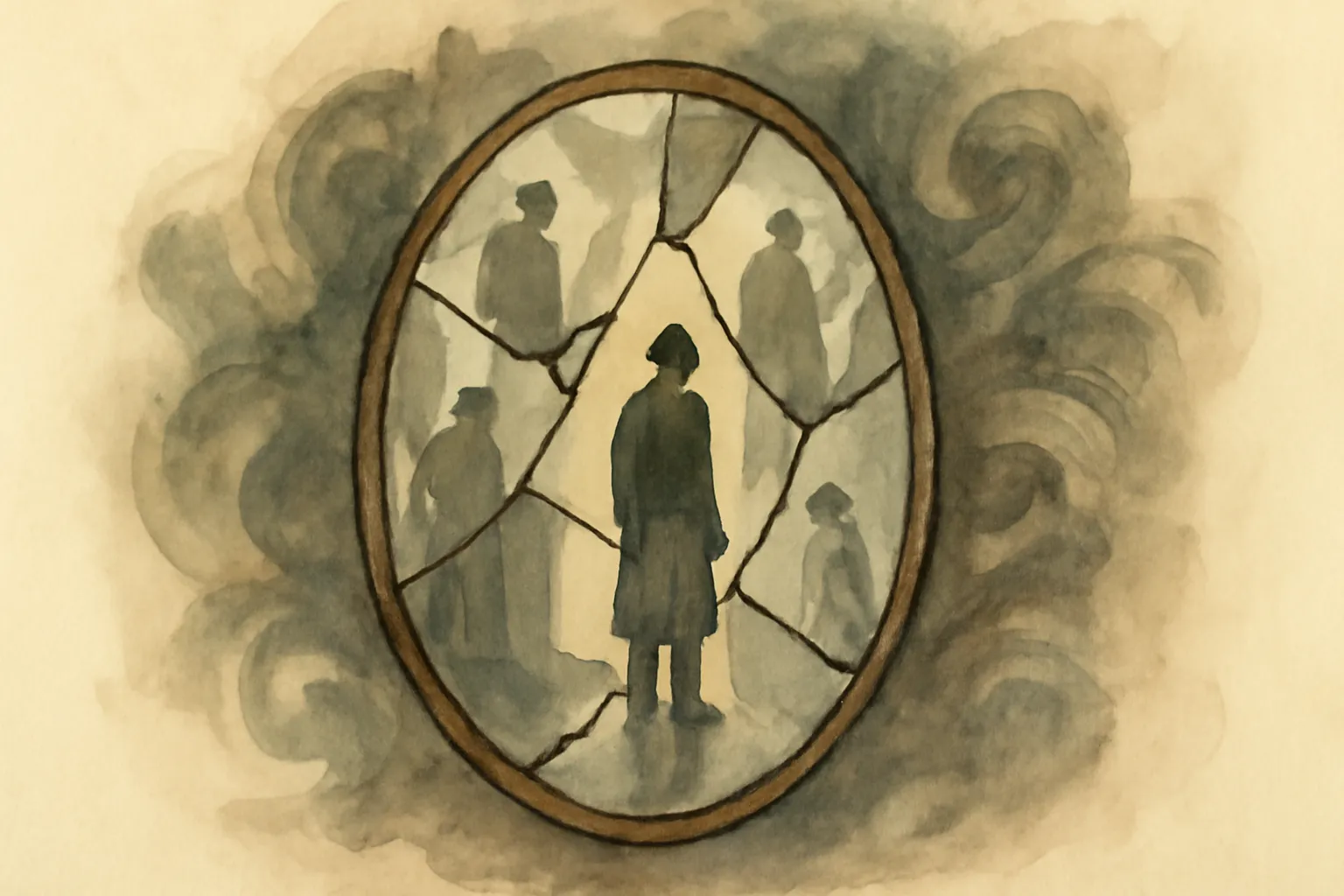
Gazzaniga introduces the concept of the 'interpreter,' a specialized function in the brain's left hemisphere that constantly weaves together a coherent story from fragmented inputs. This interpreter doesn't just report reality—it invents explanations, often filling in gaps with plausible but inaccurate details. As a result, our sense of self and our personal history are not objective records, but creative reconstructions shaped by this storytelling mechanism.
2.Memory as Reconstruction, Not Replay
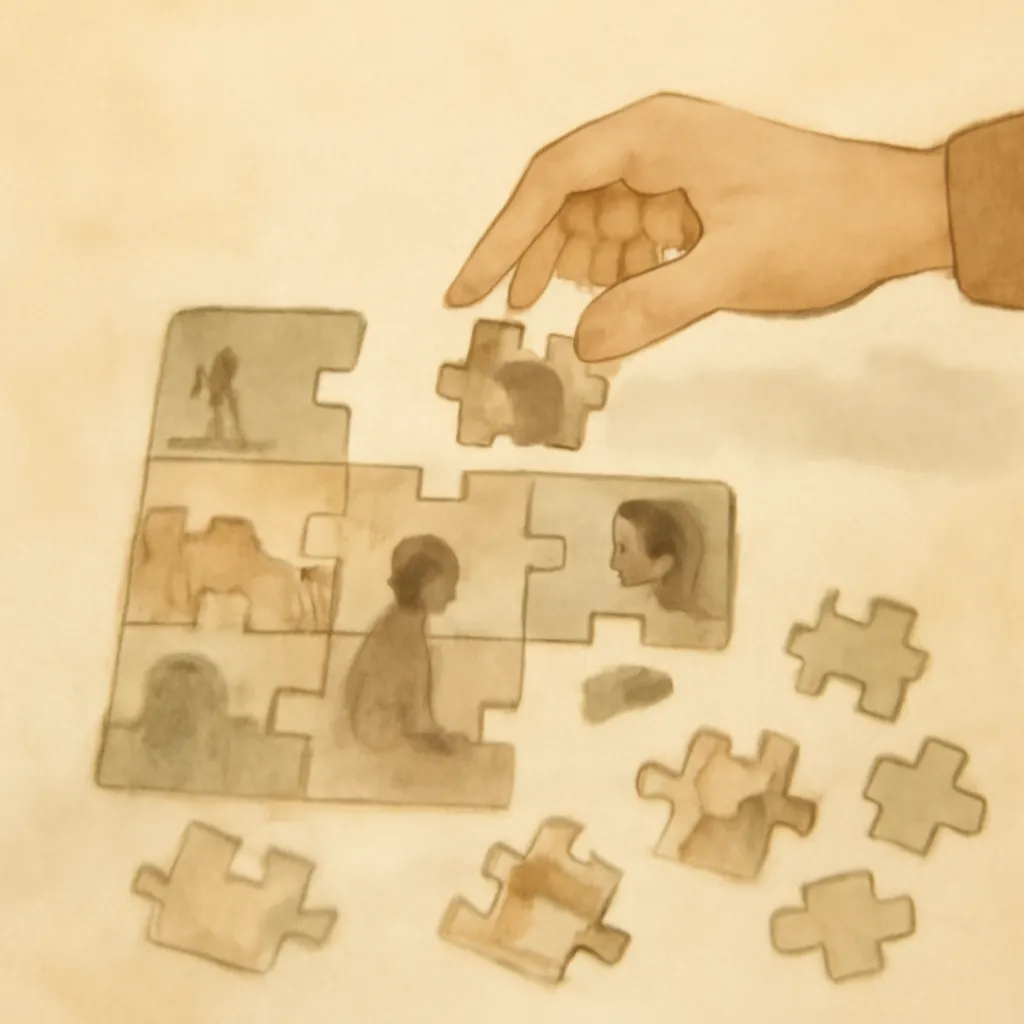
Contrary to the common belief that memory is like a video recording, Gazzaniga demonstrates that remembering is an active process of reconstruction. Each time we recall an event, we rebuild it from bits and pieces, influenced by current beliefs, emotions, and context. This means that our autobiographical memories are susceptible to distortion, and even false memories can feel entirely real.
3.Perception Is Filtered and Biased
The book reveals that our conscious experience is only a small slice of the brain's total processing. The brain filters and interprets sensory data before it ever reaches our awareness, often prioritizing coherence over accuracy. This explains why illusions, misperceptions, and cognitive biases are so common, and why we are often the last to know what our brain has already decided.
4.The Illusion of a Unified Self
Gazzaniga argues that the sense of a single, unified self is largely an illusion. The brain is a collection of semi-independent modules, each handling different tasks. The interpreter stitches together their outputs into a seamless narrative, masking the underlying complexity and occasional contradictions. This challenges traditional notions of free will and personal responsibility.
5.Evolutionary Roots of Mind Construction
The book situates these mental processes within an evolutionary framework. Gazzaniga suggests that our brains evolved to create coherent narratives because this ability offered survival advantages—helping us make sense of complex social situations and anticipate future events. However, this same capacity leaves us vulnerable to self-deception and error.
6.Implications for Self-Understanding and Society
Recognizing the brain's narrative tendencies has profound implications. It calls for humility about our own memories and judgments, and it encourages skepticism toward simplistic stories about ourselves and others. Understanding these mechanisms can foster empathy, reduce conflict, and promote a more nuanced view of human behavior.