Brain · Evolution · Developmental neurobiology
The Mind's Past by Michael S. Gazzaniga — Summary, Key Ideas & Quotes
1998201 pages✦ 3-min Big ideas
Rate it
Why does the human brain insist on interpreting the world and constructing a narrative? Michael S. Gazzaniga shows how our mind and brain accomplish the amazing feat of constructing our past - a process clearly fraught with errors of perception, memory, and judgment. By showing that the specific systems built into our brain do their work automatically and largely outside of our conscious awareness, Gazzaniga calls into question our everyday notions of self and reality.
The implications of his ideas reach deeply into the nature of perception and memory, the profundity of human instinct, and the ways we construct who we are and how we fit into the world around us.
Gazzaniga explains how the mind interprets data the brain has already processed, making "us" the last to know. He shows how what "we" see is frequently an illusion and not at all what our brain is perceiving. False memories become a part of our experience; autobiography is fiction. In exploring how the brain enables the mind, Gazzaniga points us toward one of the greatest mysteries of human evolution: how we become who we are.
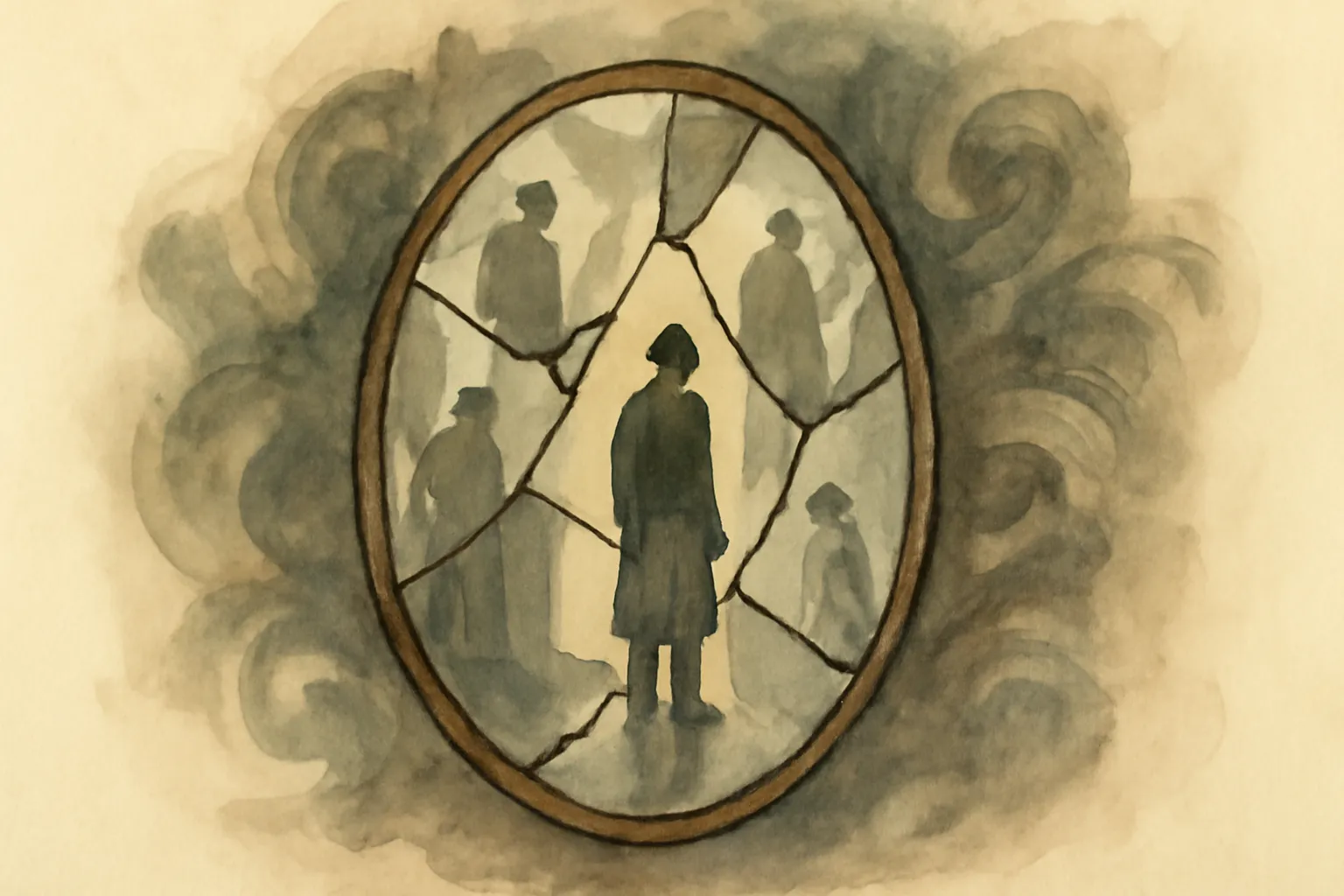
Gazzaniga introduces the concept of the 'interpreter,' a specialized function in the brain's left hemisphere that constantly weaves together a coherent story from fragmented inputs. This interpreter doesn't just report reality—it invents explanations, often filling in gaps with plausible but inaccurate details. As a result, our sense of self and our personal history are not objective records, but creative reconstructions shaped by this storytelling mechanism.
Contrary to the common belief that memory is like a video recording, Gazzaniga demonstrates that remembering is an active process of reconstruction. Each time we recall an event, we rebuild it from bits and pieces, influenced by current beliefs, emotions, and context. This means that our autobiographical memories are susceptible to distortion, and even false memories can feel entirely real.
“The interpreter is the device that seeks explanations for internal and external events to produce our ongoing narrative.”
“Autobiography is fiction.”