Brain · SCIENCE / General · Cognitive neuroscience
Who's in Charge? by Michael S. Gazzaniga — Summary, Key Ideas & Quotes
2011266 pages✦ 3-min Big ideas★ 5.0 (1)
Rate it
"The "father of cognitive neuroscience" makes a powerful and provocative argument against today's common wisdom that our lives are wholly determined by physical processes we cannot control"--
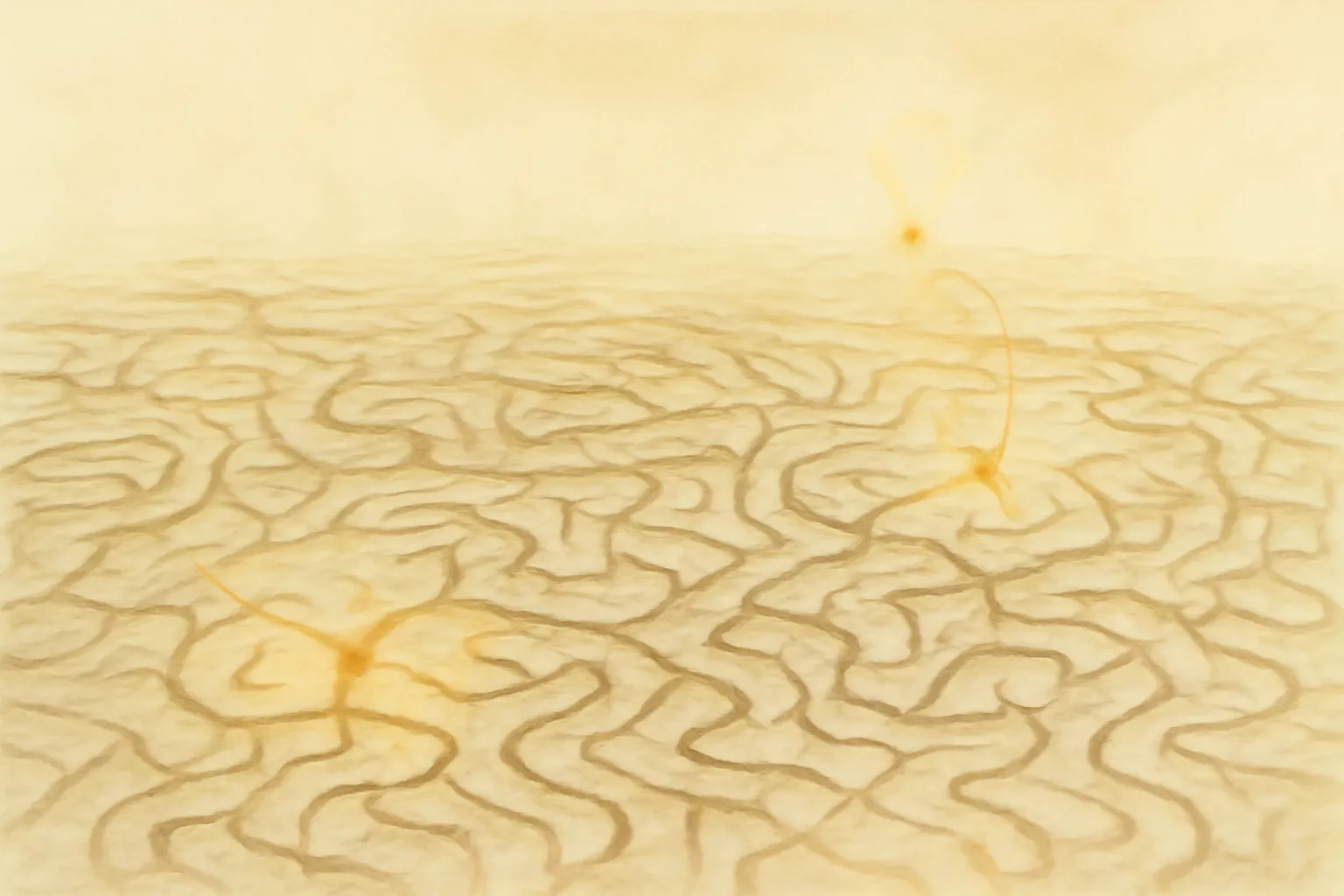
Gazzaniga introduces the concept of the brain as a collection of specialized modules, each handling different tasks. The 'interpreter,' a function of the left hemisphere, weaves together these outputs into a coherent narrative, creating our sense of self and agency. This challenges the notion of a single, unified decision-maker in the brain, suggesting instead that our conscious experience is a post-hoc story built from many unconscious processes.
The book pushes back against the popular belief that neuroscience has disproven free will. Gazzaniga argues that while brain processes are physical, the complex interactions among neural networks and their emergent properties mean that behavior cannot be reduced to simple cause-and-effect. He warns against oversimplifying the relationship between brain activity and personal responsibility.
“Brains are automatic, but people are free.”
“The mind is what the brain does.”