1.The Interpreter and the Modular Mind
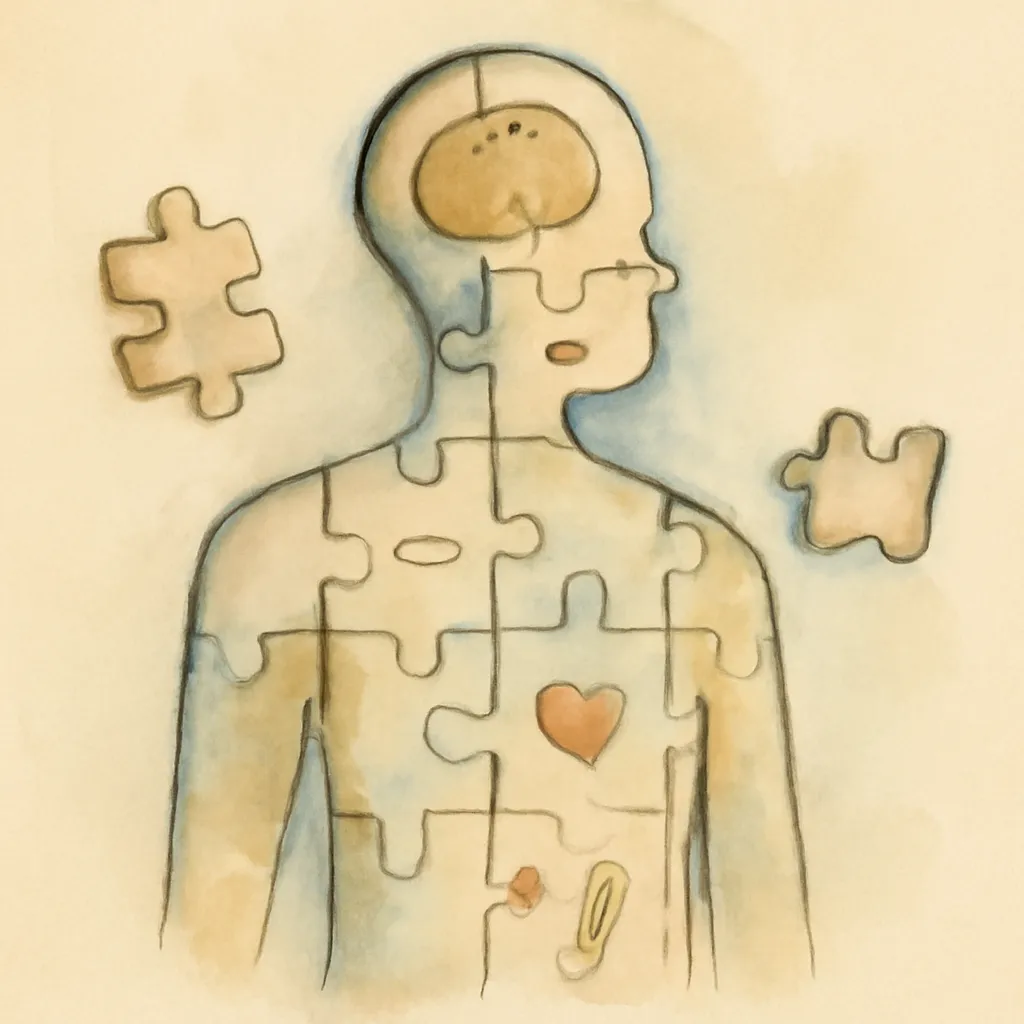
Gazzaniga introduces the concept of the brain as a collection of specialized modules, each handling different tasks. The 'interpreter,' a function of the left hemisphere, weaves together these outputs into a coherent narrative, creating our sense of self and agency. This challenges the notion of a single, unified decision-maker in the brain, suggesting instead that our conscious experience is a post-hoc story built from many unconscious processes.
2.Limits of Neuroscientific Determinism
The book pushes back against the popular belief that neuroscience has disproven free will. Gazzaniga argues that while brain processes are physical, the complex interactions among neural networks and their emergent properties mean that behavior cannot be reduced to simple cause-and-effect. He warns against oversimplifying the relationship between brain activity and personal responsibility.
3.Emergence and Responsibility
A central theme is the idea of emergence: complex systems (like minds) exhibit properties that cannot be predicted from their individual parts. Gazzaniga contends that concepts like responsibility, morality, and free will emerge at the level of the mind, not the neuron. Thus, social and legal systems that hold people accountable are not invalidated by neuroscience.
4.Brains, Minds, and the Law
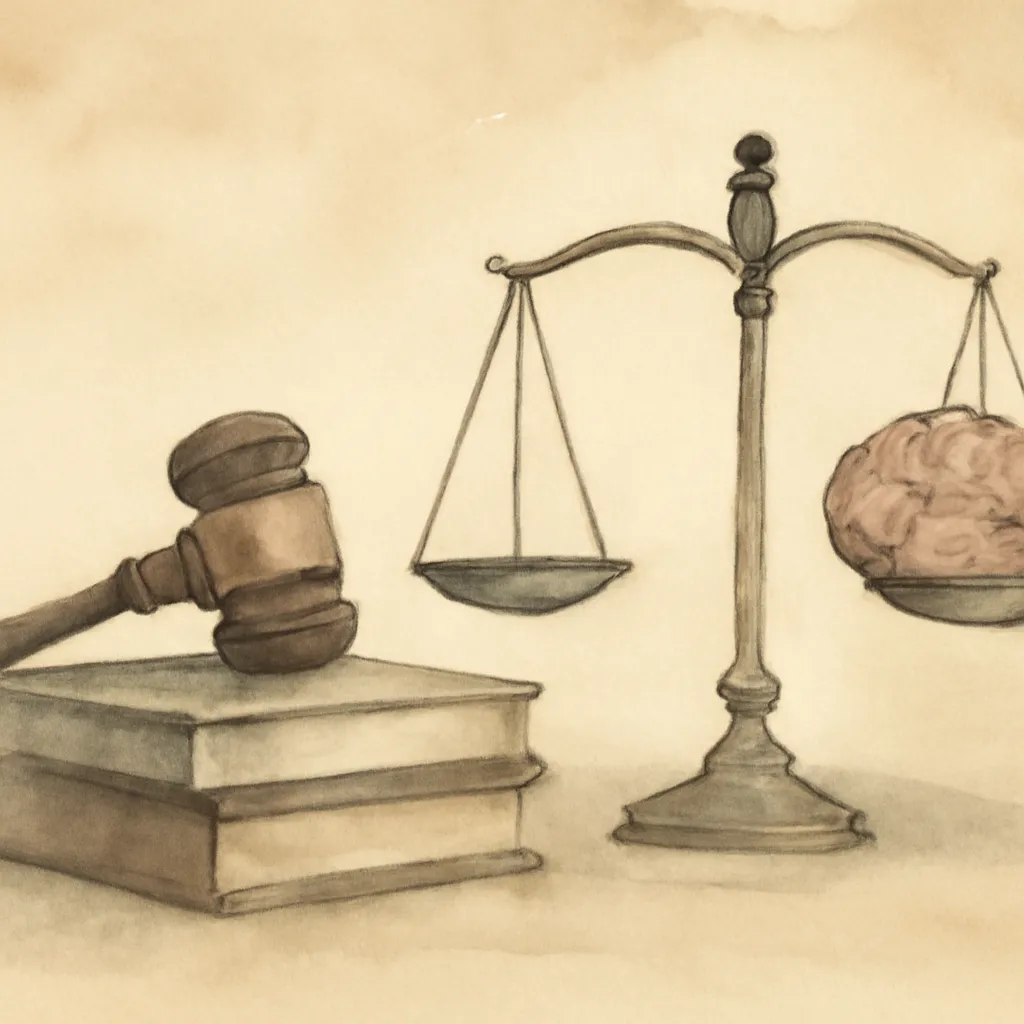
Gazzaniga explores the implications of neuroscience for the legal system. He argues that while brain injuries or disorders can affect behavior, the law must operate at the level of persons, not neurons. He cautions against using neuroscience to absolve individuals of responsibility, emphasizing that society functions by holding people accountable for their actions.
5.The Illusion (and Reality) of Free Will
While acknowledging that much of our behavior is unconscious, Gazzaniga maintains that the experience of making choices is real and meaningful. He distinguishes between the philosophical 'free will' debate and the practical reality that humans act as if they have agency. This pragmatic approach reframes the question: instead of asking whether free will exists in a metaphysical sense, we should ask how our sense of agency shapes our lives and societies.
6.The Social Brain
Gazzaniga emphasizes that humans are fundamentally social creatures, and our brains evolved for interaction. Our sense of self, morality, and decision-making are deeply embedded in social contexts. Understanding the brain's social nature helps explain why concepts like responsibility and ethics are so persistent and important.