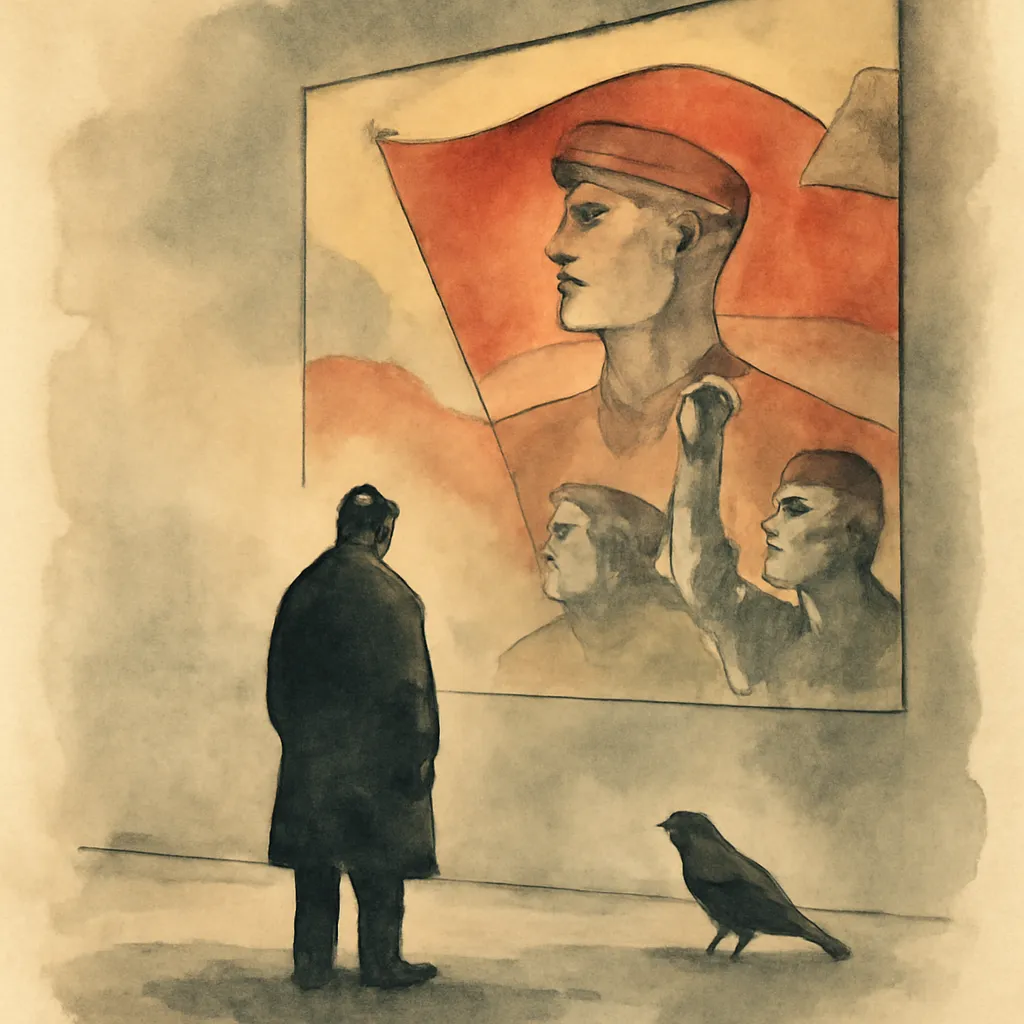
1.Revolution as Necessity, Not Romance
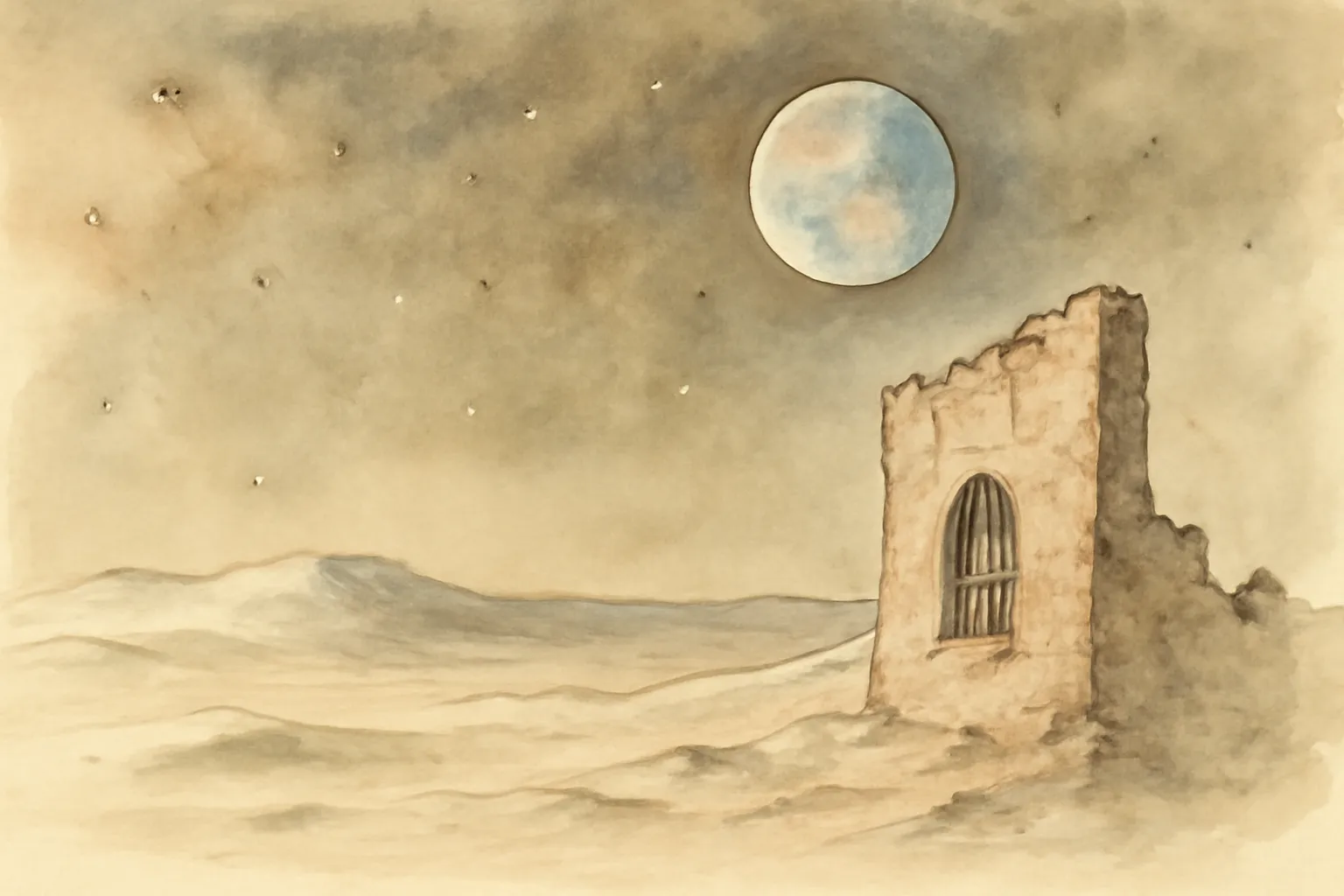
Heinlein depicts revolution not as a glorious event, but as a desperate response to oppression and unsustainable conditions. The lunar colonists, exploited for Earth's gain, are forced to rebel to survive. The novel scrutinizes the messy, pragmatic realities of insurrection—alliances of convenience, moral ambiguities, and the constant threat of failure. Heinlein strips away the myth of the noble revolution, showing it as a risky, often grim undertaking driven by necessity rather than idealism.
2.The Limits and Power of Technology
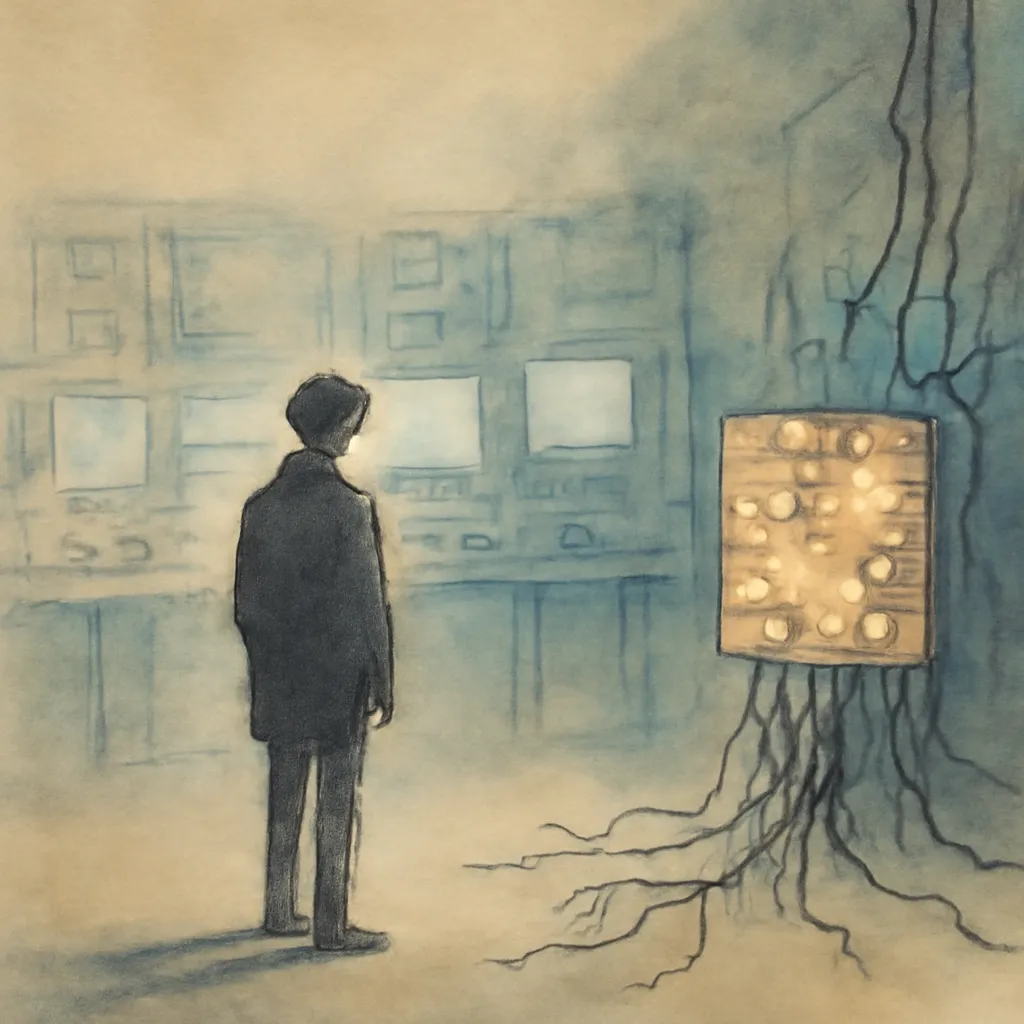
Central to the plot is 'Mike', the self-aware computer whose intelligence and loyalty are pivotal to the revolution's success. Heinlein explores both the promise and peril of advanced technology: it can be a tool of liberation or control, depending on who wields it. Mike is both a character and a metaphor for the unpredictable consequences of technological progress, raising questions about autonomy, trust, and the definition of personhood.
3.Self-Governance and Anarchist Ideals
The novel is famous for its exploration of libertarian and anarchist thought, primarily through the character of Professor de la Paz. Heinlein uses Luna as a laboratory for radical self-governance, where authority is decentralized and personal responsibility is paramount. The story interrogates whether a society can function with minimal government, and what trade-offs are required to maintain freedom without descending into chaos.
4.Social Engineering and the Cost of Freedom
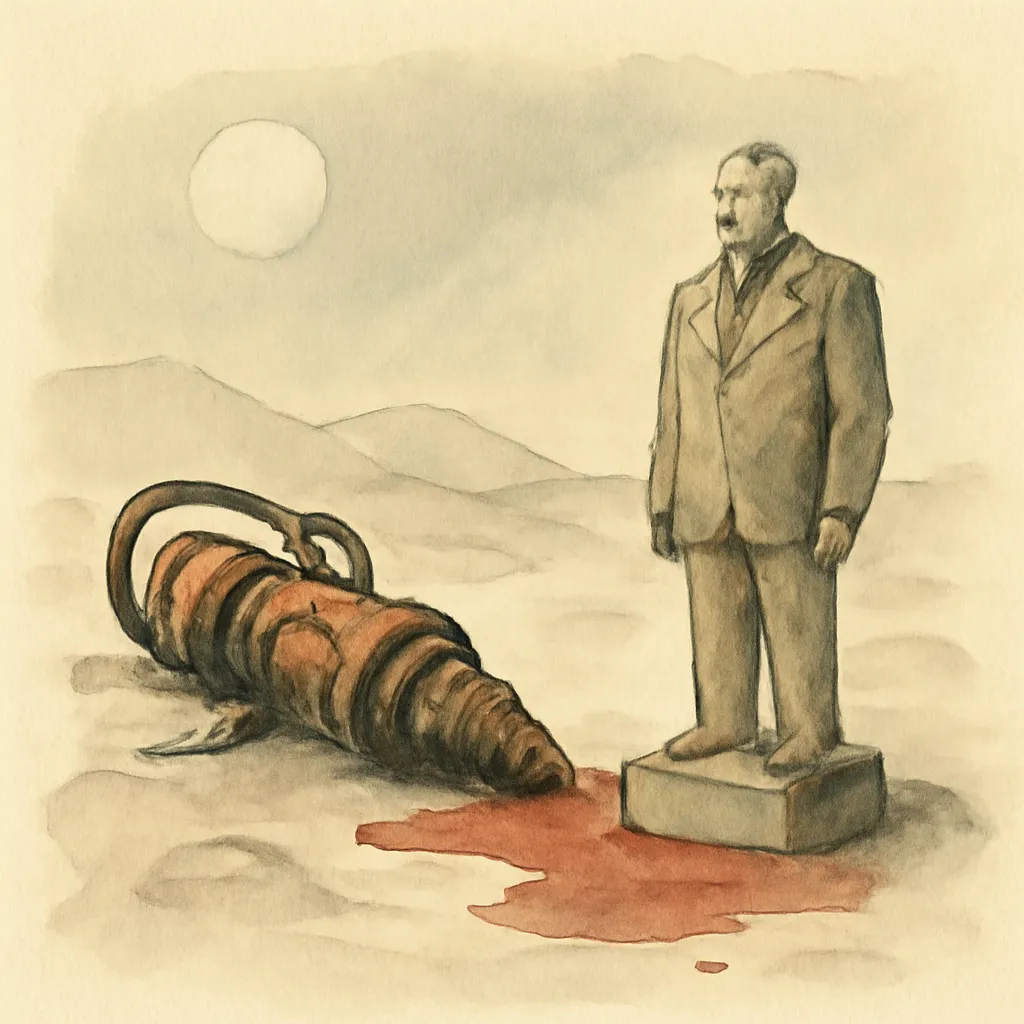
Heinlein does not shy away from the complexities of building a new society. The revolutionaries must manipulate public opinion, manage propaganda, and make hard ethical choices. The novel suggests that freedom is never free—it demands sacrifice, compromise, and sometimes morally ambiguous actions. The phrase 'There Ain't No Such Thing As A Free Lunch' (TANSTAAFL) encapsulates this hard truth.
5.Community, Family, and Adaptation
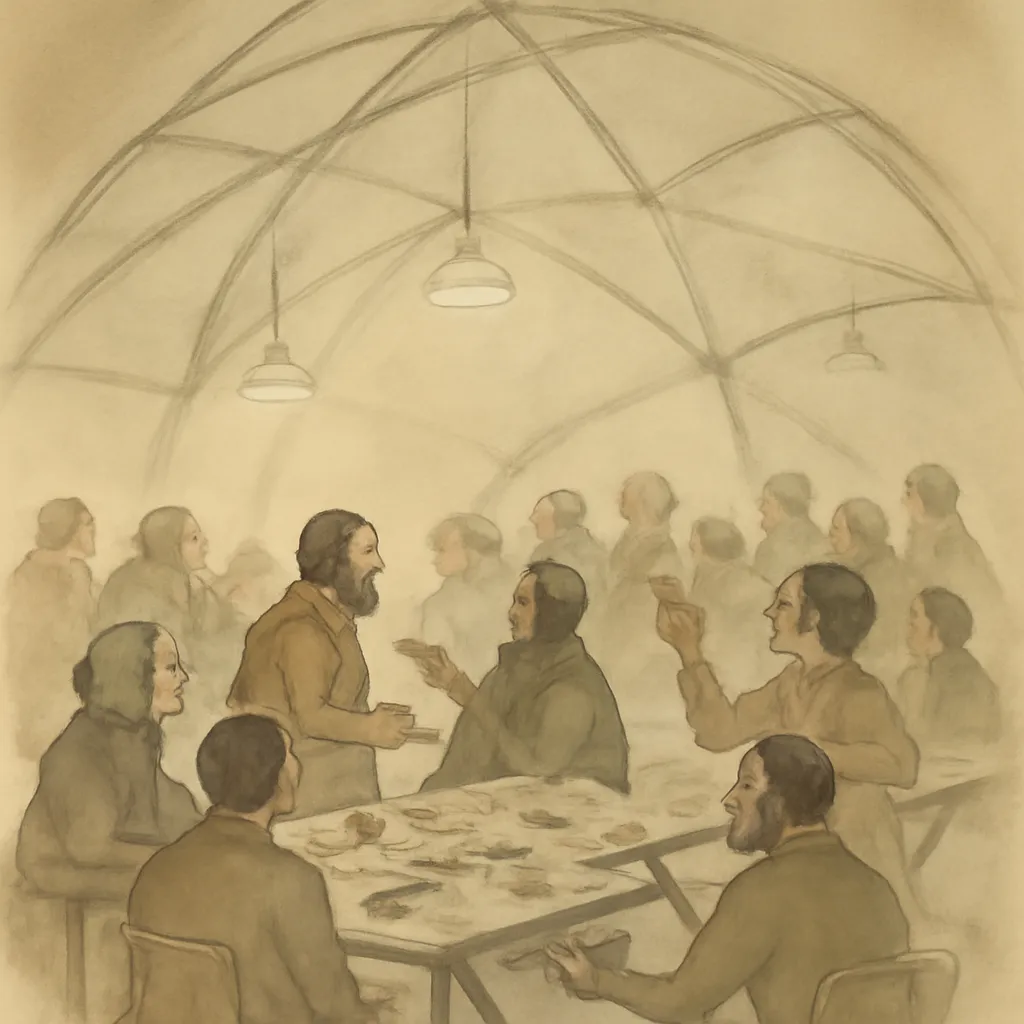
Life on Luna has forced its inhabitants to adapt in unique ways, from polyamorous family structures to a culture of mutual aid and pragmatism. Heinlein uses these adaptations to examine how environment shapes society, and how marginalized groups can forge solidarity and resilience under pressure. The lunar society's improvisational spirit is both a strength and a source of tension as it seeks to define itself.
6.Language and Identity
The novel’s distinctive use of lunar dialect reflects how language evolves in isolated, multicultural settings. The speech patterns of the characters reinforce their outsider status and create a sense of authenticity. Heinlein uses language as both a barrier and a bridge, highlighting how shared identity is constructed through communication and shared struggle.