1.The Allure of the Supernatural
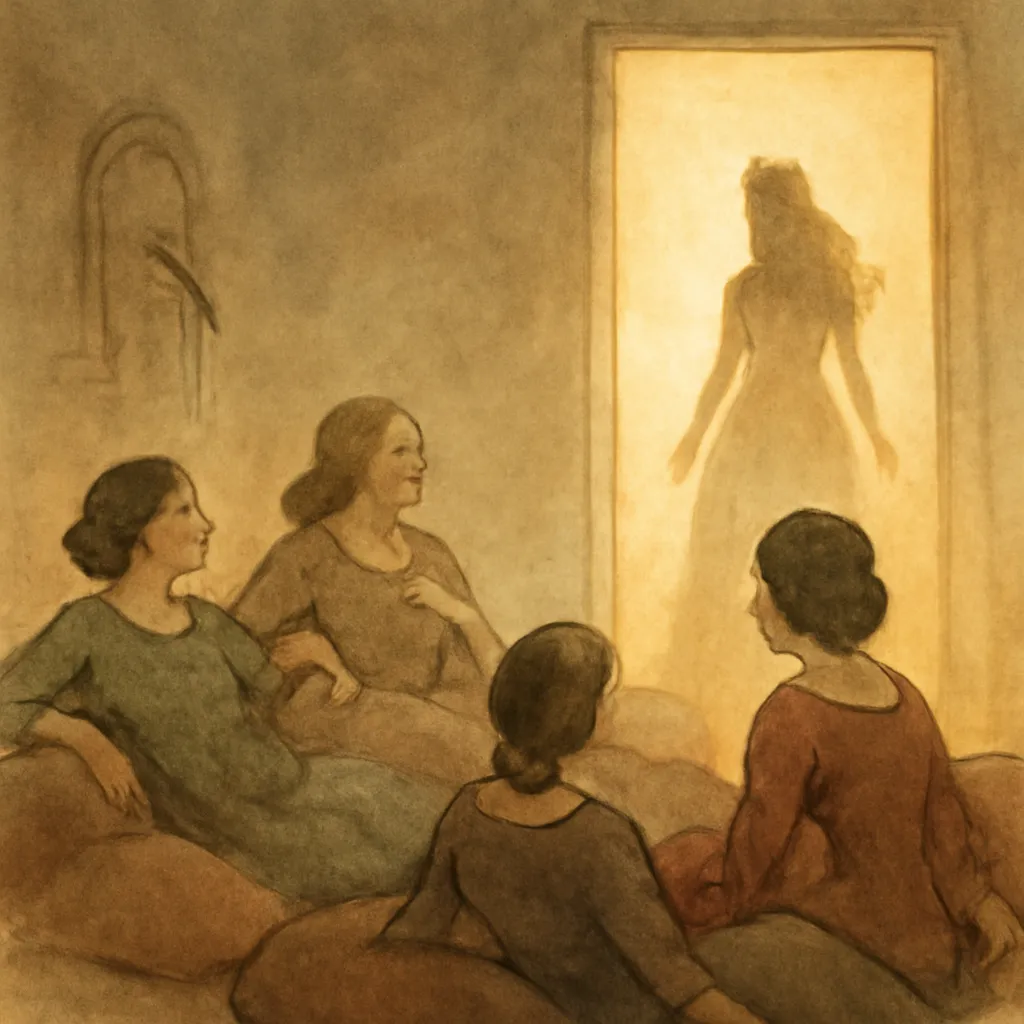
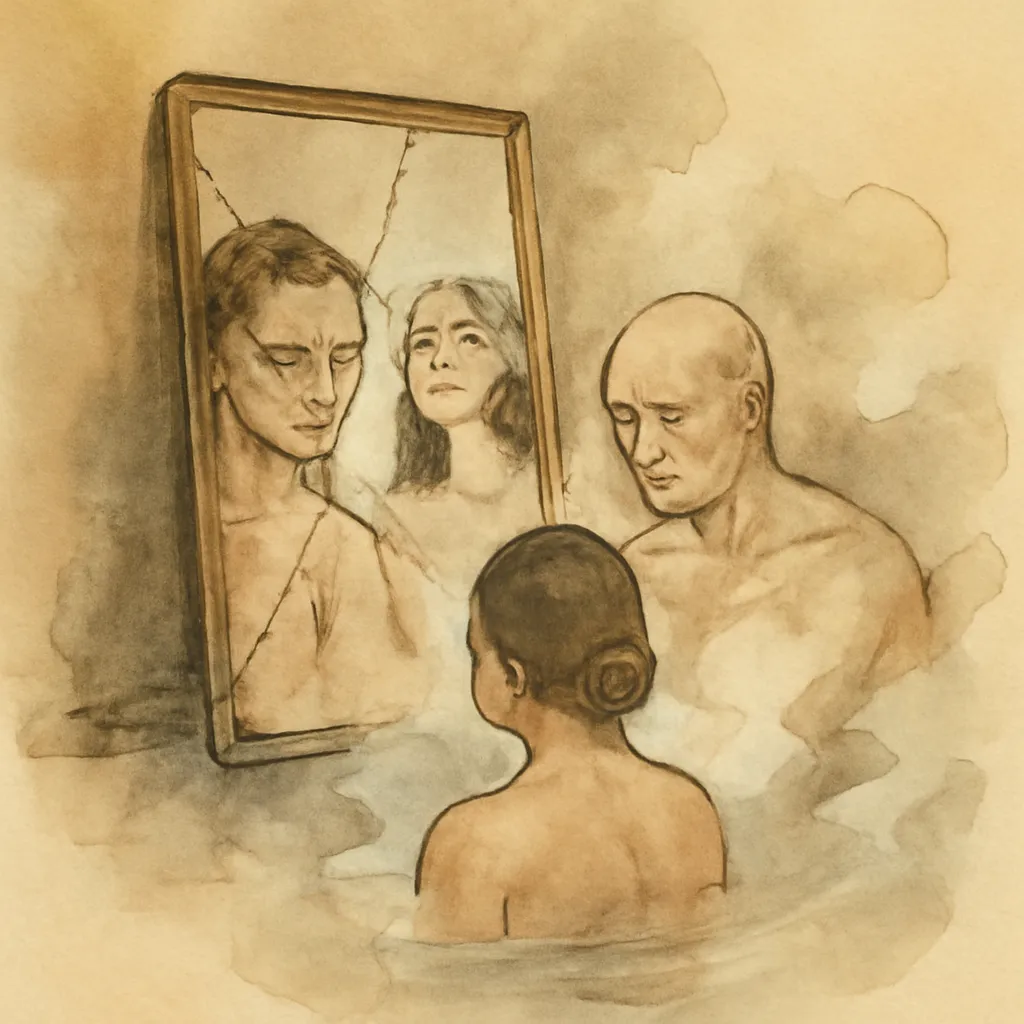
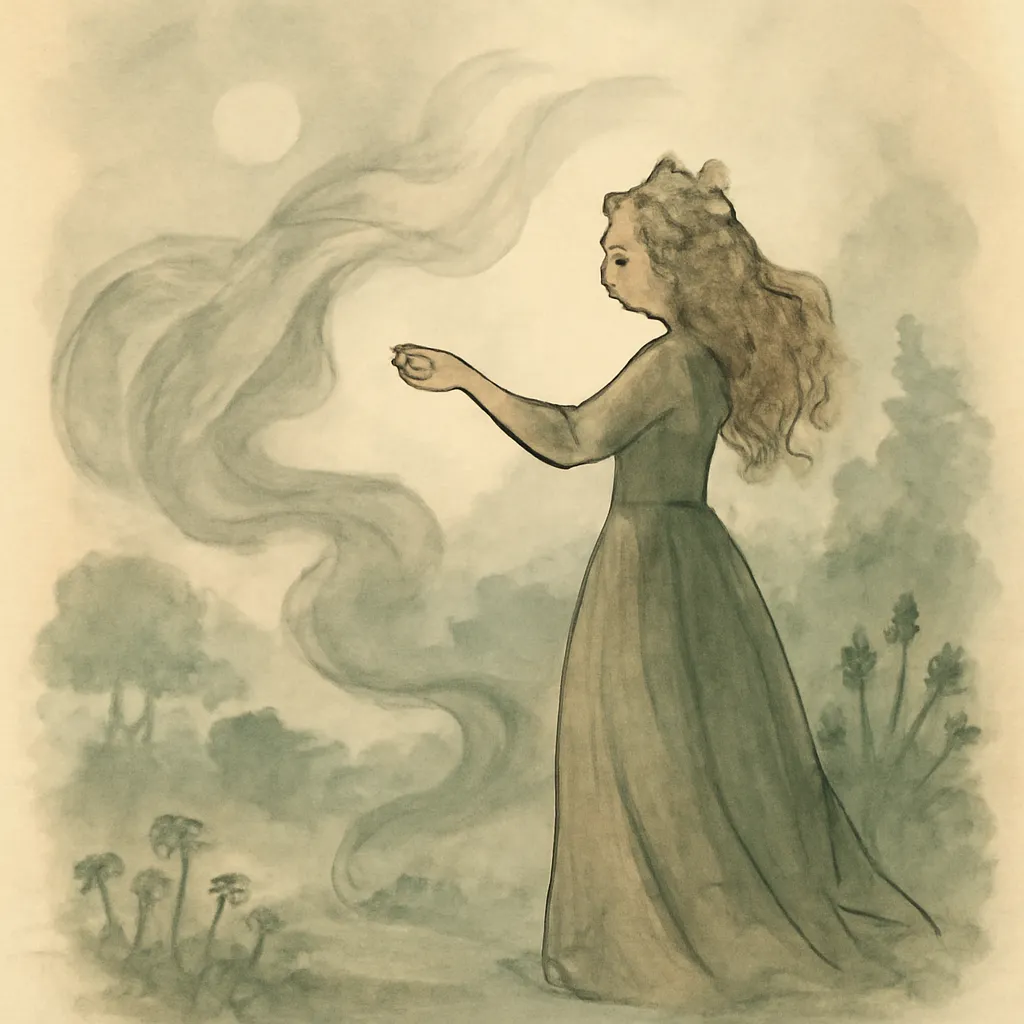
The story begins in a lavish Turkish bath, where a group of women congregate for health and leisure, only to have their experience disrupted by the arrival of a stunningly beautiful princess. Her presence is magnetic, drawing the attention of all the guests and igniting curiosity and admiration. This princess is not merely a figure of beauty; she possesses extraordinary occult abilities that set her apart from the ordinary world. The fascination with her powers serves as a catalyst for the unfolding drama, as both men and women are drawn to learn more about her gifts. However, this allure comes with a cost, as the princess's abilities hint at deeper, darker themes of sacrifice and the consequences of exploring the unknown. The novel illustrates how the supernatural can captivate the human imagination, leading individuals to both wonder and peril.
2.Beauty as a Double-Edged Sword
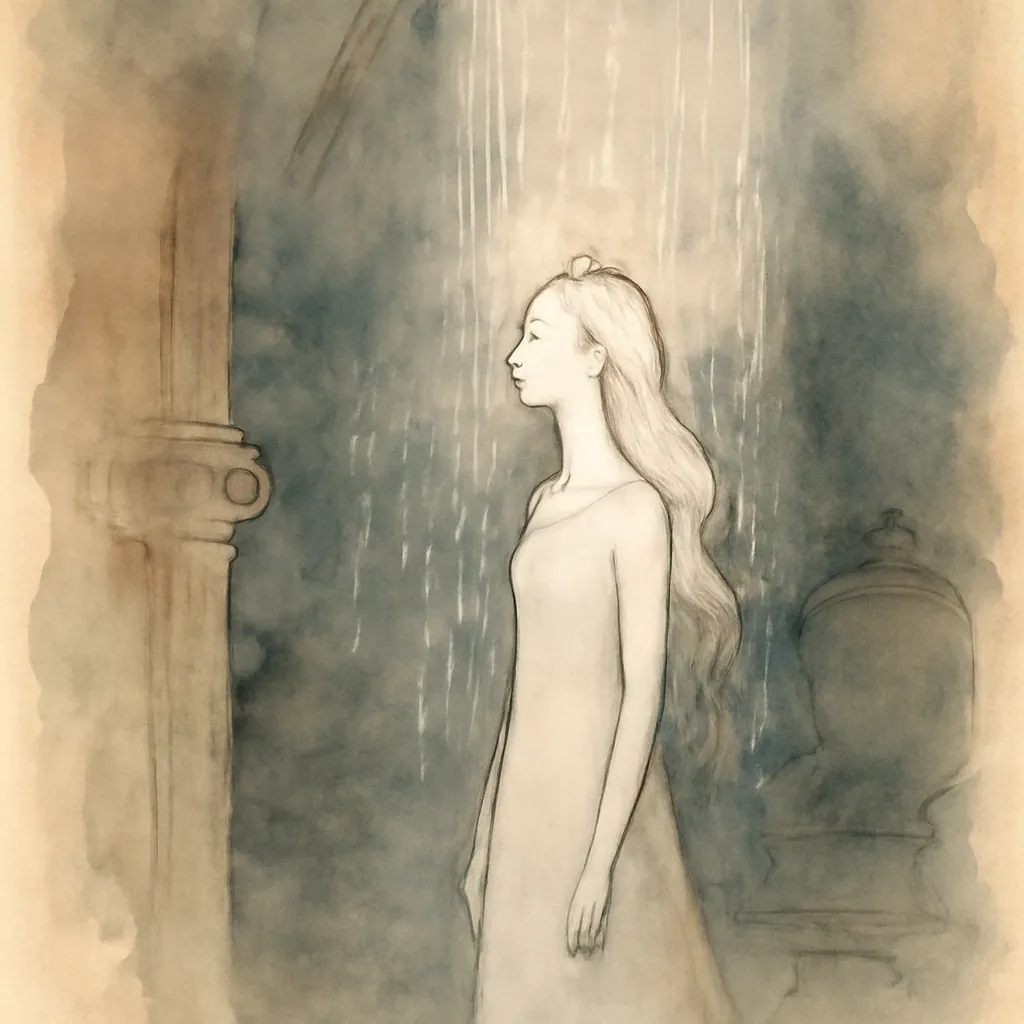
The princess's beauty is described in almost ethereal terms, emphasizing her otherworldly allure. Her appearance evokes a sense of awe, creating an atmosphere where her beauty is both revered and envied. Yet, this beauty is not just a superficial trait; it is intertwined with her supernatural gifts, suggesting that her physical form is a vessel for something much deeper and more significant. As the story progresses, the characters grapple with their feelings towards her—admiration, jealousy, and desire. This duality serves as a poignant reminder that beauty can be both a blessing and a curse, capable of inspiring profound emotions while also leading to destructive jealousy and rivalry among those who encounter it. The narrative explores how beauty can influence relationships and power dynamics, often complicating the emotional landscape of the characters involved.
3.Colonel Estcourt's Conflict
Colonel Estcourt's history with the princess adds a layer of complexity to the narrative. Once expected to marry her, he now finds himself entangled in a web of emotions that include longing, regret, and unresolved feelings. His recollections of their past and his current reactions to her presence highlight the tension between love and duty. Estcourt's character embodies the struggle between societal expectations and personal desires, as he grapples with the reality of the princess's marriage to a wealthy Russian prince. This internal conflict is exacerbated by the supernatural elements surrounding the princess, pushing Estcourt to confront his past and the choices that led him to this moment. His journey reflects broader themes of love's complications and the haunting nature of lost opportunities, making him a relatable figure amidst the fantastical elements of the story.
4.A Philosophical Dialogue on Faith
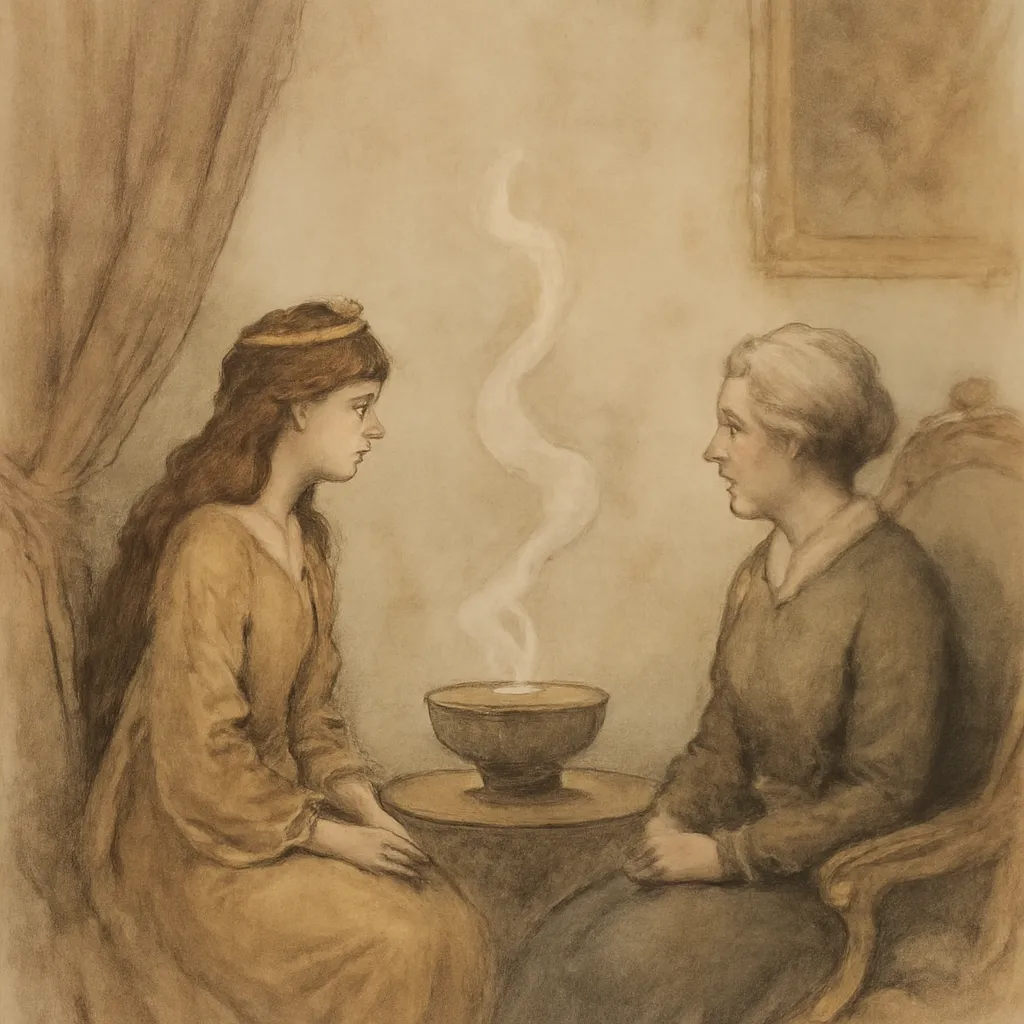
As the characters interact, particularly during conversations between the princess and Mrs. Jefferson, philosophical discussions emerge that challenge conventional beliefs about faith and morality. The princess questions the efficacy of earthly religions, suggesting that true spirituality transcends fear and reward. This dialogue encourages readers to reflect on the nature of belief and the societal constructs that shape it. The contrast between the princess's views and Mrs. Jefferson's more traditional perspectives illustrates the tension between progressive thought and established norms. As the narrative unfolds, it becomes clear that the characters are not merely engaging in idle chatter; they are wrestling with profound questions about existence, purpose, and the human condition. This philosophical underpinning elevates the story beyond a mere supernatural romance, inviting readers to contemplate the deeper implications of the characters' beliefs.
5.The Cost of Power and Sacrifice
The princess's abilities come with significant burdens, as she is aware that her powers are tied to a greater purpose that requires personal sacrifice. Throughout the novel, she expresses a sense of duty towards others, indicating that her gifts are not merely for self-aggrandizement but rather for a higher calling. This theme of sacrifice resonates deeply, as it forces both the princess and Estcourt to confront the implications of their desires. The narrative poses critical questions about the nature of power: what is the cost of possessing such abilities, and how does one balance personal happiness with the welfare of others? The princess's struggles encapsulate the eternal conflict between self-interest and altruism, making her a compelling figure who embodies the complexities of human motivation.
6.Intense Emotions and Human Vulnerability
The characters in 'The Mystery of a Turkish Bath' are not immune to the intense emotions that accompany their interactions. From jealousy and admiration to love and regret, the emotional landscape is rich and varied. The princess, despite her supernatural gifts, is portrayed as deeply human, experiencing vulnerability and doubt. Her struggles with her past decisions and the implications of her powers demonstrate that even those who seem extraordinary are subject to the same emotional trials as anyone else. This portrayal of vulnerability adds depth to the characters, making them relatable and complex. Readers are invited to empathize with their journeys, recognizing that beneath the surface allure of beauty and power lies a profound human experience filled with uncertainty and longing.
7.The Role of Society and Gender Dynamics
Set in the late 19th century, the story reflects the societal norms and gender dynamics of the era. Women's roles are explored through the interactions of the guests at the hotel, revealing underlying tensions related to beauty, power, and autonomy. The princess, as a figure of both beauty and power, challenges traditional expectations, while other characters like Mrs. Jefferson embody more conventional views. The rivalry among the women in the Turkish bath illustrates the competitive nature of female relationships, particularly in the context of societal standards of beauty and desirability. This exploration of gender dynamics provides insight into the limitations placed on women during this period, as well as the ways they navigate and subvert those limitations. The narrative thus serves as a commentary on the social constructs that influence personal identity and relationships.
8.Mystical Experiences and Their Consequences
The princess's abilities to perceive and influence events through her psychic powers introduce a mystical dimension that shapes the plot's trajectory. Her encounters with other characters often have unforeseen consequences, leading to moments of both revelation and tragedy. As she navigates her powers, the narrative raises questions about the nature of reality and perception. What is the cost of engaging with the mystical, and how do these experiences alter one's understanding of life? The princess's journey serves as a cautionary tale about the allure of the supernatural, as characters grapple with the implications of their desires and the potential dangers of delving into the unknown. This exploration of mystical experiences adds a layer of intrigue, pushing the boundaries of the narrative into the realm of the extraordinary.
9.The Intersection of Love and Duty
At the heart of the narrative lies the complex relationship between love and duty, particularly as it pertains to Estcourt and the princess. Their past connection is fraught with unfulfilled potential, as societal expectations have dictated their paths. The tension between their feelings for one another and their respective responsibilities creates a compelling dynamic that drives the story forward. As they confront their emotions, both characters must navigate the delicate balance between personal happiness and the obligations imposed upon them by society. This exploration of love's complexities resonates with readers, highlighting the universal struggle to reconcile passion with duty. The narrative ultimately challenges characters to examine what sacrifices they are willing to make for love and whether true fulfillment can be achieved within the constraints of societal norms.
10.The Climax and Its Revelations
As the story reaches its climax, the unfolding events lead to a shocking turn that challenges the characters and readers alike. The deaths of the colonel and the princess serve as a pivotal moment, forcing those left behind to grapple with the implications of their actions and the mysteries of life and death. This moment serves as a stark reminder of the fragility of existence and the unpredictable nature of fate. The aftermath of their deaths prompts a reevaluation of the characters' beliefs and motivations, leading to a deeper understanding of the consequences of their desires. The revelations that emerge from this climax resonate with themes of sacrifice, love, and the search for meaning in the face of tragedy. This powerful conclusion invites readers to reflect on the complexities of life and the enduring impact of choices made in the pursuit of beauty and power.