1.The Absurd Condition
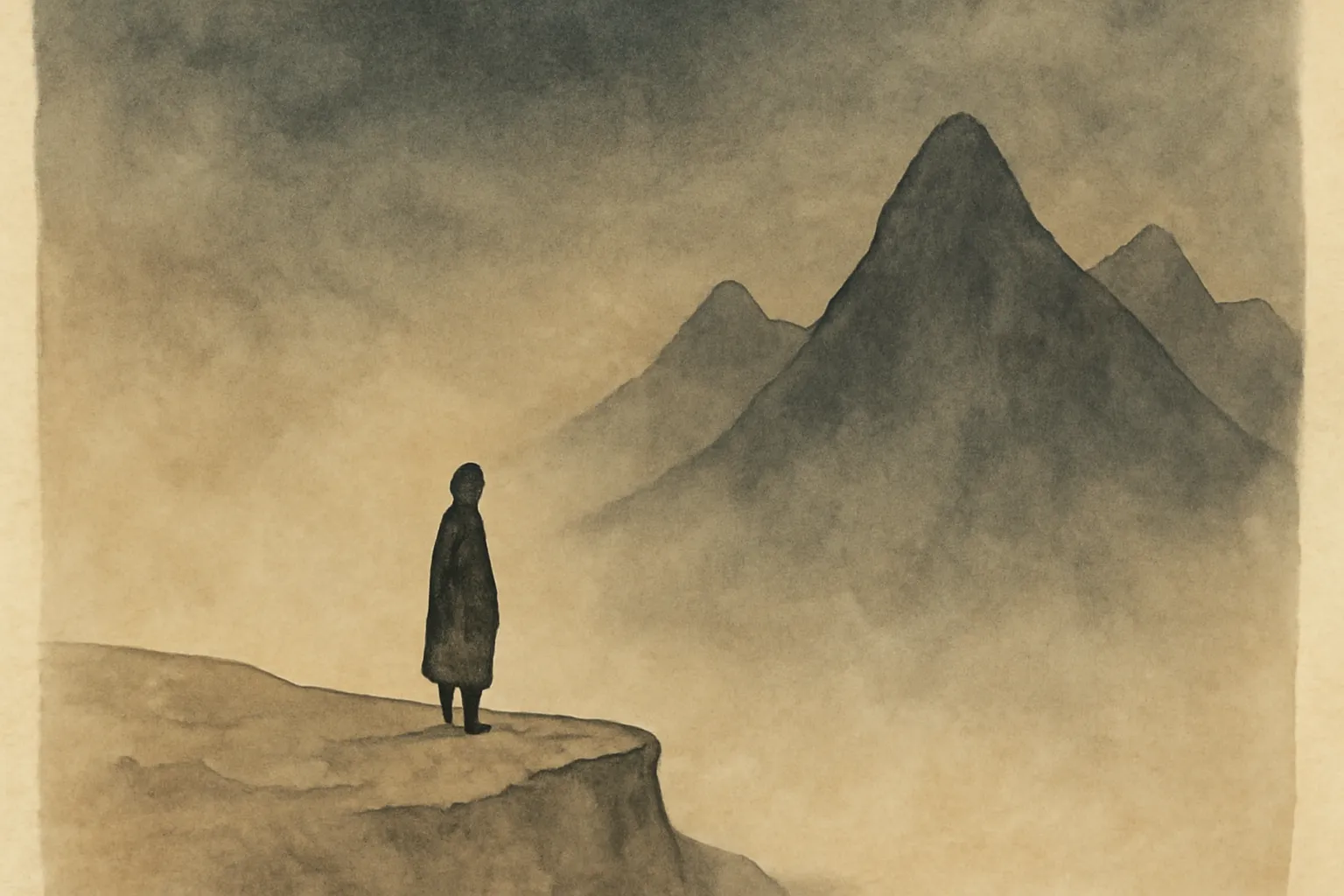
Camus defines the 'absurd' as the conflict between our desire for clarity and meaning and the silent, indifferent universe. Human beings naturally seek purpose, but the world offers no clear answers. This confrontation—between our longing and the world’s silence—creates a sense of absurdity. Camus insists that recognizing this condition is the starting point for honest living, not a cause for despair.
2.Rejecting Suicide as an Escape
A central question in the book is whether recognizing life’s absurdity should lead to suicide. Camus argues forcefully against this. He believes that suicide is a refusal to face the absurd; it is an escape rather than a solution. Instead, he urges us to confront the absurd directly, to live fully in spite of it, and to find value in the struggle itself.
3.Revolt as a Way of Life
For Camus, the correct response to the absurd is 'revolt'—a constant, conscious defiance of meaninglessness. This doesn’t mean rebellion in the political sense, but rather a personal, ongoing refusal to give in to despair. By embracing the struggle and persisting in our search for meaning, we create our own sense of value and dignity.
4.The Sisyphus Metaphor
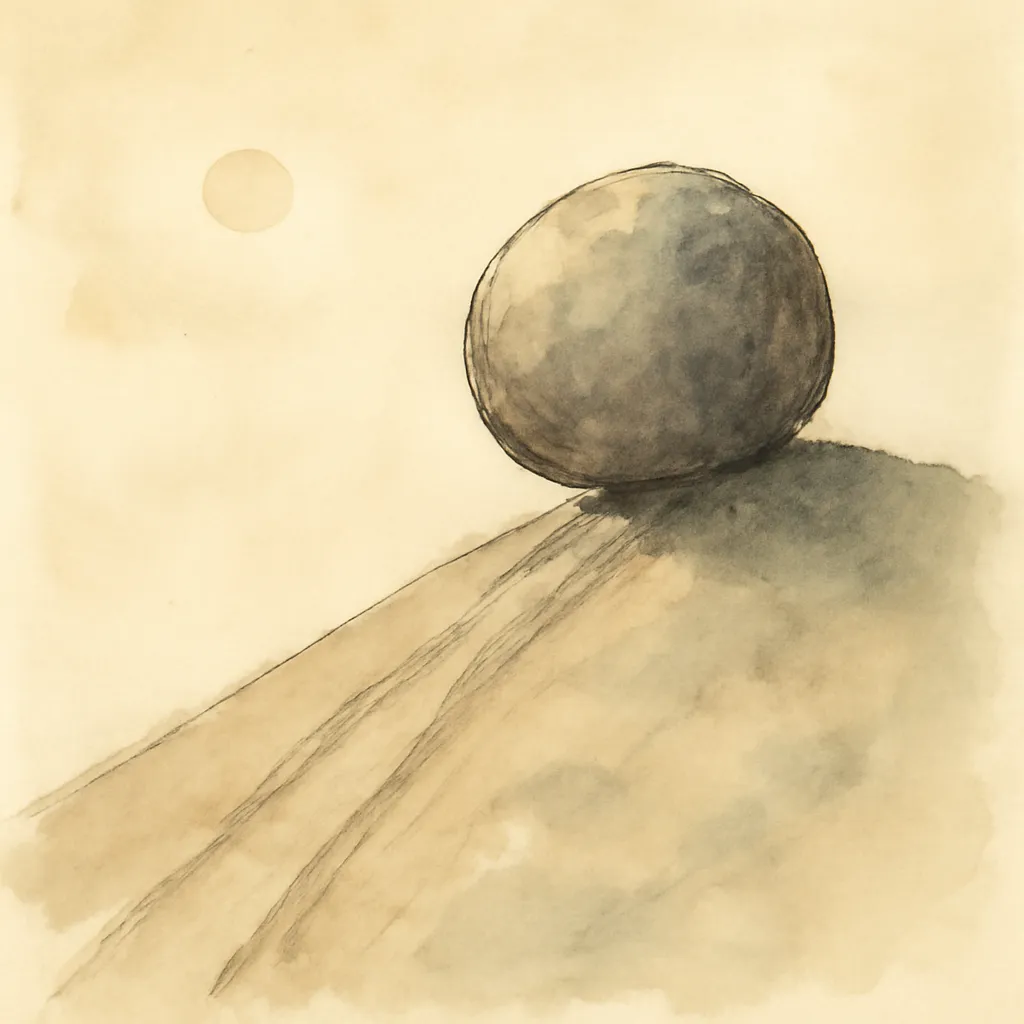
Camus uses the Greek myth of Sisyphus, condemned to roll a boulder up a hill for eternity, as a metaphor for human existence. Sisyphus’s endless labor mirrors our own search for meaning in a meaningless world. Yet Camus famously concludes that 'one must imagine Sisyphus happy,' suggesting that fulfillment comes from embracing our fate and living with awareness and defiance.
5.Art, Creativity, and the Absurd
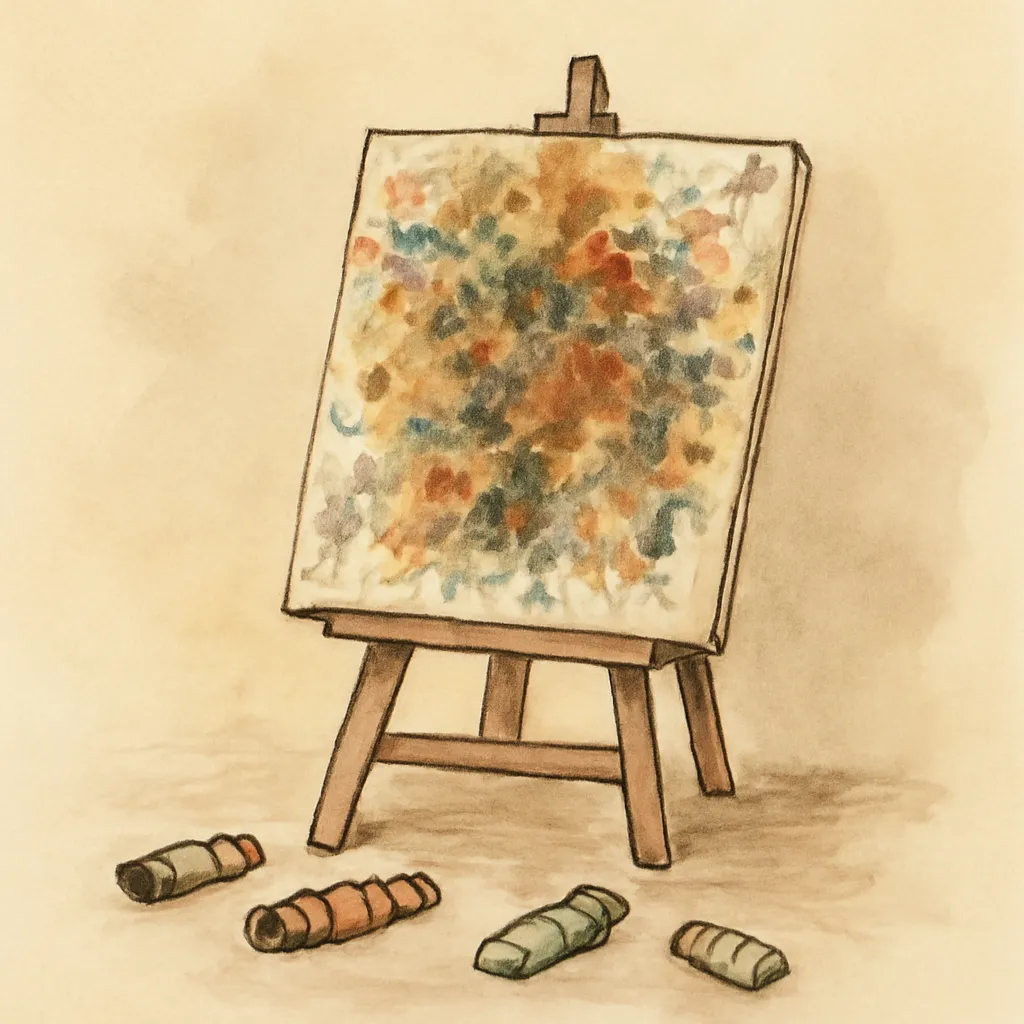
Camus sees art and creativity as ways to respond to the absurd. By creating, we impose form and meaning on chaos, even if only temporarily. Artistic expression becomes an act of revolt, a way to assert our humanity and individuality in an indifferent universe.
6.Absurd Freedom
Recognizing the absurd frees us from illusions and false hopes. With no ultimate meaning imposed on us, we are radically free to choose how we live. This freedom is both exhilarating and daunting, demanding that we take responsibility for our own existence and values.