The Myth of Sisyphus by Albert Camus — Summary, Key Ideas & Quotes
1955169 pages✦ 3-min Big ideas
Rate it

Camus defines the 'absurd' as the conflict between our desire for clarity and meaning and the silent, indifferent universe. Human beings naturally seek purpose, but the world offers no clear answers. This confrontation—between our longing and the world’s silence—creates a sense of absurdity. Camus insists that recognizing this condition is the starting point for honest living, not a cause for despair.
A central question in the book is whether recognizing life’s absurdity should lead to suicide. Camus argues forcefully against this. He believes that suicide is a refusal to face the absurd; it is an escape rather than a solution. Instead, he urges us to confront the absurd directly, to live fully in spite of it, and to find value in the struggle itself.
“There is but one truly serious philosophical problem, and that is suicide.”
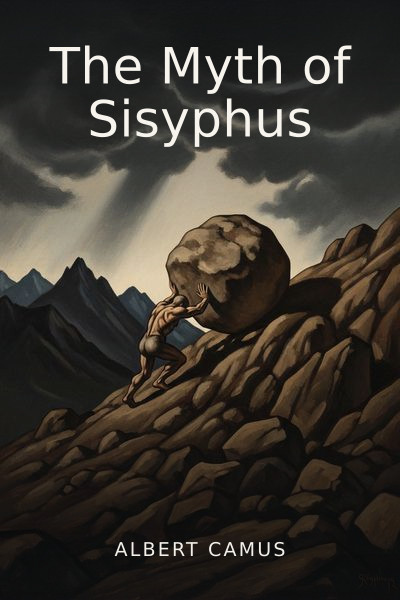
“One must imagine Sisyphus happy.”
“The struggle itself toward the heights is enough to fill a man's heart.”