Fiction · Plague · Plague in literature
The Plague by Albert Camus — Summary, Key Ideas & Quotes
1942278 pages✦ 3-min Big ideas★ 4.2 (35)
Rate it
The Plague (French: La Peste) is a novel by Albert Camus, published in 1947, that tells the story of a plague sweeping the French Algerian city of Oran. It asks a number of questions relating to the nature of destiny and the human condition. The characters in the book, ranging from doctors to vacationers to fugitives, all help to show the effects the plague has on a populace.
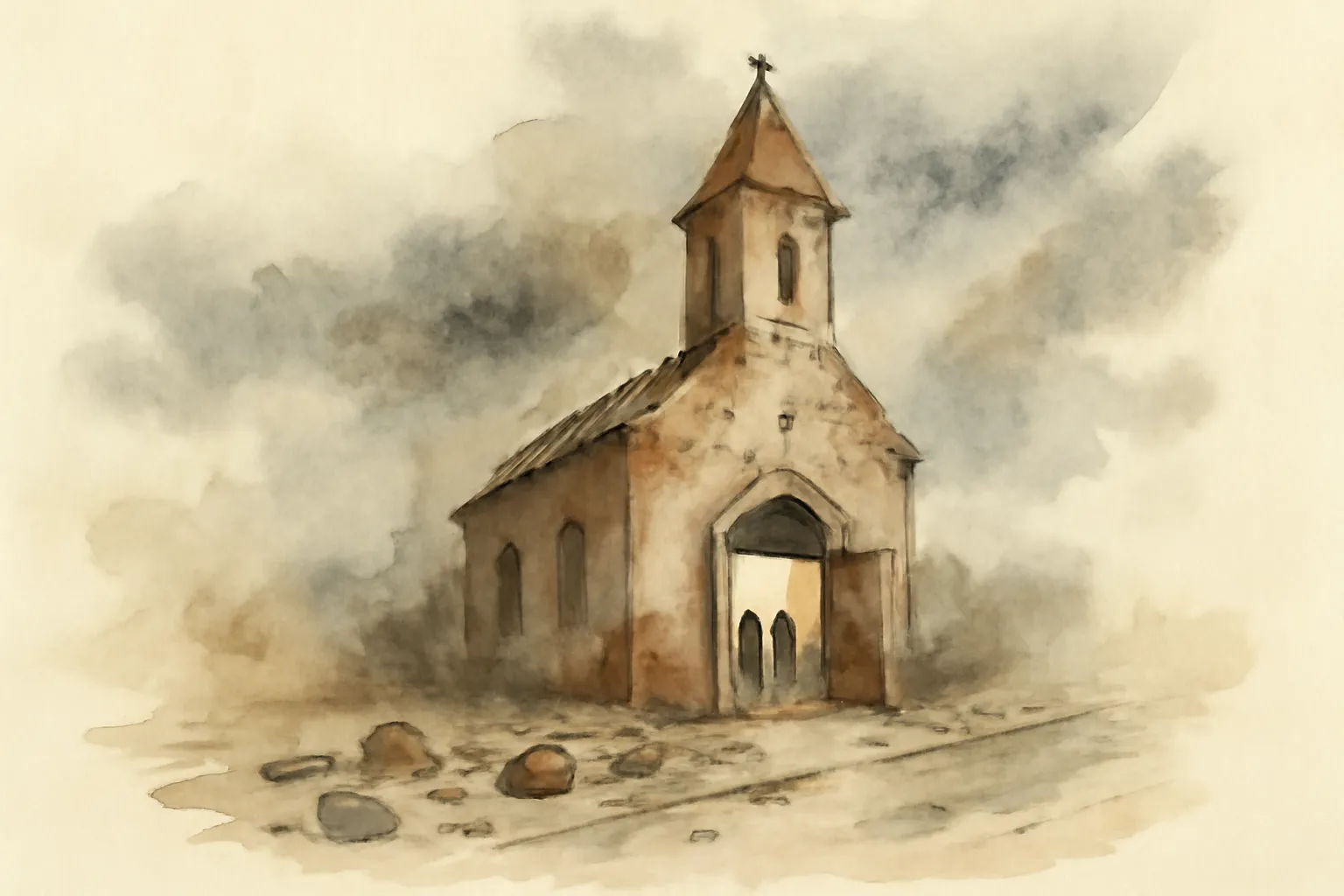
Camus uses the plague as a metaphor for the absurdity of existence—the unpredictable, often senseless suffering that befalls humanity. The citizens of Oran are forced to confront a reality that defies rational explanation, echoing Camus’s existential philosophy. The novel asks not why suffering exists, but how people respond to it: with denial, resignation, or purposeful action. The characters’ choices reflect the struggle to find meaning in a world that offers none by default.
A central theme is the emergence of solidarity in the face of disaster. As the plague isolates Oran from the outside world, individual concerns give way to collective action. Dr. Rieux and others exemplify a quiet heroism rooted in doing what must be done, not for glory but out of a sense of shared humanity. Camus suggests that true morality is found in everyday acts of care and perseverance, even when the outcome is uncertain.
“What’s true of all the evils in the world is that they help men to rise above themselves.”
“The only way to fight the plague is with decency.”
“There are more things to admire in men than to despise.”