1.The Absurd and Human Response
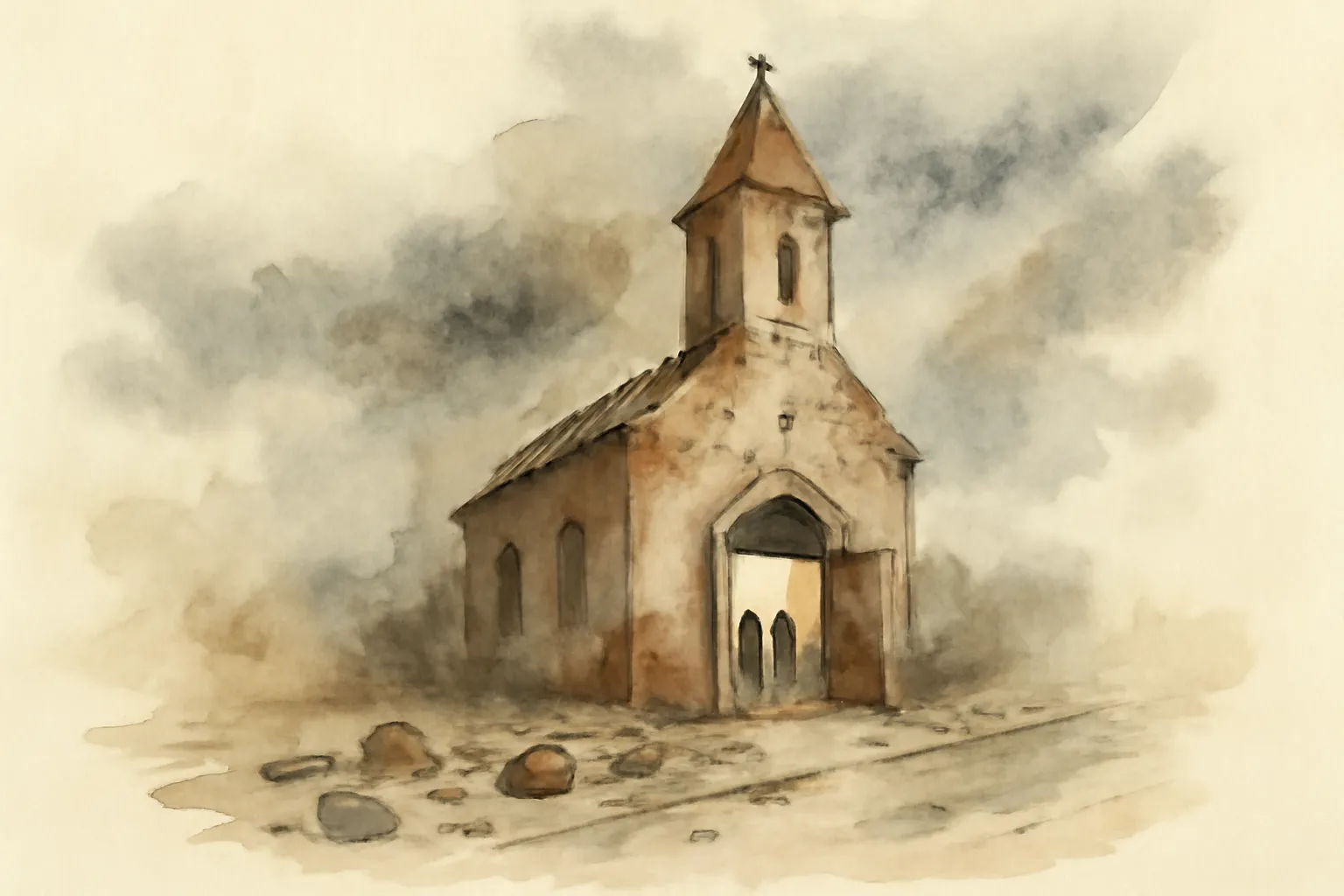
Camus uses the plague as a metaphor for the absurdity of existence—the unpredictable, often senseless suffering that befalls humanity. The citizens of Oran are forced to confront a reality that defies rational explanation, echoing Camus’s existential philosophy. The novel asks not why suffering exists, but how people respond to it: with denial, resignation, or purposeful action. The characters’ choices reflect the struggle to find meaning in a world that offers none by default.
2.Solidarity and Collective Responsibility
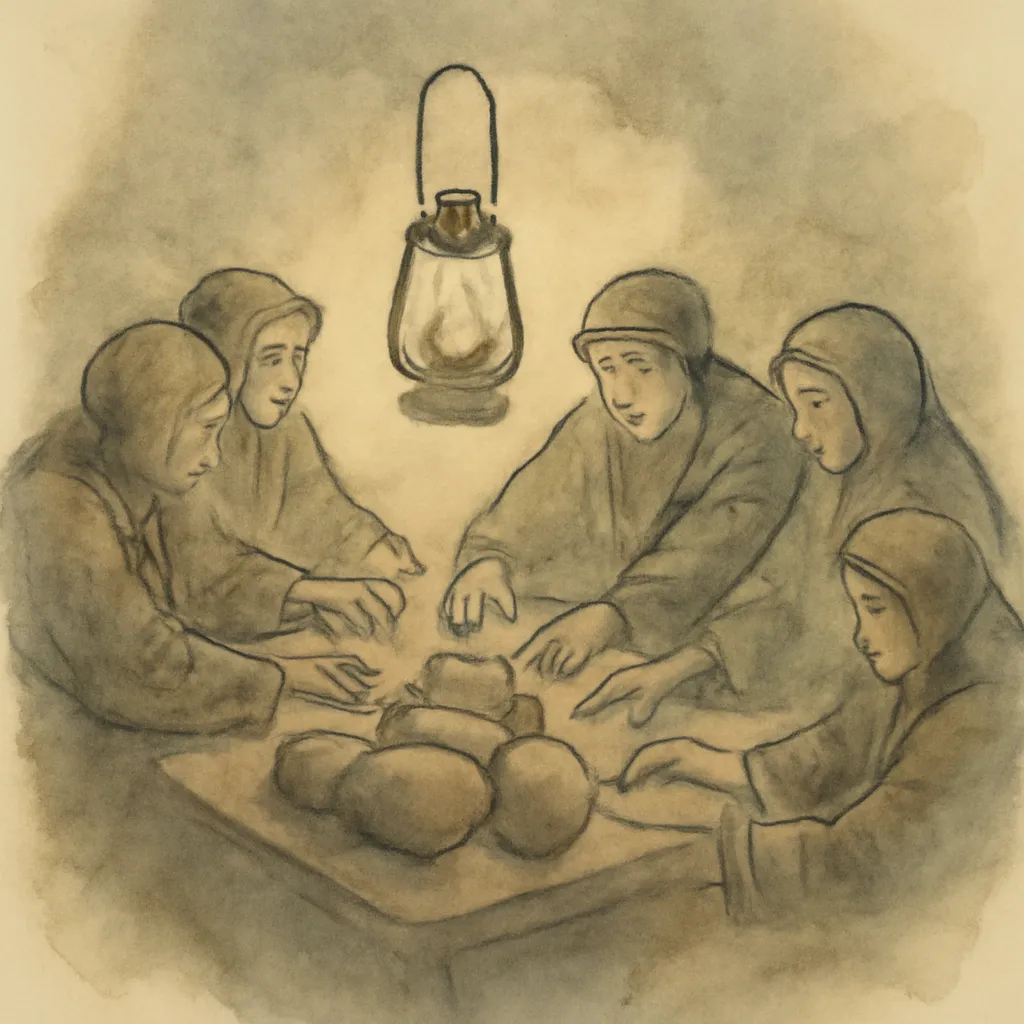
A central theme is the emergence of solidarity in the face of disaster. As the plague isolates Oran from the outside world, individual concerns give way to collective action. Dr. Rieux and others exemplify a quiet heroism rooted in doing what must be done, not for glory but out of a sense of shared humanity. Camus suggests that true morality is found in everyday acts of care and perseverance, even when the outcome is uncertain.
3.Isolation and Exile
The quarantine imposed on Oran creates a profound sense of exile, both physical and emotional. Characters are cut off from loved ones and ordinary life, mirroring existential feelings of alienation. Camus explores how isolation can breed both despair and self-discovery, forcing individuals to confront their own values and limitations.
4.The Limits of Rationality and Science
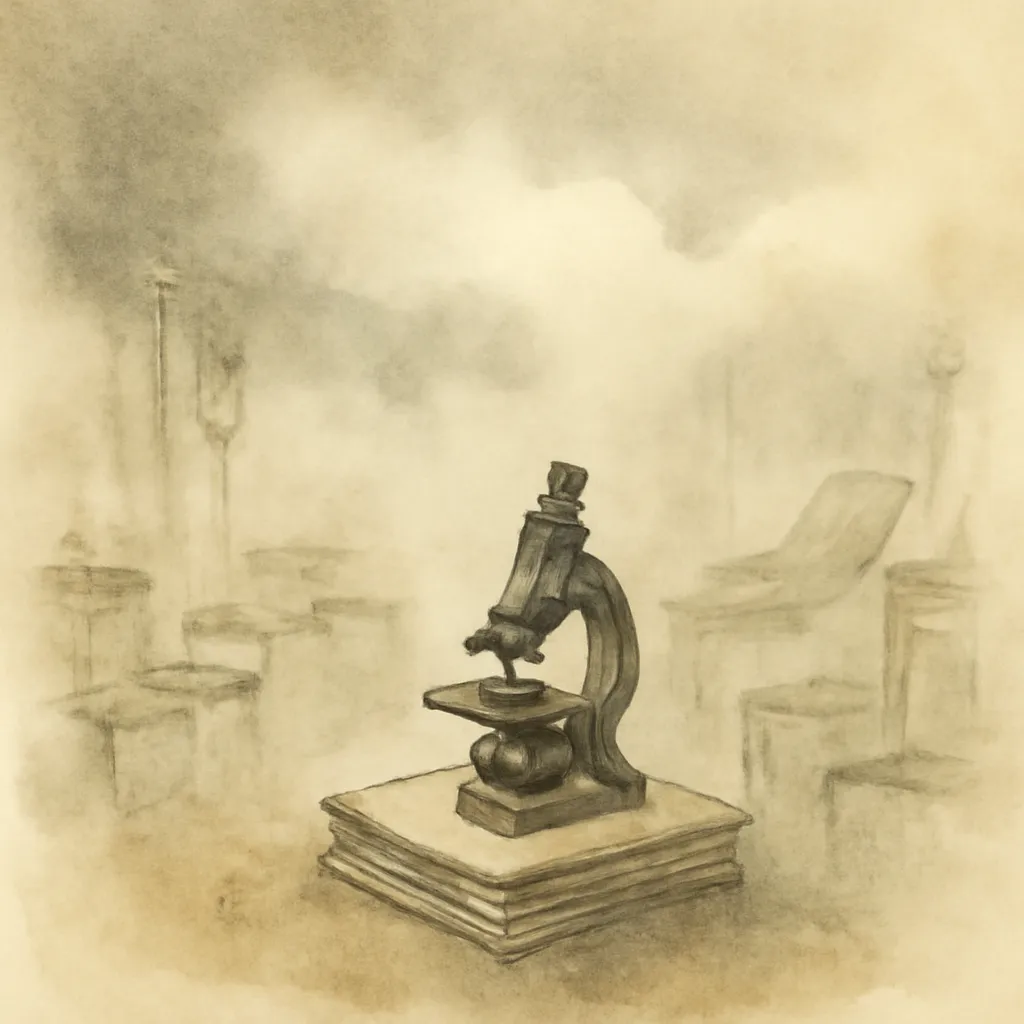
While Dr. Rieux represents rationality and medical science, Camus does not present these as ultimate solutions. The plague resists easy explanation or cure, highlighting the limits of human knowledge and control. The novel questions the Enlightenment faith in progress, suggesting that humility and acceptance of uncertainty are also necessary.
5.Resilience and Moral Choice
The Plague is ultimately about how people choose to act when confronted with overwhelming adversity. Camus’s characters are not saints—they doubt, suffer, and sometimes falter—but their persistence in doing good, however modestly, is portrayed as the highest form of resistance against meaninglessness. The novel champions the idea that moral action is valuable even when it cannot guarantee success.
6.Allegory of Fascism and Political Evil
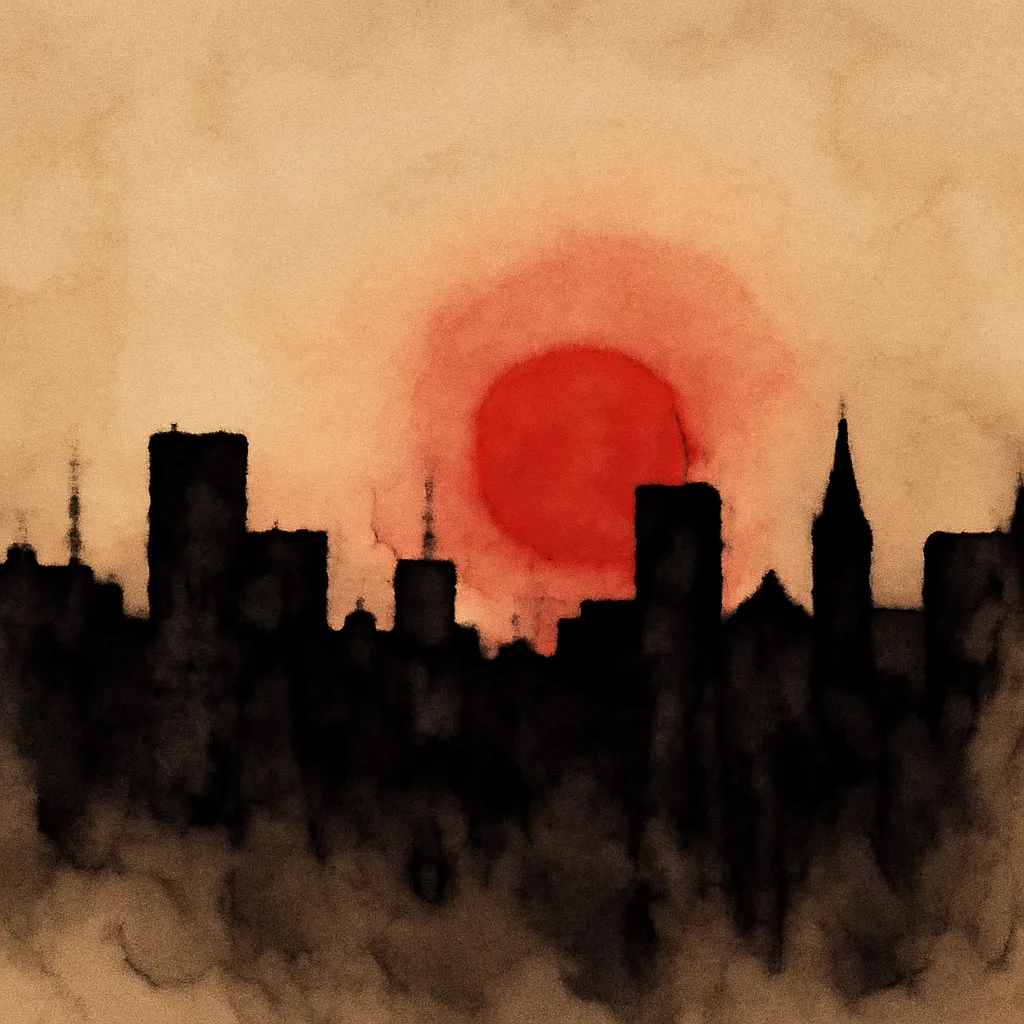
Written in the aftermath of World War II, The Plague is widely read as an allegory for the spread of fascism and totalitarianism. The disease represents not just physical illness, but the insidious nature of evil that can overtake societies. Camus warns that vigilance, solidarity, and moral courage are necessary to resist such forces.