1.The Endurance and Fragility of Love
At its core, the novel is a meditation on the endurance—and the limits—of love. Dorrigo Evans’s affair with Amy, his uncle’s wife, becomes a defining memory that sustains and haunts him through the brutality of war and the emptiness of peacetime. Flanagan probes how love can be both a source of hope and, paradoxically, a cause of lifelong regret, shaping the choices and destinies of his characters long after the moment has passed.
2.The Trauma of War and Its Aftermath
Flanagan’s depiction of the POWs forced to build the Thailand-Burma Death Railway is unflinching and visceral. The novel does not shy away from the physical and psychological scars left by extreme suffering. Yet it also explores how trauma lingers, affecting survivors’ relationships, sense of self, and capacity for joy long after the war ends. The narrative asks whether it is possible to truly return from such darkness.
3.Moral Complexity and Complicity
The book challenges simplistic notions of heroism and villainy. Dorrigo, though revered as a war hero, is deeply flawed, while some Japanese and Korean captors are portrayed with nuance. Flanagan forces readers to confront uncomfortable questions about responsibility, guilt, and the ways ordinary people become entangled in systems of cruelty. The line between victim and perpetrator is shown to be disturbingly thin.
4.Memory, Myth, and the Stories We Tell
The novel interrogates how individuals and societies remember—or misremember—the past. Dorrigo’s public image as a hero contrasts with his private sense of inadequacy. The survivors’ stories are shaped by what they choose to recall, suppress, or mythologize. Flanagan suggests that the act of remembering is both necessary and fraught, shaping identity but never fully capturing the truth.
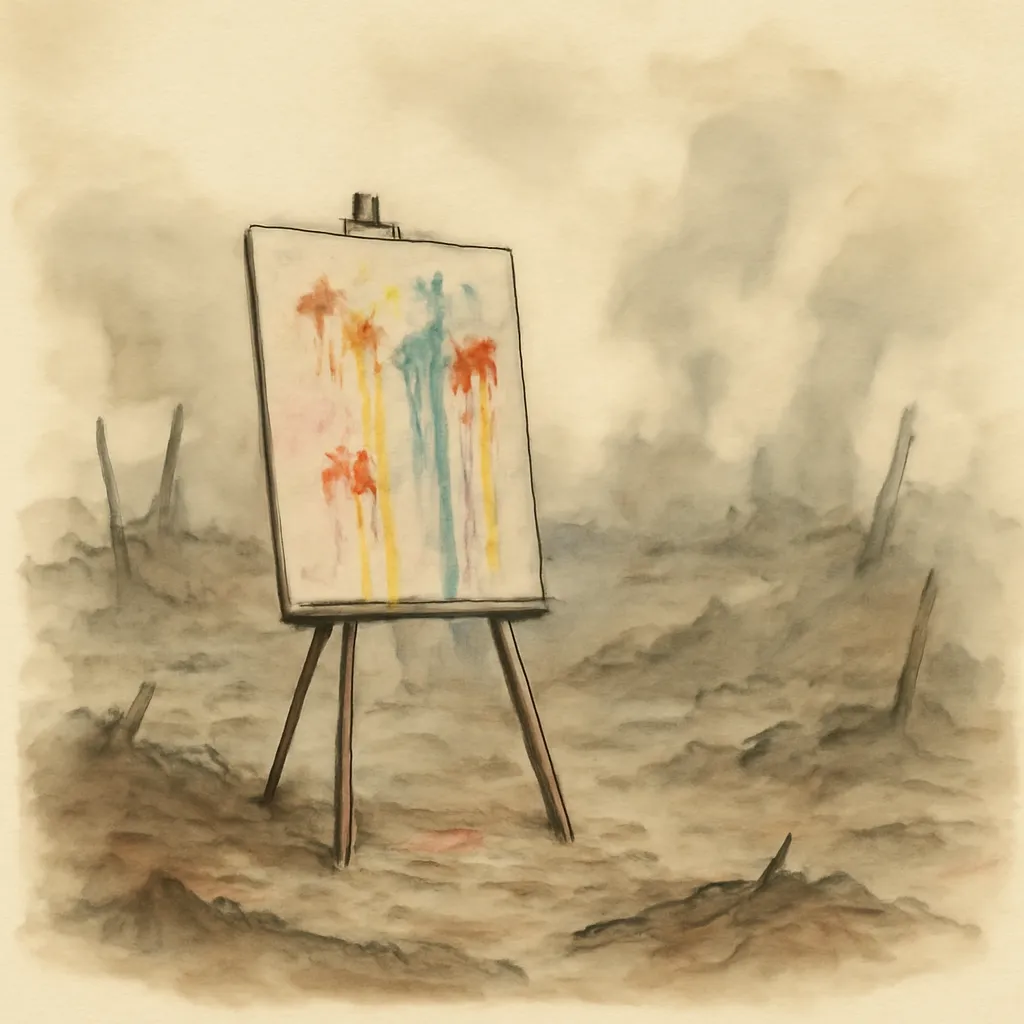
5.The Redemptive and Destructive Power of Art and Literature
Drawing inspiration from Basho’s classic travel diary, the novel reflects on the solace and escape art can provide in times of suffering. Poetry and literature become lifelines for the POWs, offering moments of beauty amid horror. Yet art is also shown as insufficient to fully redeem or explain trauma, raising questions about its limits and responsibilities.
6.Survival and the Burden of Leadership
Dorrigo’s role as a leader among the POWs brings both honor and anguish. The novel examines the impossible choices faced by those in command: how to keep men alive when all options are terrible, and how to live with the consequences. Flanagan explores the loneliness of leadership and the persistent weight of survivor’s guilt.