1.The Mythic Hero in Modern America
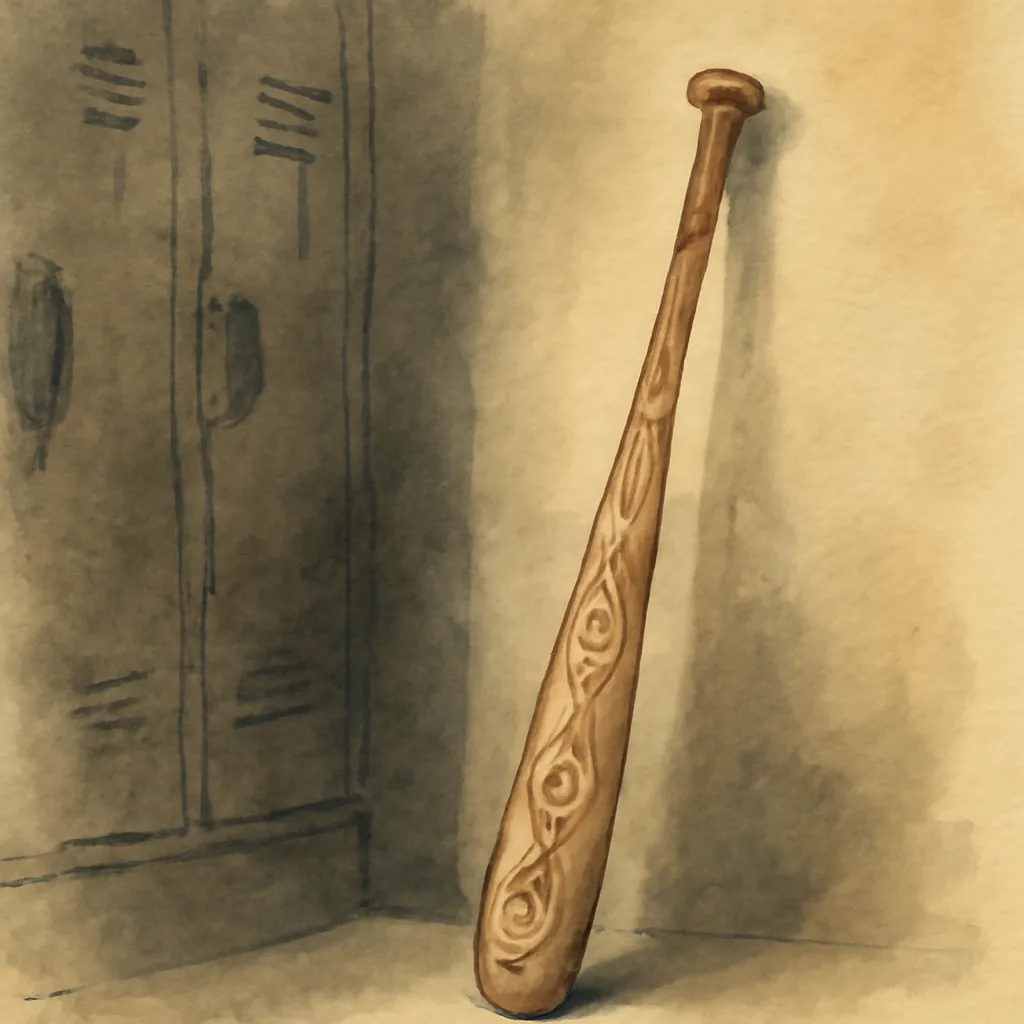
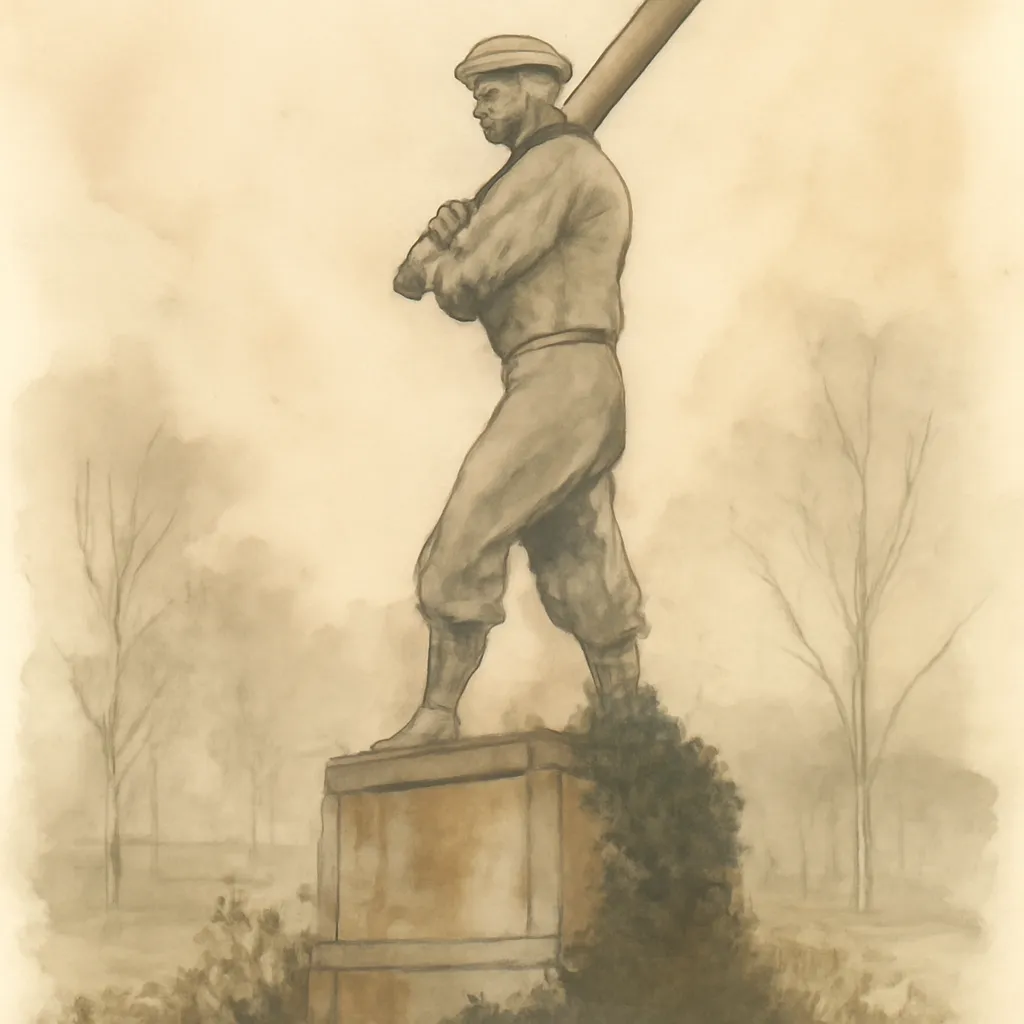
Malamud crafts Roy Hobbs as a modern-day mythic hero, drawing on legends like the Arthurian quest. Roy’s journey is filled with symbolism—his bat 'Wonderboy' is Excalibur-like, and his rise and fall mirror classical tragedy. This mythic framework elevates the story beyond sports, suggesting that even in contemporary America, we hunger for heroes and the drama of their triumphs and failures.
2.The Corrosive Power of Temptation
Central to the novel is Roy’s repeated failure to resist temptation, whether in the form of women, fame, or money. Malamud shows how these temptations, often disguised as opportunities, undermine Roy’s talent and integrity. The book suggests that greatness is not just about skill, but about character and the ability to withstand the lures that can destroy us.
3.The Elusiveness of Redemption
Roy’s comeback is driven by a desire to redeem his squandered youth, but Malamud refuses to offer easy second chances. The story explores how past mistakes cast long shadows, and how the hope for redemption can itself become a trap. By the end, Roy’s failures are as much moral as athletic, raising questions about whether true redemption is possible.
4.Baseball as American Allegory
Baseball in The Natural is more than a sport—it’s a metaphor for the American dream, with its promises of glory and its harsh realities. The stadium becomes an arena for personal and national aspiration, while the corrupt underbelly of the game reflects the disillusionment lurking beneath the surface of American life.
5.The Tragic Cost of Hubris
Roy’s downfall is rooted in his arrogance and self-absorption. He believes his talent entitles him to success, but this hubris blinds him to his own limitations and to the needs of others. Malamud’s novel warns that unchecked pride can lead even the most gifted individuals to ruin.
6.Ambiguity of Success and Failure
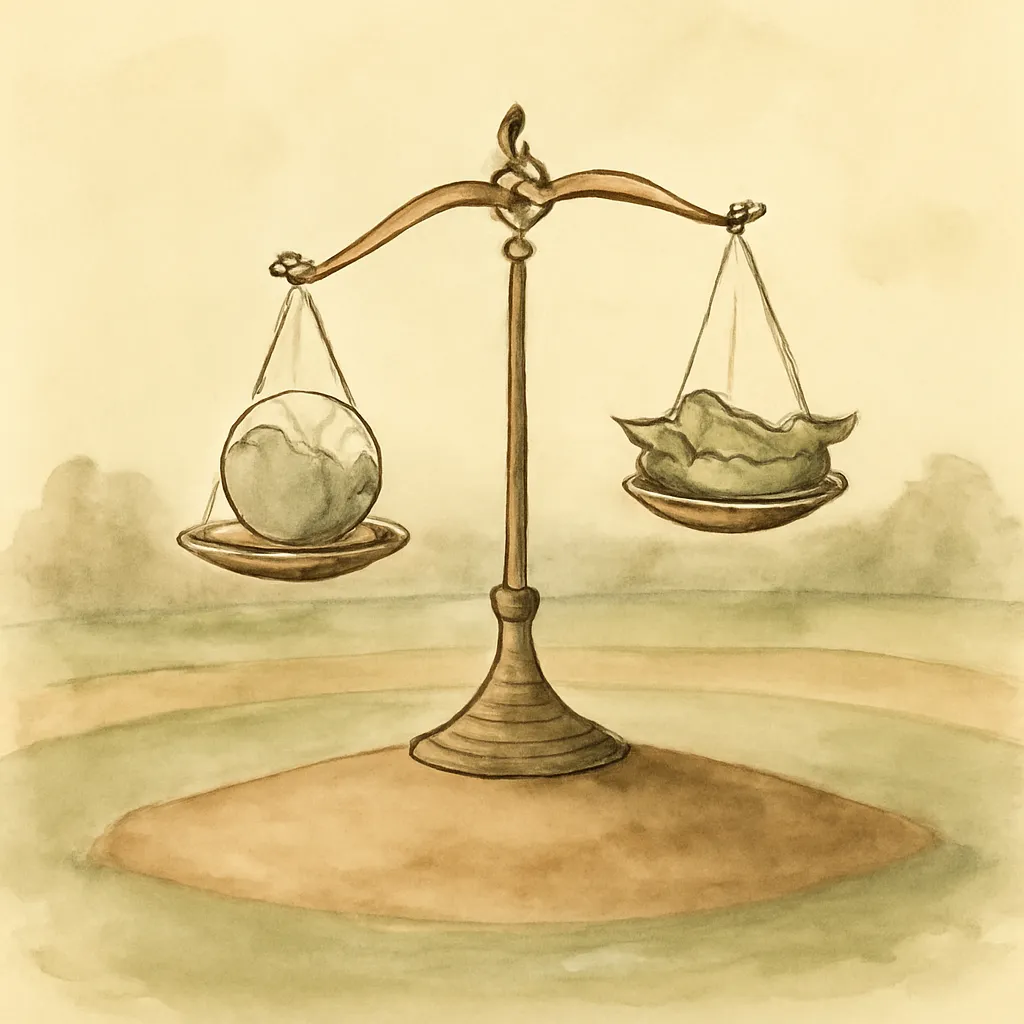
The Natural resists the typical sports narrative of clear winners and losers. Roy’s achievements are tainted by compromise, and his failures are both personal and public. Malamud leaves readers questioning what it really means to succeed, and whether the pursuit of greatness is worth the cost.