1.The Discovery That Changed Human History
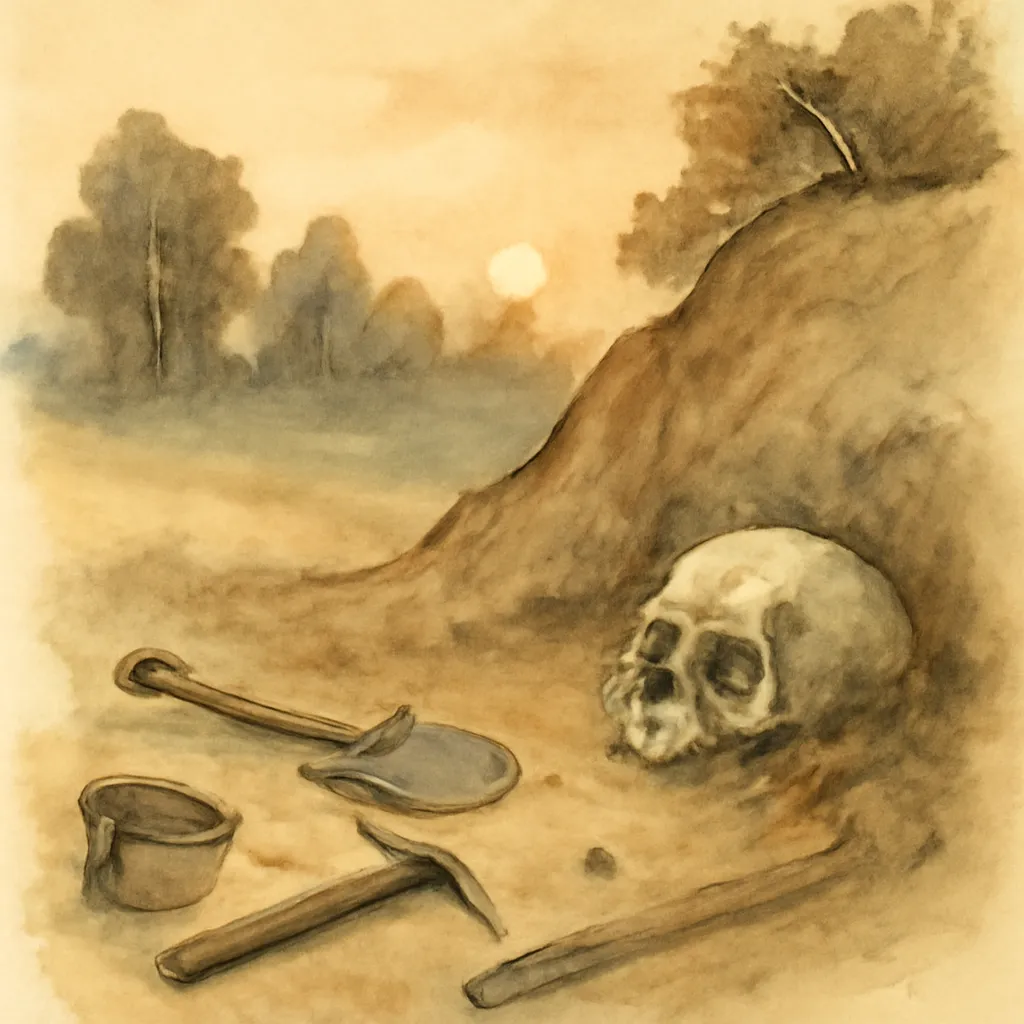
Trinkaus begins by situating the Neanderthal discovery within the broader context of 19th-century science, at a time when Darwin’s evolutionary theories were reshaping how humans saw themselves. The unearthing of Neanderthal remains in Germany sparked debates not just about their age and place in the human family tree, but about the very nature of humanity. This moment catalyzed a scientific revolution, forcing researchers to confront uncomfortable questions about our origins.
2.Neanderthals: Not Just Primitive Brutes
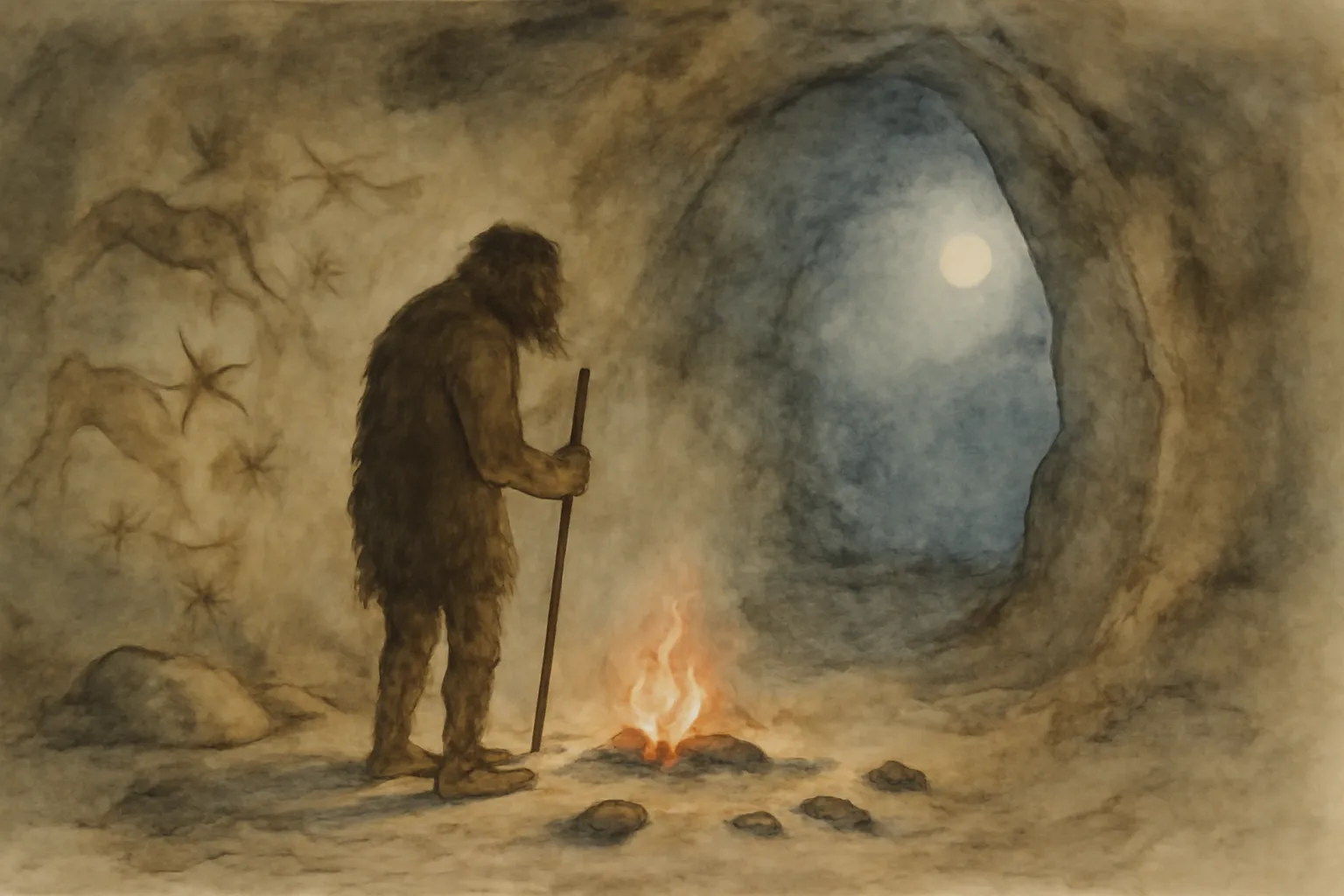
A core theme of the book is the dismantling of the stereotype of Neanderthals as dim-witted, club-wielding brutes. Trinkaus, drawing on decades of research, reveals that Neanderthals had complex social structures, used sophisticated tools, cared for their injured, and adapted to harsh environments. This nuanced portrait challenges the simplistic dichotomy between 'us' and 'them' and highlights the diversity of human evolution.
3.The Contested Place of Neanderthals in Our Family Tree
Trinkaus explores the long-standing debate over whether Neanderthals are direct ancestors of modern humans, a side branch, or a separate species altogether. He shows how interpretations have shifted with new fossil finds, advances in dating techniques, and genetic discoveries. The book emphasizes that science is a dynamic process, and our understanding of Neanderthals continues to evolve with each new piece of evidence.
4.Science as a Human Endeavor: Bias and Interpretation
One of the book’s most compelling insights is its examination of how scientific interpretations are shaped by cultural biases and prevailing worldviews. Trinkaus details how early researchers projected their own ideas about progress, race, and civilization onto Neanderthal fossils, sometimes distorting the evidence. This self-awareness invites readers to reflect on the objectivity of science and the importance of questioning assumptions.
5.The Methodologies Behind the Discoveries
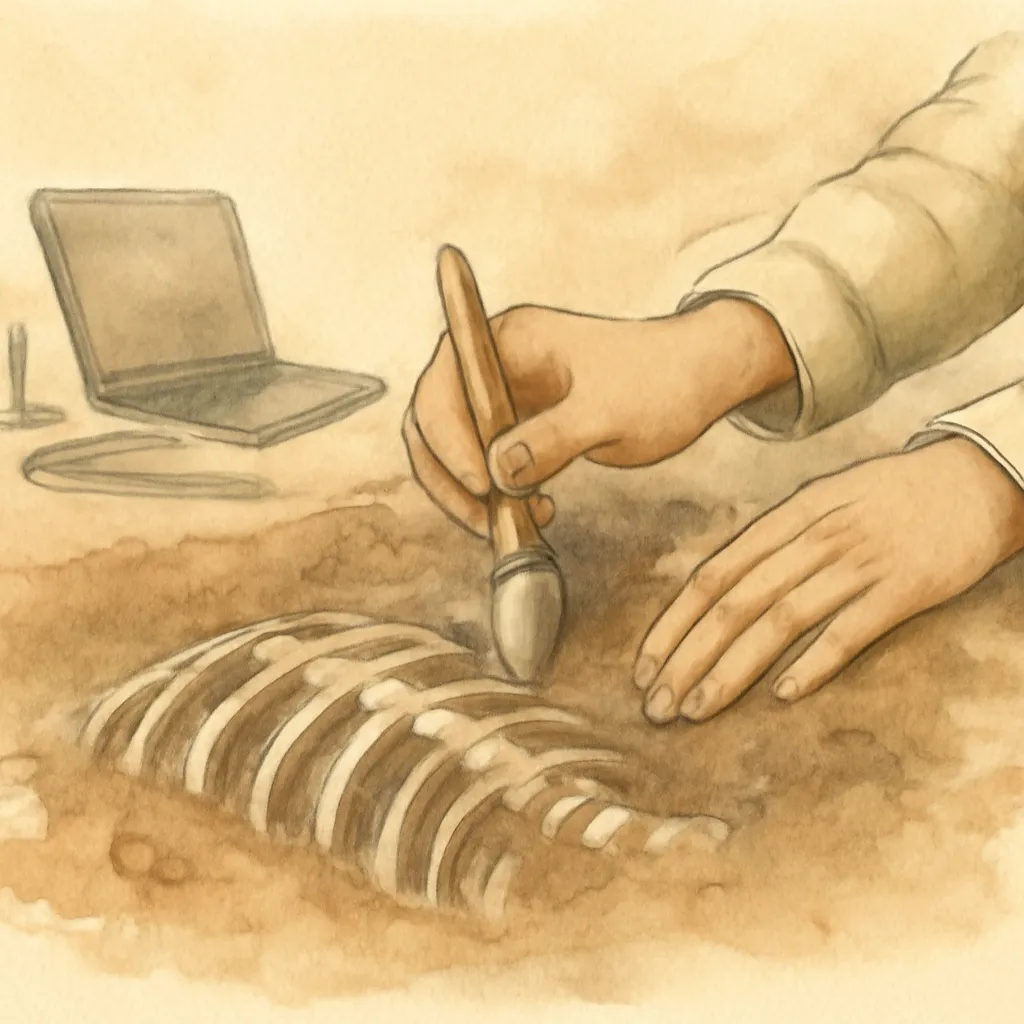
Trinkaus provides a behind-the-scenes look at the painstaking work of paleoanthropology: how fossils are dated, reconstructed, and compared; how anatomical differences are interpreted; and how new technologies have revolutionized the field. This transparency demystifies the scientific process and underscores the provisional nature of knowledge in human origins research.
6.Why Neanderthals Matter Today
Beyond their scientific significance, Neanderthals serve as a mirror for our own humanity. Trinkaus argues that understanding Neanderthals forces us to rethink what it means to be human, the boundaries of our species, and the legacy of our evolutionary past. Their story is ultimately about connection, difference, and the shared journey of all human beings.