1.The Collision of History and Everyday Life
The Netanyahus deftly explores how grand historical narratives—Jewish persecution, Zionism, the legacy of the Inquisition—collide with the mundane realities of midcentury American suburbia. Through the eyes of Ruben Blum, a Jewish historian in a predominantly Christian college, Cohen shows how the past is never truly past: it shapes personal and communal identities, often in unpredictable and uncomfortable ways. The arrival of Benzion Netanyahu and his family serves as a catalyst, forcing Blum and his colleagues to confront the messy, unresolved legacies of history in their own lives.
2.Satire of Academia and Assimilation
Cohen skewers the pretensions and hypocrisies of American academia, particularly its treatment of Jewishness as both exotic and suspect. The hiring committee’s awkwardness around Blum’s Jewishness, and their even greater discomfort with the Netanyahus’ brash foreignness, exposes the limits of postwar American liberalism and the uneasy place of Jews in it. The novel lampoons the rituals of campus life, the pieties of diversity, and the self-serving mythologies of meritocracy, all while revealing the anxieties of assimilation and difference.
3.Identity, Belonging, and the Problem of Blending In
At its core, The Netanyahus interrogates what it means to belong—whether to a nation, a people, or a profession. Blum is caught between worlds: not quite at home among his Christian colleagues, yet also distanced from the more strident, Old World Jewishness of the Netanyahus. The novel asks whether true belonging is ever possible, or whether it is always fraught with compromise, performance, and self-doubt. Through humor and discomfort, Cohen exposes the costs and contradictions of blending in.
4.Family as Microcosm of History
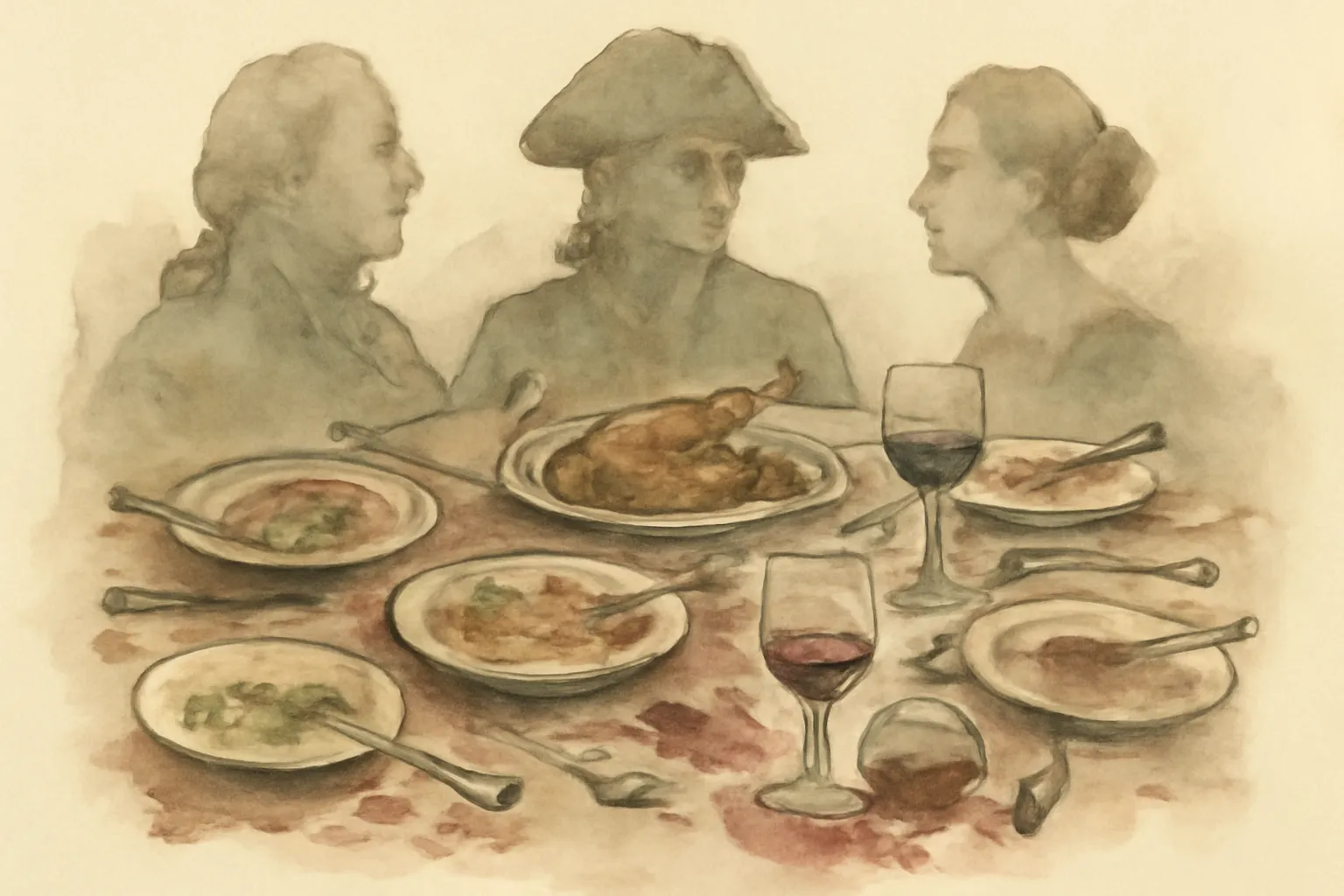
The Netanyahu family’s chaotic presence in Blum’s home is more than just a comic set piece—it’s an allegory for how families carry and transmit the traumas and ambitions of history. Benzion’s obsessive scholarship, his wife’s frustrations, and the unruly children (including a young Benjamin Netanyahu) all reflect the pressures of exile, memory, and expectation. The family’s disruptive visit becomes a metaphor for the ways in which history invades and unsettles the present.
5.The Limits and Power of Narrative
Cohen’s novel is self-consciously metafictional, drawing attention to the act of storytelling itself. By blending fact and fiction, and by framing the narrative as a recollection by an aging Blum, The Netanyahus questions who gets to write history, whose stories are remembered, and how personal and collective memories are shaped, distorted, or erased. The book is as much about the slipperiness of narrative as it is about the events it depicts.
6.Comedy as Critique
While deeply serious in its themes, The Netanyahus is also riotously funny. Cohen uses humor—ranging from slapstick to biting irony—to puncture the solemnities of academia, family, and national myth. The comedy is never gratuitous; instead, it serves as a tool for critique, exposing uncomfortable truths about prejudice, power, and the absurdities of cultural life.