1.The Civil War as a Catalyst for Change

The Civil War was not merely a military conflict; it was a crucible that reshaped the very fabric of American society. As the Union was preserved, the political landscape underwent significant transformations. The Republican Party, initially a coalition against the expansion of slavery, found itself at a crossroads. Many of its leaders, once idealistic, became entrenched in the spoils system, prioritizing political patronage over principled governance. Lincoln recognized early on that sustaining the Union required transcending party lines to foster a broader sense of national unity. This realization catalyzed a political shift where the Republican Party had to evolve to retain its relevance, setting the stage for a new national identity emerging from the ashes of war. The war's aftermath demonstrated that the struggle against slavery had not only preserved the nation but also compelled its citizens to redefine their understanding of citizenship, loyalty, and democracy.
2.The West's Role in National Development
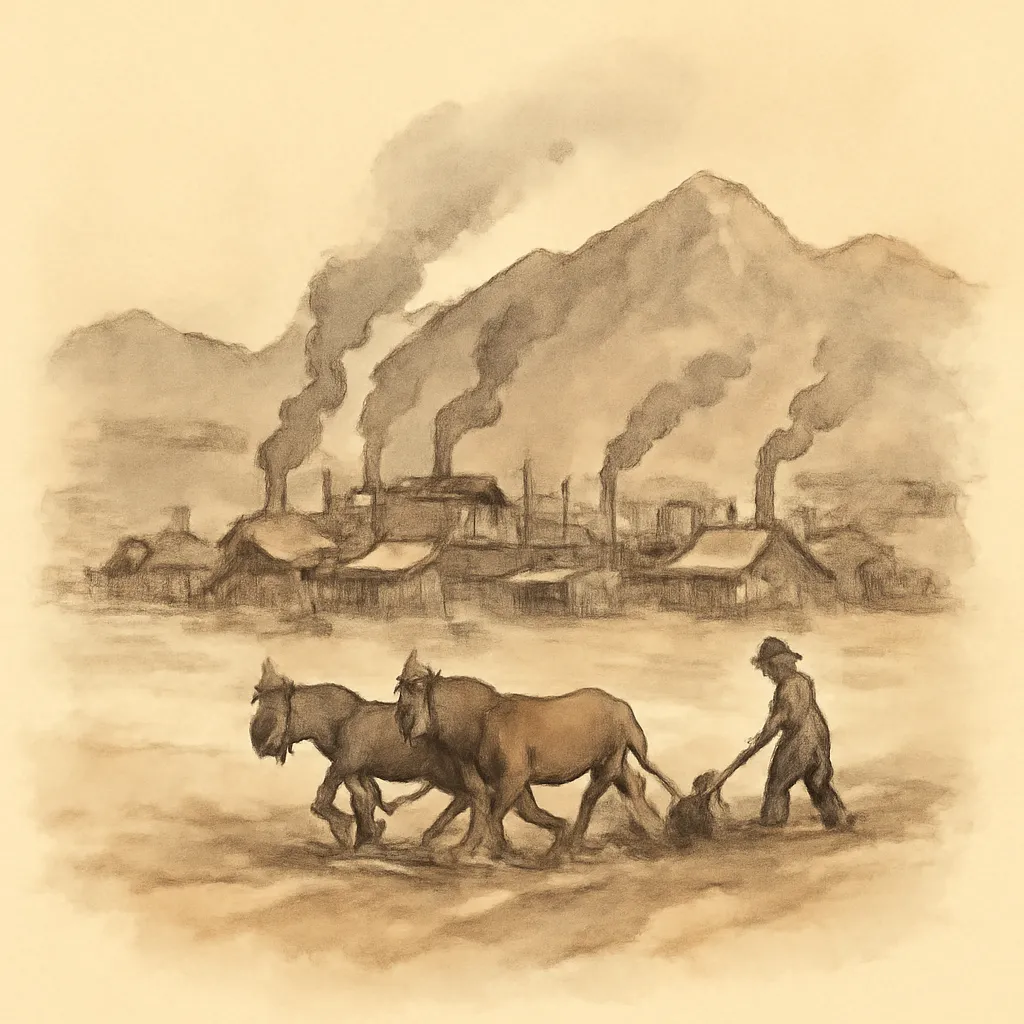
The rapid expansion of the United States westward during and after the Civil War was pivotal in shaping the nation's economic and political future. The once sparsely populated agricultural frontier transformed into a vibrant landscape of mining camps and agricultural hubs. States like Iowa, Minnesota, and Kansas transitioned into established communities, while new territories were carved out of what was considered the 'American Desert.' The Homestead Act of 1862 exemplified the growing influence of the West, as it incentivized settlement and cultivation, thereby reshaping the agricultural landscape. This demographic shift not only contributed to the national economy but also influenced legislative priorities, as Congress increasingly responded to Western demands, illustrating the critical role the frontier played in national affairs. The mining booms that erupted in places like Colorado and Nevada drew thousands seeking fortune, forever altering the economic landscape and shaping the character of the nation, now infused with the spirit of opportunity and exploration.
3.Reconstruction: A Misnomer
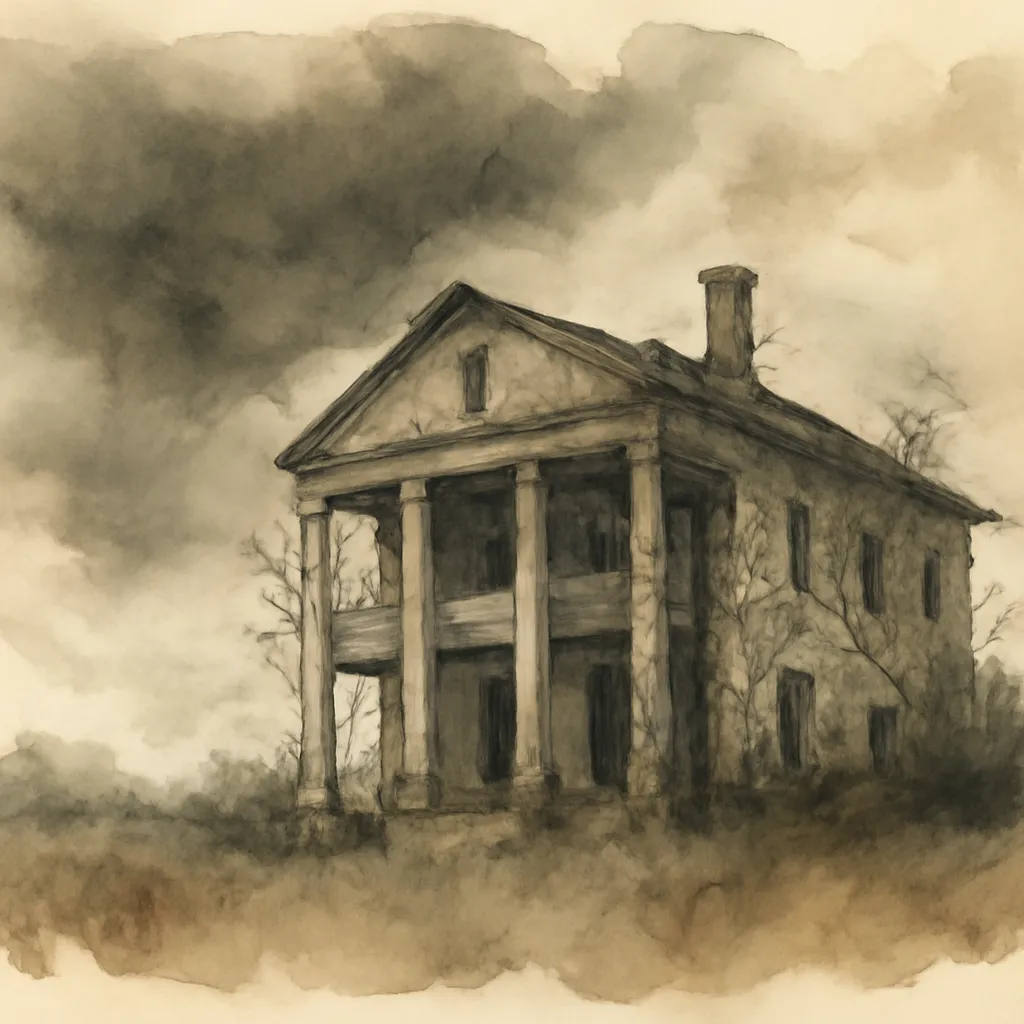
The term 'Reconstruction' belies the profound societal upheaval experienced in the South following the Civil War. The Southern states emerged from the conflict not merely to reintegrate into the Union but to navigate the complexities of a radically altered social order. The legacy of slavery as an economic system vanished, leaving a vacuum filled by poverty and dislocation. Southern planters faced the daunting challenge of rebuilding their lives amidst dilapidated infrastructure and a labor system in disarray. The expectation that freedmen would seamlessly transition into hired laborers proved naive, as the newly liberated population sought autonomy and dignity. This period was marked by significant tension and resistance, as the South grappled with its identity and the realities of a post-slavery economy. The struggles of the freedmen to assert their rights, coupled with the planters’ resistance to change, created a volatile mix that would shape Southern politics and society for generations. The failure of Reconstruction to achieve its goals left deep scars and set the stage for future conflicts over race and class.
4.Economic Turbulence: The Panic of 1873

The Panic of 1873 marked a significant turning point in American economic history, revealing the vulnerabilities of an expanding capitalist system. This financial crisis, triggered by overexpansion and speculative investments, led to widespread bankruptcies and economic despair. Prominent intellectuals of the time, like Edwin L. Godkin, lamented the moral decline accompanying this economic growth, questioning whether democracy was fostering corruption rather than progress. The ensuing depression shifted public attention from political issues to economic survival, as citizens faced the harsh realities of unemployment and financial instability. This period of introspection laid the groundwork for future reforms, as Americans began to seek solutions to the systemic issues plaguing their economy. The tumultuous nature of the economy during this time also fostered a sense of skepticism towards rapid industrialization and the rise of big business, which many believed were undermining the very foundations of democratic society. The Panic served as a wakeup call that initiated discussions around economic justice and the regulation of corporate power.
5.The Hayes Administration: A Turning Point
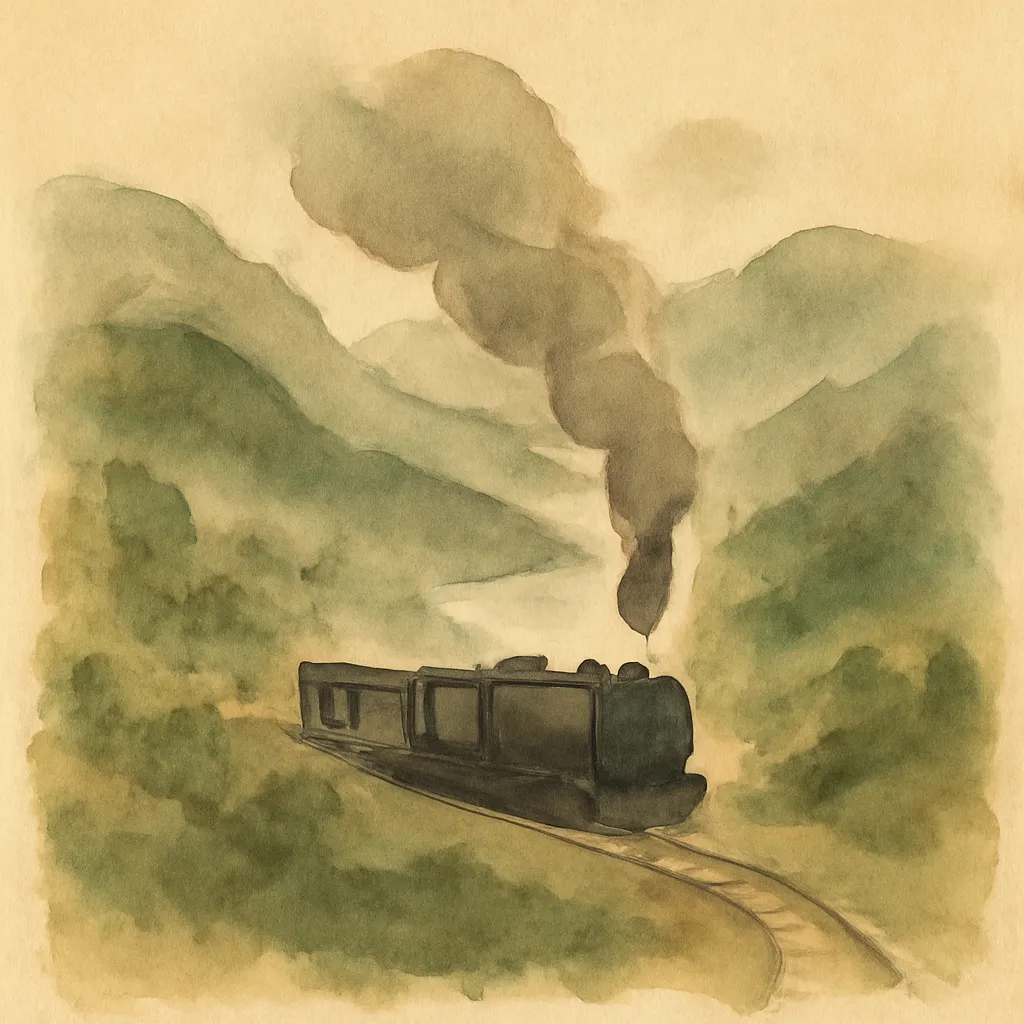
The presidency of Rutherford B. Hayes was characterized by a profound economic revival that began to take hold in the late 1870s. Hayes's administration marked a crucial transition as the nation began to emerge from the depths of the Panic of 1873. His commitment to resumption and prosperity resonated with the public, as commerce and manufacturing experienced a resurgence. The revival was not limited to the Eastern industrial centers; the South began to see an influx of manufacturing, while the West flourished with mining booms and agricultural expansion. The railroad industry played a pivotal role in this recovery, linking disparate regions and facilitating trade. This era of growth not only revitalized the economy but also set the stage for the complex interactions between business and politics in the years to come. Hayes's administration also confronted the challenges of civil service reform, aiming to reduce corruption and establish a merit-based system. This focus on integrity in governance was a response to the widespread discontent with political corruption stemming from the spoils system, indicating a desire for a more equitable political landscape.
6.Emergence of New Political Movements
The late 19th century witnessed the rise of new political movements that sought to address the grievances of marginalized groups, particularly farmers and laborers. The People's Party, born from the Farmers' Alliance, emerged as a response to the economic challenges faced by agrarian communities. This movement aimed to unite farmers, laborers, and advocates for social reform under a single banner, challenging the established political order. The discontent among farmers was fueled by falling prices and a sense of betrayal by the major parties, leading to calls for radical changes in monetary policy, including the push for free silver. This grassroots movement highlighted the tensions between urban industrial interests and rural agricultural needs, reshaping the political landscape and paving the way for future reforms. The Populist platform encapsulated the aspirations of those who felt ignored by the political elite, advocating for policies that would empower the working class and promote economic justice. The impact of this movement was felt not just in the electoral arena but also in the broader discourse around the role of government in economic affairs.
7.The Role of Big Business and Trusts
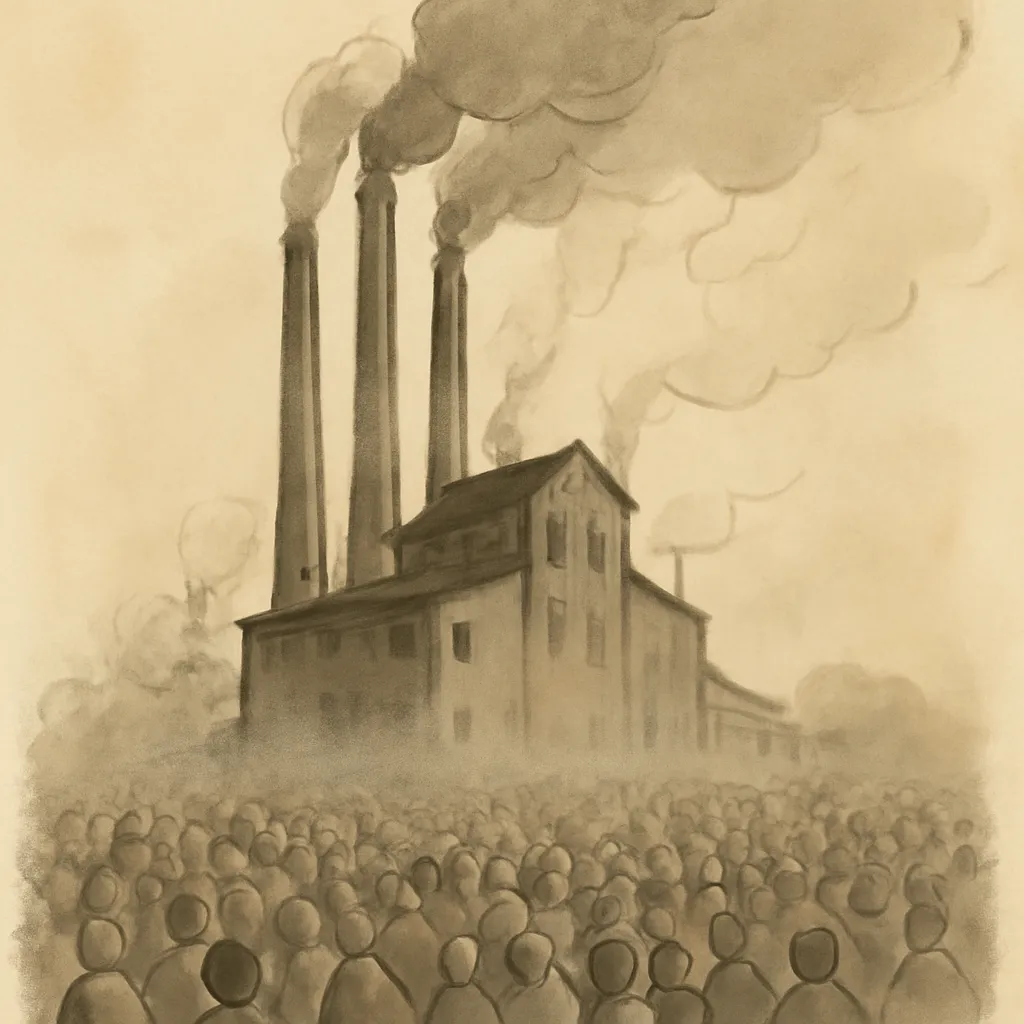
The late 19th century was marked by the rise of big business and the formation of trusts, which fundamentally altered the dynamics of American capitalism. The economic recovery post-Panic of 1893 catalyzed a new wave of industrial consolidation, with companies merging to form monopolies that dominated entire sectors. This concentration of economic power raised concerns over the ethical implications of such control, as public sentiment turned against the perceived excesses of capitalism. The Sherman Antitrust Act of 1890 was an early legislative attempt to curb these monopolistic practices, but its effectiveness was limited. As the public became increasingly aware of the intertwining of business and politics, a growing demand for reform emerged, setting the stage for the Progressive Era. The rise of trusts exemplified the struggle between unregulated capitalism and the need for government intervention to ensure fair competition and protect consumers. The perception of corporate greed and the influence of wealthy industrialists on politics fueled widespread calls for reforms that would bring greater accountability to the business sector.
8.Populism and the Quest for Reform
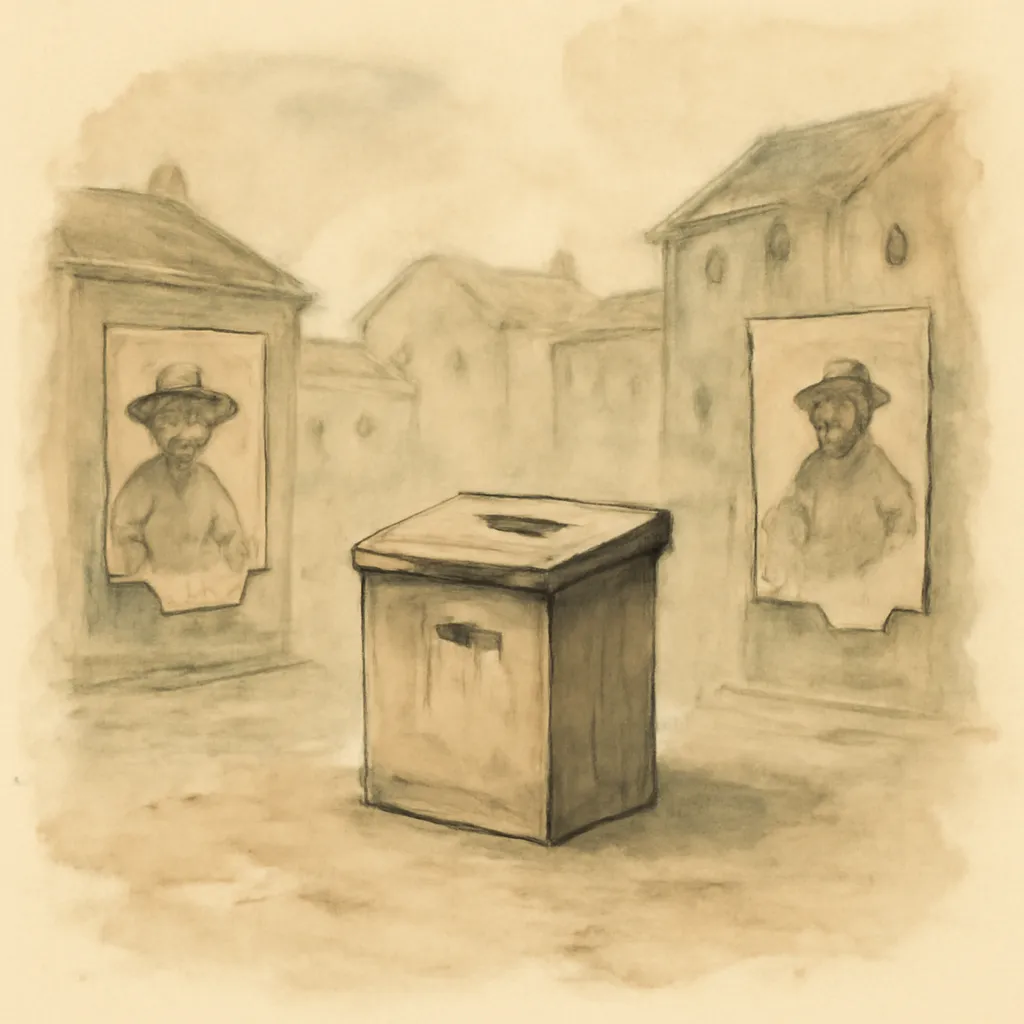
The Populist movement represented a significant challenge to the political establishment, as it sought to amplify the voices of the disenfranchised and advocate for sweeping reforms. Farmers and laborers, feeling neglected by the major parties, rallied around the Populist platform, which called for measures such as government control of railroads, a graduated income tax, and the free coinage of silver. The movement's successes in the elections of 1890 stunned both Republicans and Democrats, forcing them to grapple with the demands of a burgeoning populist constituency. Despite its eventual decline, Populism left an indelible mark on American politics, as it highlighted the growing divide between the interests of the rural populace and the urban elite. The legacy of this movement can be seen in later reform efforts that sought to address the inequalities of the Gilded Age. Populist rhetoric emphasized the need for a government that was responsive to the needs of the common people, challenging the status quo and paving the way for future generations to advocate for greater social and economic justice.
9.The Spanish-American War: A New Era of Imperialism
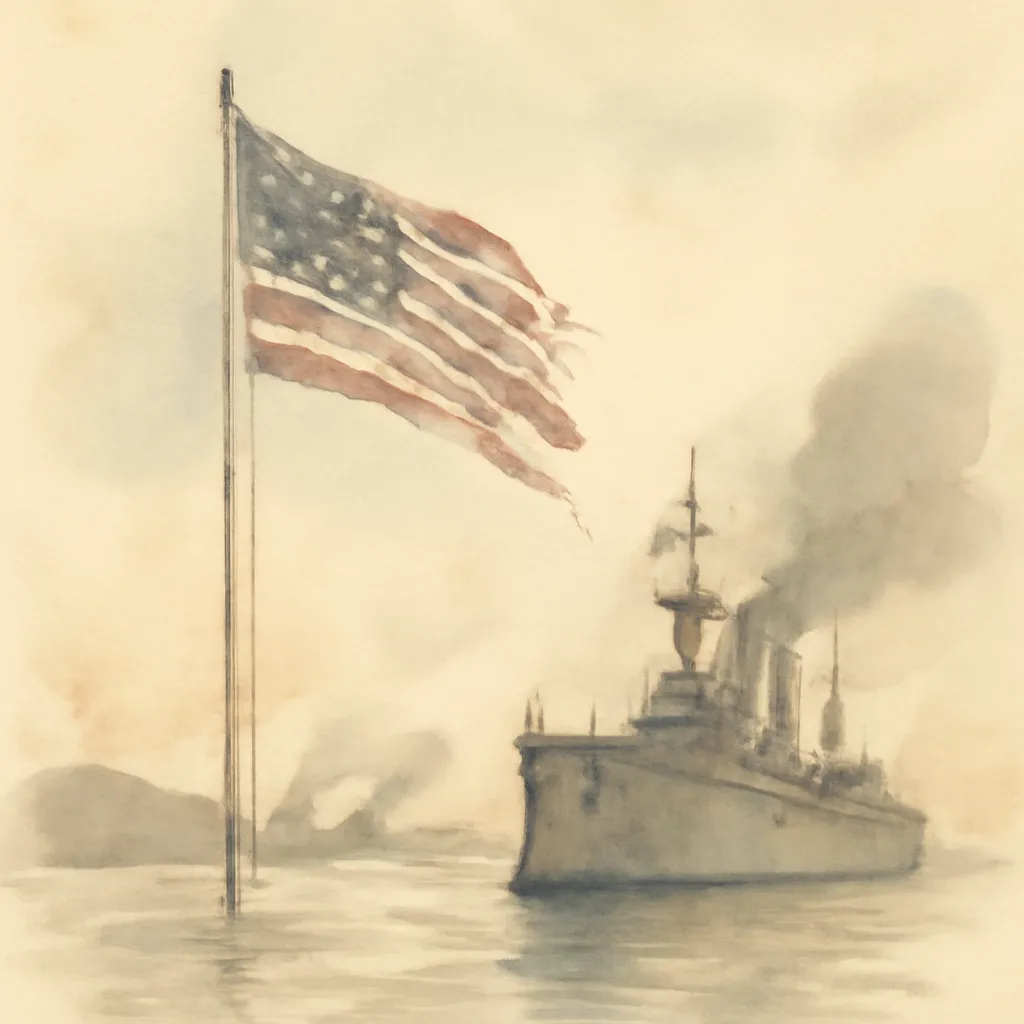
The Spanish-American War marked a watershed moment in American foreign policy, signaling the nation's emergence as a global power. The conflict was fueled by a combination of humanitarian concerns for Cuban independence and economic interests in the Caribbean. The war's swift conclusion and the subsequent Treaty of Paris resulted in the U. S. acquiring territories such as Puerto Rico, Guam, and the Philippines, fundamentally altering the nation's geopolitical landscape. This expansionism ignited debates over imperialism and America's role on the world stage, as citizens grappled with the implications of becoming a colonial power. The war not only reshaped foreign relations but also influenced domestic politics, as figures like Theodore Roosevelt rose to prominence, advocating for a more assertive American presence worldwide. The Spanish-American War encapsulated the contradictions inherent in American identity—while promoting ideals of liberty and self-determination abroad, the U. S. was simultaneously engaging in imperialist practices that contradicted those very values.
10.The Rise of Theodore Roosevelt

Theodore Roosevelt's ascent to the presidency exemplified the intertwining of military valor and political ambition in the early 20th century. His experience as a soldier during the Spanish-American War propelled him into the national spotlight, showcasing his charismatic leadership and commitment to reform. Roosevelt's tenure was marked by a vigorous approach to addressing the challenges posed by trusts and corporate power, as he championed the Progressive movement's ideals. His policies aimed to balance the interests of business with the welfare of the public, reflecting a growing recognition of the government's role in regulating the economy. Roosevelt's legacy as a reformer and a proponent of national strength would leave a lasting impact on American politics and society. His belief in the 'strenuous life' underscored his vision of an assertive and dynamic America, one willing to embrace change while confronting the challenges of modernity head-on. Roosevelt's presidency set a precedent for future leaders, emphasizing the importance of active governance and social responsibility.