1.Women’s Hidden Roles in War
Kristin Hannah foregrounds the often-overlooked contributions and sacrifices of women during wartime. Through Vianne and Isabelle, the novel illustrates how women, though not on the front lines, faced daily dangers, made impossible choices, and engaged in acts of resistance that were crucial to survival and liberation. The book challenges the traditional, male-centric narratives of war, showing that heroism can take many forms, from smuggling downed airmen to quietly sheltering children.
2.Sisterhood and Family Bonds
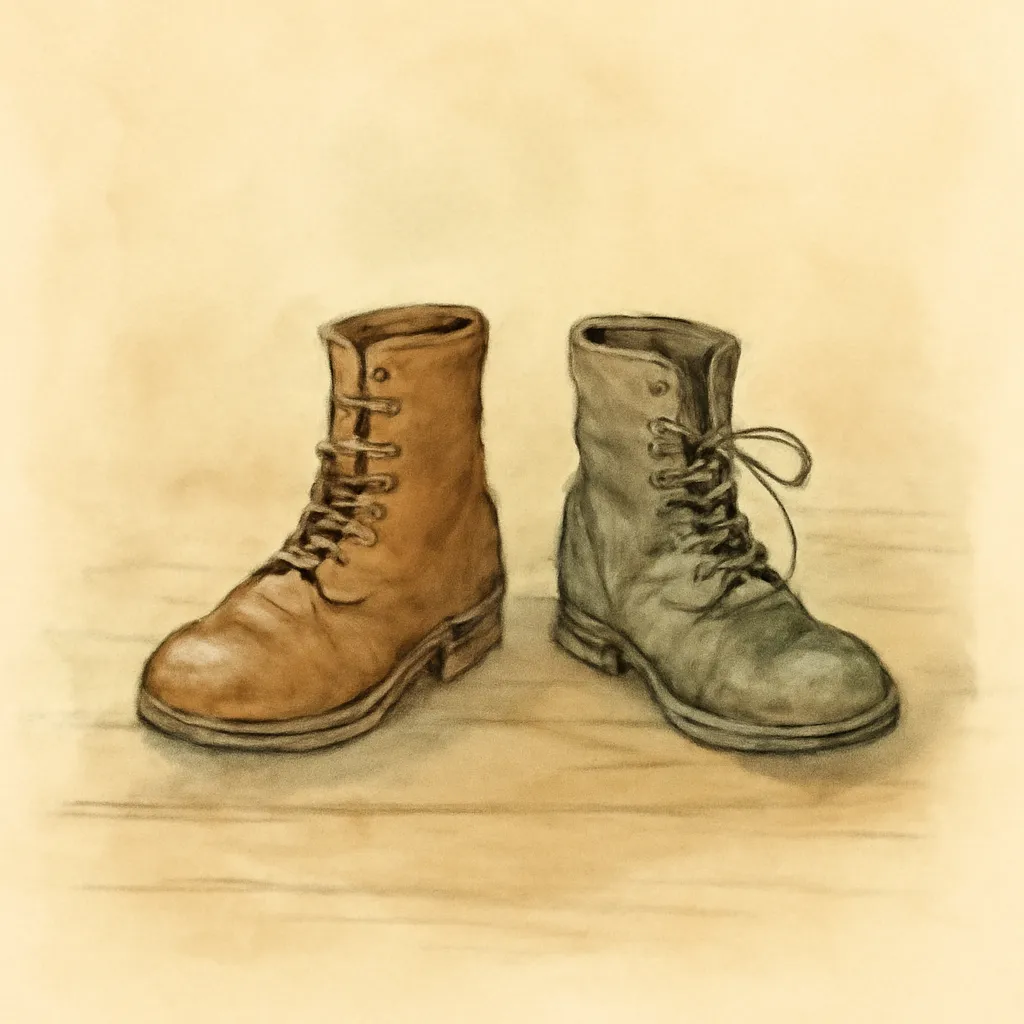
At its heart, The Nightingale is about the complicated relationship between sisters Vianne and Isabelle. Their contrasting personalities—Vianne’s cautious pragmatism and Isabelle’s rebellious idealism—create tension but also underscore the resilience of familial love. The war forces them to confront their differences and ultimately reveals how deep their loyalty runs, even when tested by betrayal, loss, and trauma.
3.Moral Ambiguity and Survival
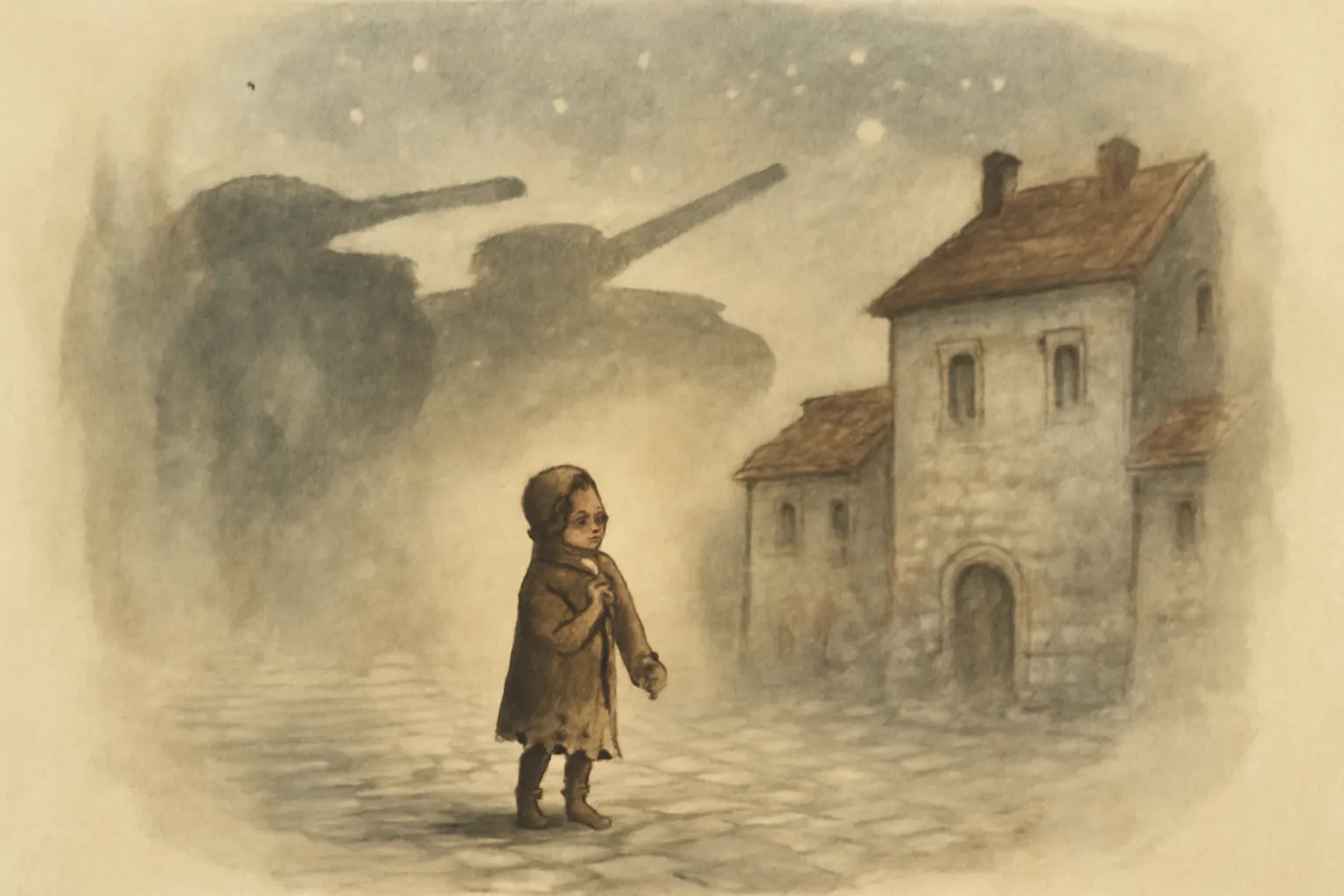
The novel delves into the moral gray areas faced by those living under occupation. Vianne and Isabelle must navigate choices where the line between right and wrong is blurred by desperation, fear, and the instinct to protect loved ones. Their decisions—whether to comply, resist, or compromise—reflect the real dilemmas ordinary people faced, making the story both relatable and haunting.
4.The Cost of Courage
Courage is a central theme, but Hannah emphasizes that bravery comes with steep personal costs. Isabelle’s daring actions in the Resistance put her life at risk, while Vianne’s quieter forms of defiance expose her to profound danger and loss. The novel asks readers to consider what it means to be brave and how much one is willing to sacrifice for others.
5.Memory, Trauma, and Legacy
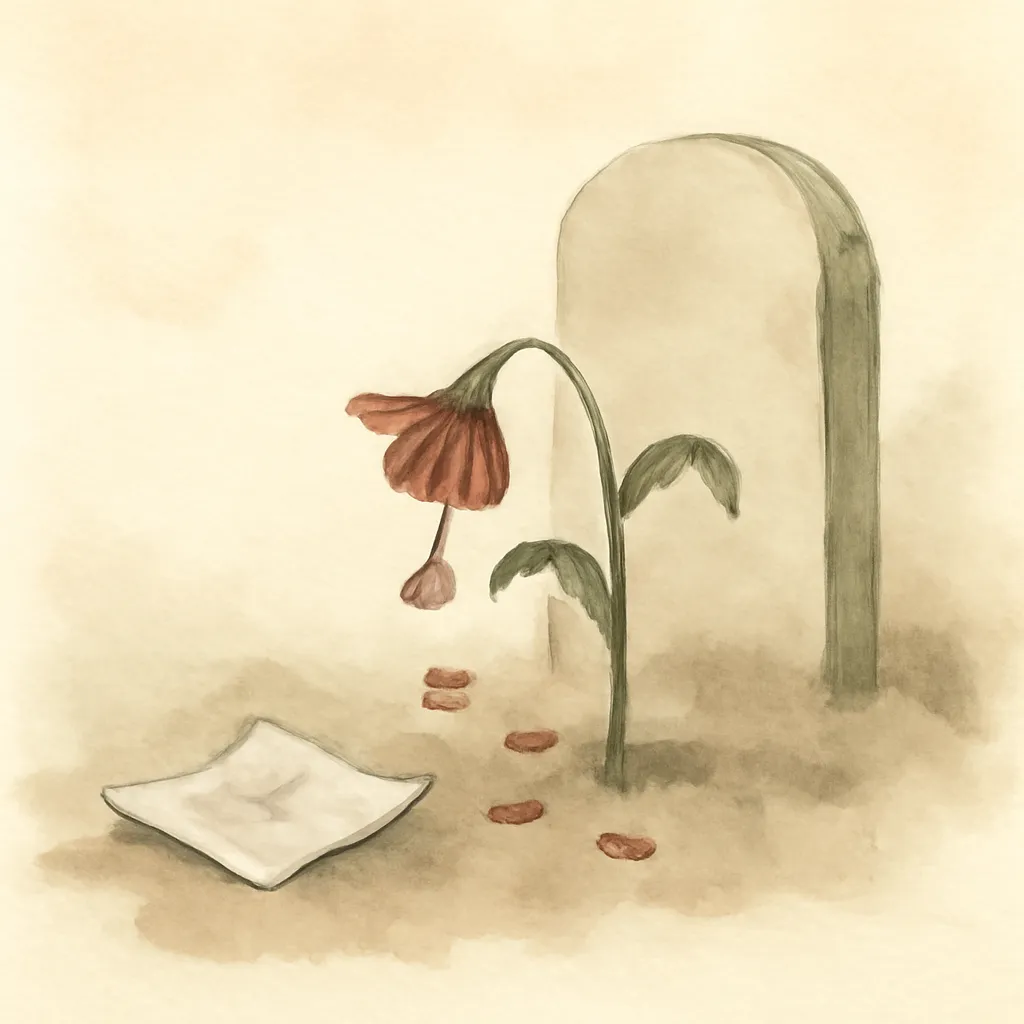
The narrative structure, which alternates between wartime France and decades later, highlights the enduring impact of trauma and the importance of remembering the past. The characters’ experiences shape not only their own lives but also those of future generations. The story becomes a meditation on how history is preserved, retold, and sometimes hidden, especially women’s stories.
6.Resistance Takes Many Forms
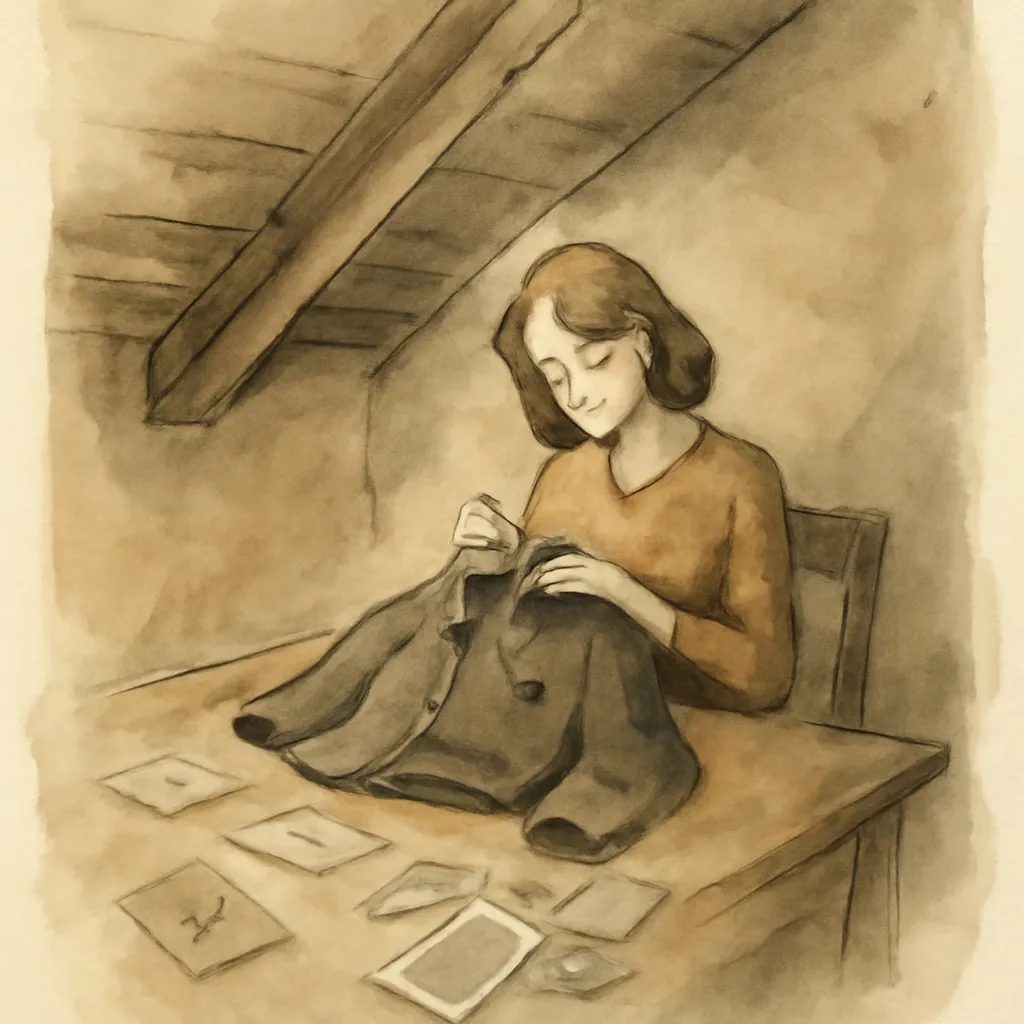
The Nightingale broadens the definition of resistance. Isabelle’s overt acts—guiding Allied pilots to safety—contrast with Vianne’s quieter, everyday resistance: hiding Jewish children, enduring occupation, and refusing to lose her humanity. The novel suggests that survival itself, under such circumstances, can be an act of defiance.