1.Identity Rooted in Place and Tradition
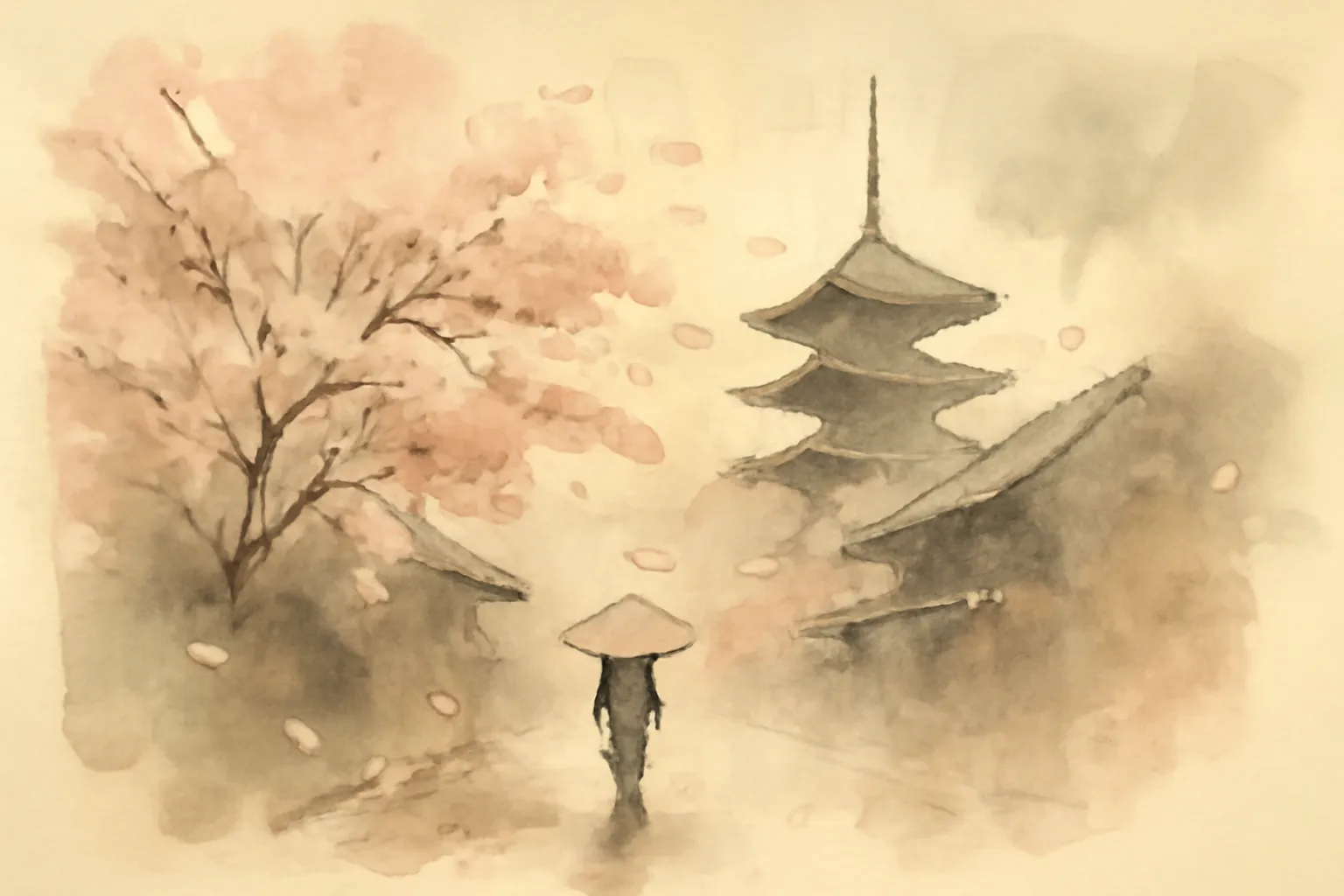
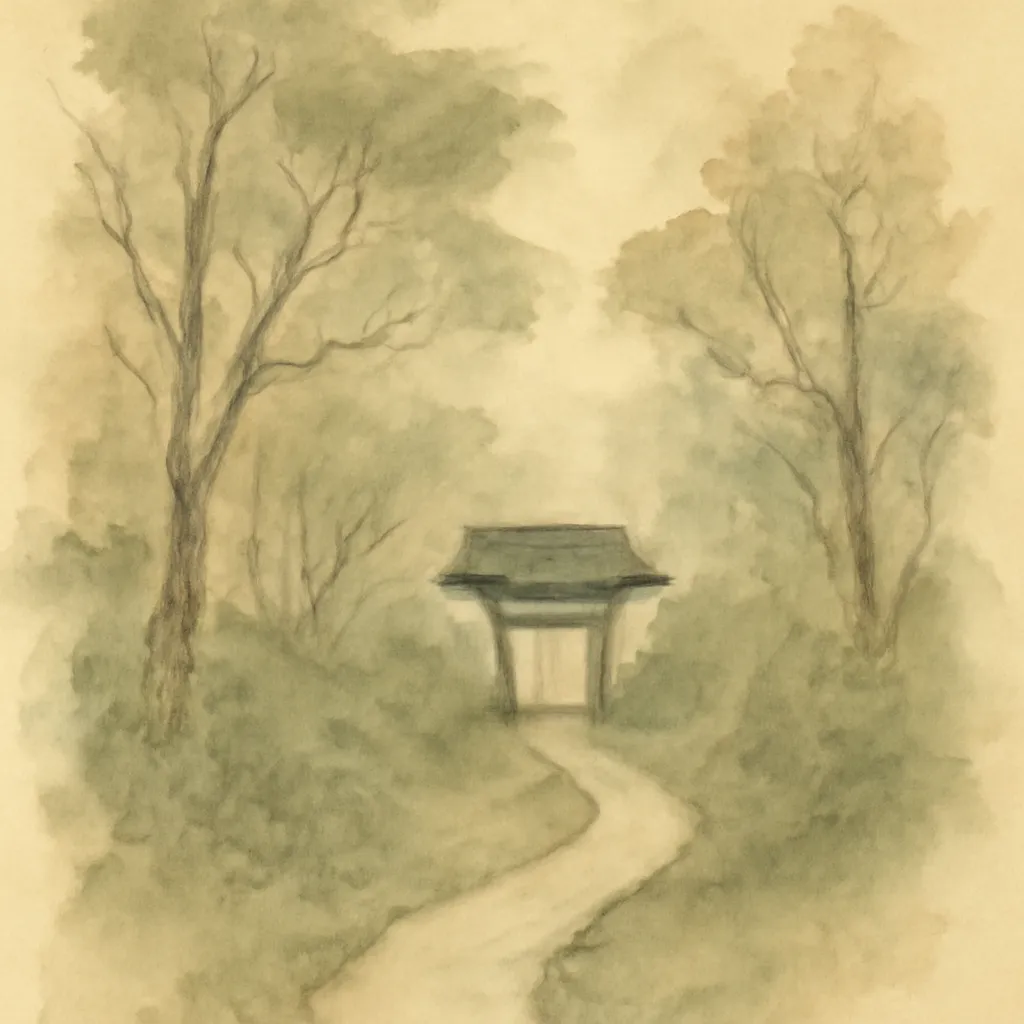
Chieko’s sense of self is inextricably linked to Kyoto, a city where ancient customs and festivals are woven into daily life. The novel uses Kyoto’s changing seasons and rituals—the cherry blossoms, the Gion Festival, the quiet of old temples—to mirror Chieko’s internal journey. Her personal search for origin is paralleled by the city’s own struggle to preserve its identity amid modernization, suggesting that who we are is shaped as much by our environment and heritage as by our blood.
2.Ambiguity of Family and Belonging
Kawabata complicates the idea of family by presenting Chieko as a foundling, raised by loving adoptive parents yet haunted by the mystery of her birth. The revelation that she was not kidnapped but abandoned destabilizes her sense of belonging, prompting a quiet existential crisis. The novel explores whether love and nurture can outweigh biological ties, and how the boundaries of family are often blurred, especially in a culture that values both lineage and chosen bonds.
3.Nature as Emotional Landscape
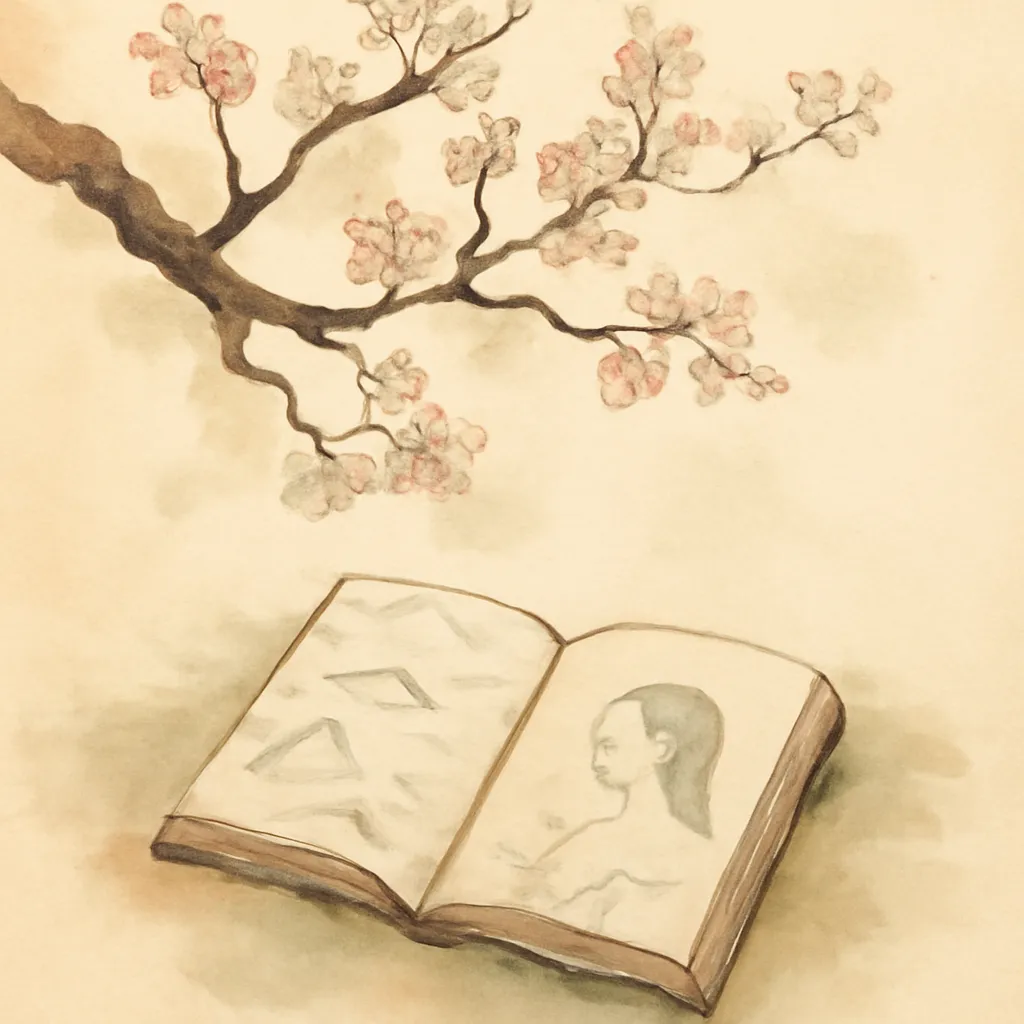
Nature is not just a backdrop but an active presence in The Old Capital. The cycles of flowers, trees, and festivals mirror the characters’ emotions and transitions. Kawabata’s poetic descriptions of Kyoto’s flora and seasonal changes create a mood of transience and longing, reinforcing the novel’s themes of impermanence and beauty. The natural world becomes a silent witness to Chieko’s search for self, suggesting that human lives are as fleeting and precious as the cherry blossoms.
4.The Tension Between Past and Modernity
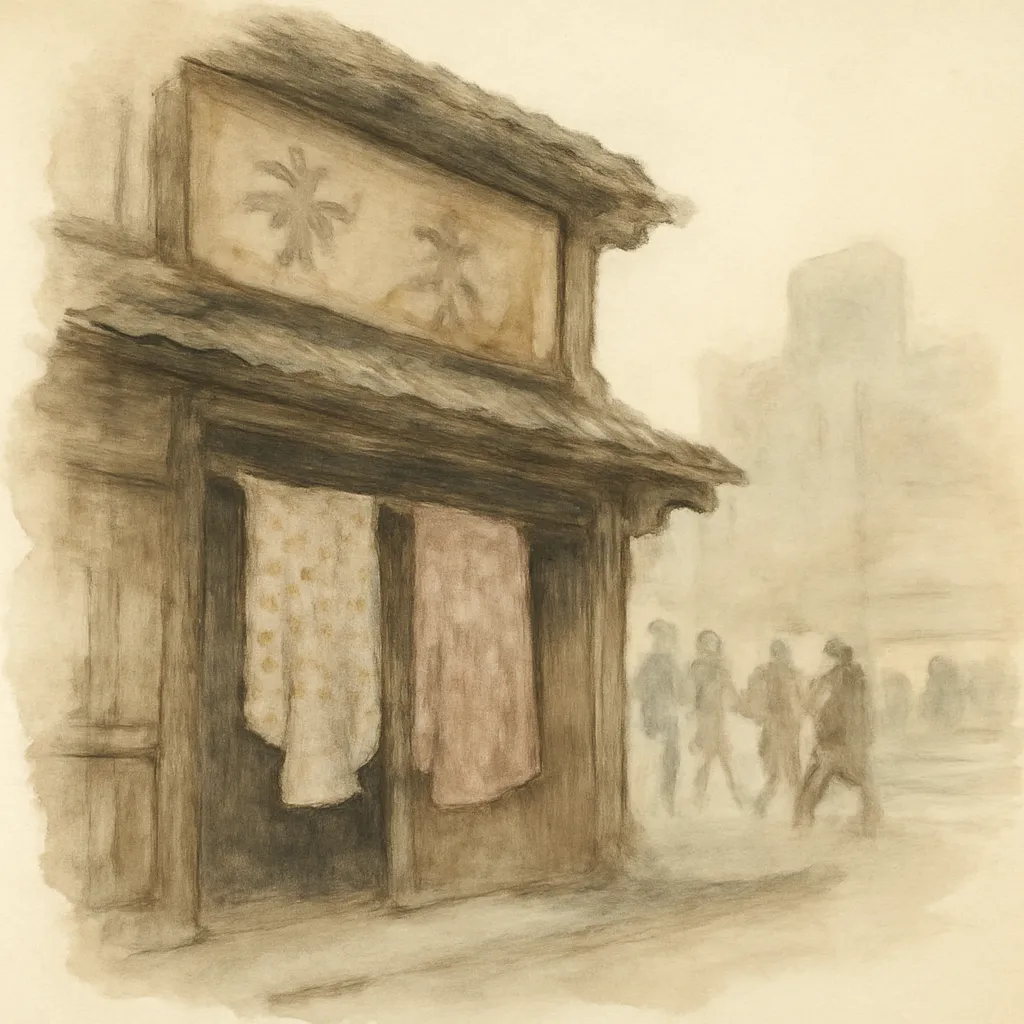
The Old Capital is set during a period of rapid change in postwar Japan, and the tension between preserving tradition and embracing modernity is ever-present. Chieko’s family, with their kimono shop, embodies the fading world of artisanal craft, while the encroachment of new values and lifestyles threatens to erode Kyoto’s unique character. Kawabata subtly critiques both nostalgia and progress, inviting readers to reflect on what is lost and gained as societies evolve.
5.Silence, Restraint, and Unspoken Emotion
True to Kawabata’s style, much of the novel’s emotional power lies in what is left unsaid. Characters communicate through gestures, silences, and the rituals of daily life rather than direct confession. This restraint reflects both Japanese cultural norms and the ineffable nature of longing and loss. Readers attuned to nuance will find depth in the spaces between words, where Chieko’s uncertainties and desires quietly unfold.
6.The Search for Authenticity
Chieko’s journey is ultimately about seeking authenticity—both in her origins and in her present relationships. The novel questions whether true selfhood can be found by uncovering the past, or whether it must be forged in the present through acceptance and connection. Kawabata suggests that authenticity is elusive, shaped as much by mystery and acceptance as by knowledge.