1.The Modern Food Chain is Invisible and Complex
Pollan reveals that most Americans are disconnected from the origins of their food, with industrial agriculture—especially corn—dominating the supermarket. He traces how corn is transformed into countless products, from sweeteners to processed foods to animal feed, illustrating how the industrial food system obscures the true nature and cost of what we consume. This complexity makes it difficult for consumers to understand the environmental, health, and ethical implications of their choices.
2.Industrial Agriculture’s Hidden Costs
Through his deep dive into industrial farming, Pollan exposes the environmental degradation, animal welfare issues, and health risks inherent in large-scale food production. He argues that the pursuit of efficiency and profit leads to monocultures, heavy use of chemical fertilizers and pesticides, and inhumane treatment of animals. These practices, while producing cheap food, carry significant hidden costs for society and the planet.
3.Organic and Local: Alternatives and Their Limits
Pollan explores organic and alternative food systems, visiting both large-scale organic operations and small, local farms. He finds that while organic agriculture avoids many of the worst excesses of industrial farming, it can still fall prey to some of the same problems when scaled up for mass markets. Truly sustainable food, he suggests, often comes from smaller, diversified farms that prioritize ecological balance and local economies.
4.Personal Responsibility and Ethical Eating
The book challenges readers to consider the ethical dimensions of their food choices. Pollan grapples with questions about animal suffering, environmental stewardship, and the morality of eating meat. By tracing his own meals—including one he forages and hunts himself—he demonstrates that eating can be a conscious, moral act, not just a matter of convenience or habit.
5.The Power and Paradox of Choice
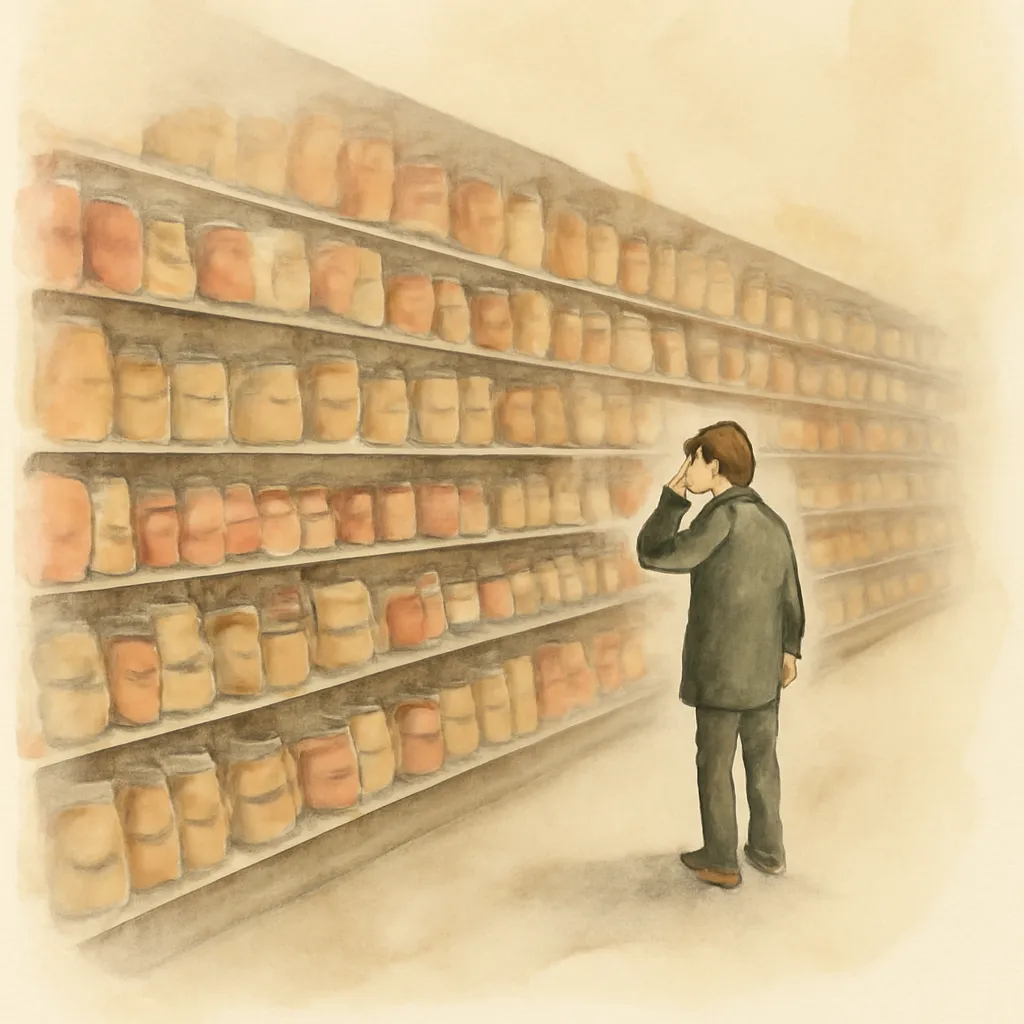
Pollan introduces the concept of the 'omnivore’s dilemma'—the anxiety and confusion that arises from having so many food choices without clear guidance. He argues that while abundance is a hallmark of modern society, it can lead to poor decisions, marketing manipulation, and a loss of cultural food wisdom. Reconnecting with traditional foodways and understanding the story behind our food can help resolve this dilemma.
6.Food as a Relationship, Not a Product
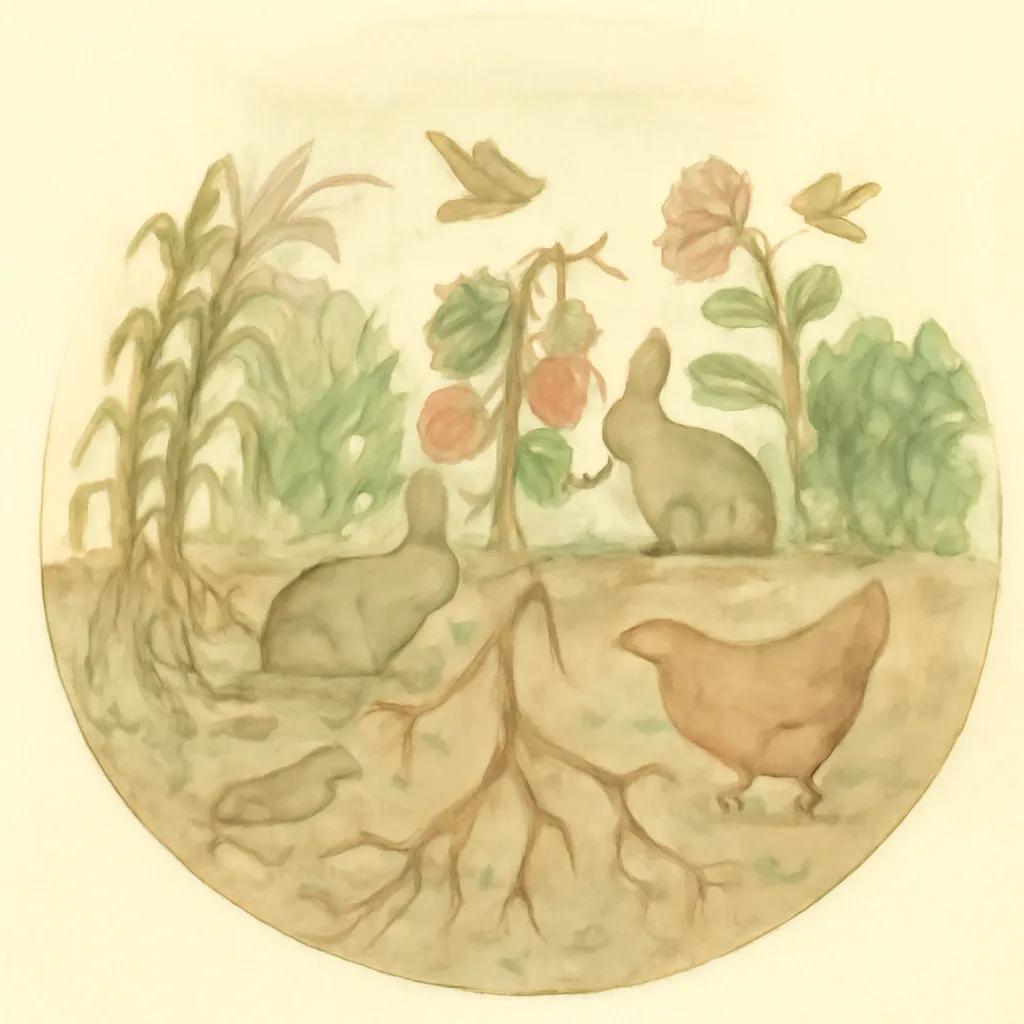
A core insight of the book is that food is not just fuel or a commodity—it’s a relationship between people, animals, plants, and the earth. Pollan advocates for a more mindful approach to eating, one that respects the interconnectedness of natural systems and values the act of sharing meals as a social and ecological practice.