1.The Superiority of Eastern Religions

Cumont argues that the Oriental religions possessed a distinct superiority over Roman paganism in several realms, including their ability to address the spiritual and emotional needs of individuals. While Roman religion was heavily ritualistic and state-oriented, the Eastern faiths offered personal salvation, an afterlife, and a closer connection to the divine. This appeal was particularly significant during times of social upheaval, as people sought more meaningful spiritual experiences. The Eastern religions' emphasis on mystery and initiation provided a stark contrast to the more rigid and public nature of Roman worship, drawing individuals away from traditional practices toward a more intimate and personal faith. Furthermore, the Eastern religions often included a pantheon that was more relatable and accessible, allowing followers to connect with gods who embodied human struggles and triumphs, thus fostering a sense of personal agency and emotional validation.
2.Cultural Syncretism and the Spread of New Cults
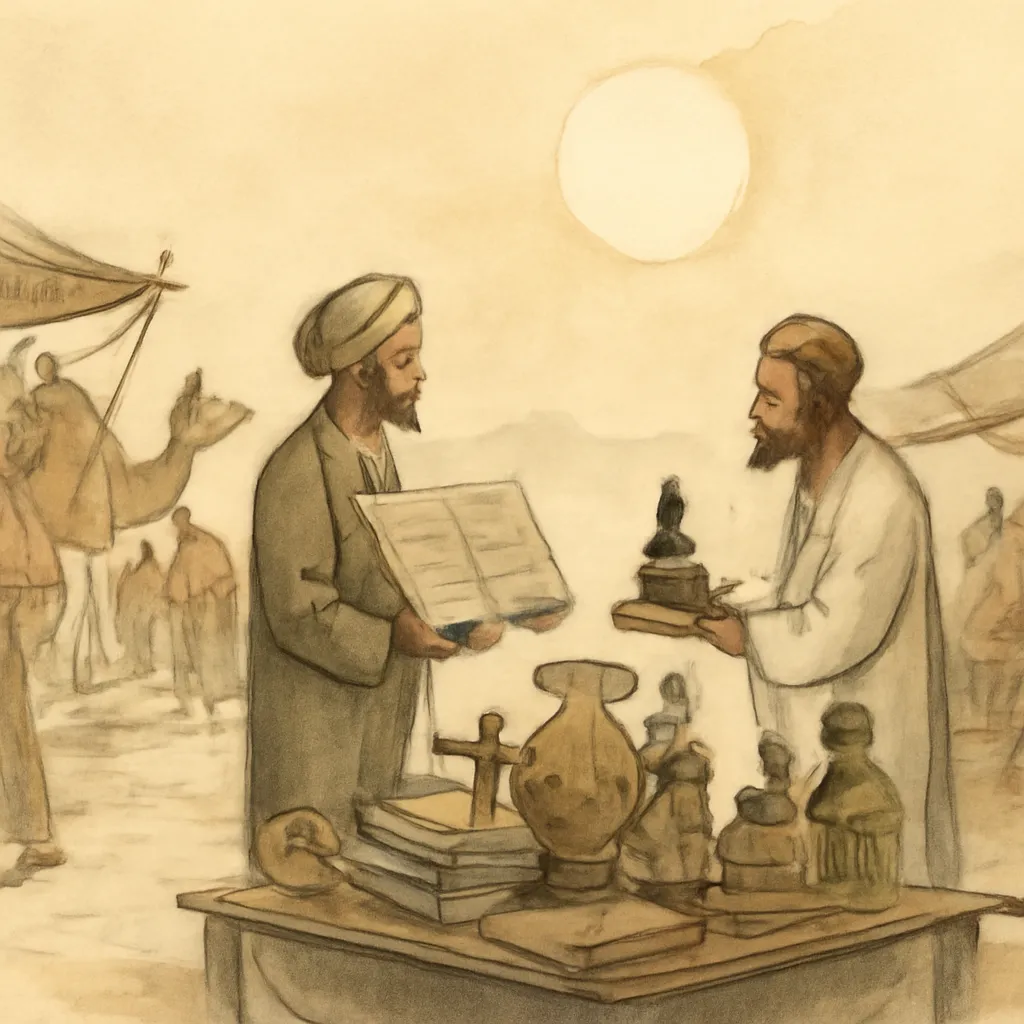
The arrival of Eastern religions in Rome was marked by remarkable cultural syncretism, where elements from various traditions blended to create new expressions of worship. Cumont highlights the role of trade and military expansion in facilitating this exchange, as soldiers and merchants brought their beliefs into Roman territories. Cults such as those dedicated to Cybele and Mithras not only spread geographically but also adapted to local customs and practices. This adaptability allowed the Eastern religions to resonate with a diverse audience, making them attractive alternatives to traditional Roman worship. The incorporation of local deities and rituals into Eastern practices exemplified this syncretism, enhancing the appeal of these faiths. For instance, the worship of Cybele, known as the Great Mother, integrated elements from various regions, leading to practices that varied greatly between areas but retained core tenets, demonstrating the religions' flexibility and appeal across different cultures.
3.Economic Influences on Religious Adoption
Cumont identifies economic factors as critical in the spread of Oriental religions within Rome. As the empire expanded and trade routes flourished, the influx of wealth and resources facilitated the introduction of new cults. The Eastern religions often promised material benefits alongside spiritual rewards, appealing to the aspirations of the Roman populace. For instance, the worship of Isis was closely tied to the economic prosperity of the grain trade, which made her cult particularly appealing to those involved in agriculture and commerce. The promise of fertility and abundance in agricultural practices made her worship attractive to both farmers and traders. This connection between economic success and religious practice illustrates how the Eastern faiths were not merely spiritual movements but also integral to the economic and social fabric of Roman life. Additionally, the emerging merchant class found value in these new religions, as they often provided a sense of community and shared purpose in the competitive economic landscape.
4.The Role of Individual Experience in Religious Practice

A defining characteristic of Eastern religions was their focus on individual experience and personal salvation. Unlike the collective rituals of Roman paganism, which emphasized public worship and state obligations, the Oriental faiths invited personal introspection and emotional engagement. This shift allowed followers to seek a more profound connection with the divine, often through mystical experiences or personal revelations. For example, the rites of Mithras included secretive initiations that fostered a sense of belonging and personal transformation among adherents. These rituals often involved dramatic reenactments of mythological stories that resonated with initiates, creating a path for personal growth and spiritual enlightenment. This emphasis on individual spirituality resonated with many Romans, particularly in a time when traditional civic values were waning and individual identity became more pronounced amidst the shifting social landscape.
5.The Inadequacy of Roman Religion
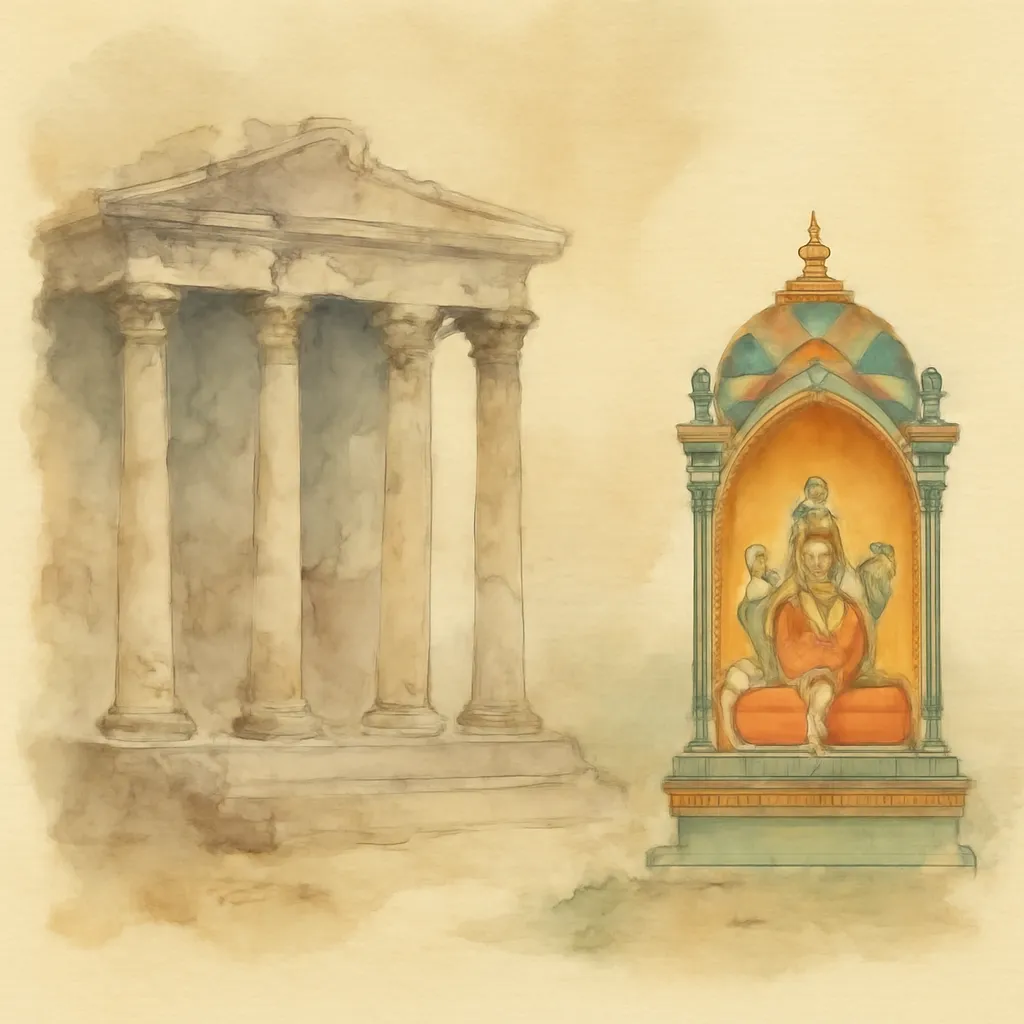
Cumont points to the inadequacies of Roman religion as a significant factor in the rise of Eastern faiths. Many Romans found their traditional beliefs lacking in answers to existential questions about life, death, and the afterlife. The Roman pantheon, while expansive, offered little in terms of personal connection or assurance of immortality. In contrast, the Oriental religions provided clear doctrines regarding the soul's journey after death, often depicting a vivid eschatology that promised rewards for the faithful. This perceived deficiency in Roman spirituality created a fertile ground for the acceptance of Eastern religions, which fulfilled the spiritual void felt by many. The Eastern cults directly addressed questions of morality and ethics, presenting a narrative that was not only more engaging but also reassuring in its promises of an afterlife, which appealed to the psychological needs of a population facing the uncertainty of political and social change.
6.Mystery Cults and the Appeal of Initiation
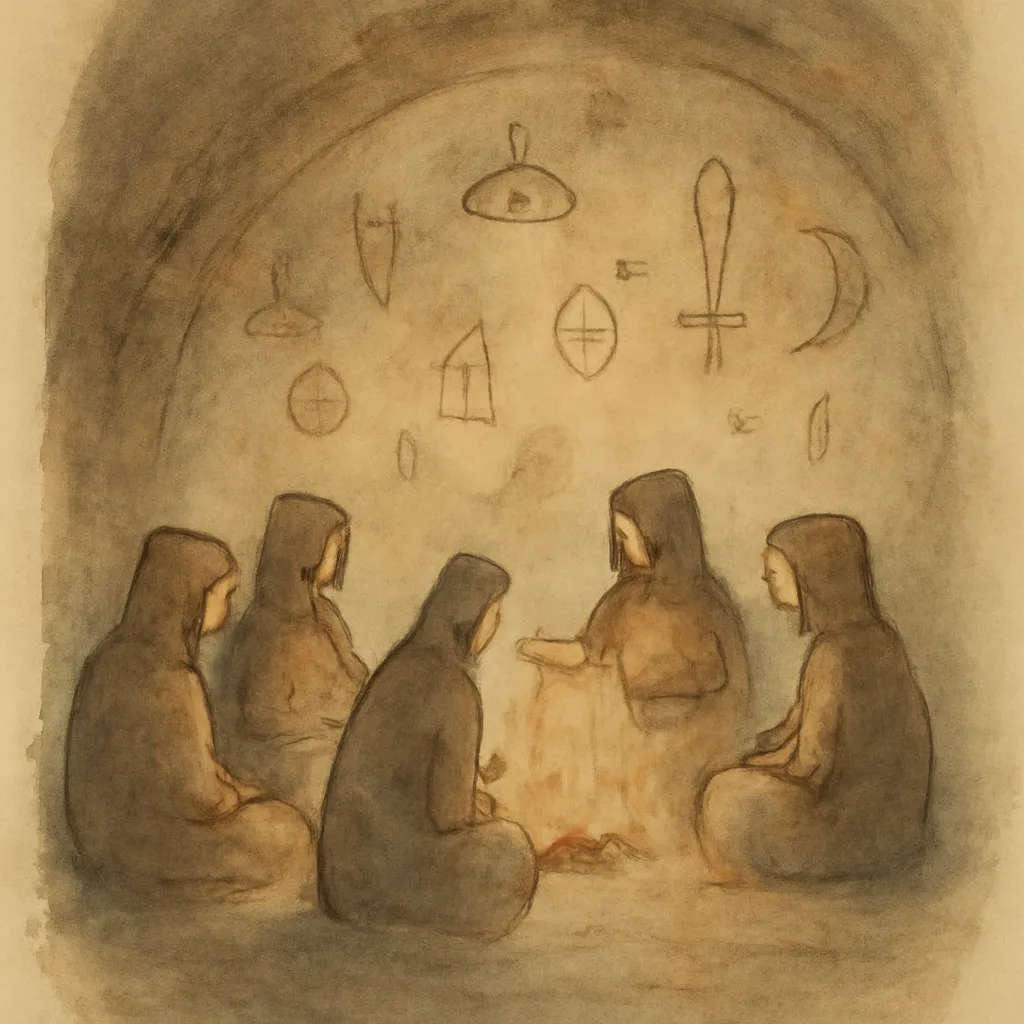
The mystery cults that emerged from Eastern religions were particularly attractive to many Romans seeking deeper spiritual fulfillment. These cults, such as those dedicated to Bacchus, Mithras, and Isis, offered secretive rites and initiations that promised personal enlightenment and communal bonds among followers. Cumont emphasizes that the allure of mystery cults lay in their exclusivity and the promise of a transformative experience that transcended mundane existence. Initiates often underwent rituals that symbolized death and rebirth, fostering a profound sense of renewal and hope. The communal aspect of these initiations created a strong sense of belonging, which was particularly appealing in the face of the alienation felt by many in the sprawling Roman Empire. This unique approach to spirituality contrasted sharply with the more public and less personal rituals of traditional Roman religion, further driving individuals toward these Eastern faiths. The dramatic and often emotionally charged nature of these rituals helped participants feel a significant transformation, giving them a renewed sense of purpose and identity.
7.The Influence of Eastern Ethics

Eastern religions introduced new ethical frameworks that appealed to the Roman populace, emphasizing moral conduct, compassion, and community support. For example, the cult of Isis promoted values such as charity and assistance to the less fortunate, resonating with a society increasingly aware of social inequalities. This ethical shift provided a counter-narrative to the often harsh realities of Roman life, suggesting that divine favor could be attained through virtuous behavior. Cumont illustrates how these new moral paradigms not only attracted followers but also influenced the broader cultural landscape, leading to an evolution in Roman ethical thought. The teachings of these religions often encouraged followers to act with kindness and integrity, fostering a sense of social responsibility that contrasted with the more individualistic and competitive ethos prevalent in Roman society. This transformation in ethical sensibilities contributed to a growing consciousness about social justice and morality, which would have lasting implications for Western thought.
8.Skepticism and the Crisis of Traditional Beliefs

Cumont notes that skepticism among the Roman elite played a crucial role in the decline of traditional beliefs and the rise of Eastern religions. Intellectual circles began to question the validity of the established pantheon and the efficacy of traditional rituals. This skepticism often led to a search for alternative spiritual paths, with many turning to the Eastern faiths that offered clearer doctrines and answers to life's mysteries. The rise of philosophical schools that emphasized personal inquiry and ethical living further fueled disillusionment with conventional paganism. This critical perspective allowed for the acceptance of new religious ideas and practices that were more aligned with the changing values of society. The writings of critical thinkers and philosophers of the time often questioned the very foundations of Roman religious practices, setting the stage for a broader cultural shift toward more personal and mystical forms of spirituality.
9.The Role of Imperial Power in Religious Transformation
Cumont discusses the significant role of imperial power in the spread and official recognition of Eastern religions within the Roman Empire. As emperors sought to consolidate their power and maintain social order, they often adopted or endorsed certain cults that resonated with the populace. For instance, the cult of Mithras gained favor among soldiers and was supported by various emperors, leading to its rapid expansion. This endorsement not only legitimized the cult but also integrated it into the fabric of Roman society. The political maneuvering surrounding these religions illustrates the complex interplay between faith and governance, as well as the ways in which rulers utilized religion to reinforce their authority. The imperial backing of Eastern religions often created a sense of legitimacy that attracted more followers, further solidifying their position within the empire.
10.Hope of Immortality and the Promise of Salvation
A central tenet of many Oriental religions was the promise of immortality and salvation, which resonated deeply with the Roman populace's fears of death and the afterlife. Cumont highlights how cults like those of Isis and Mithras offered clear teachings about the soul's journey post-mortem, providing followers with hope and reassurance. These beliefs in a benevolent afterlife contrasted sharply with the often bleak outlook provided by traditional Roman religion. The allure of eternal life and the notion that one's actions could influence their fate in the afterlife became powerful motivators for conversion, leading many to abandon their ancestral faiths in search of spiritual certainty. The rituals associated with these beliefs often included sacred meals and initiatory rites that symbolized rebirth, further enhancing the appeal of these religions and their promises of eternal life.