1.The Clay Hypothesis
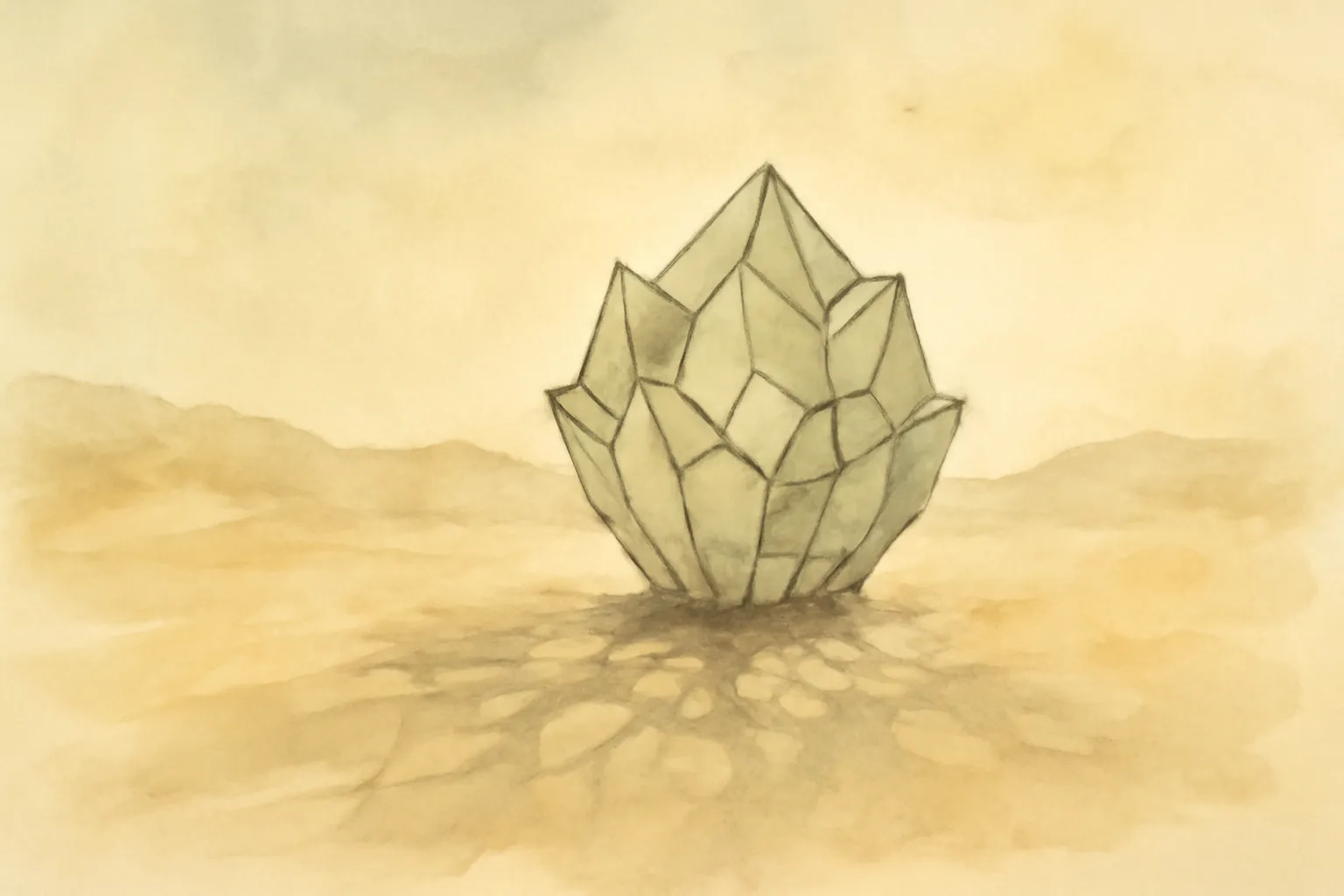
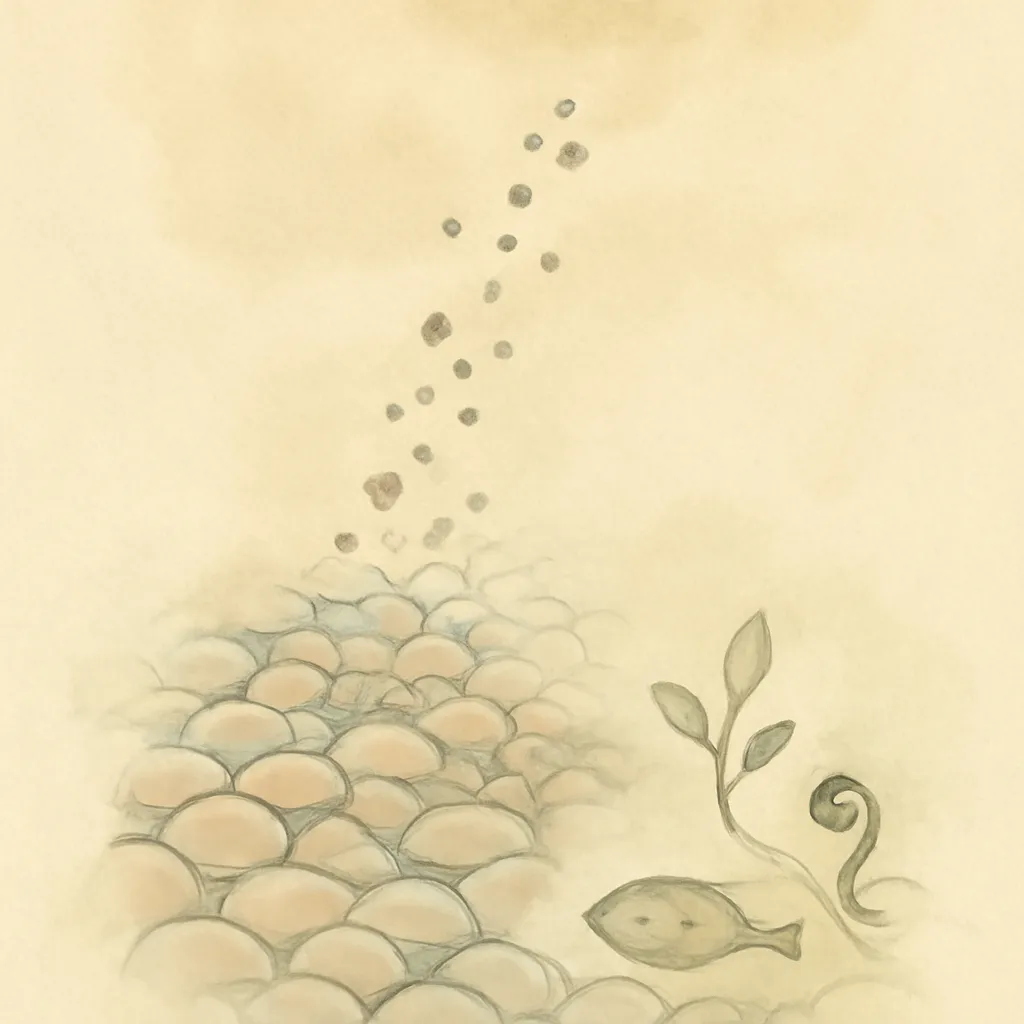
Cairns-Smith's central thesis is that life may have originated with clay crystals, not organic molecules. He argues that the regular, replicating patterns in certain clays could have provided a primitive form of 'genetic' information, much like DNA does today. These mineral structures could have acted as templates, accumulating and transmitting information through their patterns as they grew and broke apart. This idea radically departs from the 'primordial soup' model, suggesting that inorganic matter played a direct, active role in life's beginnings.
2.Information Before Chemistry
The book emphasizes that life's defining feature is not just its chemistry, but its ability to store and transmit information. Cairns-Smith points out that even the simplest living systems require complex instructions to reproduce themselves. He suggests that before organic evolution could get started, there had to be a system—possibly in crystals—that could accumulate, copy, and occasionally mutate information, paving the way for natural selection long before genes.
3.The Improbability of Spontaneous Life
Cairns-Smith is skeptical that life as we know it could have arisen spontaneously from a random mix of organic molecules. He details the staggering complexity of even the simplest living cell and argues that the odds of such complexity emerging by chance are astronomically low. This skepticism motivates his search for a more plausible 'starter kit' for life, one that could scaffold the emergence of biological complexity.
4.Gradual Handover from Crystals to Genes
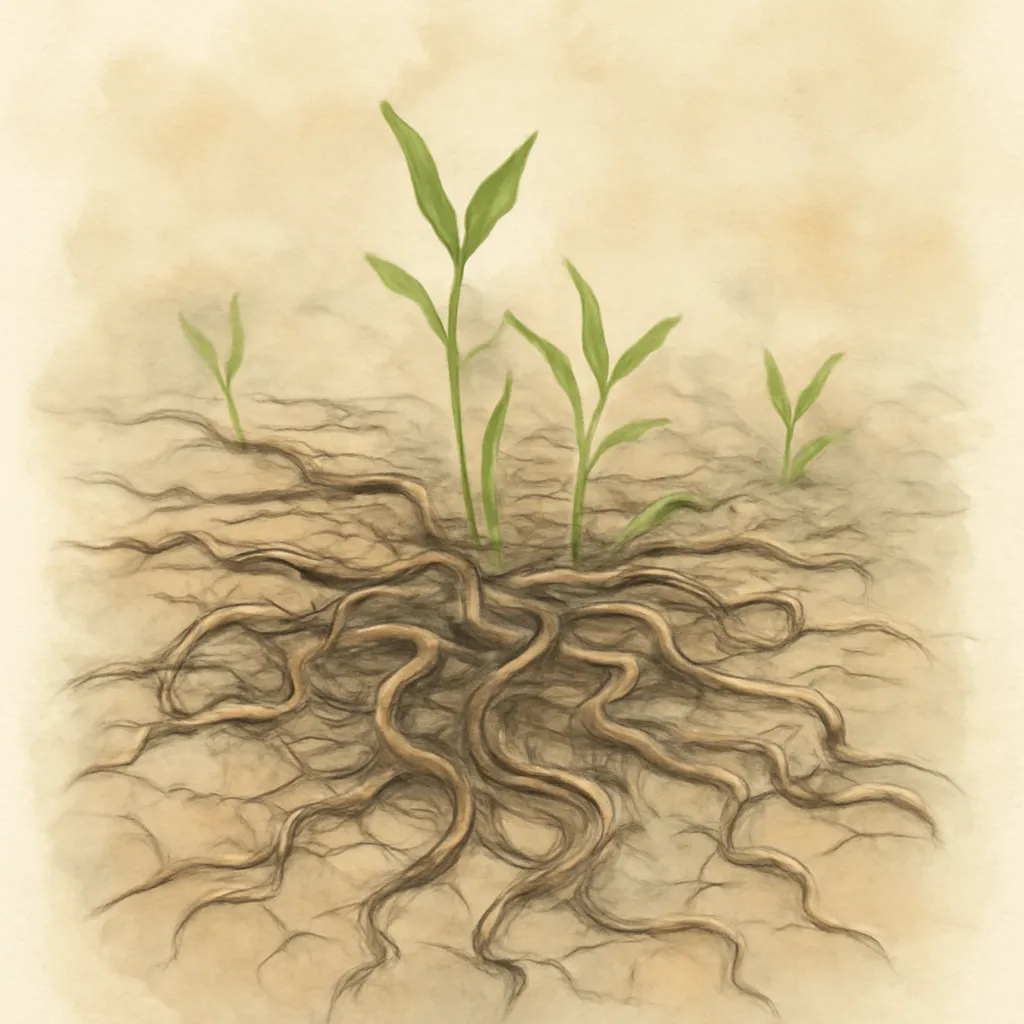
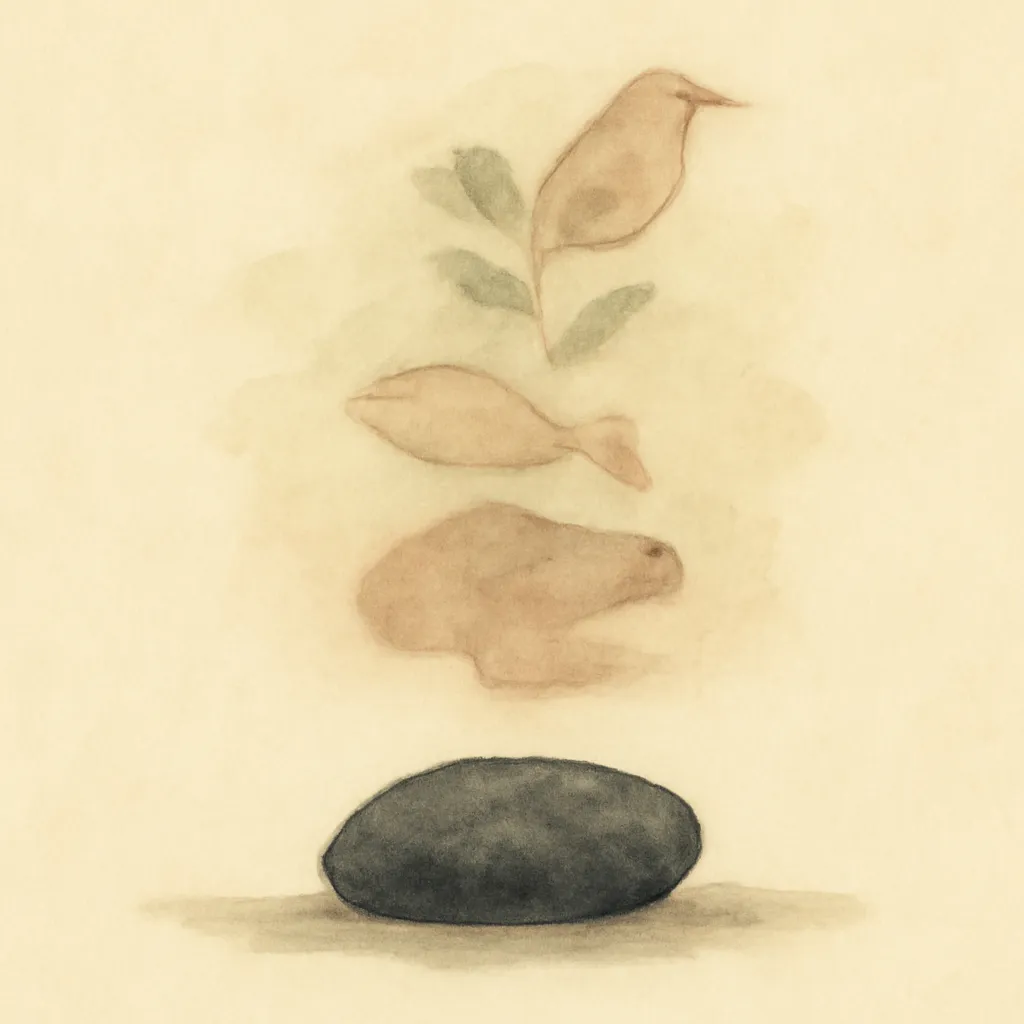
A key idea is the 'genetic takeover'—the notion that once primitive clay-based information systems existed, organic molecules eventually took over the job of storing and transmitting information. Life as we know it, with its DNA and proteins, may be the product of a long evolutionary relay, where minerals handed off their role to organics in a slow, stepwise process.
5.Challenging the Primordial Soup
Cairns-Smith critiques the classic 'primordial soup' hypothesis, arguing that the conditions it requires are unlikely to have existed or to have produced anything as complex as a living cell. He uses humor and clear analogies to show how the soup model struggles to explain the origin of information and organization in life, making his alternative all the more compelling.
6.Life as a Continuum, Not a Leap
Rather than seeing the origin of life as a sudden, miraculous event, Cairns-Smith presents it as a gradual continuum. He suggests that the boundary between 'non-living' and 'living' is blurry, with many intermediate stages. This perspective encourages readers to see life's emergence as a process of increasing complexity and organization, not a single leap.